Action
Adventure
Animation
Comedy
Crime
Documentary
Drama
Family
Fantasy
History
Horror
Music
Mystery
Romance
Science Fiction
Thriller
War
Western
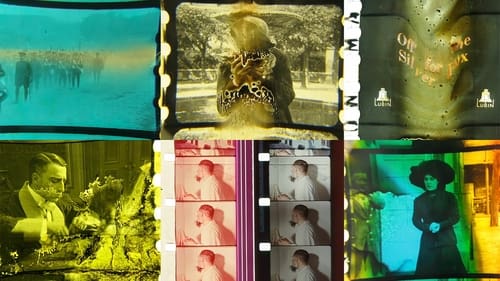
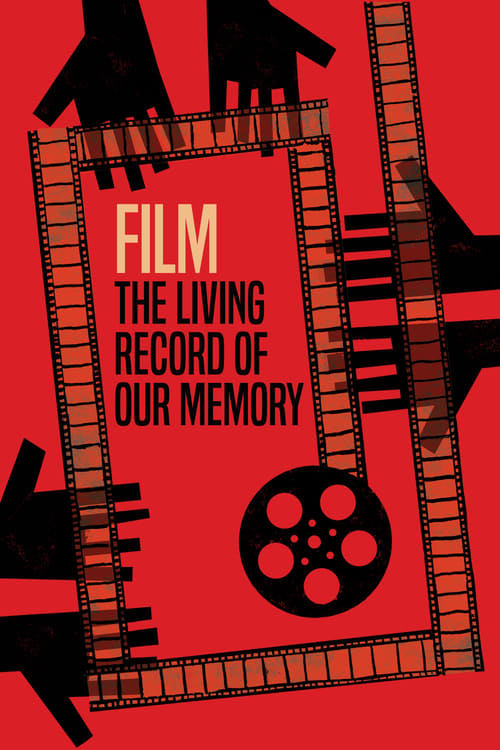
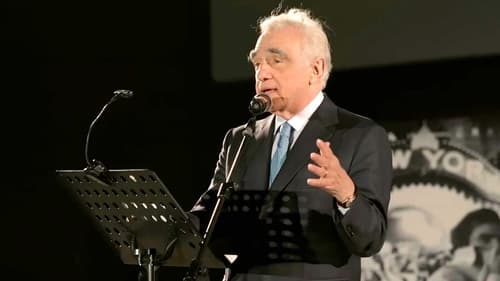
Why are we still able, today, to view images that were captured over 125 years ago? As we enter the digital age, audiovisual heritage seems to be a sure and obvious fact. However, much of cinema and our filmed history has been lost forever. Archivists, technicians and filmmakers from different parts of the world explain what audiovisual preservation is and why it is necessary. The documentary is a tribute to all these professionals and their important work.
Director: Inés Toharia Terán
Writers: Inés Toharia Terán
Enjoying the content? Support us!

Enjoying the content? Support us!
No streaming providers available

Brent Marchant
Film has become so pervasive in our society that we tend to take it for granted. From big screen blockbusters to intimate arthouse dramas and documentaries to home movies, we see these cinematic recor...
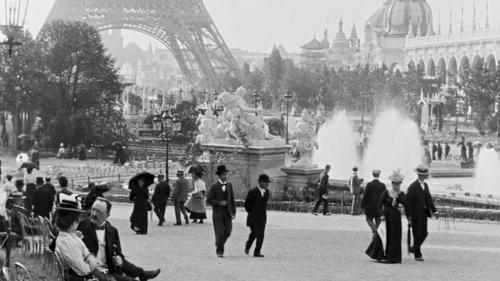
In one of those wonderful coincidences of history, lumière, the French word for “light,” was also the last name of brothers Auguste and Louis, whose brilliant invention, the cinematograph, helped to inaugurate the most beloved art form of the last 130 years. Institute Lumière director Thierry Frémaux uses Lumière, Le Cinema! to guide the viewer through over a hundred shorts—some famous, some forgotten, some never before seen—directed by Lumière and company. In the process, Frémaux illuminates how the brothers employed the camera as a creative instrument as they (and their operators) mastered framing, staging, and subject selection for quotidian and exotic microdocumentaries as well as the first ever fictional motion pictures. The result is not only a glorious re(telling) of the genesis of cinema but a profound meditation on the beautiful world captured—and the mysterious world imagined—by the Lumières.

September 23, 2022 marks the 52nd anniversary of the death of Bourvil (1917-1970). Radio, sketches, boulevard theater, operetta, cinema, songs whimsical or tender, Bourvil is present in all areas of popular culture. Carried by the voice of Valérie Lemercier, this portrait of the artist allows us to rediscover his most beautiful songs, from Les Crayons to La Tendresse, and the highlights of his filmography, from the cult scenes of La Traversée de Paris, Le Corniaud and La Grande Vadrouille to Le Cercle rouge. We also rediscover the richness of his career as a singer and actor, with some little known nuggets. The testimony of Bourvil's two sons, unpublished family films and numerous archives tell the story of the all too brief life of this endearing man.
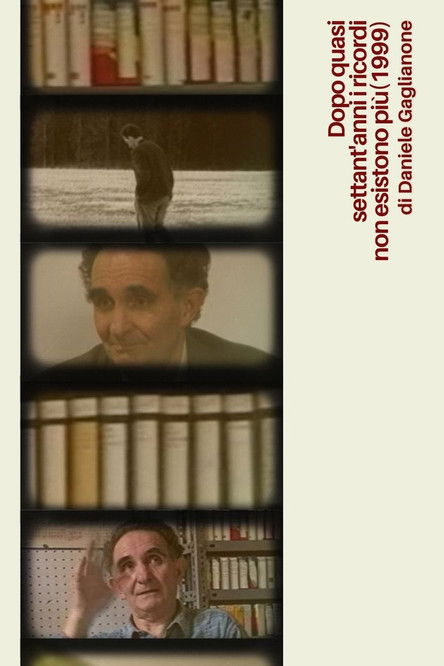
A portrait in seven fragments of Paolo Gobetti, an eclectic figure who, amid his tireless activity in Italian cinema and cultural landscape, founded the National Film Archive of Resistance (Archivio nazionale cinematografico della Resistenza, ANCR).
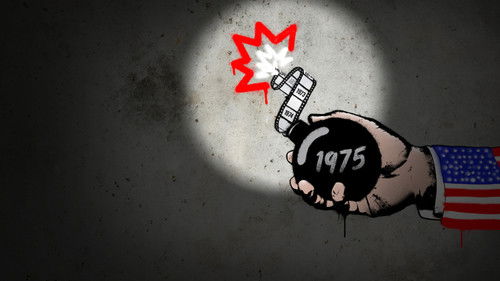
In 1975, as America faced social and political upheaval, filmmakers turned chaos into art.
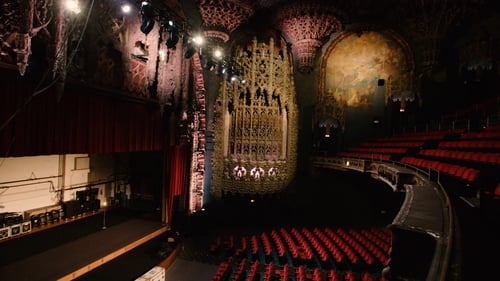
Celebrating the splendor and grandeur of the great cinemas of the United States, built when movies were the acme of entertainment and the stories were larger than life, as were the venues designed to show them. The film also tracks the eventual decline of the palaces, through to today’s current preservation efforts. A tribute to America’s great art form and the great monuments created for audiences to enjoy them in.
Subscribe for exclusive insights on movies, TV shows, and games! Get top picks, fascinating facts, in-depth analysis, and more delivered straight to your inbox.