
Action
Adventure
Animation
Comedy
Crime
Documentary
Drama
Family
Fantasy
History
Horror
Music
Mystery
Romance
Science Fiction
Thriller
War
Western
Found 29 movies, 5 TV shows, and 0 people
Can't find what you're looking for?
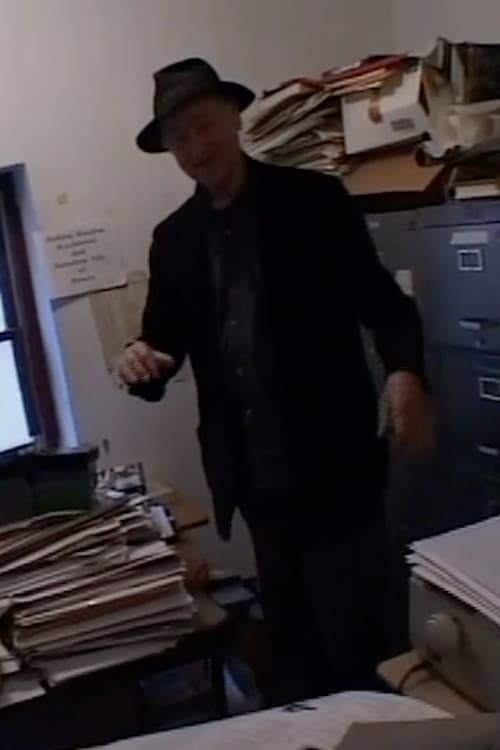
A short portrait of Anthology Film Archives, New York s museum of independent cinema founded by Jonas Mekas in 1970. Features interviews with some of the workers including Mekas and some of his Lithuanian friends.

National Film Archive, Aston Clinton, London. Shots from very early news reel (Pathe's own) of the 1896 Derby. Inter-title - "The Queen God Bless Her". More very old shots of a royal parade. C/U of a reel of 35 mm film on a winding bench. C/U of a clipping being taken from the film. The clipping is dropped into a test tube to be analysed for signs of deterioration. An alizarin-red indicator is tucked into the tubes - if it bleaches the film is badly deteriorating. M/S of a white coated archivist taking cans of film from shelves in a vault. C/U of an old projector in action. Shots from the 1913 version of Hamlet starring Sir Johnstone Forbes Robertson. C/U of an archivist holding a piece of film up to the light. M/S of the archivist at a winding bench, he is measuring a piece of ageing, shrunken film. Some shots of a hand-coloured Pathe fashion item from 1912.
Patti Smith improvises an unfinished song, called "God Running". From the cycle of FIRST FORTY I made in late 2006 as an introduction to my work for my new, Internet audience. All of them are based on my earlier films but slightly, sometimes more than slightly, changed. I consider them works complete in themselves, seperate from the main body of my film work.

The second in the NFPF's Treasures series, More Treasures was produced in collaboration with the Academy of Motion Picture Arts and Sciences, George Eastman House, the Library of Congress, the Museum of Modern Art, and the UCLA Film & Television Archive. The set was funded in part through a grant from the National Endowment for the Humanities. Net proceeds support further film preservation. The box set covers the years from 1894 through 1931, when the motion pictures grew from a peepshow curio to the nation's fourth largest industry. This is the period from which fewest American films survive.
This very special film features a carefully curated selection of some of the priceless messages that have graced Anthology’s voicemail system over the years. From the historically important to the utterly (and sublimely) absurd, they feature a cast of characters ranging from legendary avant-garde filmmakers, scholars, and other cultural figures to civilians whose legend has (until now) been confined to the offices of Anthology, thanks precisely to their witty, eloquent, eccentric – or in some cases unforgettably psychotic – voicemails. We’ve toyed with the idea of sharing these messages in some form for years, and the “Imageless Films” series provides a perfect pretext.

TV & Film Archive performances of The Who from 1970 to 1979. Their classic line-up consisted of lead singer Roger Daltrey, guitarist and singer Pete Townshend, bass guitarist John Entwistle, and drummer Keith Moon. Kenney Jones, of the Small Faces and the Faces, replaced Moon in November 1978, They are considered one of the most influential rock bands of the 20th century, selling over 100 million records worldwide and holding a reputation for their live shows and studio work.

TV & Film Archive performances of The Who from 1967 to 1969. Their classic line-up consisted of lead singer Roger Daltrey, guitarist and singer Pete Townshend, bass guitarist John Entwistle, and drummer Keith Moon. They are considered one of the most influential rock bands of the 20th century, selling over 100 million records worldwide and holding a reputation for their live shows and studio work.

TV & Film Archive performances of The Who from 1965 to 1967. Their classic line-up consisted of lead singer Roger Daltrey, guitarist and singer Pete Townshend, bass guitarist John Entwistle, and drummer Keith Moon. They are considered one of the most influential rock bands of the 20th century, selling over 100 million records worldwide and holding a reputation for their live shows and studio work.
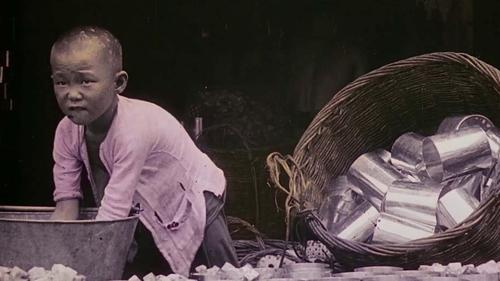
Rare archive footage reveals what Singapore was like dating back to 1900, showing coolies sharing lunch, rickshaw pullers, a grand Peranakan funeral, and more.
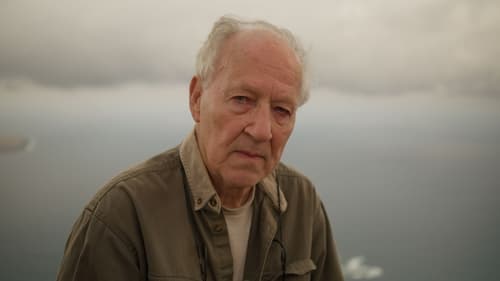
With exclusive behind-the-scenes access into Herzog’s everyday life, rare archive material and in-depth interviews with celebrated collaborators – including Christian Bale, Nicole Kidman, and Robert Pattinson, we are given an exciting glimpse into the work and personal life of the iconic artist.

The definitive documentary on the history of nudity in feature films from the early silent days to the present, studying the changes in morality that led to the use of nudity in films while emphasizing the political, sociological and artistic changes that shaped that history. Skin will also study the gender inequality in presenting nude images in motion pictures and will follow the revolution that has created nude gender equality in feature films today.
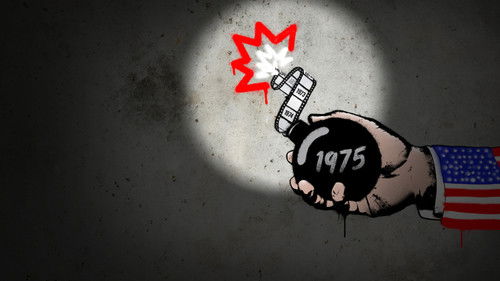
In 1975, as America faced social and political upheaval, filmmakers turned chaos into art.
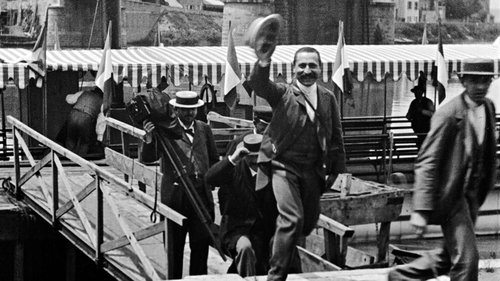
A collection of restored prints from the Lumière Brothers.
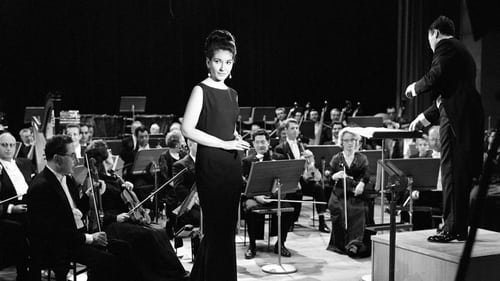
Told through performances, TV interviews, home movies, family photographs, private letters and unpublished memoirs, the film reveals the essence of an extraordinary woman who rose from humble beginnings in New York City to become a glamorous international superstar and one of the greatest artists of all time.

In reframing and re-editing existing ethnographic films, Tan exposes their anthropological underpinnings and questions the conventions of filmmaking. What is the relationship between the observer and the observed? How can one ever know another? The voice-over, a fictional dialogue taken from Italo Calvino’s Invisible Cities, may offer an answer. The explorer Marco Polo and Emperor Kublai Khan are speaking about travel and looking back on the past, when Polo observes, “The traveler recognises the little that is his, discovering the much he has not had and will never have.”
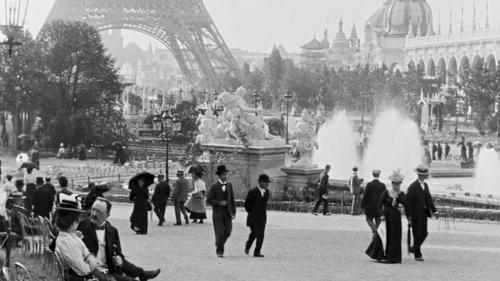
In one of those wonderful coincidences of history, lumière, the French word for “light,” was also the last name of brothers Auguste and Louis, whose brilliant invention, the cinematograph, helped to inaugurate the most beloved art form of the last 130 years. Institute Lumière director Thierry Frémaux uses Lumière, Le Cinema! to guide the viewer through over a hundred shorts—some famous, some forgotten, some never before seen—directed by Lumière and company. In the process, Frémaux illuminates how the brothers employed the camera as a creative instrument as they (and their operators) mastered framing, staging, and subject selection for quotidian and exotic microdocumentaries as well as the first ever fictional motion pictures. The result is not only a glorious re(telling) of the genesis of cinema but a profound meditation on the beautiful world captured—and the mysterious world imagined—by the Lumières.
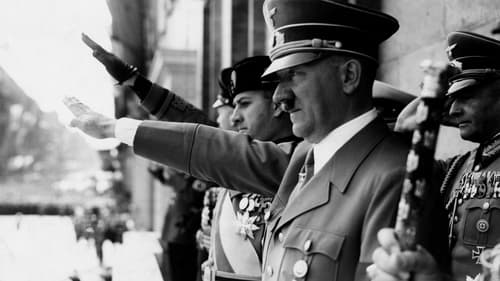
A keen chronicle of the unlikely rise to power of Adolf Hitler (1889-1945) and a dissection of the Third Reich (1933-1945), but also an analysis of mass psychology and how the desperate crowd can be deceived and shepherded to the slaughterhouse.
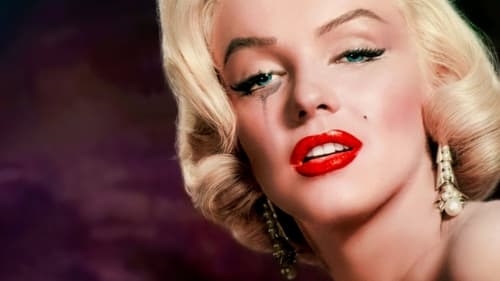
This documentary explores the mystery surrounding the death of movie icon Marilyn Monroe through previously unheard interviews with her inner circle.
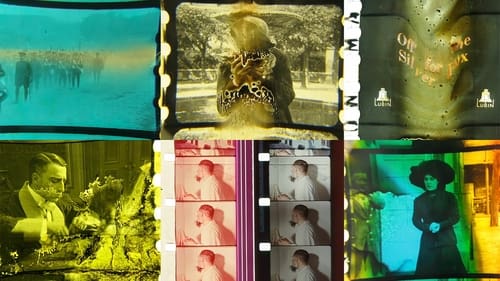
Why are we still able, today, to view images that were captured over 125 years ago? As we enter the digital age, audiovisual heritage seems to be a sure and obvious fact. However, much of cinema and our filmed history has been lost forever. Archivists, technicians and filmmakers from different parts of the world explain what audiovisual preservation is and why it is necessary. The documentary is a tribute to all these professionals and their important work.
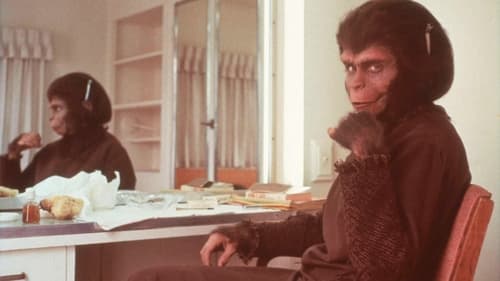
Roddy McDowall takes you, film by film, from production meetings to make-up sessions, then right onto the movie set to see the actual filming of the science fiction masterpiece. The most comprehensive history of Planet of the Apes ever created, this fascinating 127-minute documentary explores one of the most imaginative and influential series in movie history.

In 150 years, twice marked by total destruction —a terrible earthquake in 1923 and incendiary bombings in 1945— followed by a spectacular rebirth, Tokyo, the old city of Edo, has become the largest and most futuristic capital in the world in a transformation process fueled by the exceptional resilience of its inhabitants, and nourished by a unique phenomenon of cultural hybridization.

One hundred years of the cinematic memory of a small country told through motion graphics. A brief tour of previously unseen images and forgotten fragments of Costa Rican cinema, which, amid state efforts and industrial ambitions, prevailed throughout the 20th century.
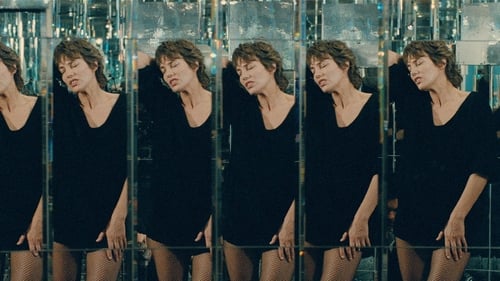
The interests, obsessions, and fantasies of two singular artists converge in this inspired collaboration between Agnès Varda and her longtime friend Jane Birkin. Made over the course of a year and motivated by Birkin’s fourtieth birthday—a milestone she admits to have some anxiety over—Jane B. by Agnès V. contrasts the private, reflective Birkin with Birkin the icon.
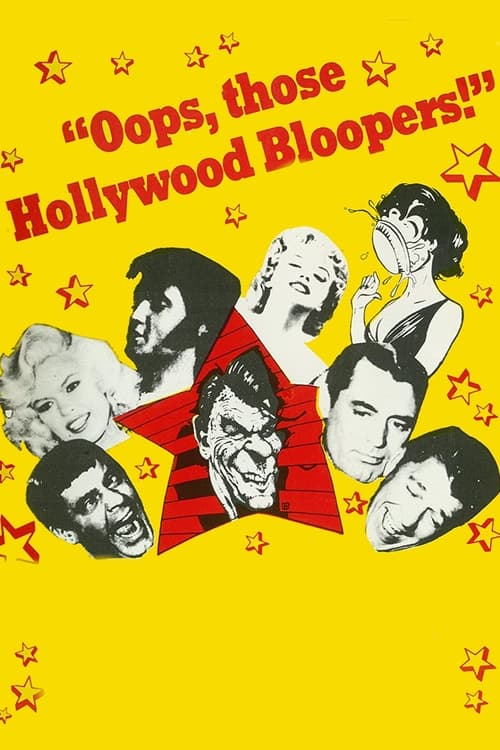
A collection of bloopers and outtakes from an enormous selection of Hollywood classic productions spanning from the 1930s through the 1980s.
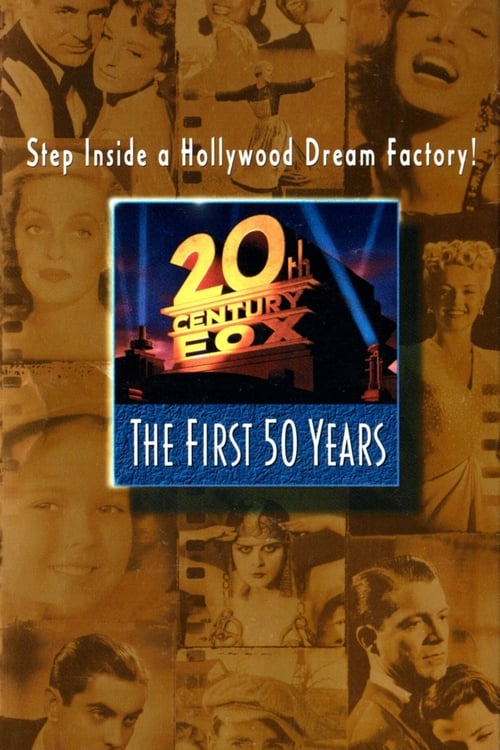
The first half century of Twentieth Century Fox Film Corporation from its beginnings under Hungarian immigrant William Fox to it emergence as a major studio.
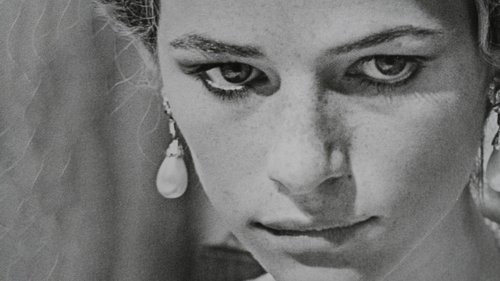
Screen icon Charlotte Rampling has fascinated the world of cinema, fashion and photography with her mysterious and almost inaccessible beauty. A major figure in genre and auteur films, she is unclassifiable: between presence and absence, shyness and audacity, she's always hypnotic, magnetic and fascinating. From her film debut in the mid-1960s in England, to her unconventional career path, through the tragic loss suicide of her older sister that will irremediably mark her acting, this film is a dive into the existential quest of a complex actress, whose every facet is discovered through her roles. Through a conversation with the actress herself, along with personal archives and extracts from her films, this documentary raws a dazzling portrait of her life and career.
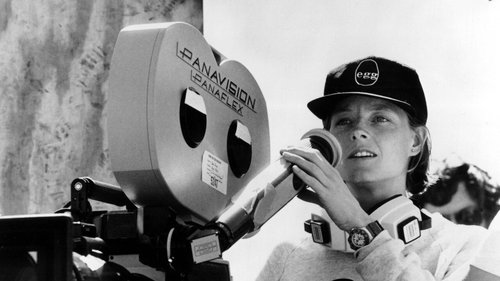
From her precocious status as a sex symbol to her consecration as a filmmaker, Jodie Foster's story is about a feminist struggle, albeit atypical, fought on and off the screen. This film sets out to retrace her remarkable journey within the Hollywood industry.

Born into a family of actors, Françoise Dorléac, Catherine Deneuve's older sister, began her career at the age of 15. She shone a few years later alongside Jean-Paul Belmondo in "L'Homme de Rio". From there, a great international career is announced to the young actress. But in 1967, a few months after filming the "Demoiselles de Rochefort" with her sister, she died tragically in a road accident, at the age of 25. Nevertheless, she leaves behind an abundant career and thus continues to be present in the minds of cinephiles.
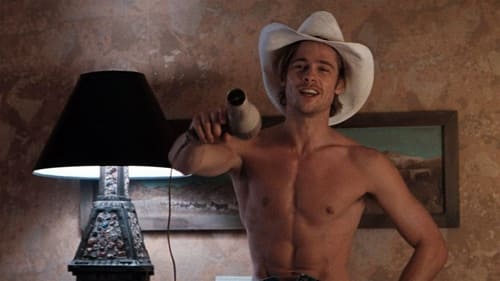
Brad Pitt is a singular actor in Hollywood's glamorous world, breaking through his "playboy image" and embodying American cinema's renewal. At the beginning there was a humble Midwestern aware of being a smokescreen for the illusions of his time, who has managed to keep control of his image to better serve the most talented directors of our time. To name but a few: David Fincher, Quentin Tarantino, the Coen brothers, Terrence Malick, James Gray and soon Damien Chazelle. This documentary dives into the brain of a complex, brilliant and endearing personality, far from the cliché of a world-famous movie icon to discover the hidden side of the most handsome man in the world.