
Drama
Comedy
Action & Adventure
Animation
Documentary
Family
Kids
Mystery
News
Reality
Sci-Fi & Fantasy
Soap
Talk
War & Politics
Western
Found 21 movies, 20 TV shows, and 0 people
Can't find what you're looking for?
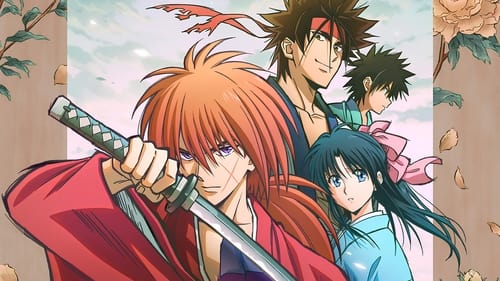
Ten years have passed since the end of Bakumatsu, an era of war that saw the uprising of citizens against the Tokugawa shogunate. The revolutionaries wanted to create a time of peace, and a thriving country free from oppression. The new age of Meiji has come, but peace has not yet been achieved. Swords are banned but people are still murdered in the streets. Orphans of war veterans are left with nowhere to go, while the government seems content to just line their pockets with money.
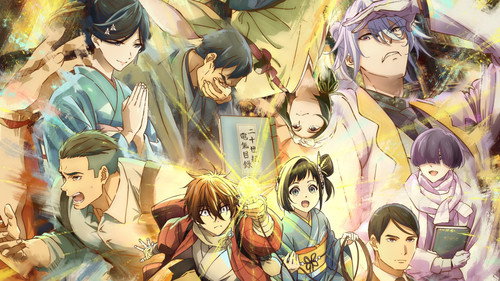
In an alternate past, an unlikely duo team up to look for a missing catalog that could bring electricity to the smoke-filled streets of Kyoto.
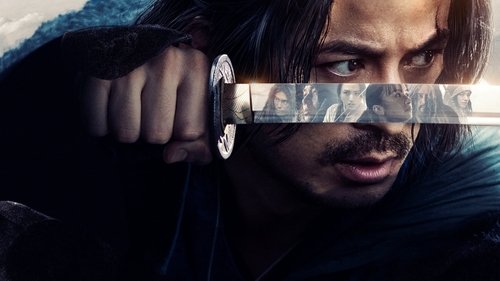
In the early Meiji era, Shujiro, once known as an undefeated samurai, decides to participate in a deadly survival game to save his family and villagers.
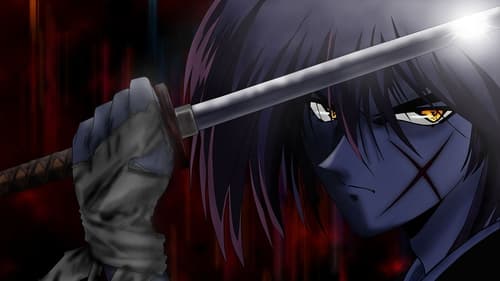
The Meiji Era was one of great renewal for Japan, where swords and killing were outlawed. However, many survivors from the time of Revolution still live, lurking in the shadows and waiting for a chance to use their killing blades again. Only Kenshin Himura, formerly one of the most brutal of killers, hopes to keep his swordsman's honor and still live in the new era.
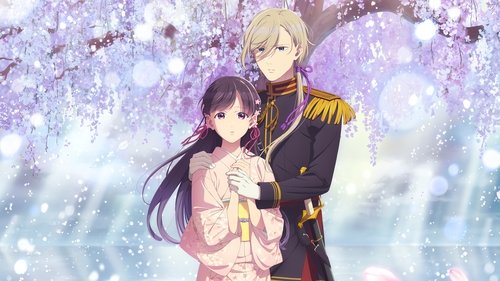
Miyo's abusive family deems her worthless – but together with her powerful husband-to-be, her true self and hidden powers slowly begin to shine.
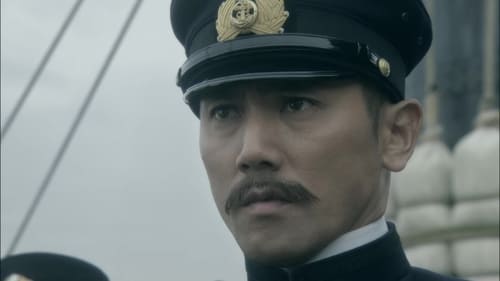
Saka no Ue no Kumo is an NHK 21st Century special drama which was aired over three years starting from November 29, 2009. The series runs 13 episodes at 90 minutes each. The first series, with 5 episodes, was broadcast in 2009, while series two and three, each with 4 episodes, were broadcast in late 2010 and 2011. While most episodes were shot in Japan, one of the episodes in series two was shot in Latvia. The TV series is based on the novel Saka no ue no kumo by Ryōtarō Shiba and adopted by Hisashi Nozawa. The theme song of the drama series is titled "Stand Alone". It was composed by Joe Hisaishi, written by Kundo Koyama and performed by British soprano singer Sarah Brightman.
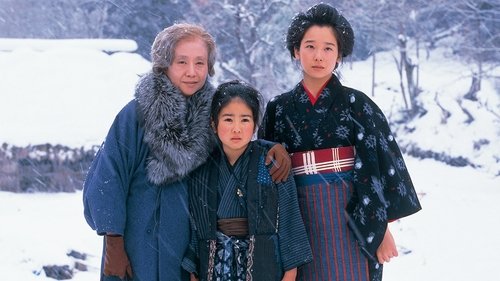
Oshin is a Japanese serialized morning television drama, which aired on broadcaster NHK from April 4, 1983 to March 31, 1984. The series follows the life of Shin Tanokura during the Meiji period up to the early 1980s. Shin was called "Oshin", which is an archaic Japanese cognomen.
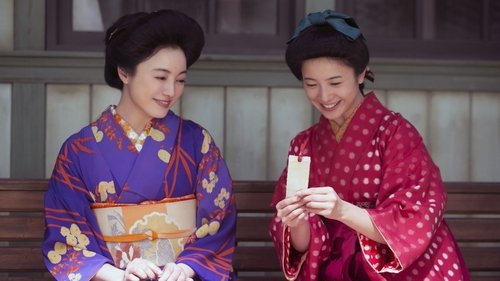
A Japanese girl from a poor family named Hanako went on an adventure to study in a girl's Christian school in Tokyo. She found her passion in English and step by step made her dream come true.
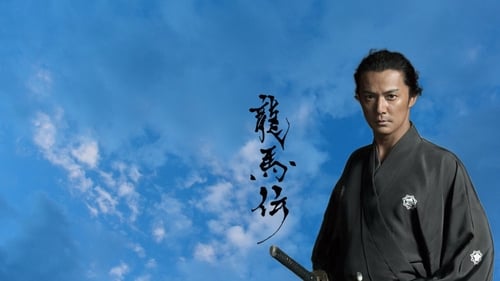
Ryōmaden is the 49th NHK Taiga drama. It was shown on NHK from January 3 to November 28, 2010 spanning 48 episodes. The story centers on the life of 19th-century Japanese historical figures Iwasaki Yatarō and Sakamoto Ryōma. It has been announced that the series will be aired in several other countries, for example Hong Kong, South Korea, Taiwan and Thailand.
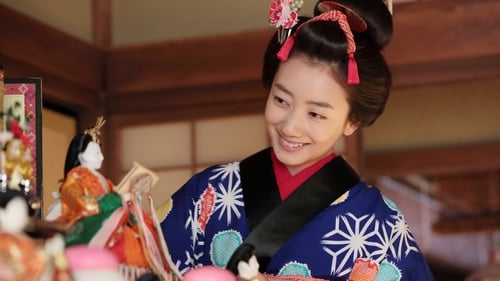
Towards the end of the Edo era, in the town of Kyoto, there lived a wealthy merchant by the name of Imai Tadamasa. He was blessed with 3 children, Hatsu, Asa and Kyutaro. His eldest, Hatsu, was a traditional girl who loved to play the koto and sew. Whilst his second daughter, Asa, was an impish hoyden who loved sumo wrestling. Asa was engaged to be married to the second son of a distinguished family who ran a money changer business in Osaka, Shirooka Shinjiro. Although Asa was furious when she had first heard about the betrothal, when she met up with Shinjiro for the first time, his charisma greatly attracted her and she fell in love with him in no time.

In this world, creatures like vampires and werewolves still walk about, but Aya Rindo can’t say the same for herself. This beautiful disembodied head, carried by her maid Shizuku Hasei, is a detective in search of her stolen body. One evening, they meet half-human Oni Slayer Tsugaru Shunichi, who offers a lending hand. Now, the trio is traveling through Europe, solving mysteries along the way.
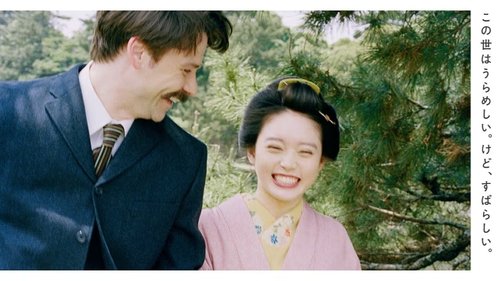
In Meiji-era Matsue, a fallen samurai’s daughter and a lonely foreign teacher connect through ghost stories and an unlikely friendship.
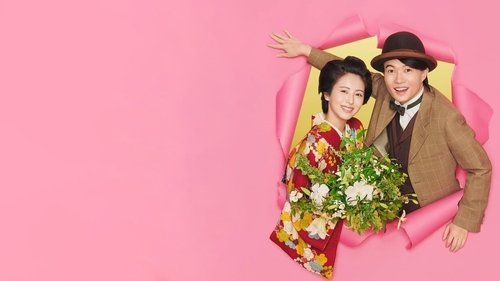
A passionate botanist dedicates his life to his love of plants, overcoming hardship across changing eras with the support of his devoted wife.
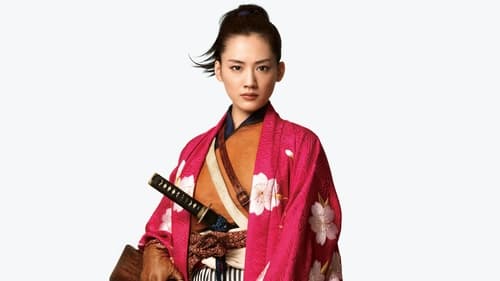
Yae no Sakura is a 2013 Japanese television series. It is the 52nd NHK taiga drama. The story focuses on Niijima Yae, who is portrayed by Haruka Ayase.
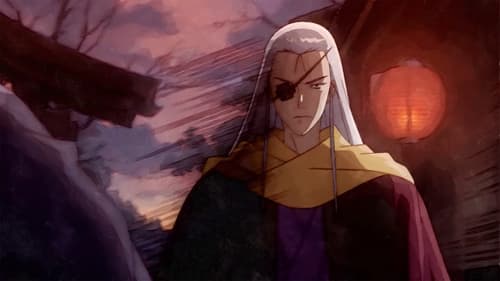
A former samurai, a yakuza bodyguard, a devious spy, and a geisha assassin try to find their place in the rapidly evolving Meiji-era while escaping the sins of their pasts.
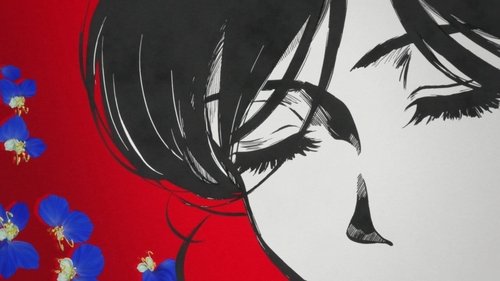
The year is 1931. Prince Tokugawa Yoshinobu holds absolute control over Japan. Remnants of the Meiji era’s culture can be seen around the city, but scientific technology and Japanese esoteric cosmology Onmyodo are also developing. Yet lurking behind the glitz is Kuchinawa, a dissident group planning the assassination of the prince. Tasked to extinguish these dissidents is Nue, the government’s secret executioner group. Sawa Yukimura, who works for this organization, suffered at the hands of the Kuchinawa boss. Her entire family was murdered and she dedicated her life to avenging their death.
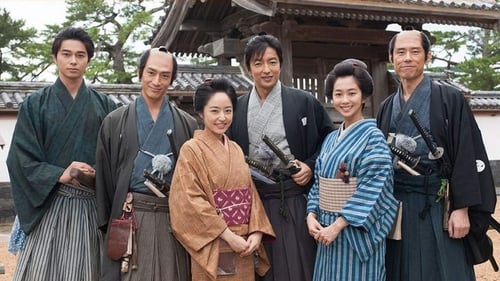
Fumi becomes Genzui Kusaka’s wife. During the turbulent times of the closing days for the Tokugawa shogunate, she lives positively and tries to keep up Shoin Yoshida's will. Shoin Yoshida is her older brother and intellectual.
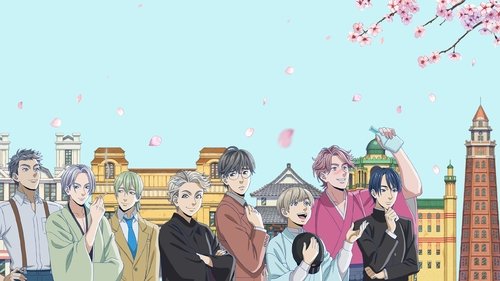
A ghost was seen on the 12th floor of the Asakusa Juunikai building. A newspaper article featuring the sighting brought together Takuboku Ishikawa, who runs a private detective agency and his assistant Kyosuke Kindaichi to solve the case.
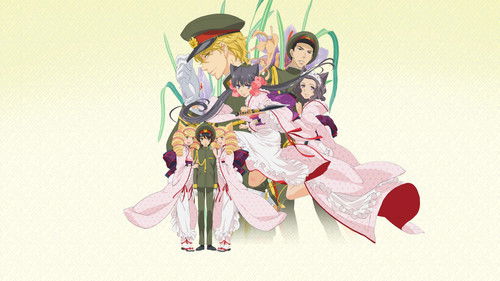
The story takes place during the Westernization Movement in an alternate world where humans and spirits coexist. To solve the problems that arise between the two, human lieutenants are partnered with half-spirit girls to form the Ministry of Spirit Affairs.
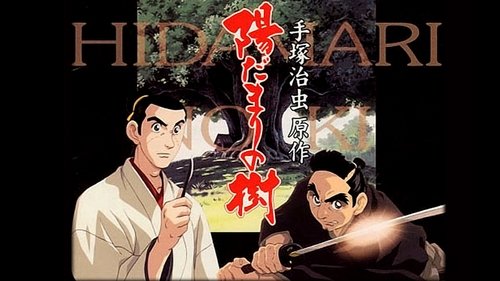
A story set in the mid-1800's about a young doctor who has been trained in Western-style medicine and a young samurai who is trying to live up to the old traditions of his class and culture. The story is actually based upon real people - the doctor, Ryo-an, was Tezuka's great grandfather. The manga series was adapted to anime by Madhouse Studios and premiered in Japan on NTV on April 4, 2000.