
Drama
Comedy
Action & Adventure
Animation
Documentary
Family
Kids
Mystery
News
Reality
Sci-Fi & Fantasy
Soap
Talk
War & Politics
Western
Found 35 movies, 12 TV shows, and 0 people
Can't find what you're looking for?
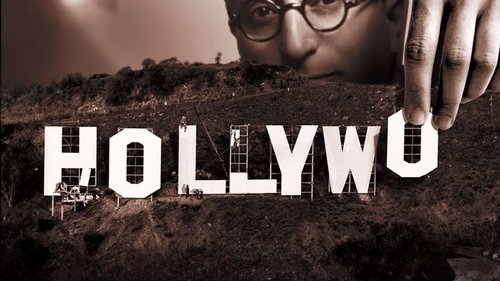
Each installment focuses on a different era of American movie history, from the invention of the first moving pictures to the revolutionary, cutting-edge films of the 1960s.
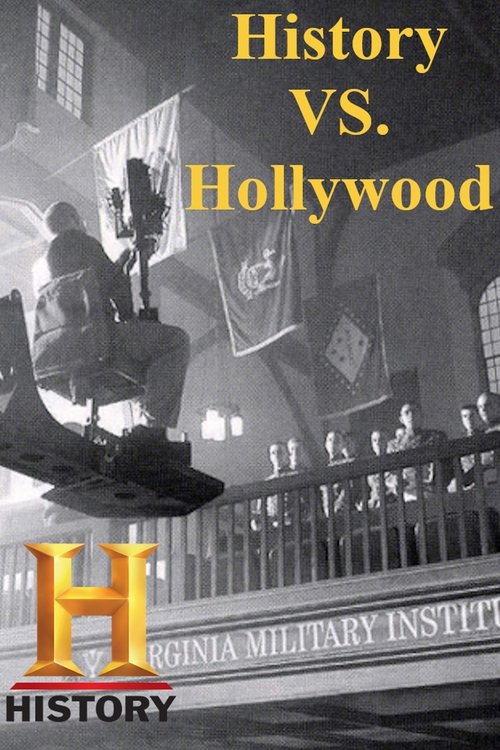
History vs. Hollywood is a television show on the History Channel in the United States. On the show, experts are interviewed on the historical accuracy of a film that is based on a historical event. For example the movie The Last Samurai was featured in one episode in which military historian Geoffrey Wawro, professor of history at the University of North Texas, and director of the university's Barsanti center for military-history, compared the movie with the actual events. On the show the expert guests discuss the factual accuracy of the film as well as the everyday objects that a person of the particular time period would have seen. In some episodes an expert or the host will go on a journey to the actual historical sites depicted in the film, or interview someone who witnessed the event firsthand. In each of the more than dozen episodes both expert guests and filmmakers will discuss the historical accuracy of the film dramatized. The series was first released in 1999, and had been produced on a semi-regular basis continuing through at least 2005. The program was conceived and created by producer Steven Jack who also directed a majority of the episodes. Although the hour long programs were made for television most episodes were shot on 35mm film which heightened its authentic looking recreations and aided in earning critical praise for its efforts to both entertain and educate.
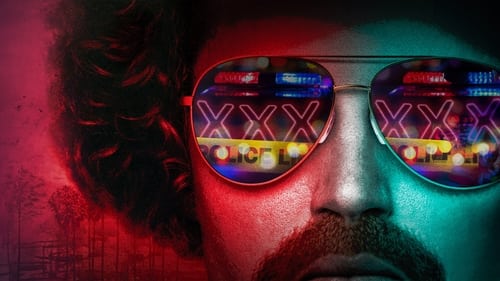
Michael Connelly takes viewers on a wild journey into the twisted story of the massacre at Wonderland Avenue on July 1, 1981 – one of Hollywood's most famous murder cases that has fascinated people for more than 40 years.

Follows the horrific event that has captivated the public's attention for almost 50 years, as well as a more comprehensive narrative about Los Angeles, the American dream, and the situations in which justice might or not be effective.

Ed Asner tells the story of RKO Pictures from the 1920s to the 1960s.
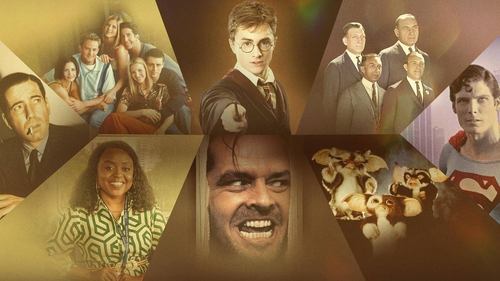
Tracing a century of movie and TV history, these four documentary specials explore the unparalleled global impact of Warner Bros. on art, commerce, and culture.
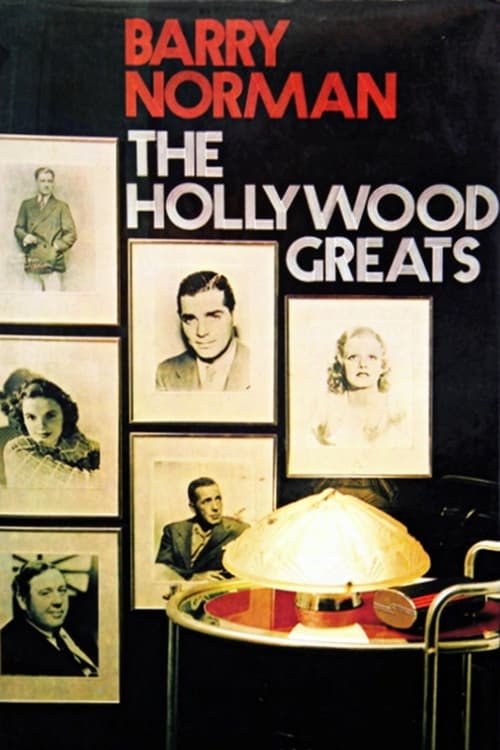
Hollywood Greats was a BBC Television series, which began in 1977. The film critic Barry Norman wrote and narrated a series of in depth profiles on major Hollywood film personalities, in which he interviewed surviving associates. He later made a series called British Greats in 1980. A series of books, entitled The Hollywood Greats, The Movie Greats and The British Greats, which were authored by Norman were subsequently published. A series of the same name was later presented by Jonathan Ross from 1999 to 2006.

A unique portrait of how art and activism for black people in film are indivisible from race and cinema.
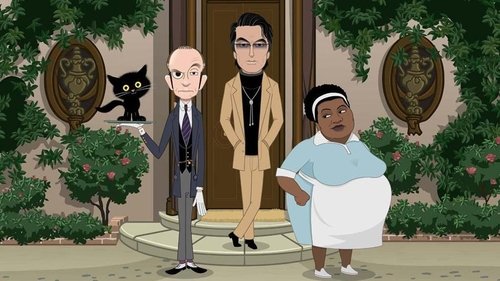
Kid Notorious is an animated television series that aired for nine weeks on Comedy Central and is currently running on the UK version of Adult Swim. It starred Hollywood film producer Robert Evans as himself. Episode plots were often bizarre and absurdist in nature, featuring Evans as a James Bond type character. Guns N' Roses guitarist Slash also appeared on the show as himself. The show was directed by Pete Michels.

A deep dive into Elizabeth Taylor's craft and technique as an actor – one who mesmerized cinemagoers, but also changed the relationship between audiences and stars – while going on to spotlight her work becoming a billion-dollar businesswoman, activist and advocate.

The epic story of the actors, writers, directors, and producers who fought for their place on the page, behind the camera and on the screen. From blackface to Black Panther, this series is a definitive chronicle of more than a century of the black experience in Hollywood and a powerful reexamination of a quintessentially American story – in brilliant color.
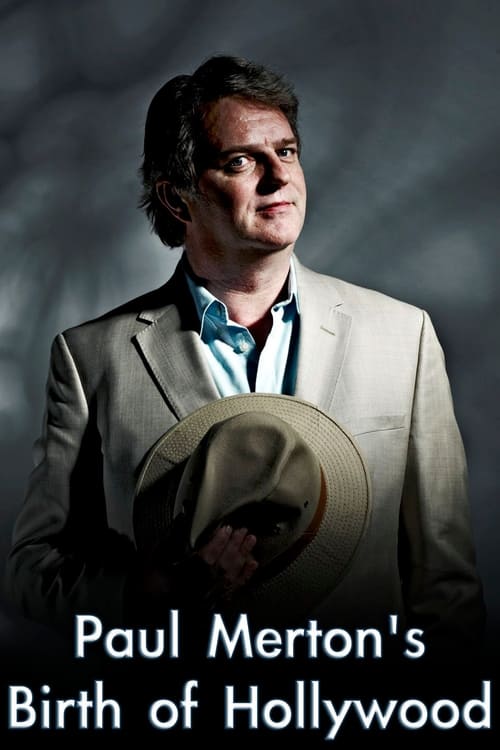
Paul Merton's Birth of Hollywood is a 2011 BBC documentary series written, directed and presented by Paul Merton. The three-part series traces the rise of the American film-making industry in Hollywood through from the early years of film-making to the foundation of the major motion-picture studios and the new class of the film star.