Action
Adventure
Animation
Comedy
Crime
Documentary
Drama
Family
Fantasy
History
Horror
Music
Mystery
Romance
Science Fiction
Thriller
War
Western

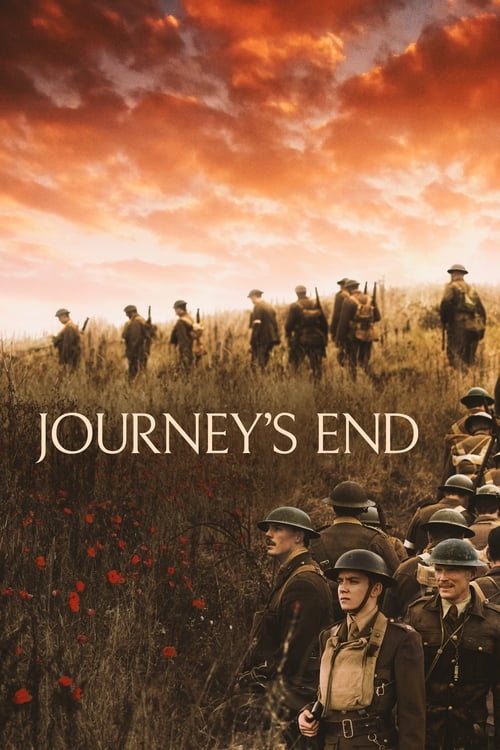
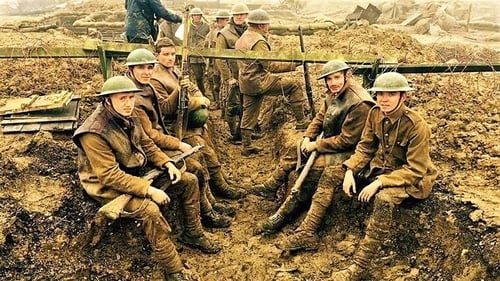
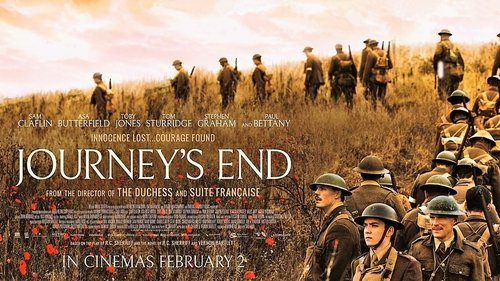
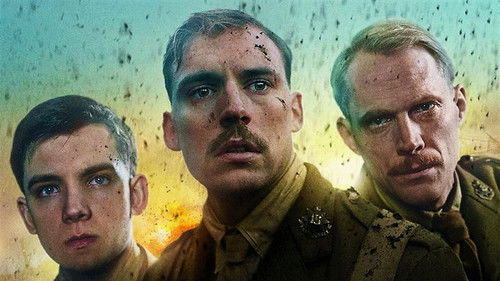
Set in a dugout in Aisne in 1918, a group of British officers, led by the mentally disintegrating young officer Stanhope, variously await their fate.
Director: Saul Dibb
Writers: Simon Reade
Enjoying the content? Support us!
Enjoying the content? Support us!





Peter McGinn
I wouldn’t have thought it was possible to make a movie that takes place mostly in a World War I trench and dugout could hold my attention as well as Journey’s End did. Except perhaps for the excesses...

Vera is a troubled teenager fresh out of school feeling trapped in her provincial port town during the turbulent times of perestroika. Her days and nights are filled with drinking, sex, and family dysfunction.
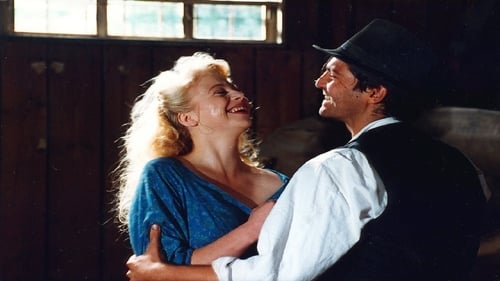
On the Schiermoser farm tense expectation prevails. The 'Urban', the Schaubleins, surprisingly announced their arrival. In the past, they were welcome as generous summer visitors. But now the shortage years of the First World War prevail. And the farmer's wife suspects lazy parasites in the townsfolk. The city family is indeed facing ruin. Especially since the defiant daughter Rosalie has just knocked out a promising money marriage without regard to scandal. The Rosalie is attracted to the Schiermoser heir Franz. His mother already drives the thought of a 'Madame Bäurin' to madness. Everyone experiences a turbulent time of upheaval. The end of the First World War will shake the social fronts as well as the new machine age.
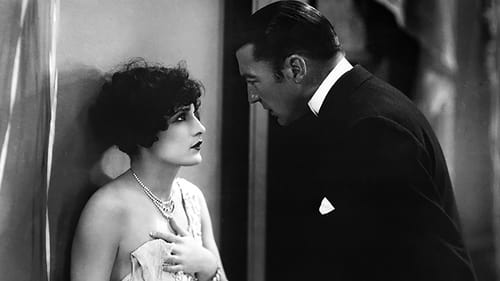
Boisterous gangster kingpin Bull Weed rehabilitates his former lawyer from his alcoholic haze, but complications arise when he falls for Weed's girlfriend.

A flapper who's secretly a good girl and a gold-digging floozy masquerading as an ingénue both vie for the hand of a millionaire.

Childhood friends Diana, Neville and David are caught in a love triangle as adults. Diana and Neville have long been smitten with each other, but her father disapproves of the relationship, resulting in her eventual marriage to David. It's not long after their wedding, however, that tragedy strikes, sending Diana on a downward spiral. When Neville reappears in her life, will he be able to save her from her own misery?
Subscribe for exclusive insights on movies, TV shows, and games! Get top picks, fascinating facts, in-depth analysis, and more delivered straight to your inbox.