Action
Adventure
Animation
Comedy
Crime
Documentary
Drama
Family
Fantasy
History
Horror
Music
Mystery
Romance
Science Fiction
Thriller
War
Western
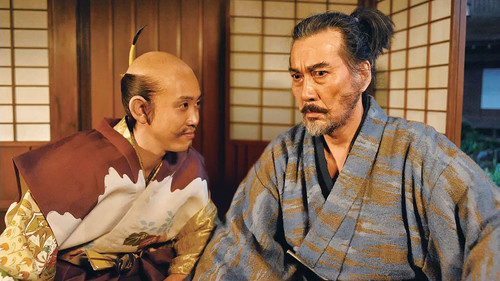
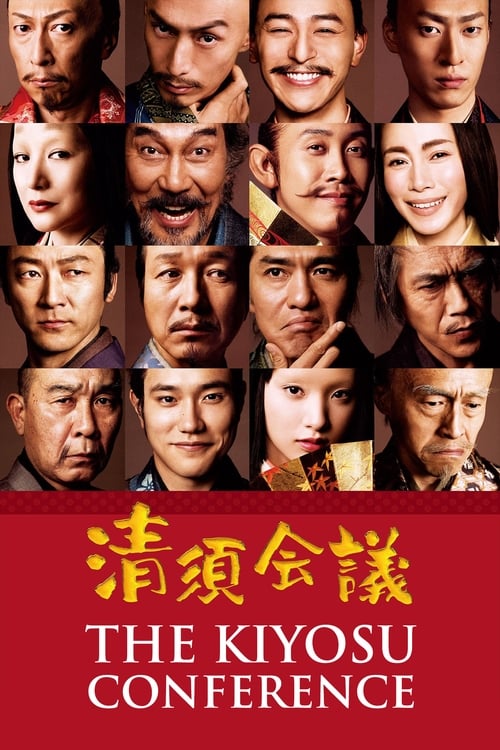
After the forced suicide of Nobunaga Oda at the Incident at Honnō-ji, powerful figures Katsuie Shibata, Hideyoshi Toyotomi, Nagahide Niwa and Tsuneoki Ikeda meet to decide on a successor. The conference would become Japan's first group made political decision. The meeting was known as the Kiyosu Kaigi.
Director: Koki Mitani
Writers: Koki Mitani
Enjoying the content? Support us!

Enjoying the content? Support us!
No Provider Available
Check back later for streaming options
No Reviews Available
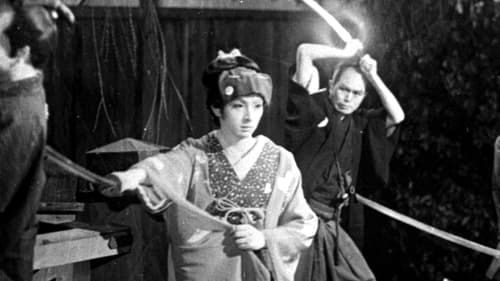
The second part of an entertaining historical drama depicting the eventful story of the revenge of an actor with a strange fate, with a variety of characters and exciting developments.
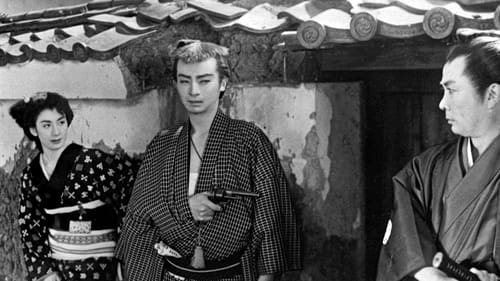
The final, third part of an entertaining historical drama depicting the eventful story of the revenge of an actor with a strange fate, with a variety of characters and exciting developments.
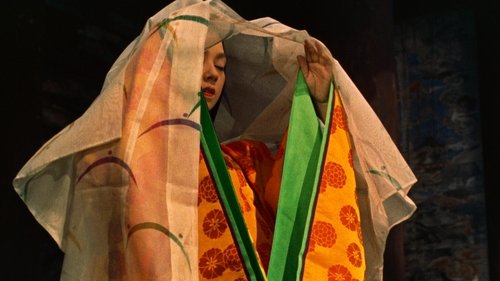
Japan, 1159. Moritō, a brave samurai, performs a heroic act by rescuing the lovely Kesa during a violent uprising. Moritō falls in love with her, but becomes distraught when he finds out that she is married.
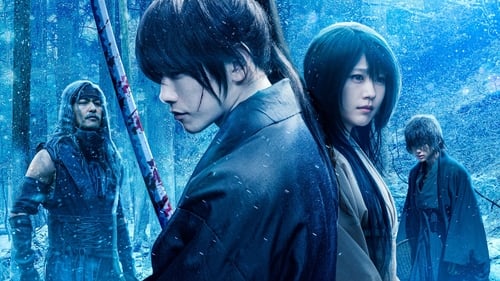
Before he was a protector, Kenshin was a fearsome assassin known as Battosai. But when he meets gentle Tomoe Yukishiro, a beautiful young woman who carries a huge burden in her heart, his life will change forever.

A follow up to the 2009 sketch comedy referencing urban legends from the Ceausescu regime, the film is expected to expand to accommodate stories from different ex-communist Eastern European countries, including Poland.
Subscribe for exclusive insights on movies, TV shows, and games! Get top picks, fascinating facts, in-depth analysis, and more delivered straight to your inbox.