Action
Adventure
Animation
Comedy
Crime
Documentary
Drama
Family
Fantasy
History
Horror
Music
Mystery
Romance
Science Fiction
Thriller
War
Western

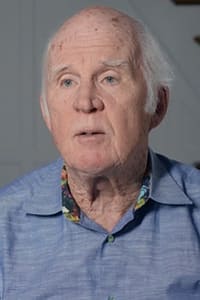
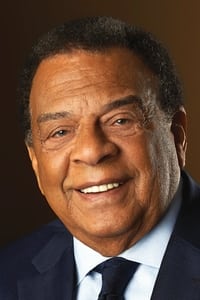
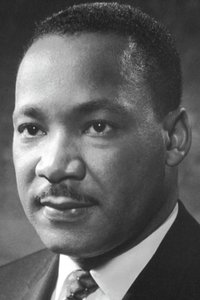
Documentary about the final five, turbulent years in the life of civil rights activist Martin Luther King. The story begins at the Lincoln Memorial in August 1963, when a 34-year-old preacher galvanized millions with his dream for an America free of racism and comes to a bloody end five years later on a motel balcony in Memphis. King has since become a mythic figure, an activist whose works and image are more hotly contested, negotiated and sold than almost anyone else's in American history. (Storyville)
Director: Orlando Bagwell, Noland Walker
Writers: Orlando Bagwell, Noland Walker
Enjoying the content? Support us!
Enjoying the content? Support us!
No Provider Available
Check back later for streaming options
No screenshots available
No Reviews Available
No description available for this movie.
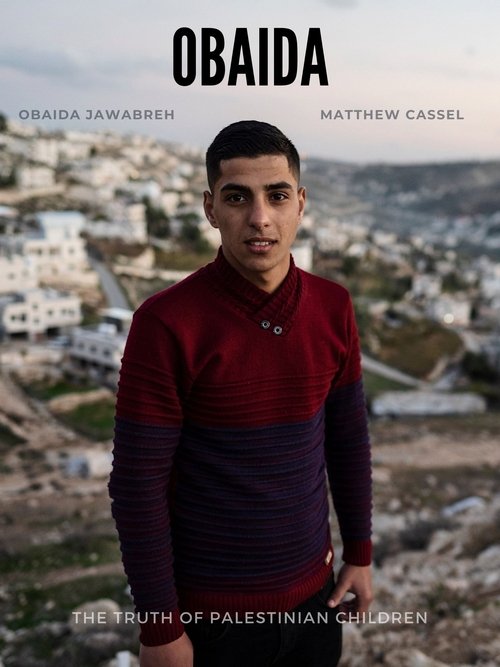
OBAIDA, a short film by Matthew Cassel, explores a Palestinian child’s experience of Israeli military arrest. Each year, some 700 Palestinian children undergo military detention in a system where ill-treatment is widespread and institutionalized. For these young detainees, few rights are guaranteed, even on paper. After release, the experience of detention continues to shape and mark former child prisoners’ path forward.
Follows the young people of Selma, Alabama's RATCo (Random Acts of Theatre Company) as they journey to New York City to share their story of hope, resilience, and overcoming.
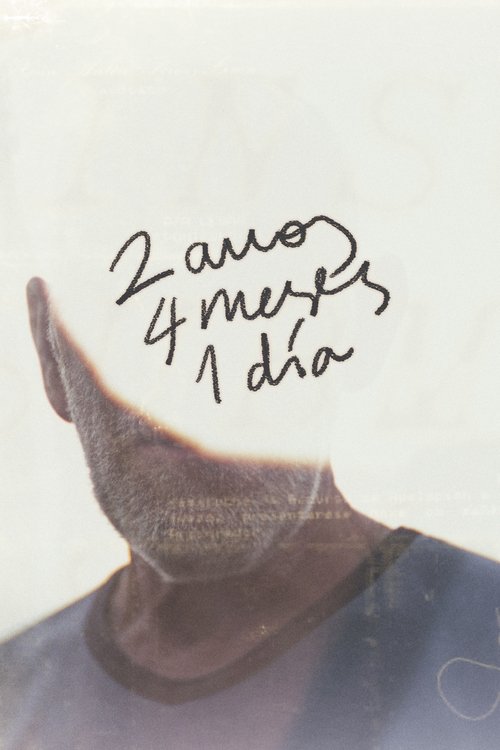
With no choice, César faced leaving his family behind, quitting his job and joining the Army. In an unprecedented chain of events he became the first conscientious objector in Galicia (Spain) to be put in prison. Now, nearly thirty years later, Two Years, Four Months, A Day takes a look at what made him do it.
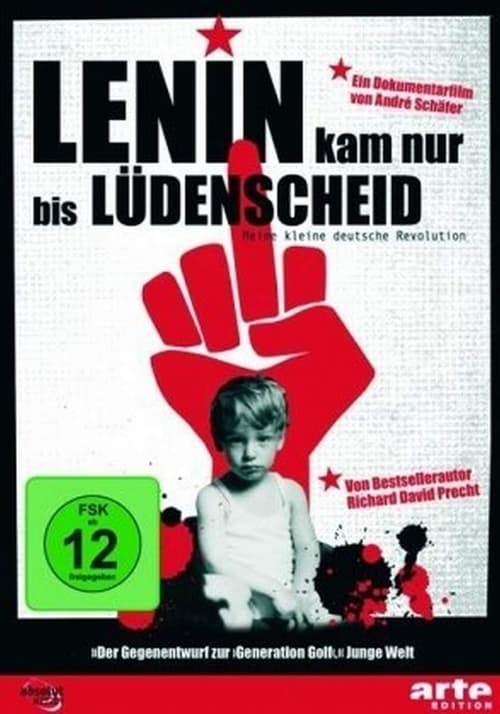
The free, almost naive view from the perspective of a child puts the "68ers" in a new, illuminating light in the anniversary year 2008. The film is a provocative reckoning with the ideological upbringing that seemed so progressive and yet was suffocated by the children's desire to finally grow up. With an ironic eye and a feuilletonistic style, author Richard David Precht and Cologne documentary film director André Schäfer trace a childhood in the West German provinces - and place the major events of those years in completely different, smaller and very private contexts.
Subscribe for exclusive insights on movies, TV shows, and games! Get top picks, fascinating facts, in-depth analysis, and more delivered straight to your inbox.