
Action
Adventure
Animation
Comedy
Crime
Documentary
Drama
Family
Fantasy
History
Horror
Music
Mystery
Romance
Science Fiction
Thriller
War
Western
Found 40 movies, 20 TV shows, and 0 people
Can't find what you're looking for?
Report on the nature of "Black Power," and how it can be effectively used. Interviews with Martin Luther King, SNCC head Stokely Carmichael, Floyd McKissick of CORE, and Charles Evers. Reporter is Sander Vanocur.

With the original intention of empowering a citizenry's ability to defend themselves against a corrupt or tyrannical government, the concept today may seem farfetched or the makings of a Hollywood blockbuster. However, it has happened throughout U.S. history. And long before gun control was positioned as a "common sense measure" to combat violence, it was used as a means to oppress certain minority groups. Presently, the growing trend in gun control favors the wealthy and privileged, who leverage their connections to ensure their Second Amendment rights and safety, while those of lesser means struggle. Informative and emotionally charged, "Assaulted: Civil Rights Under Fire" is an eye-opening look at the genesis of the Second Amendment to the Constitution, leading the audience to rethink the issues surrounding gun control, and the effect on civil rights and liberty. After all, what you don't know can kill you.
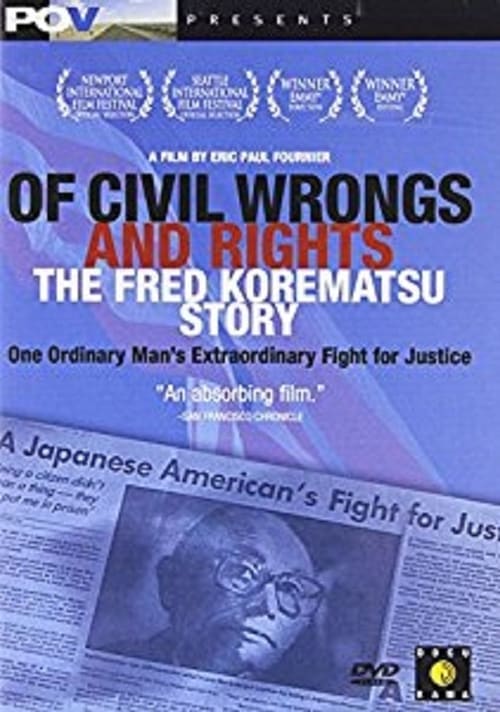
Eric Paul Fournier's Emmy Award-winning film chronicles the remarkable life of Japanese-American Fred Korematsu, who was stripped of his rights and sent to an internment camp in 1942. For the next 39 years, Korematsu -- an ordinary shipyard worker -- fought against Executive Order 9066. Taking his relentless quest for civil rights all the way to the Supreme Court, he was eventually awarded the Presidential Medal of Freedom in 1998.

For six years, a group of kids went into restaurants and asked for service. It never got violent, it never made national news, but these kids desegregated every restaurant in Oklahoma City except one before the 1964 Civil Rights Act was made into law. Children of the Civil Rights, a documentary film, shares their six year odyssey to freedom. This is a story about the strength of youth.
In this motion picture film, Harry Belafonte, Marlon Brando, Charlton Heston, Sidney Poitier, Joseph Mankiewicz, James Baldwin and David Schoenbrun discuss the Civil Rights March on Washington, August 28, 1963.
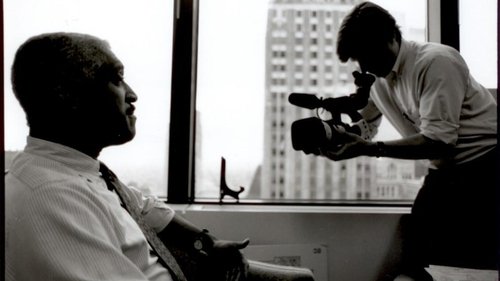
The real life story of the events surrounding the fight for and against public housing and racial integration in Yonkers, New York in the 1980s as portrayed in the HBO miniseries Show Me a Hero.
Witness the amazing, courageous stories of Emmett Till, Medgar Evers, The Birmingham Four, Viola Liuzzo and more. The story of the Civil Rights movement in the United States is usually told through the acts of such charismatic leaders as Martin Luther King Jr., but often the struggle played out in the small acts of peaceful defiance performed by individuals. Hear the stories of those heroic people who helped stir a nation and forge a new path.
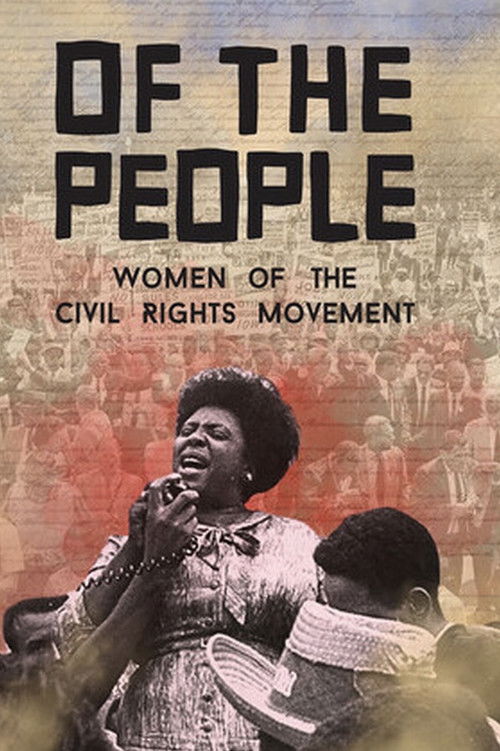
Of The People: The Women Of The Civil Rights Movement shines a light on the often-overlooked women whose courage and leadership shaped one of the most transformative eras in American history. While names like Martin Luther King Jr. and Malcolm X dominate popular narratives, this work centers the voices and stories of women who organized, strategized, and sacrificed to dismantle segregation and secure voting rights. From grassroots activists to national leaders, these women such as Ella Baker, Fannie Lou Hamer, Septima Clark, and Dorothy Height fought not only against racial injustice but also gender discrimination within the movement itself.
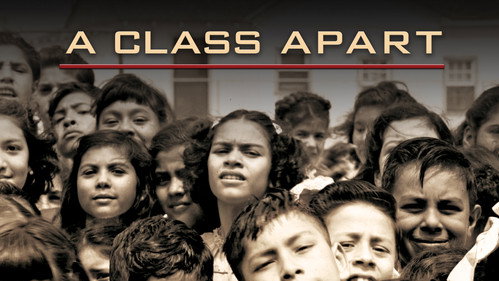
Built around the landmark 1954 legal case Hernandez v. Texas, the film interweaves the stories of its central characters with a broader story of the civil rights movement. It also brings to life the heroic post-World War II struggle of Mexican Americans fighting to dismantle the discrimination targeted against them.
Through the personal stories of several former black female Civil Rights activists, Reflections Unheard: Black Women in Civil Rights unearths the lesser-known story of black women's political marginalization between the male-dominated Black Power movement, and the predominantly white and middle class Feminist movement during the 1960s and 70s, as well as the resulting mobilization of black and other women of color into a united Feminist movement.
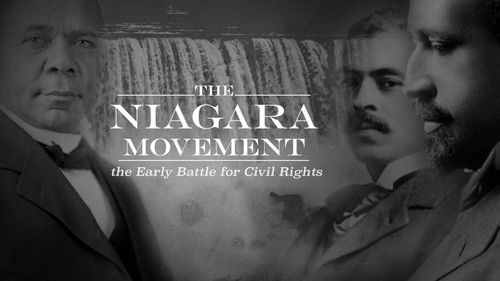
An examination of the heated debate and conflict between W.E.B DuBois and William Monroe Trotter with Booker T. Washington on how to best uplift the race and secure equality for their community, which led to the Niagara Movement, a short-lived movement that laid the cornerstone of the civil rights movement.
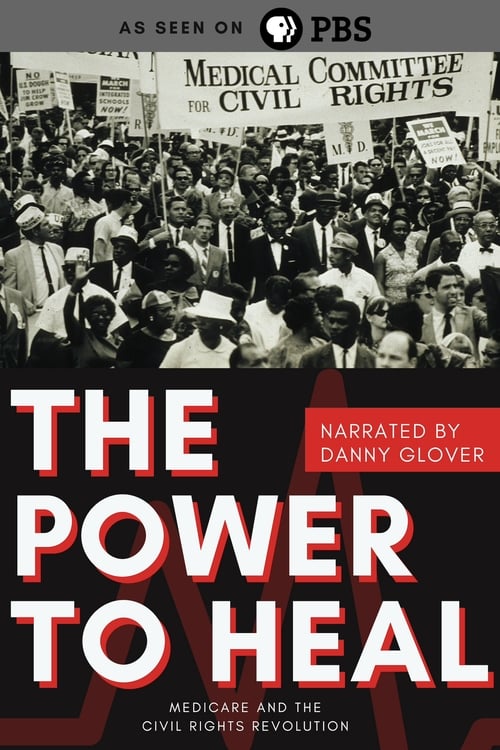
Tells the poignant chapter in the historic struggle to secure equal and adequate access to healthcare for all Americans. Central to the story is the tale of how a new national program, Medicare, was used to mount a dramatic, coordinated effort that desegregated thousands of hospitals across the country in a matter of months.
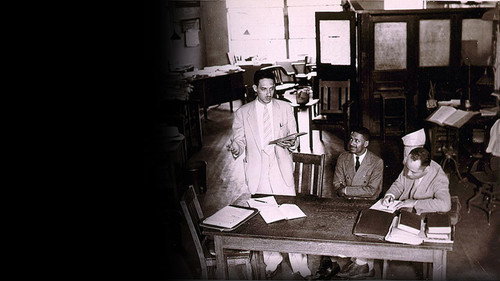
Civil rights attorney Thurgood Marshall's triumph in the 1954 Brown v. Board of Education Supreme Court decision to desegregate America's public schools completed the final leg of a journey of over 20 years laying the groundwork to end legal segregation. He won more Supreme Court cases than any lawyer in American history, making the work of civil rights pioneers like the Rev. Martin Luther King, Jr. and Rosa Parks possible.
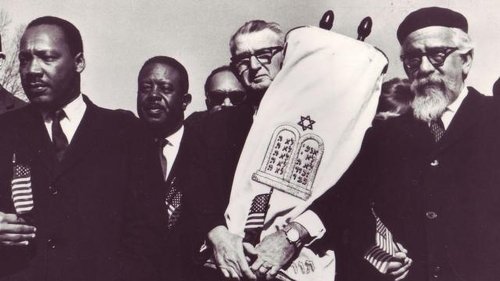
The historical ties between Black and Jewish Americans began long before the Civil Rights era. Shared Legacies explores this significant alliance, sharing eyewitness accounts, interviews with civil rights leaders, including the late U.S. Representative John Lewis, and a treasure trove of archival footage. The film is a tribute to the pursuit of what Dr. King called a "coalition of conscience" and a celebration of partnership, as well as an urgent call to action for today.
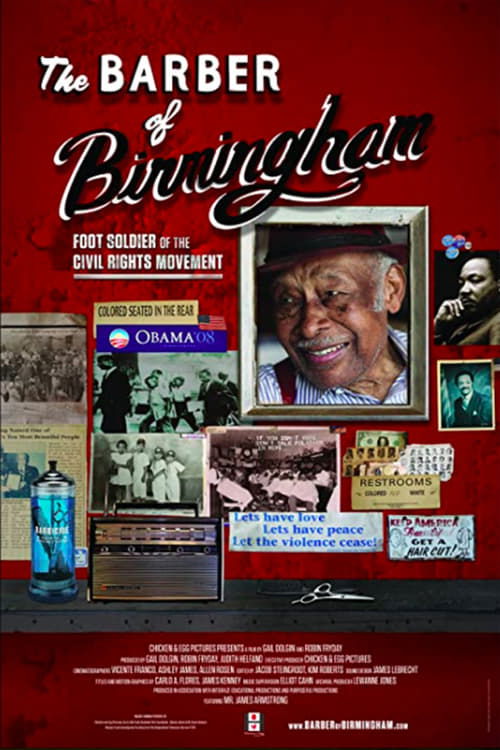
The film features 85-year-old Mr. Armstrong, an African American barber in Birmingham, Alabama, as he experiences the manifestation of an unimaginable dream: the election of the first African American president. This colorful and courageous activist of the Civil Rights era casts his vote, celebrates Obama's victory and proudly unfurls the American flag as he is inducted into the Foot Soldiers Hall of Fame. Mr. Armstrong links the magnitude of the present paradigm shift with challenges he faced in the past: from his sons' integration into an all white school to the Bloody Sunday march for voting rights. The documentary raises questions about democracy and patriotism in the face of adversity, and the vigilance and action required to ensure continued forward movement to end racial injustice.
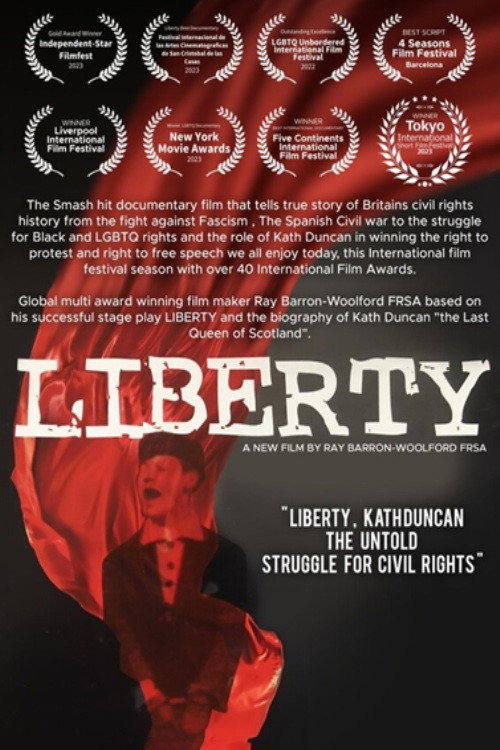
A Documentary film about the life and activism of LGBTQ Scot Kath Duncan The most important Uk Civil rights leader past 100 years but almost forgotten in time until my Highly acclaimed stage play #liberty and my biography of Kath The Last Queen Of Scotland stage play Liberty.
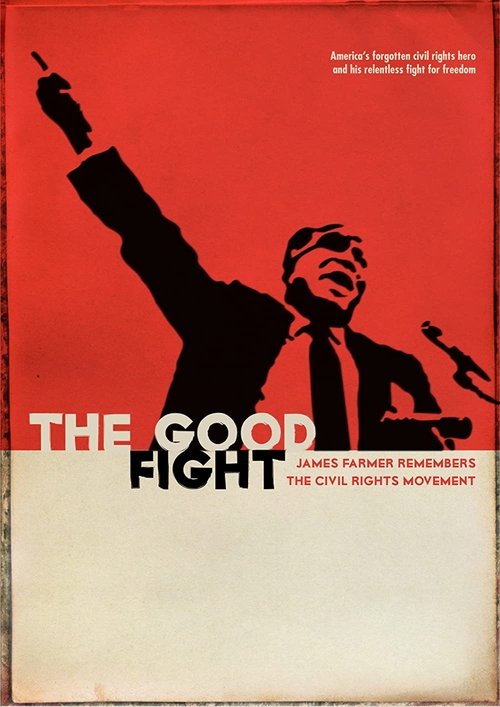
When he rolled into the Jim Crow South on a Greyhound bus - a black man sitting in the whites-only front seat - James Farmer was scared. "Courage is not being unafraid, but doing what needs to be done in spite of fear," said the founder of the Freedom Rides and pioneer of the earliest sit-ins. A relentless leader, a dynamic speaker, and a forceful organizer, Farmer was one of the first civil rights activists to use nonviolent direct action to fight for dignity and justice. Yet at what cost? His own family suffered from his frequent absences, prison stays, and threats made on his life. And, he was continually disappointed in his lack of recognition, especially after witnessing the momentous legacy of Martin Luther King, a man ten years his junior. The Good Fight chronicles Farmer's life, in his own words, from his earliest days as a "Great Debater" at Wiley College to his legacy teaching a new generation of students about the movement that shaped a country. —Laura Neitzel
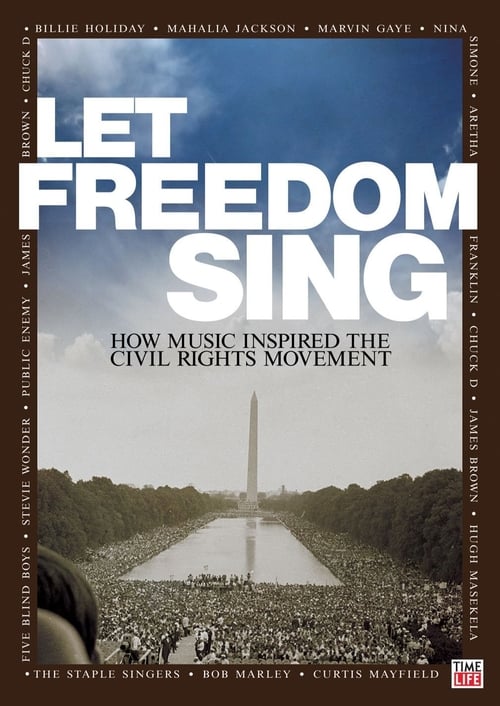
From the Civil Rights era to Watergate, the most striking moments in 20th-century American history were accompanied by music that reflected those turbulent times. Revisit the sounds of Pete Seeger and others in this musical history lesson.
A portrait of social activist and former Georgia legislator Julian Bond
PBS doc series about the Chicano Civil Rights Movement.
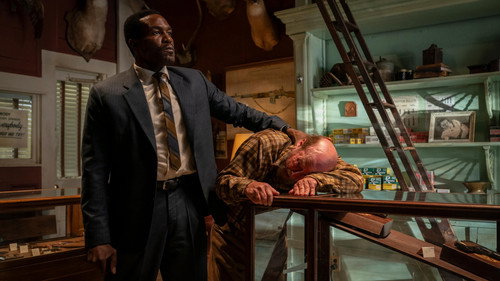
In 1960s Mississippi, a young Black FBI agent is forced to partner with a notorious mafia hitman to investigate a wave of brutal civil rights murders.
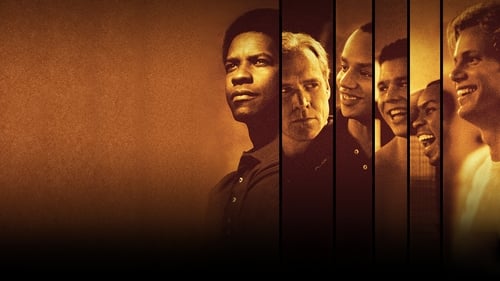
After leading his football team to 15 winning seasons, coach Bill Yoast is demoted and replaced by Herman Boone – tough, opinionated and as different from the beloved Yoast as he could be. The two men learn to overcome their differences and turn a group of hostile young men into champions.
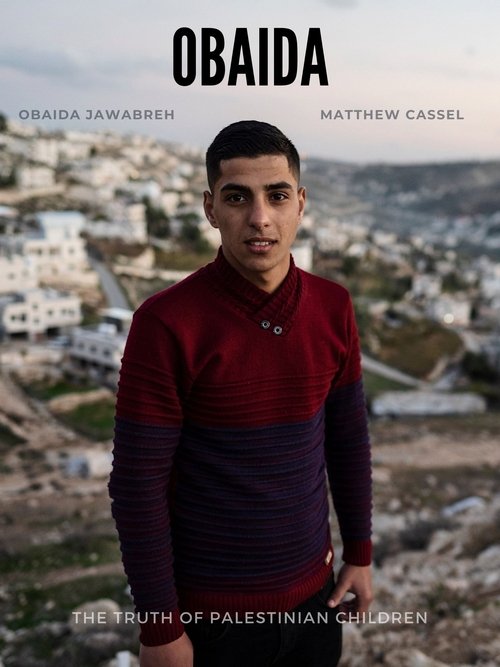
OBAIDA, a short film by Matthew Cassel, explores a Palestinian child’s experience of Israeli military arrest. Each year, some 700 Palestinian children undergo military detention in a system where ill-treatment is widespread and institutionalized. For these young detainees, few rights are guaranteed, even on paper. After release, the experience of detention continues to shape and mark former child prisoners’ path forward.
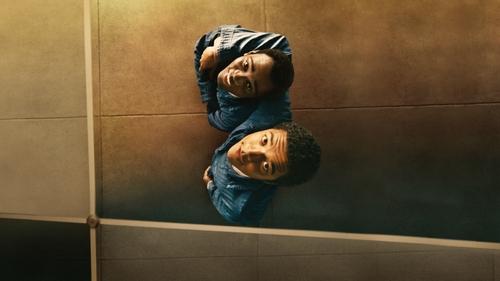
Chronicles the powerful friendship between two young Black teenagers navigating the harrowing trials of reform school together in Florida.

A tribute to the controversial black activist and leader of the struggle for black liberation. He hit bottom during his imprisonment in the '50s, he became a Black Muslim and then a leader in the Nation of Islam. His assassination in 1965 left a legacy of self-determination and racial pride.
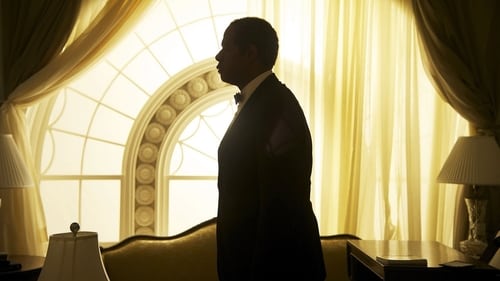
Cecil Gaines was a sharecropper's son who grew up in the 1920s as a domestic servant for the white family who casually destroyed his. Eventually striking out on his own, Cecil becomes a hotel valet of such efficiency and discreteness in the 1950s that he becomes a butler in the White House itself. There, Cecil would serve numerous US Presidents over the decades as a passive witness of history with the American Civil Rights Movement gaining momentum even as his family has troubles of its own. As his wife, Gloria, struggles with alcoholism and his defiant eldest son, Louis, strives for a just world, Cecil must decide whether he should take action in his own way.
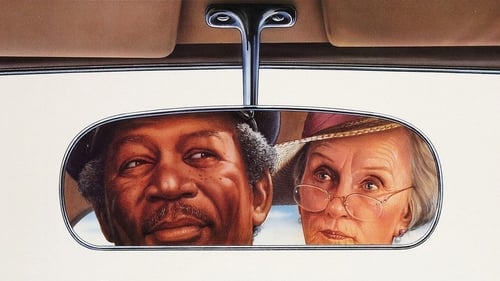
The story of an old Jewish widow named Daisy Werthan and her relationship with her black chauffeur, Hoke. From an initial mere work relationship grew in 25 years a strong friendship between the two very different characters, in a time when those types of relationships were shunned.
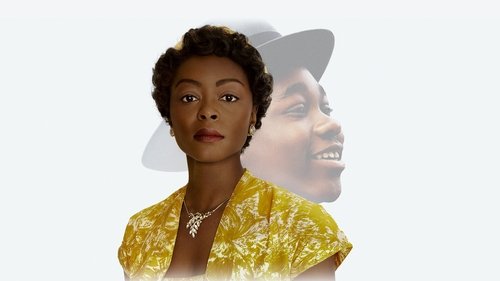
The true story of Mamie Till Mobley's relentless pursuit of justice for her 14-year-old son, Emmett Till, who, in 1955, was lynched while visiting his cousins in Mississippi.
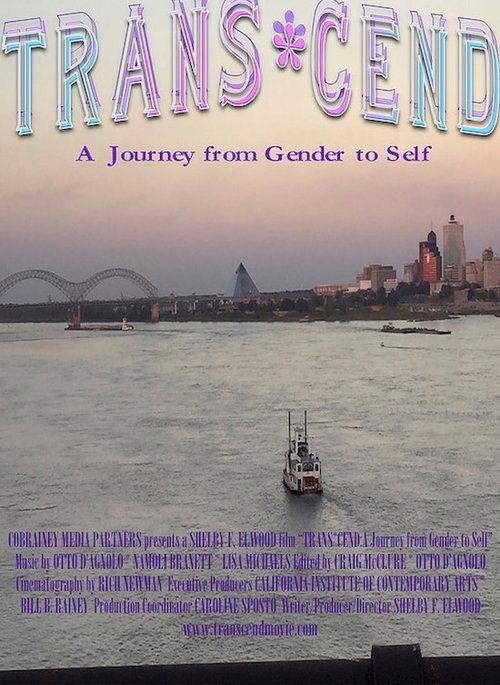
In January of 2016, a dozen members of the Memphis transgender community began meeting for a weekly story circle facilitated by Elaine Blanchard. The program, based on the format of her award winning Prison Stories series, was a time for sharing, healing and enlightenment. Thanks to the generosity of The California Institute for the Contemporary Arts, filmmaker Shelby Fuller Elwood documented their journey. All people have a story to tell, and all people long to be heard, respected and valued for who they are, and what they have experienced in life.
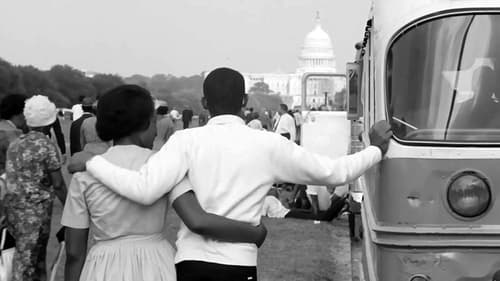
The March, also known as The March to Washington, is a 1964 documentary film by James Blue about the 1963 civil rights March on Washington. It was made for the Motion Picture Service unit of the United States Information Agency for use outside the United States – the 1948 Smith-Mundt Act prevented USIA films from being shown domestically without a special act of Congress. In 1990 Congress authorized these films to be shown in the U.S. twelve years after their initial release. In 2008, the film was selected for preservation in the United States National Film Registry by the Library of Congress as being "culturally, historically, or aesthetically significant". (Wikipedia)
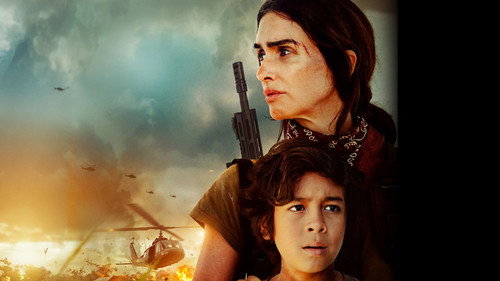
A boy seeks revenge after surviving El Mozote massacre in El Salvador, where government forces killed his family and destroyed his village - the deadliest civilian massacre in modern Latin America.
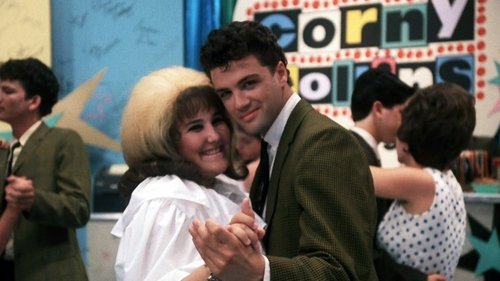
'Pleasantly plump' teenager Tracy Turnblad achieves her dream of becoming a regular on the Corny Collins Dance Show. Now a teen hero, she starts using her fame to speak out for the causes she believes in, most of all integration. In doing so, she earns the wrath of the show's former star, Amber Von Tussle, as well as Amber's manipulative, pro-segregation parents. The rivalry comes to a head as Amber and Tracy vie for the title of Miss Auto Show 1963.
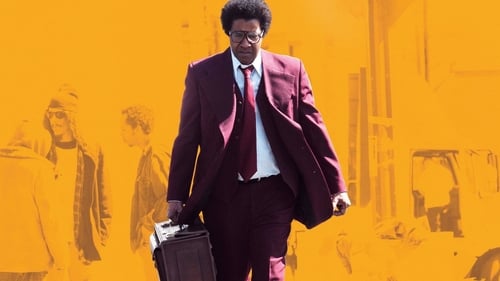
Hard-nosed liberal lawyer Roman J. Israel has been fighting the good fight forever while others take the credit. When his partner – the firm's frontman – has a heart attack, Israel suddenly takes on that role. He soon discovers some unsettling truths about the firm – truths that conflict with his values of helping the poor and dispossessed – and finds himself in an existential crisis that leads to extreme actions.
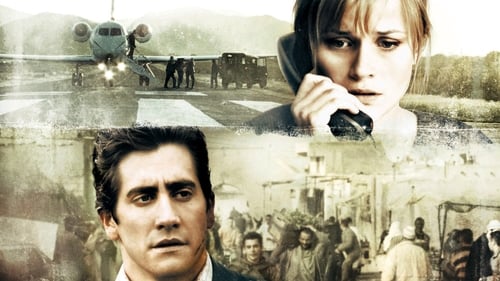
When an Egyptian terrorism suspect "disappears" on a flight from Africa to Washington DC, his American wife and a CIA analyst find themselves caught up in a struggle to secure his release from a secret detention facility somewhere outside the US.
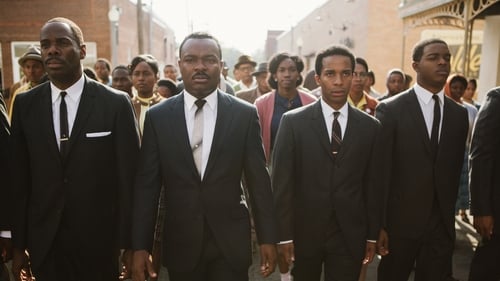
"Selma," as in Alabama, the place where segregation in the South was at its worst, leading to a march that ended in violence, forcing a famous statement by President Lyndon B. Johnson that ultimately led to the signing of the Voting Rights Act.
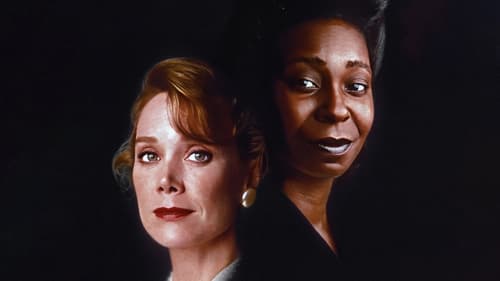
Two women, black and white, in 1955 Montgomery Alabama, must decide what they are going to do in response to the famous bus boycott led by Martin Luther King.
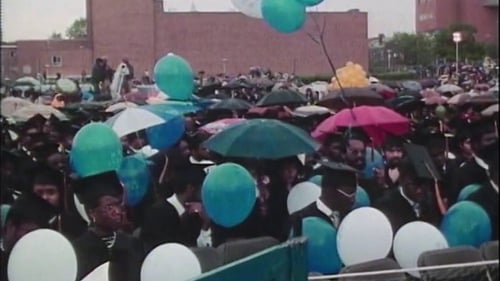
The film questions whether the Civil Rights Movement of the 1960s effectively changed the Black community, and American society more widely, and examines the notion of Black power itself. Greaves interviewed major Black leaders, such as Franklin Thomas, Clifton Wharton Jr., Eleanor Holmes Norton, and Lerone Bennett Jr. to present a candid take on issues within the African American community, revealing wider societal problems in America at large.
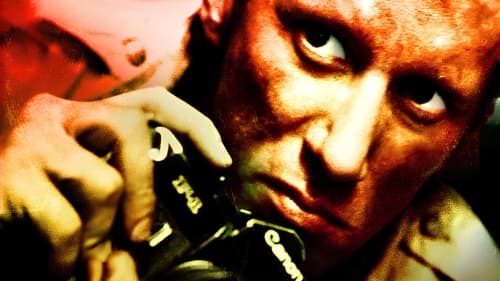
In 1980, an American journalist covering the Salvadoran Civil War becomes entangled with both the leftist guerrilla groups and the right-wing military dictatorship while trying to rescue his girlfriend and her children.

As local newsrooms vanish, "News Without a Newsroom" explores journalism's uncertain future in the digital age. Through powerful stories and expert insights, the film examines the collapse of traditional media, the rise of misinformation, and the fight to preserve truth, trust and accountability in an era of disruption.
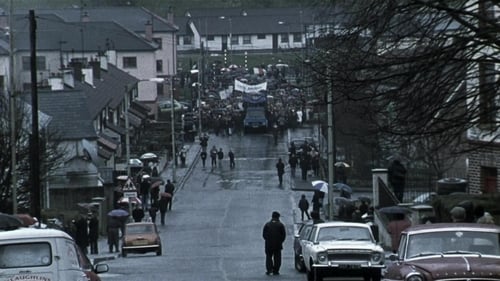
The dramatised story of the Irish civil rights protest march on January 30 1972 which ended in a massacre by British troops.