
Action
Adventure
Animation
Comedy
Crime
Documentary
Drama
Family
Fantasy
History
Horror
Music
Mystery
Romance
Science Fiction
Thriller
War
Western


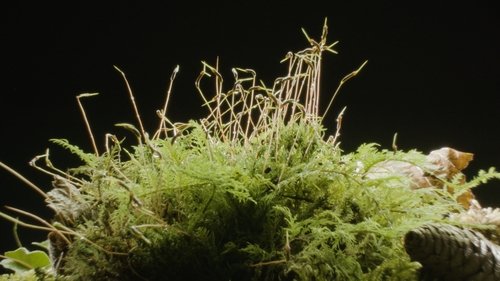
They have no roots, no seeds, no flowers, but mosses show immense survival capacities and can suspend their biological activity for long periods. Today, researchers are exploring the exceptional resistance of these archaic organisms. British ecologists have even resurrected a "zombie" moss that has been trapped in the permafrost for 1,500 years. Associated with decay and disliked in Europe, mosses are deified in Japan. With 25,000 species worldwide, bryophytes - their scientific name - are the seat of real ecosystems, and can develop in inhospitable landscapes, through an extravagant reproduction cycle.
Director: Jean Philippe Teyssier, Bruno Victor-Pujebet
Enjoying the content? Support us!
Enjoying the content? Support us!
No Provider Available
Check back later for streaming options




No Reviews Available

Explains through animation the process of photosynthesis, and discusses its importance to our daily lives.

Alligator Kingdom 3D is the first-ever 3D HD documentary shot in the protected areas of the Okefenokee National Wildlife Refuge. A magic carpet ride into one of the last great black water swamps on earth-- the great Okefenokee. Examines the ancient wetlands' intricate ecosystem and reveals the habits and traits of its most famous predator, the fearsome American alligator.
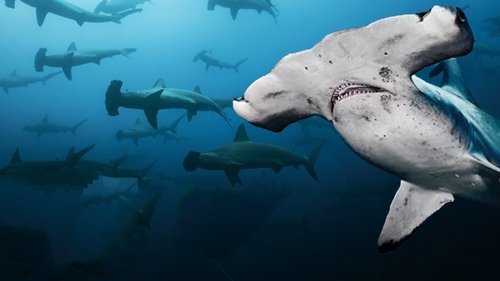
Follow a group of researchers traveling to Darin Island determined to track sharks and learn their migration patterns. To do so, they must strategically place tracking devices on the beasts, which proves to not always be easy. Dangerous currents intervene and the sharks can deliver bone-crushing swipes with their tails. Find out how the sharks and scientists fare! Distributed by XiveTV.
Every year thousands of elephants go on a quest for food and water. On the way they are shadowed by the most dreadful predators.
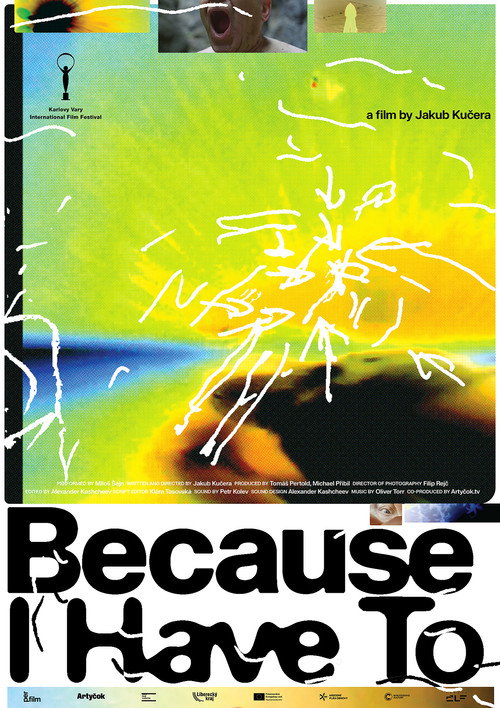
No description available for this movie.
Subscribe for exclusive insights on movies, TV shows, and games! Get top picks, fascinating facts, in-depth analysis, and more delivered straight to your inbox.