
Action
Adventure
Animation
Comedy
Crime
Documentary
Drama
Family
Fantasy
History
Horror
Music
Mystery
Romance
Science Fiction
Thriller
War
Western
Found 24 movies, 7 TV shows, and 0 people
Can't find what you're looking for?

Today, corporations are fighting for you. They will improve the quality of life. But they will collect data about each step and make decisions for you. What do you eat for dinner? What will you watch tonight? What will you do tomorrow? This will be decided by the ecosystem.
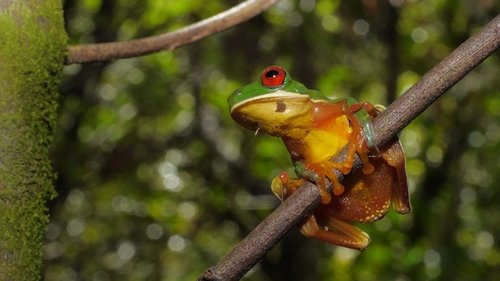
From the scorching sand dunes of Namibia, to the tropical Tasmanian rainforest, to the bitter waters of the Baltic Sea, this film visits the most extraordinary ecosystems and the creatures that inhabit them. We also learn how human activity has forced species into extinction and reflect on the importance of preserving diverse environments. Discover how nature has developed new methods of survival over millions of years, and learn how modern society uses these solutions in our everyday lives, through manufacturing medicines, new technologies and designs. Whilst celebrating the wonders of our natural world, this film also shares an important message on the impact of human activity on our ecosystems, encouraging us to reflect on the importance of preserving diverse and rich environments

City and nature interacts.
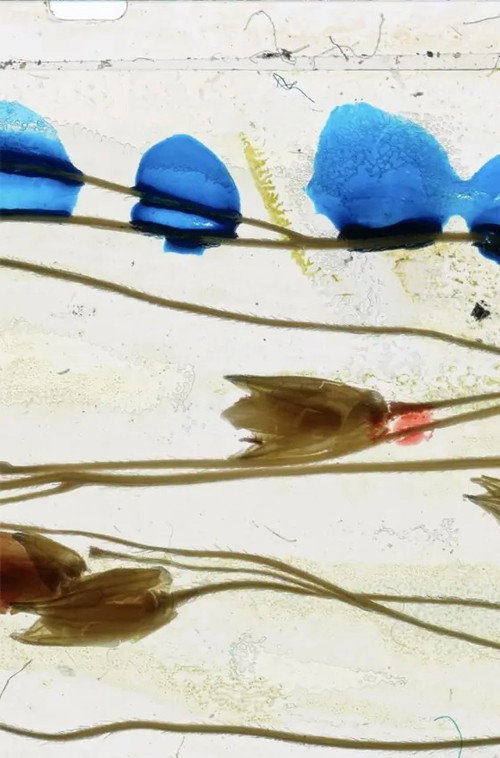
A collaborative botanicollage film poem by participants in the festival workshop, Dreaming Ecosystems, led by poet Mita Mahato and filmmaker Caryn Cline.

Who knows about springtails? And among those for whom this name rings a bell, how many have already seen them? Yet, these small animals, similar to insects, are present in all terrestrial ecosystems. Springtails are undisputed soil regulators. Scientists recognize them today as absolutely essential, especially in the search for pollutants, disruptors, and all the variations that affect our soils, but this little animal is almost unknown. Thanks to extremely precise cameras, as close as possible to these microscopic animals, a teeming life is revealed before our eyes. According to the seasons, the film invites us to get into the intimacy of the springtails, to discover their morphology, their role and their usefulness in the ecosystems of the planet while rubbing shoulders with other organisms in the same environments.
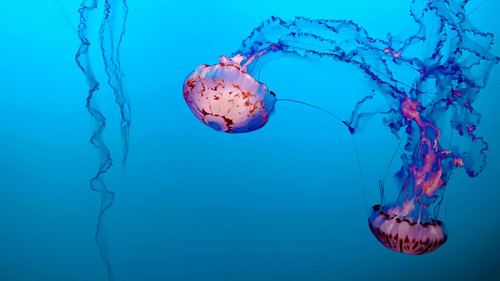
Jellyfish blooms are making headlines around the world. This is due to the damage they cause to tourism, fishing and our health. How can these creatures, which are over 98% water and have no shell, skeleton or brain, expand so rapidly? Although this is a normal stage in the life cycle of these gelatinous animals, we have to admit that blooms have become much more frequent and massive in recent decades. We're even witnessing jellyfish populations appearing in more and more regions where fish have been replaced by them, such as off the coast of Namibia, in the Black Sea, in the Sea of Japan and in certain areas of the Baltic Sea. What causes this? Why has the role of jellyfish in the ocean been underestimated, even though they outlived the dinosaurs? Are jellyfish on their way to dominating the oceans as they once did? What if they were to be the only ones left?
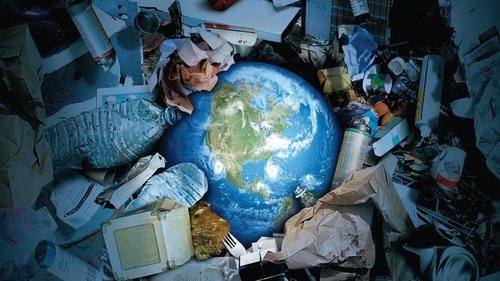
A look at the state of the global environment including visionary and practical solutions for restoring the planet's ecosystems. Featuring ongoing dialogues of experts from all over the world, including former Soviet Prime Minister Mikhail Gorbachev, renowned scientist Stephen Hawking, former head of the CIA R. James Woolse
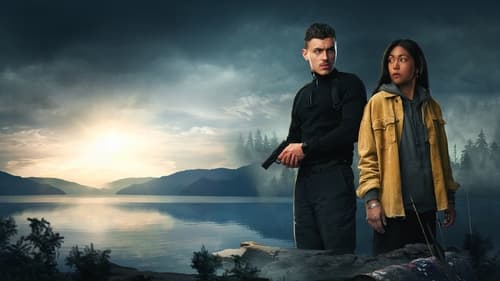
Sayen is hunting down the men who murdered her grandmother. Using her training and knowledge of nature, she is able to turn the tables on them, learning of a conspiracy from a corporation that threatens her people's ancestral lands.
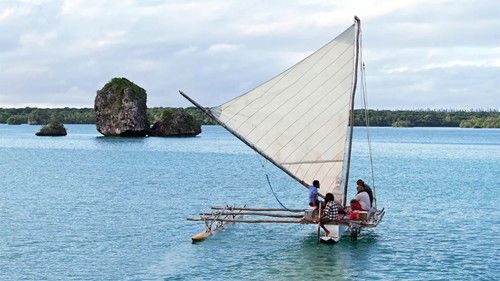
No description available for this movie.

“Let nature be nature” is the philosophy of the Bavarian Forest National Park. Despite massive resistance, this vision has become a groundbreaking showcase project. Because humans do not interfere with nature, the former commercial forests grow into a primeval forest, a unique ecosystem and a refuge for biodiversity. People from all over the world come here. They are looking for answers to the question of why we need more wild nature and what we can learn from it to preserve forests for future generations in times of climate change.
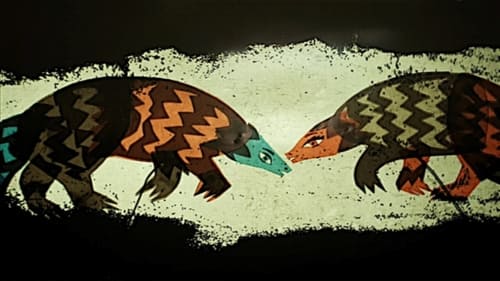
Set in Bangkok, the film shows the process of urbanization of the city while humans lose control over the consequences of their actions and their greed. The story begins and we move underground to meet the two protagonists: a pangolin couple. The two lovers are living a tranquil life in their hidden city beneath, when their quiet is upset by sudden earth shakes provoked by the drilling of a construction site above. Separated by the cracks in the soil, they begin an adventurous journey to find each other, taking the viewer deeper into the causes of the loss of connection between humans and the earth beneath and ultimately, of the pandemic.

99% of the plastic that should be floating in the oceans is missing. Even accounting for the plastic that washes up on beaches or is trapped in arctic ice, millions of tonnes has simply disappeared. As most plastic never deteriorates, it simply breaks down into smaller and smaller particles that are invisible to the human eye, what happens to this missing ocean plastic is a mystery. In this investigation, scientists embark in search of the micro-plastics. Small, mostly invisible, toxic, they are home to the new ecosystem: the plastisphere. But where are they? Ingested by organisms? Buried under the ocean floor? Degraded by bacteria? And what is the impact of them entering the food chain?
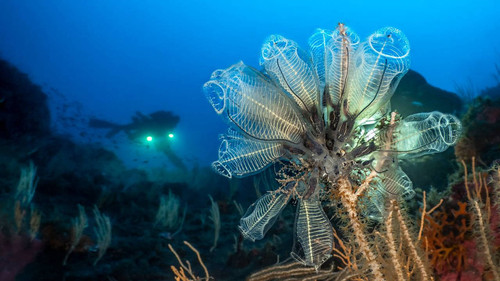
With the help of diver and biologist Laurent Ballesta, a scientific expedition explores three sunken Italian volcanic sites in the Mediterranean.
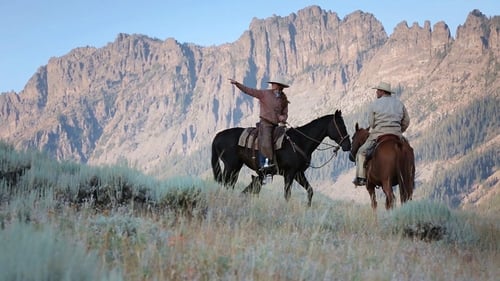
Death threats, court battles, and an iconic endangered species in middle, The Trouble With Wolves takes an up close look at the most heated and controversial wildlife conservation debate of our time. The film aims to find out whether coexistence is really possible by hearing from the people directly involved.
This personal documentary is the story of Teresa Marshall, who grew up on a British Columbia ranch. Every child needs a demon, and Teresa took battle against rattlesnakes. In the dry interior of B.C., the south Okanagan and Similkameen valleys form the bio-region known as Canada's "pocket desert." As settlers' dreams of creating an agricultural Eden erase fragile desert lands that support a breathtaking array of wild species, the narrator and her snake-hunting neighbours are forced to examine their environmental attitudes.

They have no roots, no seeds, no flowers, but mosses show immense survival capacities and can suspend their biological activity for long periods. Today, researchers are exploring the exceptional resistance of these archaic organisms. British ecologists have even resurrected a "zombie" moss that has been trapped in the permafrost for 1,500 years. Associated with decay and disliked in Europe, mosses are deified in Japan. With 25,000 species worldwide, bryophytes - their scientific name - are the seat of real ecosystems, and can develop in inhospitable landscapes, through an extravagant reproduction cycle.
Discusses the temperate deciduous forest biome, highlighting its seasonal changes and the interdependence of plant and animal life. It explains the characteristics of the forest, including its layers of vegetation and the life cycles of various species. The video details how trees, particularly deciduous ones, influence the ecosystem, how animals adapt to seasonal changes, and the cyclical nature of life in this biome, from spring growth to winter dormancy.

No description available for this movie.
No description available for this movie.
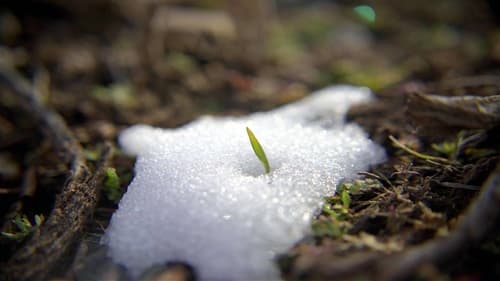
An exploration of a new paradigm of health, science, and medicine, based on the interconnections between us and nature.
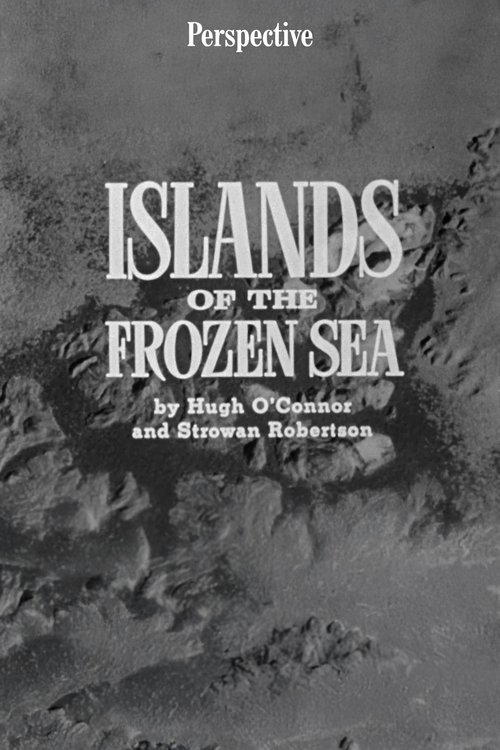
This short documentary offers a look at the life forms on the Queen Elizabeth Islands within the Arctic Circle. Even in this frigid zone of icebergs and glaciers a surprising variety of wildlife and vegetation is seen. Writings from the logbooks of early explorers provide vivid descriptions of scenes as arresting to them in their century as to today's explorer. Note: Originally produced for the television series Perspective, this film was distributed separately on 16mm for schools and libraries, qualifying it as a standalone documentary.
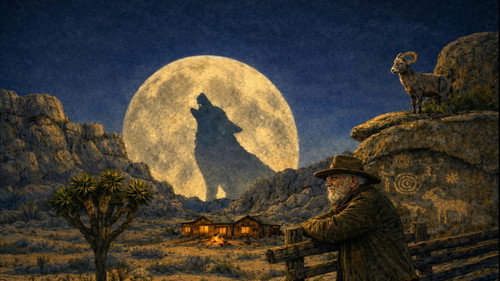
Uncover the rugged history, desert wildlife, and hidden secrets of the California desert. This documentary dives deep into the rich human stories of Joshua Tree National Park, from its ancient Indigenous roots to the wild frontier era. Explore the historic cattle drives and rugged cattlemen who crossed this harsh terrain, alongside legendary stories of Keys Ranch, historic gold mines, the famous pursuit of Willie Boy, and frontier shootouts to see how this stark wilderness shaped American history.
This feature documentary highlights the nature of Arctic sea ice, and its crucial importance to life in the Far North. Underwater photography presents rare views of some of the most spectacular wildlife, with micro- and macro-photography enhancing the world within the individual ice crystals. Footage from Inuit hunting camps at the floe’s edge illuminate the relationship between the Arctic people and their intricate ecosystem.
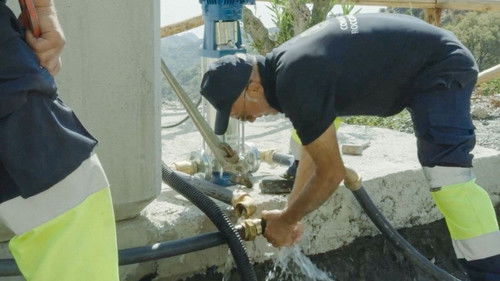
Against the backdrop of a Sicily in the midst of a water emergency, two residents of the small town of Rocca Fiorita tackle the problem, one relying on reason, the other on faith. Sebastiano, a farm owner, represents rationality. To prevent his horses from dying, he tries to call the municipality and force them to intervene at the main pump. Nerina, an Italian-American woman and fervent religious believer, decides to organize a special procession to ask for mercy from Our Lady of Help. The two opposing views will lead to a conflict between the two.