
Drama
Comedy
Action & Adventure
Animation
Documentary
Family
Kids
Mystery
News
Reality
Sci-Fi & Fantasy
Soap
Talk
War & Politics
Western
Found 23 movies, 22 TV shows, and 0 people
Can't find what you're looking for?

An easy-to-understand explanation of the Edo Period.

No description available for this show.
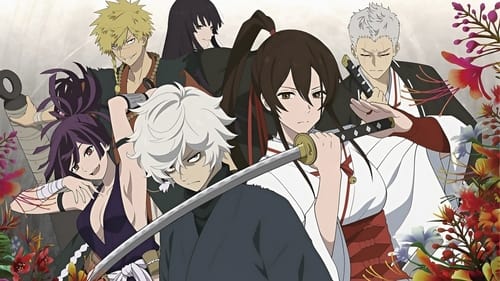
For a chance at a pardon, a ninja assassin joins other condemned criminals on a journey to a mysterious island to retrieve an elixir of immortality.

Driven by a dream of revenge against those who made her an outcast in Edo-period Japan, a young warrior cuts a bloody path toward her destiny.
In the Taiheimeji era, the Tokugawa shogunate values breasts highly, equating them with wealth and status. The Manyu Clan, government allies, know secret techniques for breast enhancement, detailed in a scroll. Chifusa, the clan's heir, flees with this scroll, rebelling against the oppressive norms set by her clan.
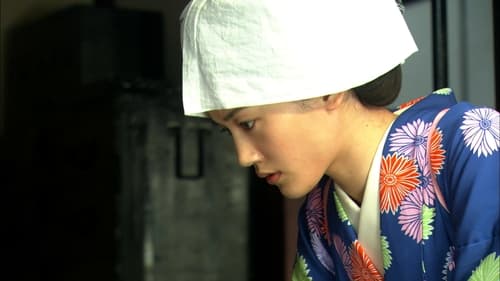
After awakening in the Edo era, a neurosurgeon uses his medical knowledge to help those around him while searching for a way back to the present day.
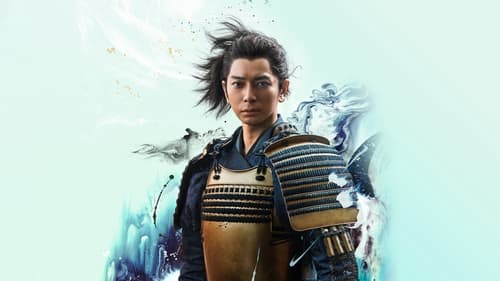
He lost his land, his father, and was torn from his mother. Lonely and wounded, young Takechiyo thought he'd live out his days quietly as a hostage. But fate had other plans. Inspired by Mikawa warriors, he becomes a minor lord and dives into a war-torn world ruled by monsters like Nobunaga and Shingen.Life-or-death moments, miscalculations, and no time to breathe—what will you do, Ieyasu?
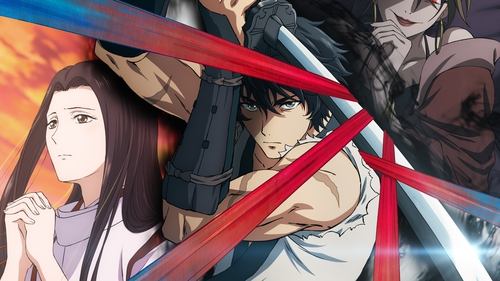
Jinta journeys through a century-spanning epic, all while questioning why he wields a sword.
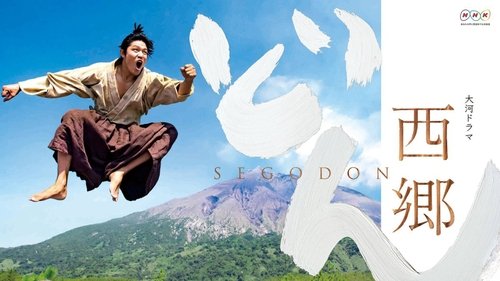
Saigo Takamori, the hero of the Meiji Restoration, was born to a poor, low-ranking samurai family in the Satsuma domain (present day Kagoshima Prefecture). His simple honesty caught the attention of its charismatic feudal lord of Satsuma, Shimazu Nariakira. Nariakira’s assertion that the love of people is what will enrich and strengthen the nation captivated Saigo who took on Nariakira’s secret mission and eventually became a key person for Satsuma. Not a portrait of him survives today and much of his life is a mystery. He is a man who was twice exiled and thrice married. He overthrew the Tokugawa Shogunate with exceptional bravery and action. Although he accomplished the restoration, he lost his life in a fight with the new Meiji government.

The 47th NHK Taiga Drama is a life story of Princess Atsu, who was born in Kagoshima Prefecture, then called Satsuma, and became the wife of Tokugawa Iesada, the 13th shogun of the Tokugawa shogunate. She accedes to the highest rank in Ooku, the inner palace of the Edo castle where women related to the reigning shogun resided. Iesada dies soon after their marriage and Atsuhime assumes the name Tenshoin at the age of 23. She exerts herself for the Tokugawa clan and for the nation during the upheaval in the Meiji Restoration, headed by those from Satsuma.
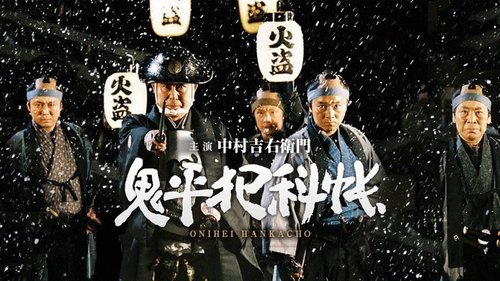
Hasegawa is a chief police of big heart who leads a band of samurai police and cultivates reformed criminals as informants to solve difficult crimes.
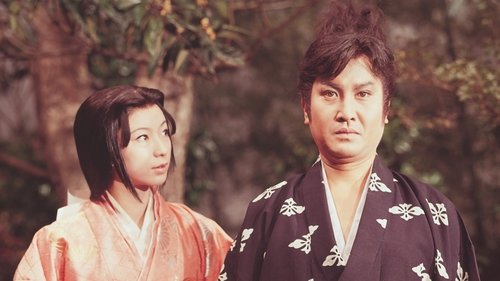
The story chronicles the life of Yagyū Munenori.
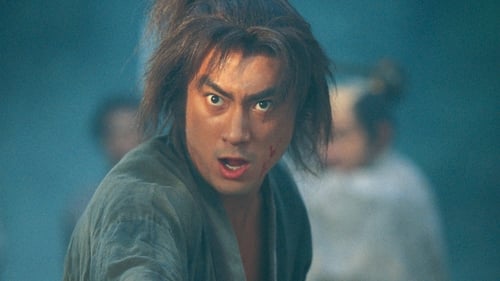
Orphaned when he was not yet ten, Musashi grows up skilled in the martial arts. During the Battle of Sekigahara, he fights on the side of the losing Toyotomi forces, but eludes the enemy as they hunt down the vanquished soldiers. He then spends years wandering the countryside mastering the sword. As his fame spreads throughout the nation, men seek him out to test their skills against him--most notably Sasaki Kojiro who faces Musashi in the ultimate duel at Ganryujima.
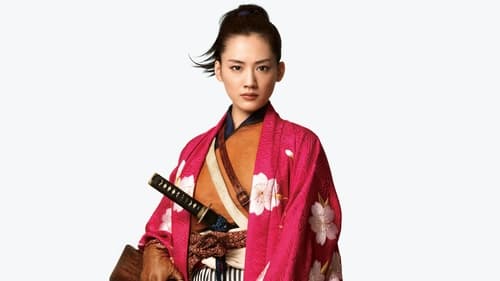
Yae no Sakura is a 2013 Japanese television series. It is the 52nd NHK taiga drama. The story focuses on Niijima Yae, who is portrayed by Haruka Ayase.
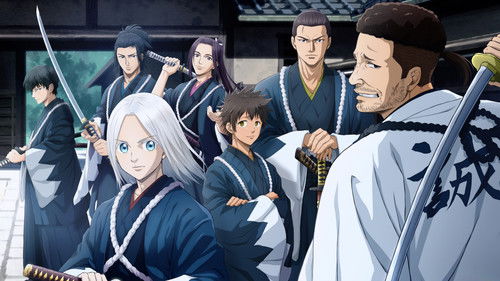
The year is 1863, with the story being based in Kyoto. We follow a youth named Nio who is an honest and kind soul who's considerate of his family, yet he also has a hidden burning passion for seeking justice. From the time he came across Toshizou Hijikata and Souji Okita, members from a group of hated ronin known as the Miburo, his life then takes a turn to a bluer, and clearer path. Nio, alongside the other men whose hearts burn bravely and true, step forth towards an honest path with their blue wills adorned on their hearts!

In a world where aliens have invaded Edo Period Japan, skyscrapers, trains and motor bikes have replaced the simple life of Earth inhabitants. One man however, still carries the soul of a samurai, Gintoki Sakata, otherwise known as Yorozuya Gin-san. As reckless as he is, Gintoki carries his own resolve and is ready to take on any challenge with his fellow companions.
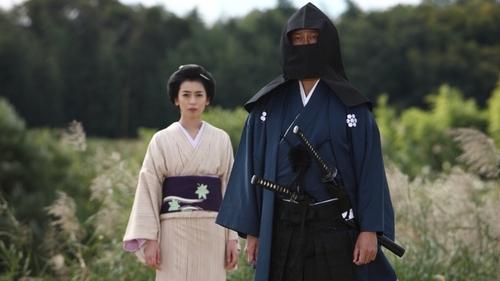
During the Kyoho period in the reign of Tokugawa Yoshimune, there is a gang of thieves active not just in Edo but also the Tokaido and the Nakasendo, and all across the Kansai region, stealing large sums of money with skillful techniques. They only target the very wealthy and never kill or injure people. They appear with the clouds and disappear like the mist. On the night that the beautiful Ochiyo is to become the bride of a dry goods dealer, a large amount of money hidden inside the shop is stolen. The gang disappears without injuring anyone. It was a two-year plan to marry Ochiyo off so that she could bring them in. The leader of this gang is Kumokiri Nizaemon, the greatest bandit of all time. He keeps a rein on his highly-skilled and notorious followers Nanabake no Ochiyo, Kinezumi no Kichigoro, Subashiri no Kumagoro, Ingakozo Rokunosuke and others.
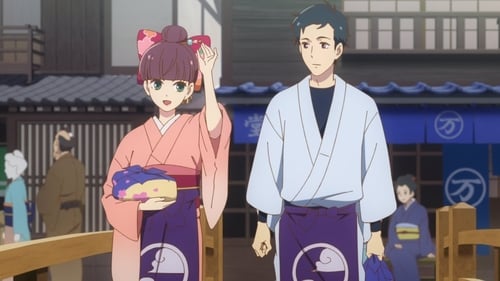
A pair of adopted siblings run a rental shop in old Edo where fire and flooding is prevalent and everyday items are rented out to not impede when they flee. Mixed in the inventory are old objects that have turned into spirits after hundreds of years of existence called, Tsukumogami.
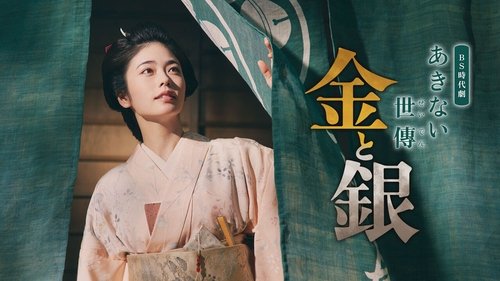
Set in the mid-Edo period, this drama follows Sachi, who works as an apprentice at the Osaka Tenma kimono merchant Isuzuya and strives to carve a way to success despite the challenges she faces.
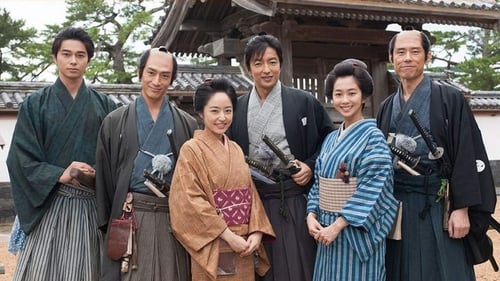
Fumi becomes Genzui Kusaka’s wife. During the turbulent times of the closing days for the Tokugawa shogunate, she lives positively and tries to keep up Shoin Yoshida's will. Shoin Yoshida is her older brother and intellectual.
Rakugo has the image of a humorous story, but it is also a treasure trove of “scary stories”. Among them, this work boldly arranges a performance in which "human fear" stands out, and does it in an omnibus format. There are four rakugo plays that will be drawn as a drama this time: "Kokoro", "Tatsumi's Tsuji Zou", "Konya Takao", and "Miyatogawa (upper / lower)".
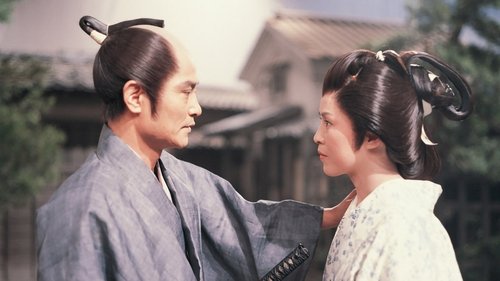
No description available for this show.