
Drama
Comedy
Action & Adventure
Animation
Documentary
Family
Kids
Mystery
News
Reality
Sci-Fi & Fantasy
Soap
Talk
War & Politics
Western
Found 0 movies, 21 TV shows, and 0 people
Can't find what you're looking for?

No description available for this show.
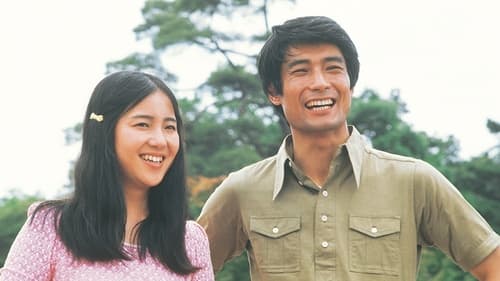
The 13th NHK Asadora. Starring Youko Takahashi in a story about a brother and sister coming of age in Hakodate and Kanazawa.
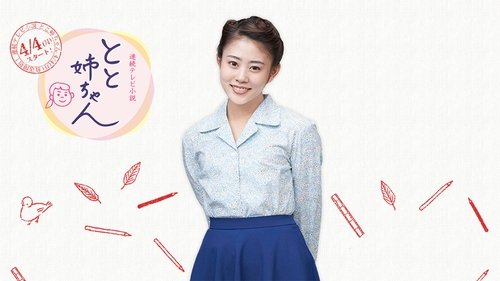
In 1930 and as a young child, Tsuneko Kohashi lives at Enshu in Shizuoka Prefecture. She has a happy life with her parents and two younger sisters. Things change after her father dies from tuberculosis. Her father asked Tsuneko Kohashi to take care of the family in his place. Due to financial difficulties, her mother Kimiko decides to move the family to Tokyo where Tsuneko's grandmother lives.
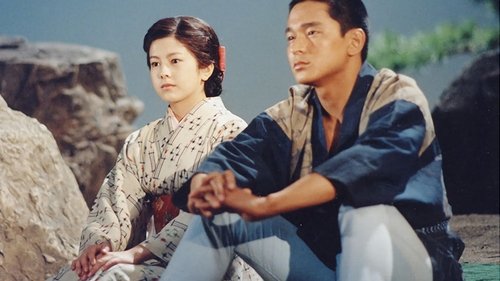
In the early Showa era, the town of Choshi in Chiba Prefecture was divided by the conflicts between the worlds of "land" and "sea". Born to Kyubei Bando, the owner of a long-established soy sauce brewery, and his mistress Rui, Kaworu was taken in by her father and raised as a prim and proper lady. As she grew up, she fell in love with Sokichi, the eldest son of an established fisherman; alas, their two families were in conflict. This is a story of pure love between two people that grew beyond the boundaries of the old customs that they were brought up with. It is a drama that depicts their turbulent journey of love and the bonds of the people from an old and established family working tirelessly to protect their naturally brewed soy sauce business through the ups and downs.
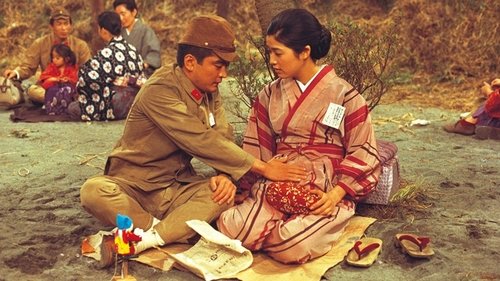
The 12th NHK Asadora. Set in Amakusa, Kumamoto Prefecture, at the end of the Pacific War. Maki is the heroine, married to Shuichi who must go to war. She stays home and takes on the role of other war widows, managing business and a Chinese restaurant.

Suzume is a girl born to a family running a small restaurant in Gifu Prefecture. She loses her hearing in one ear from a disease. Encouraged by her loving parents and childhood friend, she lives through an eventful life with a tenacious spirit.

The 17-year-old Yatabe Mineko grew up in a family of seven in a mountain village in northeastern Ibaraki Prefecture. Her father Minoru has gone to Tokyo to work in order to earn extra money. However, her life completely changes when her father does not come back for the New Year. Mineko asks her family to let her go to Tokyo to find him and promises to send money home. In the autumn of 1964, she and two childhood friends Tokiko and Mitsuo are hired to start working at a small factory in Tokyo’s working class neighborhood. After work each day, Mineko searches for her father and gets disheartened at times. Mineko overcomes challenges and starts to lay down roots in Tokyo as she experiences many meetings and farewells amid the laughter and tears with regulars, people of the shopping street, friends, and colleagues. But will she be able to find her father?
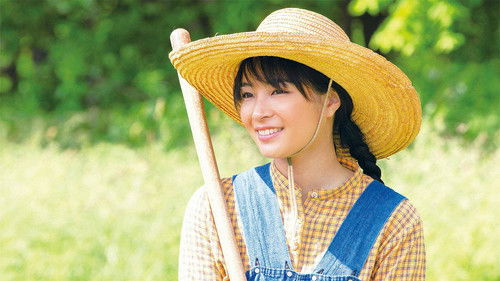
Okuhara Natsu was born in Tokyo in 1937. In 1945, she loses both parents to war and becomes an orphan, but her father’s comrade, Shibata Takeo, takes her in and moves to Tokachi in Hokkaido. In an unfamiliar land surrounded by unfamiliar people, Natsu feels lost at first, but surrounded by Tokachi’s vast nature and its strong, yet compassionate people, she grows up to be a strong girl. When Natsu enters elementary school, she meets Yamada Tenyo who draws lovely pictures of horses. Tenyo tells her that in America, animation in which pictures move is becoming popular, Natsu’s curiosity is piqued. Upon graduating high school, Natsu goes to Tokyo to look up her brother, and takes a jump into the world of animation.
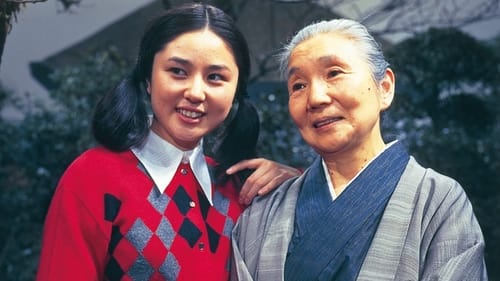
The 9th NHK Asadora. Starring Naoko Otani as a young woman living with her grandmother.

In wartime Japan, spirited Nobu transforms from a militarist schoolgirl into Kochi’s first female reporter, as she and childhood friend Takashi endure personal loss and struggle to find their own truths amid the upheaval of the Showa era.
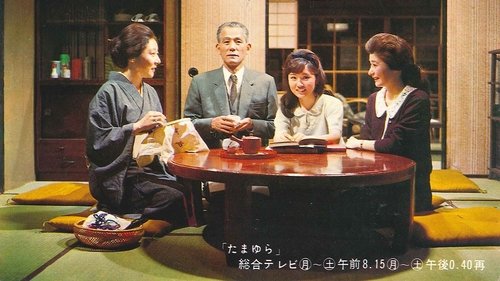
The 5th NHK Asadora. Starring Chishuu Ryuu as an old man who begins to travel after he retires. From a story written for television by Yasunari Kawabata.
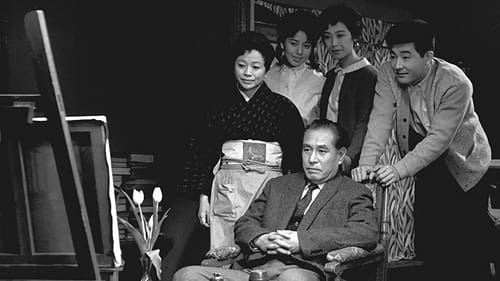
The 3rd NHK Asadora. Starring Shin Saburi as a professor who quits the university to become a painter.
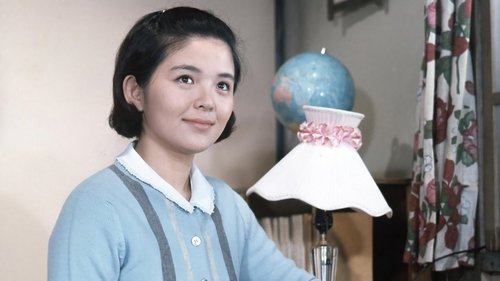
The 8th NHK Asadora. Starring Yumiko Fujita in a family drama. The first Asadora filmed in color.
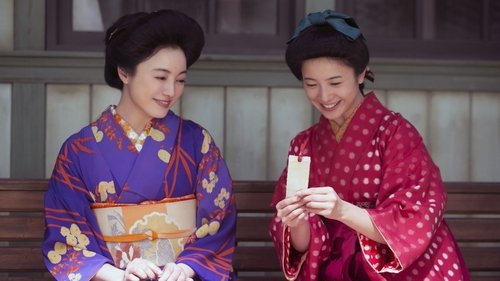
A Japanese girl from a poor family named Hanako went on an adventure to study in a girl's Christian school in Tokyo. She found her passion in English and step by step made her dream come true.
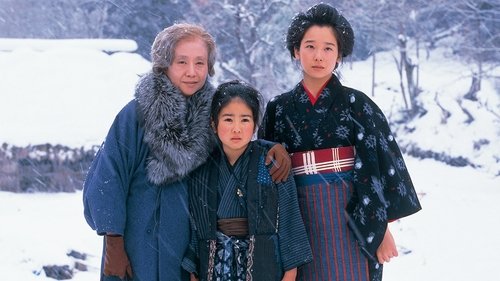
Oshin is a Japanese serialized morning television drama, which aired on broadcaster NHK from April 4, 1983 to March 31, 1984. The series follows the life of Shin Tanokura during the Meiji period up to the early 1980s. Shin was called "Oshin", which is an archaic Japanese cognomen.
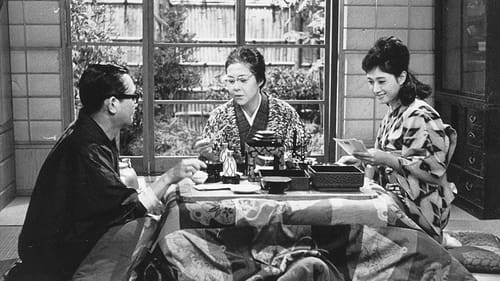
The 2nd NHK Asadora and the first Asadora to be broadcast in 15-minute episodes Monday through Saturday. Starring Fumiko Watanabe in a drama of a poor family after the war.
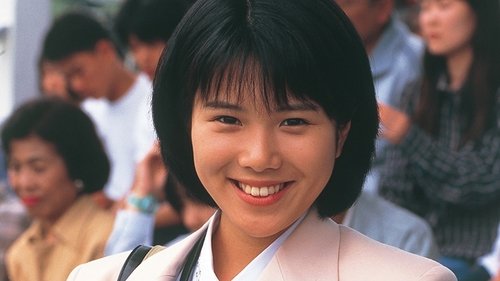
The 59th NHK Asadora Drama is Yanchakure. Location includes Osaka. In Osaka, "yanchakure" is a bit of an old word which is used to describe tomboyish or mischievous young girls. Mizushima Nagisa happens to be such a girl, that, no matter how well-intentioned her motives nor how hard she tries, Nagisa just seems to end up failing. In fact, she has failed at different things in her life so many times that she has come to see it as a source of personal strength, her philosophy being one of, "It's natural for a human being to fail many times in the course of their life and thanks to those failures we can become adults."
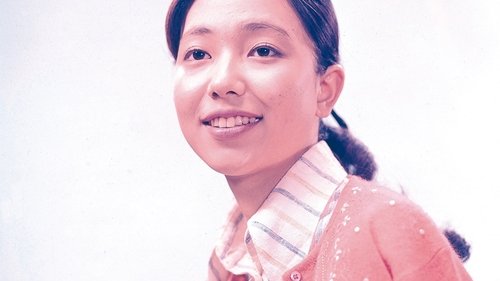
Kano is known as a "cocoon child" whose father is an agriculturist. Her mother disappeared when she was little and since then Kano has been wondering why her mother left her thus changing the shape of her life.
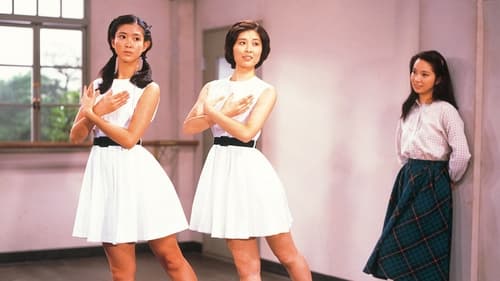
The 26th NHK Asadora. Shimazaki Kayo is a woman from Hagi, Yamaguchi, who joins the Takarazuka Revue, a Japanese all-female musical theater troupe based in Takarazuka, Hyougo Prefecture, Japan. Women play all roles in lavish, Broadway-style productions of Western-style musicals, and sometimes stories adapted from shoujo manga and Japanese folktales.
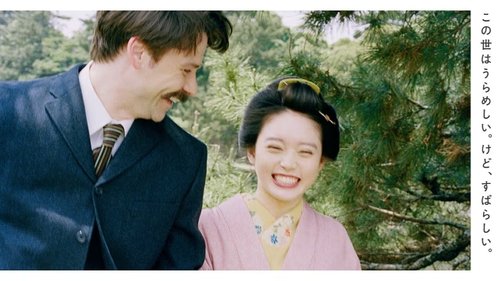
In Meiji-era Matsue, a fallen samurai’s daughter and a lonely foreign teacher connect through ghost stories and an unlikely friendship.
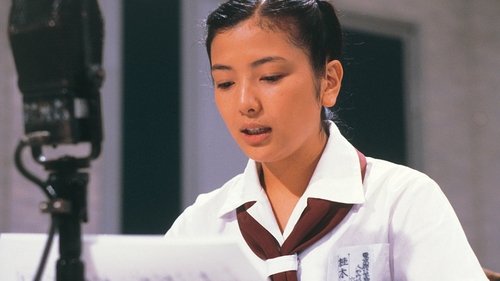
Katsuragi Motoko started as an NHK announcer, became a reportage writer after the war, and then an author. This story is about a woman's struggle to find her life's purpose and to survive. The 28th NHK asadora, set in the Showa era and location included Tokyo.