
Drama
Comedy
Action & Adventure
Animation
Documentary
Family
Kids
Mystery
News
Reality
Sci-Fi & Fantasy
Soap
Talk
War & Politics
Western
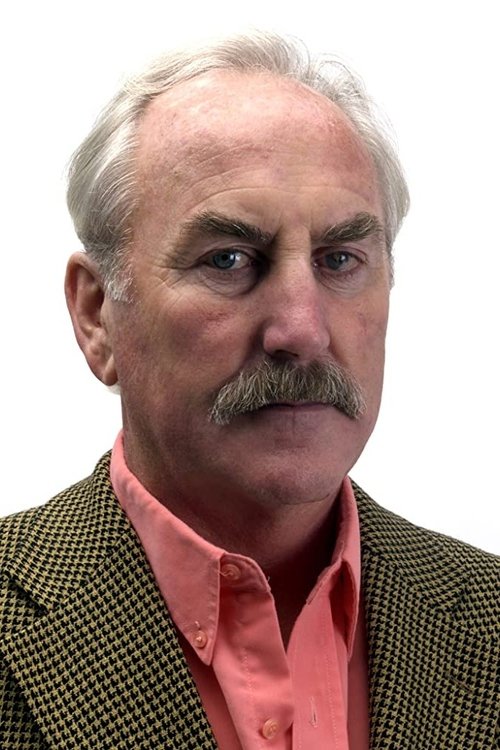
P.H. Moriarty was a British actor best known for playing hard men and gangsters. He began acting late in life, having worked for many years in several professions including a boxer and a longshoresman. It was whilst working in the latter role that his film career started; a production company, shooting on the docks spotted him one day and asked him to act in their film. Moriarty's film credits in...
Explore all TV shows appearances
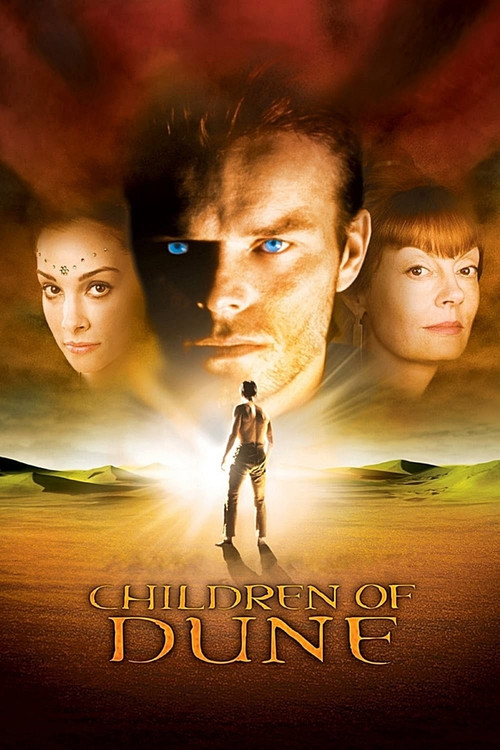
Frank Herbert's Children of Dune is a three-part miniseries written by John Harrison and directed by Greg Yaitanes, based on Frank Herbert's novels Dune Messiah and Children of Dune. First broadcast in the United States on March 16, 2003, Children of Dune is the sequel to the 2000 miniseries Frank Herbert's Dune and produced by the Sci Fi Channel. As of 2004, this miniseries and its predecessor were two of the three highest-rated programs ever to be broadcast on the Sci-Fi Channel.
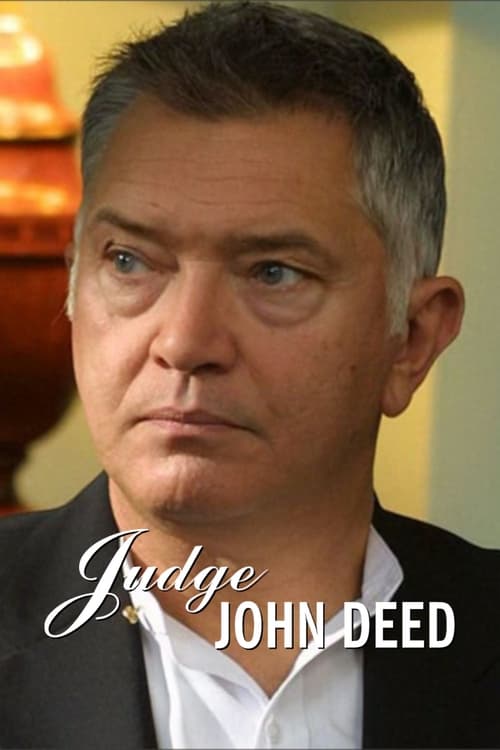
Judge John Deed is a British legal drama television series produced by the BBC in association with One-Eyed Dog for BBC One. It was created by G.F. Newman and stars Martin Shaw as Sir John Deed, a High Court judge who tries to seek real justice in the cases before him. It also stars Jenny Seagrove as the barrister Jo Mills, frequently the object of Deed's desire. A pilot episode was broadcast on 9 January 2001, followed by the first full series on 26 November 2001. The sixth and last series concluded on 18 January 2007. The programme then went on an indefinite break after Shaw became involved in another television programme, and he and Seagrove expressed a wish for the format of the series to change before they filmed new episodes. By 2009, the series had officially been cancelled. The six series produced make it the longest-running BBC legal drama. The factual accuracy of the series is often criticised by legal professionals and journalists; many of the decisions taken by Deed are unlikely to happen in a real court. The romanticised vision of the court system created by Newman caused a judge to issue a warning to a jury not to let the series influence their view of trials—referring to an episode where Deed flouts rules when called up for jury duty. Another episode led to complaints about biased and incorrect information about the MMR vaccine, leading the BBC to ban repeats of it in its original form. All six series have been released on DVD in the UK.
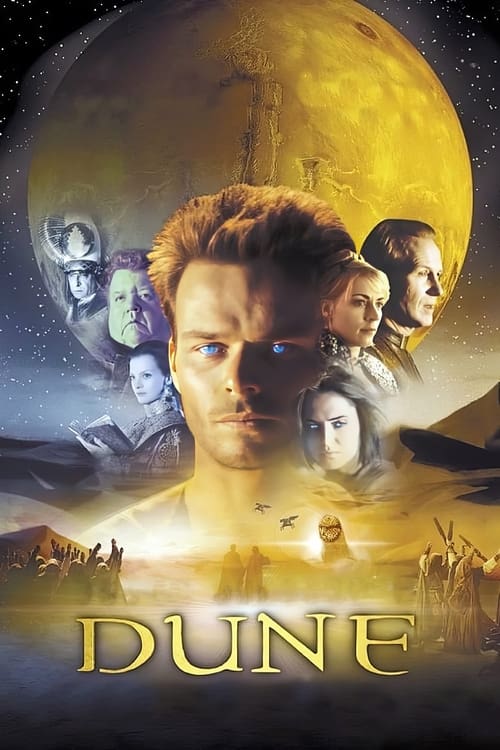
Frank Herbert's Dune is a three-part miniseries written and directed by John Harrison and based on Frank Herbert's 1965 novel Dune.
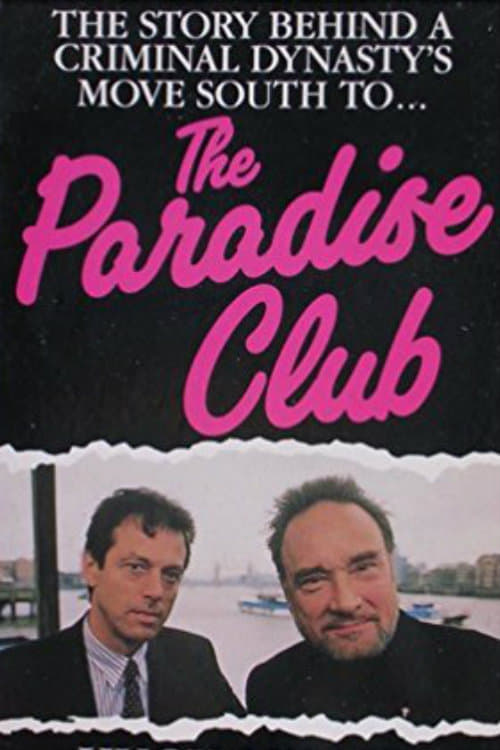
The Paradise Club is a BBC television drama starring Don Henderson and Leslie Grantham as Frank & Danny Kane. Two series were produced and were broadcast between 1989 and 1990. The show focuses upon two brothers, Frank & Danny Kane. Their mother, Ma Kane, is the matriarch of a criminal gang in South London, helped by her son Danny. Frank has become a priest but leaves the church; he inherits The Paradise Club on the death of their mother and returns to London to try and steer Danny away from crime.
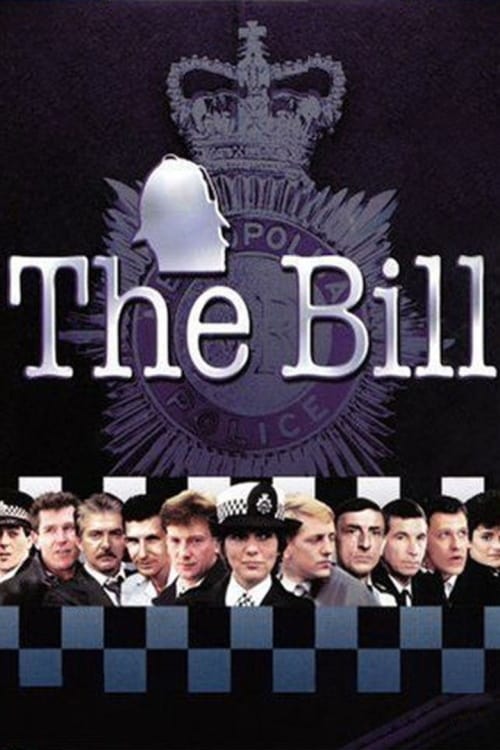
The daily lives of the men and women at Sun Hill Police Station as they fight crime on the streets of London. From bomb threats to armed robbery and drug raids to the routine demands of policing this ground-breaking series focuses as much on crime as it does on the personal lives of its characters.
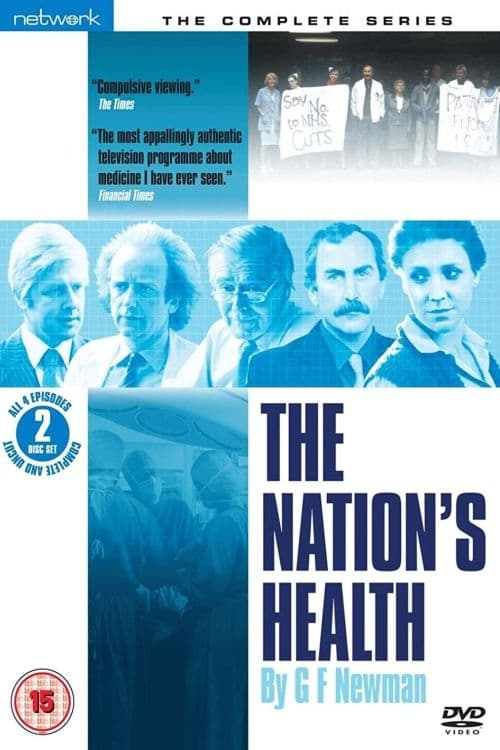
The Nation's Health is a 4 episode series written by G.F.Newman based on his book of the same name, originally broadcast on the fledgling Channel 4 UK TV channel in 1983. The series consists of four episodes that are, in order, titled: Acute, Decline, Chronic, and Collapse. In it we are faced with a maelstrom of political issues, illnesses, fatalities, personal greed and professional vanities. As may be clear from these titles, the series draws a relentlessly bleak view of the NHS in 1980s Britain. The protagonist of the series is a newly-qualified doctor, Jessie Marvill (Vivienne Ritchie). The series follows Jessie through four different sectors of the NHS, although the episodes are not focused entirely through Jessie: the NHS is seen from a variety of different perspectives, from doctors and patients to administrators and kitchen staff.
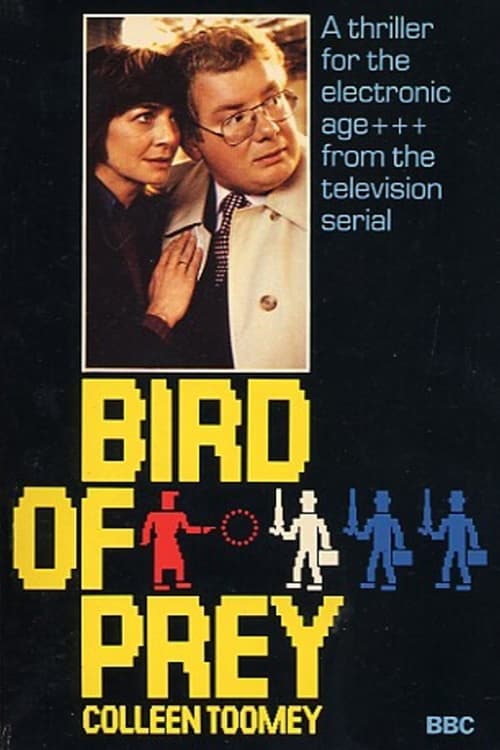
Bird of Prey is a British techno-thriller television serial written by Ron Hutchinson and produced by Michael Wearing and Bernard Krichefski for the BBC in 1982. From its video game-inspired opening titles to its pervasive electronic music track, Bird of Prey went to great lengths to demonstrate its credentials as 'a thriller for the electronic age'. These elements, together with a clever and complex plot that combines a breathless fascination with the still-young field of computing with pan-European fraud, international terrorism, rogue intelligence operatives and organised crime, link it firmly to the early 1980s, expressing that era's growing anxieties about the burgeoning 'Eurocracy'.
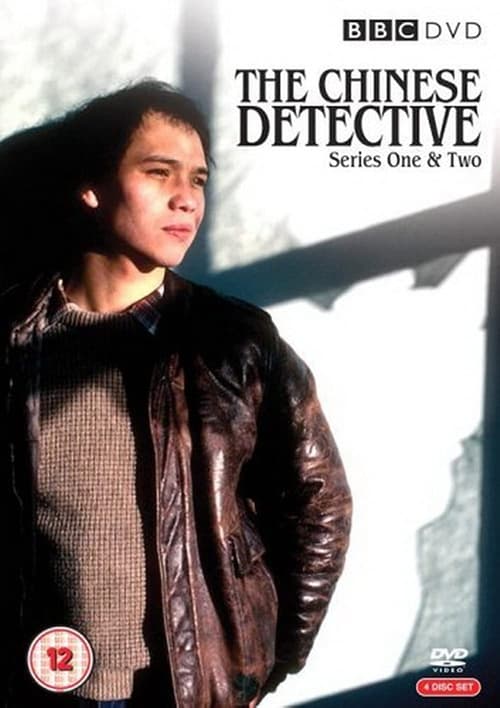
Chinese British Detective Sergeant John Ho solves cases in the East End of London. Ho fits the pattern of the maverick detective, prepared to use unorthodox methods to solve his cases, which emerged in series like Z Cars and The Sweeney.
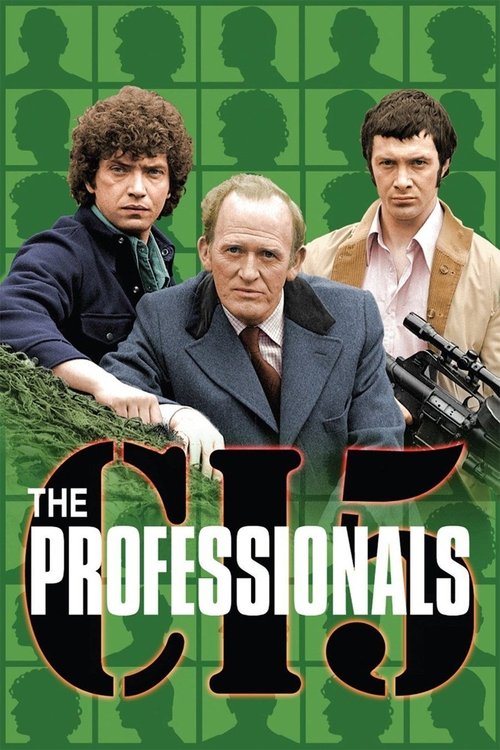
The lives of Bodie and Doyle, top agents for Britain's CI5 (Criminal Intelligence 5), and their controller, George Cowley. The mandate of CI5 was to fight terrorism and similar high-profile crimes. Cowley, a hard ex-MI5 operative, hand-picked each of his men. Bodie is a cynical ex-SAS paratrooper and mercenary whose nature ran to controlled violence, while his partner, Doyle, comes to CI5 from the regular police force, and is more of an open minded liberal. Their relationship is often contentious, but they are the top men in their field, and the ones to whom Cowley always assigned to the toughest cases.

A one-hour anthology television series of one-off contemporary and classic dramas produced by the BBC.
Subscribe for exclusive insights on movies, TV shows, and games! Get top picks, fascinating facts, in-depth analysis, and more delivered straight to your inbox.