
Drama
Comedy
Action & Adventure
Animation
Documentary
Family
Kids
Mystery
News
Reality
Sci-Fi & Fantasy
Soap
Talk
War & Politics
Western
Enjoying the content? Support us!
Explore all TV shows appearances

Muchacha italiana viene a casarse is a 1971 Mexican telenovela by Televisa produced by Ernesto Alonso and directed by Alfredo Saldaña, starring Angélica María and Ricardo Blume. Writing credits belong to Delia González Marquez, Fernanda Villeli, Marissa Garrido, Miguel Sabido and Carlos Lozano Dana The series featured two theme songs: "A dónde va nuestro amor" and "Lo que sabemos del amor". Both songs were written by Eduardo Magallanes and performed by Angélica María.

When Marichuy was born, her mother—believing she was on the verge of death—handed her over to a priest, who took her to an orphanage. At the age of fourteen, Marichuy ran away from the institution and began wandering from place to place, scraping together a living however she could. Years later, she was attacked by a drunkard; the incident left her harboring resentment toward men and plagued by harrowing nightmares.
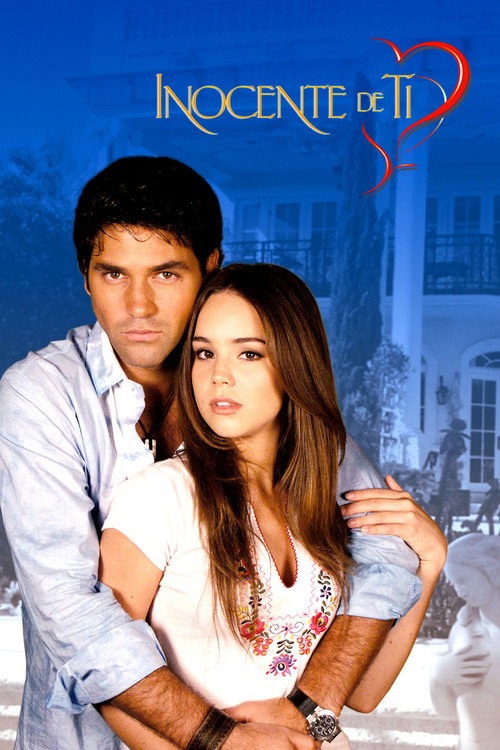
Inocente de Ti is a Miami-based 130 episode telenovela that first aired on the Univision network in 2005. It features Camila Sodi, Valentino Lanús, and Helena Rojo.
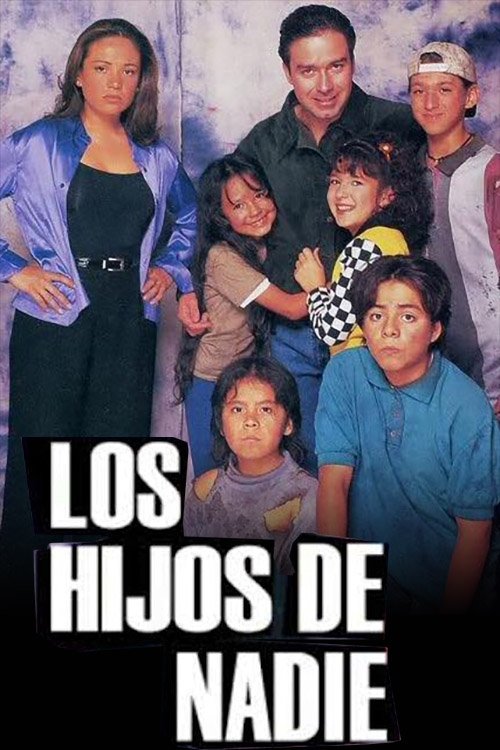
Los hijos de nadie is a Mexican social drama telenovela produced by Miguel Sabido and Irene Sabido for Televisa and originally broadcast on Canal de las Estrellas from February 24 to June 20, 1997. Created by Miguel Sabido, with adaptation by Miguel Sabido, Verónica Suárez, Andrea Ordóñez, Rosa Ana Curiel, and Kary Fajer, the telenovela was supported by UNICEF to raise awareness about the situation of homeless children in Mexico. The story follows Doña Leonor, an elderly woman who loses her daughter and granddaughter in a tragic accident. Seeking to overcome her loneliness, she dedicates herself to helping a group of children living on the streets of Mexico City. Alongside Verónica, a young woman who brings hope to the children through her puppet shows, Leonor faces the challenges of poverty, abandonment, and the people who seek to exploit those most vulnerable.
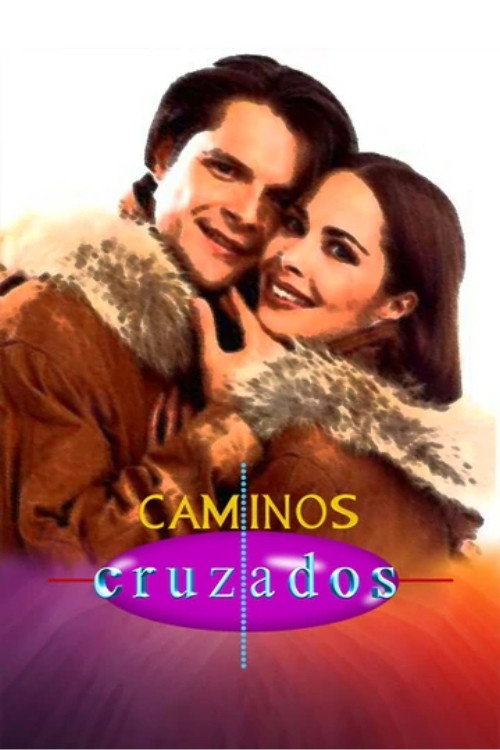
Mexican telenovela remake of the Brazilian soap opera "Todo o nada". Patricia is a sensitive and intelligent woman who begins to work in the firm of Ambrosio and César Augusto (father and son). They both fall in love with her, but César Augusto breaks off his relationship with his girlfriend, Valeria and marries her. Patricia and César Augusto will separate, however, they will meet again later having totally different lives: she is a working woman and he is married to another woman.

A brave, poor young girl is welcomed into a rich family and develops a romance with their misogynist youngest son, driving a woman already in love with him to go to great lengths to destroy their relationship.

Story of love between Marimar and Sergio. Sergio is from a wealthy family, and Marimar lives with her poor grandparents in a hut in front of the ocean.
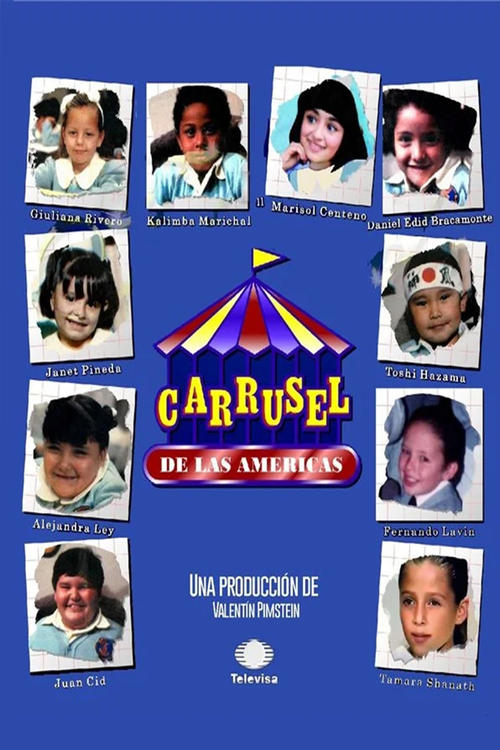
This educating soap opera for children takes place at the 500th anniversary of America's Discovery. Some episodes are dedicated to some discoverers and historical personalities. Others are dedicated to historical events. This soap have as end to teach all the children of America the common roots of their origins.
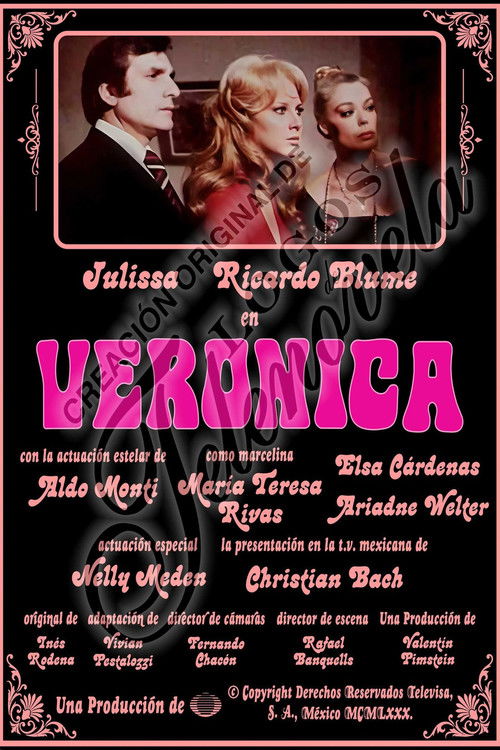
No plot available for this tvshow.
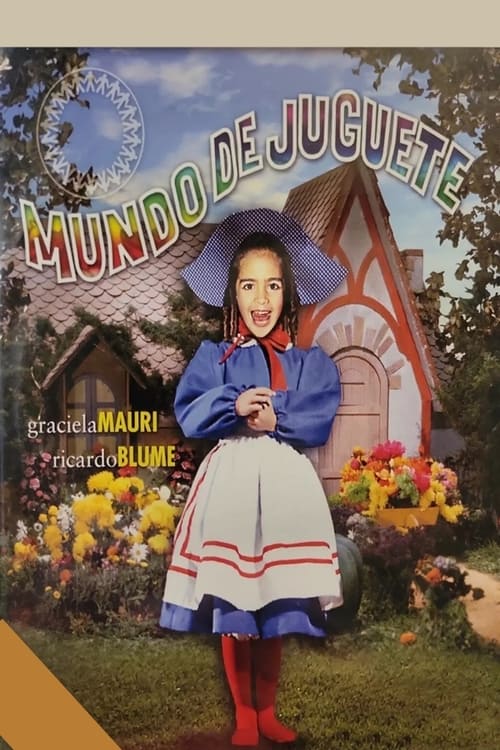
Mundo de Juguete is a telenovela produced in Mexico by Televisa in 1974. It is a remake of telenovela Papá Corazón. This telenovela holds the record for having the second longest run ever for a Latin American telenovela, with a total of 605 episodes. Most telenovelas run for an average of six to eight months; the shortest ones run about four months, and the longest up to a year. Many "Mundo de Juguete" fans believe that either all or some of the tapes and film from the telenovela were lost when Televisa collapsed during the 1985 earthquake. Televisa has been secretive regarding which tapes were lost during that earthquake, so there is no way of confirming this. However, such claims can be disputed, considering that the Telenovela has been repeated on television several times after 1985. During the nineties, it was repeated on Mexico City Canal 9. For a period of time, it was also shown on Unicable or on Telenovelas Televisa remade the telenovela in 2000, and called it "Carita de Angel".
Subscribe for exclusive insights on movies, TV shows, and games! Get top picks, fascinating facts, in-depth analysis, and more delivered straight to your inbox.