
Drama
Comedy
Action & Adventure
Animation
Documentary
Family
Kids
Mystery
News
Reality
Sci-Fi & Fantasy
Soap
Talk
War & Politics
Western
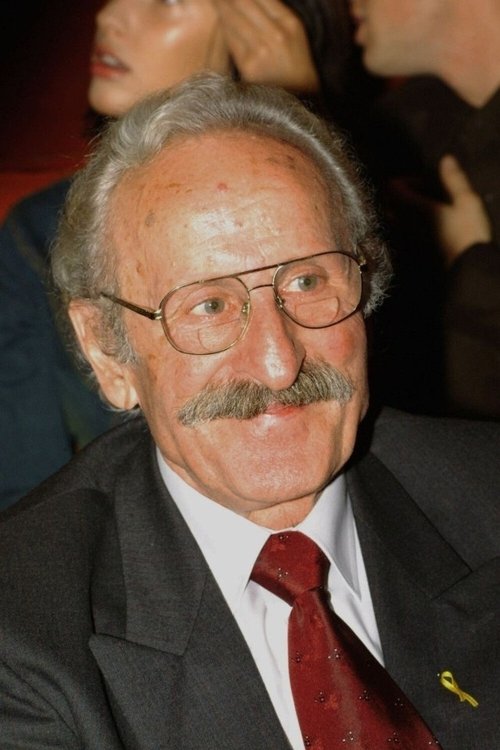
Franciszek Maksymilian Pieczka (18 January 1928 – 23 September 2022) was a Polish actor. A graduate of the National Higher School of Theatre in Warsaw (1954) he first made his debut in the theatre in Jelenia Góra. He won the award for Best Actor at the Polish Film Festival in 1976 for The Scar. He has starred in over a hundred films, both Polish and foreign. He has been awarded and honored many ti...
Not available
Enjoying the content? Support us!
Enjoying the content? Support us!
Explore all TV shows appearances
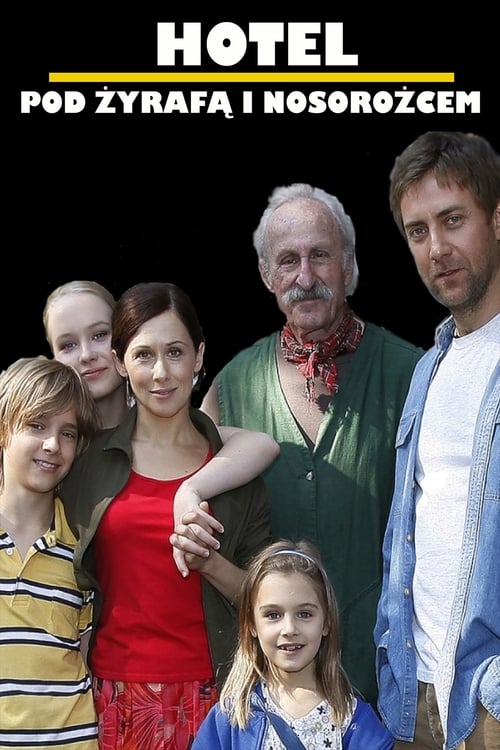
After graduating, Ania and Roman Miłobędzcy moved to the Beskid Mountains to fulfill their youthful dreams. It was here that their children were born. After a dozen or so years of farming in the Beskid meadows, they were close to bankruptcy. They took advantage of a proposal from businessman Bury and traded their Beskid farm for a villa in a town near Warsaw. Their children, Ola, Janek, and Zuza, were deeply affected by the move. The family's hopes were mixed with sadness. The parents' plan proved a disaster. Instead of a villa, they found a dilapidated wooden house, inhabited, moreover, by the quirky and eccentric Franciszek Alba. It quickly became clear that the Miłobędzcy family had fallen victim to a fraud.
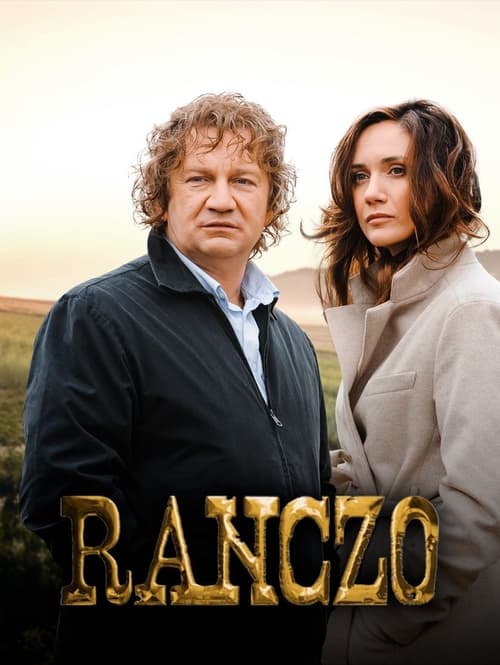
Ranczo ["Ranch"] is a Polish television comedy series, directed by Wojciech Adamczyk, that has aired since March 2006 on TVP1. It follows the story of Lucy Wilska, a Polish-American who has inherited her grandmother's country home in the fictional small town of Wilkowyje. She arrives in Wilkowyje intent on selling the cottage but, after seeing the charm of the village, decides to stay.

No plot available for this tvshow.
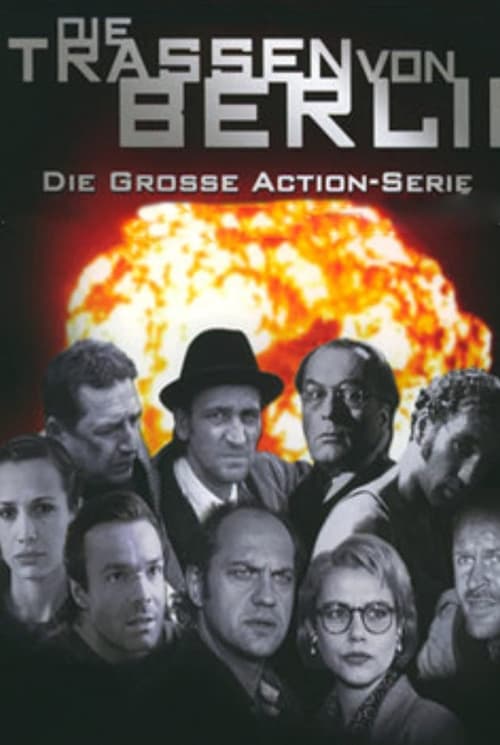
Die Straßen von Berlin is a German television series.
Series based on the stories of Jarosław Iwaszkiewicz “Młyn nad Utrata” (1936), “Młyn nad Lutyniu” (1946) and “Młyn nad Kamienna” (1950). The action of the miniseries takes place from 1928 to the 1950s.
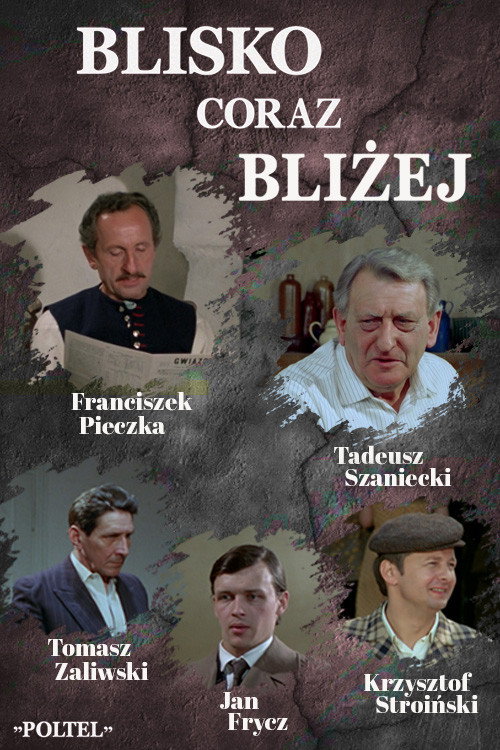
The story stretches from 1863 to 1945. Its main characters are representatives of the Pasternik family, who live in the fictional village of Wielowice near Pszczyna. The protagonist of the first three episodes is Franciszek Pasternik, the following parts tell about the fate of his many children and even more grandchildren. The viewer follows their history against the backdrop of great changes and historical events that influenced the lives of Silesian Poles. So there is the Kulturkampf, Prussian rugi, the revolution of 1905, World War I and the Silesian Uprisings.
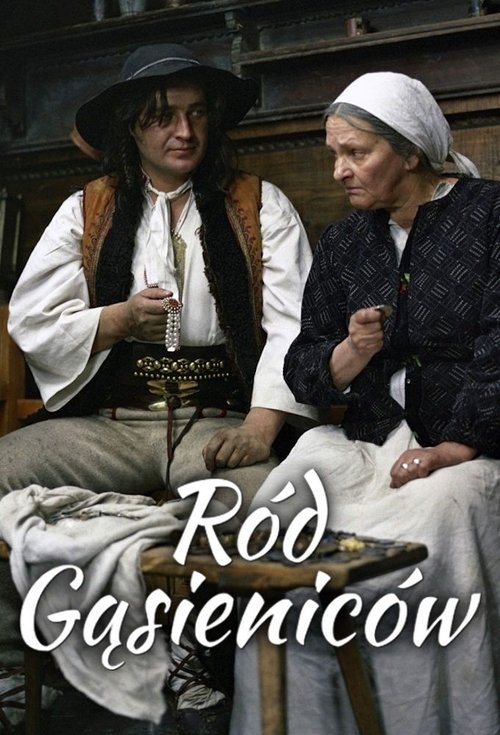
The series is a picture of the formation of the Zakopane community and the entire Podhale region, seen through the prism of historical and socio-economic changes over the years 1825-1918. The plot of the episodes shows: events of social and historical importance on the symbolic example of a highlander family - the Gąsienica family; and "human" matters - the great ones, such as love, death, murder, and the ordinary, everyday ones, such as work, struggle for existence, entertainment and fun.
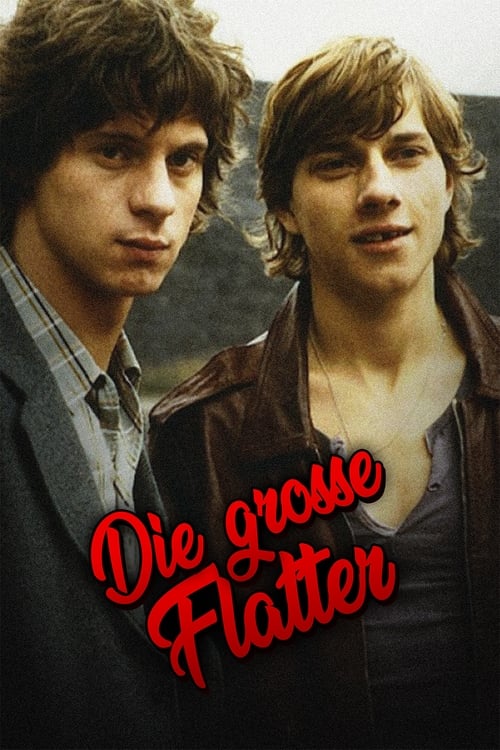
A miniseries about a pair of teenagers living in a slum at the fringes of Berlin. Alcoholism, prostitution, and violence are just a few of the themes of the three movies.
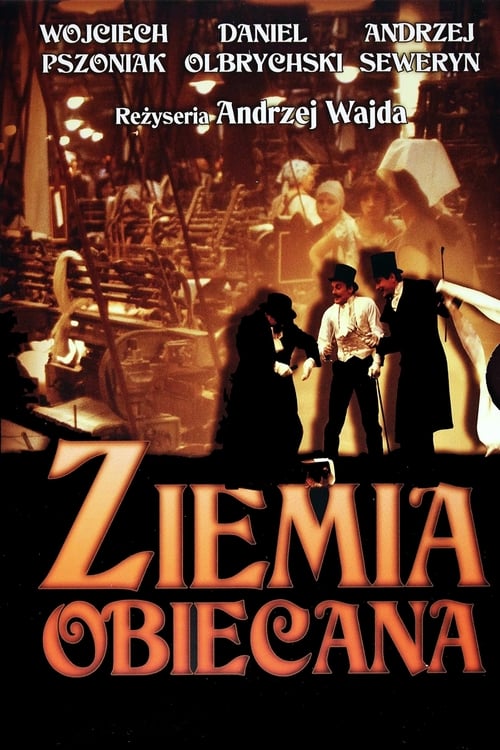
No plot available for this tvshow.
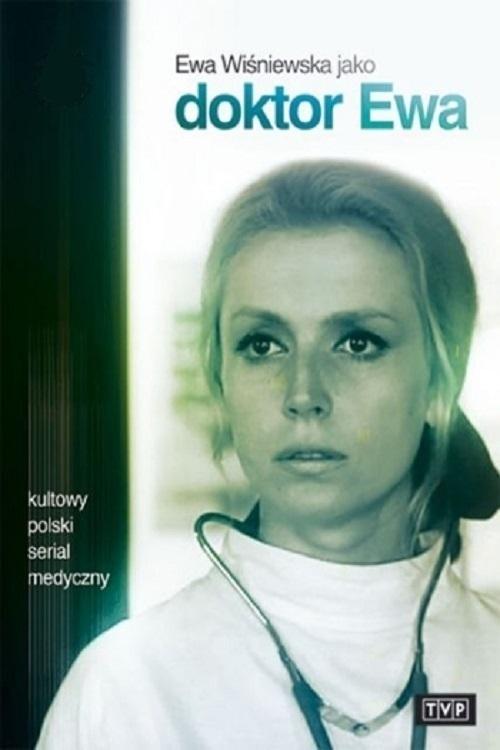
Doctor Ewa Lipska, an attractive young woman just after graduation, with interesting professional prospects for the future, chooses the job of a village doctor. Brought up in a big city, she settles in the small town of Międzybórz in the Łódź Province. She is forced not only to overcome the daily difficulties resulting from medical practice in a rural health center, but also to learn to talk to people of a different mentality and gain the trust of her patients.
Subscribe for exclusive insights on movies, TV shows, and games! Get top picks, fascinating facts, in-depth analysis, and more delivered straight to your inbox.