Drama
Comedy
Action & Adventure
Animation
Documentary
Family
Kids
Mystery
News
Reality
Sci-Fi & Fantasy
Soap
Talk
War & Politics
Western
Explore all TV shows appearances
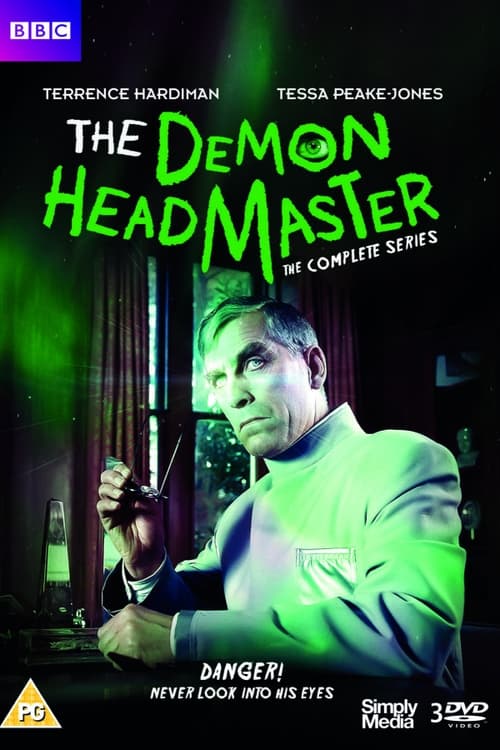
The Demon Headmaster is a British television series based on the children's books by Gillian Cross of the same name. Made for CBBC, the drama was first broadcast between 1996 and 1998. The first series contained six episodes, and aired twice weekly from 2 to 18 January 1996, the second series contained seven episodes, and aired once a week from 25 September to 6 November 1996, and the third series contained six episodes, and aired twice weekly from 6 to 22 January 1998. School location scenes in the first series were filmed at Hatch End High School, in Hatch End, Harrow, North West London and The Royal Masonic School for Girls in Rickmansworth, Hertfordshire. Other scenes were filmed around West London and the Vulcan Tower is in fact the Atrium building in Uxbridge. CGI was used to make this building appear on a traffic island close to Warwick Avenue tube station. Some scenes in the later series were filmed in the village of Sarratt, Hertfordshire and other locations in Hertfordshire and Buckinghamshire.
The Demon Headmaster is a British television series based on the children's books by Gillian Cross of the same name. Made for CBBC, the drama was first broadcast between 1996 and 1998. The first series contained six episodes, and aired twice weekly from 2 to 18 January 1996, the second series contained seven episodes, and aired once a week from 25 September to 6 November 1996, and the third series contained six episodes, and aired twice weekly from 6 to 22 January 1998. School location scenes in the first series were filmed at Hatch End High School, in Hatch End, Harrow, North West London and The Royal Masonic School for Girls in Rickmansworth, Hertfordshire. Other scenes were filmed around West London and the Vulcan Tower is in fact the Atrium building in Uxbridge. CGI was used to make this building appear on a traffic island close to Warwick Avenue tube station. Some scenes in the later series were filmed in the village of Sarratt, Hertfordshire and other locations in Hertfordshire and Buckinghamshire.

A satirical comedy-drama exploring the absurdities of modern life, politics, and society through a series of sketches and parodies.
Harry is a television drama series produced by Union Pictures for the BBC, and shown on BBC1 between 18 September 1993 and 12 April 1995. The programme follows a journalist called Harry Salter, who ran a news agency in the English town of Darlington.
Making News is a television drama set in the world of journalism produced by Thames Television for the ITV network. A pilot was screened in 1989, followed by one series of six episodes in 1990. The leading cast members included Bill Nighy, Alphonsia Emmanuel, Paul Darrow, Annie Lambert and Tony Osoba.
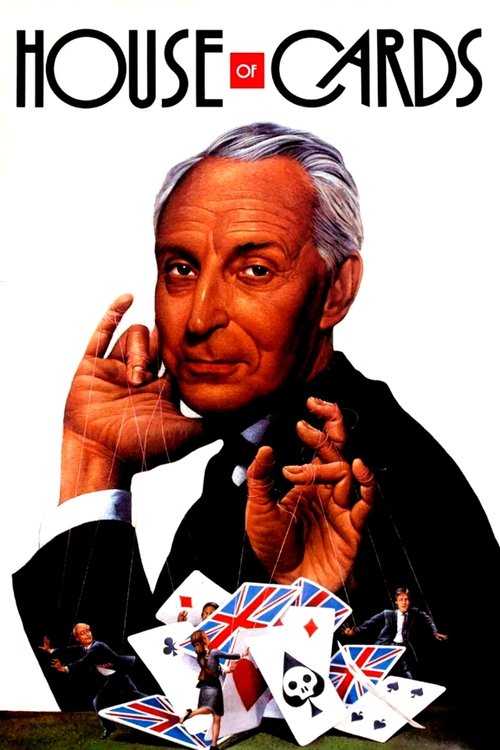
Frustrated at a new moderate Conservative government and deprived of a promotion to a senior position, chief whip Francis Urquhart prepares a meticulous plot to bring down the Prime Minister then to take his place.
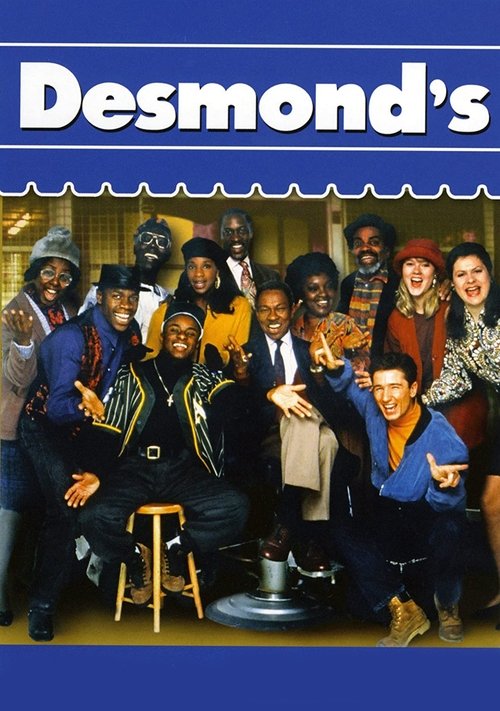
Desmond's was a British television situation comedy broadcast by Channel 4 from 1989 to 1994. With 71 episodes, Desmond's became Channel 4's longest-running sitcom. The first series was shot in 1988, with the first episode broadcast in January 1989. The show was made in and set in Peckham, London, England and featured a predominantly Black British Guyanese cast. Conceived and co-written by Trix Worrell, and produced by Charlie Hanson and Humphrey Barclay, this series starred Norman Beaton as barber Desmond Ambrose. Desmond's shop was a gathering place for an assortment of local characters.
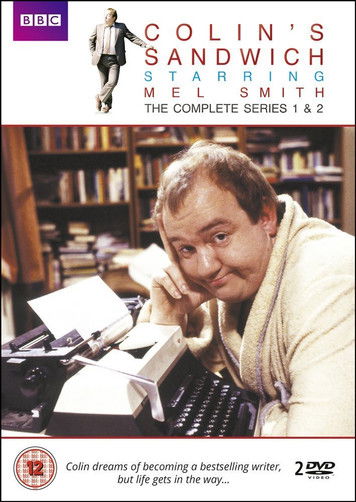
Colin's Sandwich is a British sitcom broadcast on BBC2 in 1988 and 1990 which stars Mel Smith as Colin Watkins, a British Rail clerk who aspired to be a horror writer. The show was written by Paul Smith and Terry Kyan and ran for two series of six episodes. In the second series, Colin manages to achieve some small successes as a writer.
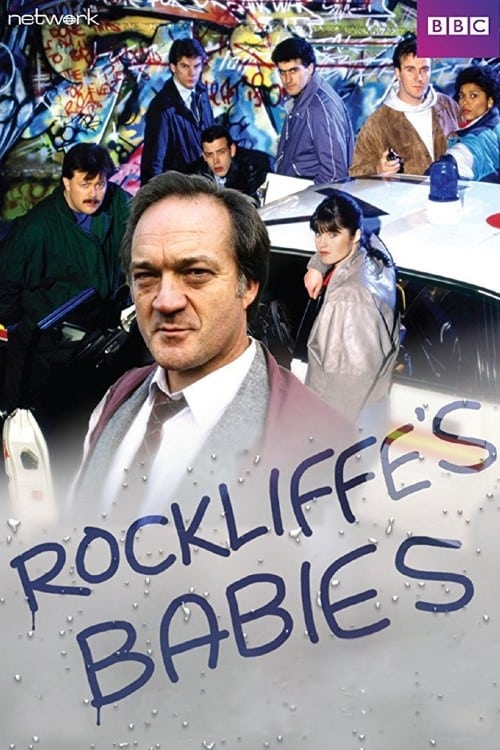
Rockliffe's Babies is a British television police procedural devised by Richard O'Keefe, and starring Ian Hogg as maverick Detective Sergeant Alan Rockliffe, who is assigned to train seven young recruits to the CID, all fresh out of uniform. Under his irascible guidance, it is hoped that they will blossom into full-blown detectives. But Rockliffe is human – so human that he makes more mistakes than the 'Babies' he's supposed to be training. A follow-up series, Rockliffe's Folly, follows Rockliffe through his relocation to Wessex, dealing with rural crimes as part of a new team of investigators. The seven episode third series proved to be the last, with many citing a change in the programme's formula for the heavy ratings decline. Many viewers stated that the success of the two Babies series came not from Rockliffe himself, but from the popular ensemble cast.
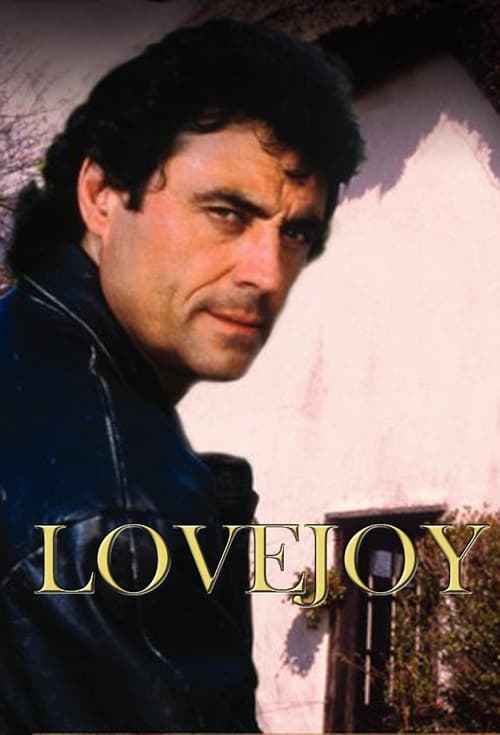
The adventures of the eponymous Lovejoy, a likeable but roguish antiques dealer based in East Anglia. Within the trade, he has a reputation as a “divvie”, a person with an almost supernatural powers for recognising exceptional items as well as distinguishing genuine antique from clever fakes or forgeries.
Subscribe for exclusive insights on movies, TV shows, and games! Get top picks, fascinating facts, in-depth analysis, and more delivered straight to your inbox.