
Drama
Comedy
Action & Adventure
Animation
Documentary
Family
Kids
Mystery
News
Reality
Sci-Fi & Fantasy
Soap
Talk
War & Politics
Western
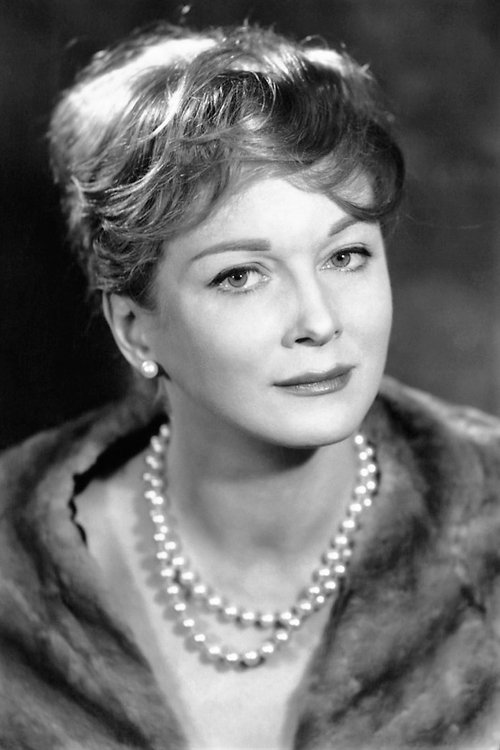
Joan Greenwood (4 March 1921 – 27 February 1987) was an English actress. Born in Chelsea, she studied at the Royal Academy of Dramatic Art. Her husky voice, coupled with her slow, precise elocution, was her trademark. Perhaps her most famous role was Gwendolen in The Importance of Being Earnest (1952). Description above from the Wikipedia article Joan Greenwood, licensed under CC-BY-SA, full list...
Not available
Enjoying the content? Support us!
Enjoying the content? Support us!
Explore all TV shows appearances

There's a murder at the elegant hotel where Miss Marple is staying and international adventurer Bess Sedgwick is the prime suspect.

Four girls share a flat together in London. Having nothing in common aside from their gender, they barely manage to co-exist.
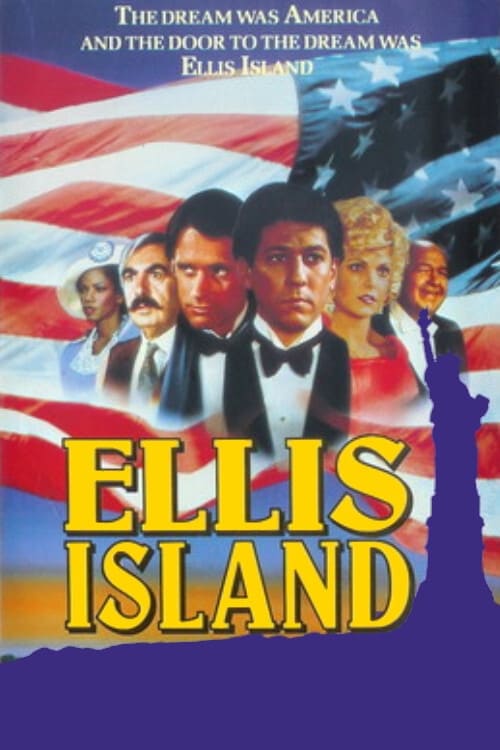
Ellis Island is a television miniseries broadcast in three parts in 1984 on the CBS television network. The screenplay was co-written by Fred Mustard Stewart, adapted from his 1983 novel of the same title. The series tells the story of several immigrants from the late 1800s until the early 1910s, trying to achieve the American Dream and arriving on Ellis Island, hoping for a better life. Ellis Island highlighted numerous important events which occurred up to and during World War I, and many of the characters are based on real persons, such as Irving Berlin.
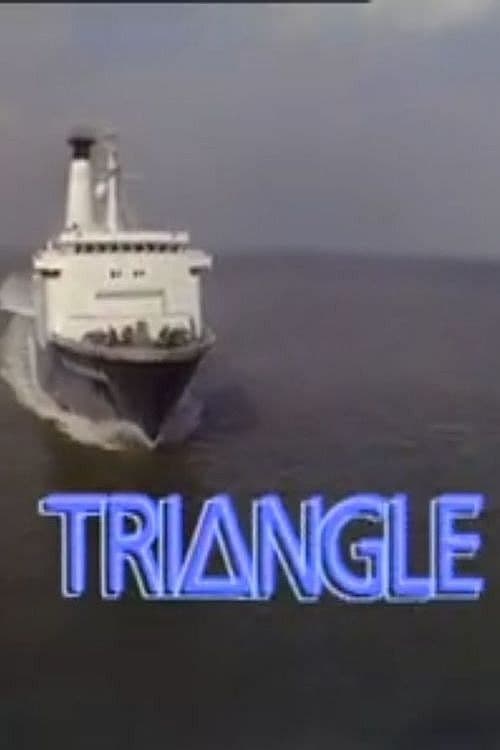
Triangle was a BBC Television soap opera in the early 1980s, set aboard a North Sea ferry which sailed from Felixstowe to Gothenburg and Gothenburg to Amsterdam. A third imaginary leg existed between Amsterdam and Felixstowe to justify the programme title, but this was not operated by the ferry company. The show ran for three series before being cancelled, but is still generally remembered as "some of the most mockable British television ever produced". The scripts involved clichéd relationships and stilted dialogue, making the show the butt of several jokes - particularly on Terry Wogan's morning Radio 2 programme - which caused some embarrassment to the BBC. In 1992, the BBC screened TV Hell, an evening of programming devoted to the worst television had to offer, and the first episode of Triangle was broadcast as part of the line-up. The ferry used in the first series was the Tor Line's MS Tor Scandinavia. In the second and third series this was replaced by the DFDS vessel Dana Anglia probably because she had a less intensive schedule and the longer time she spent in port made on-board filming easier.
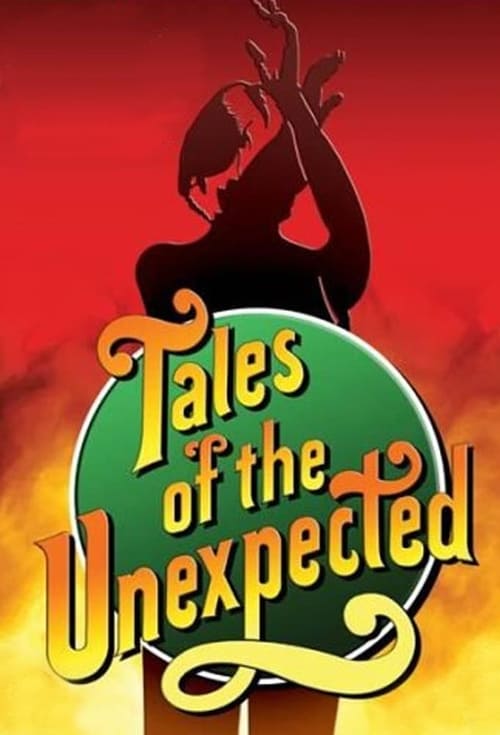
A British television anthology of stories, often with sinister and wryly comedic undertones, and a twist at the end. With early episodes written and presented by Roald Dahl, the series featured a plethora of big name guest stars.
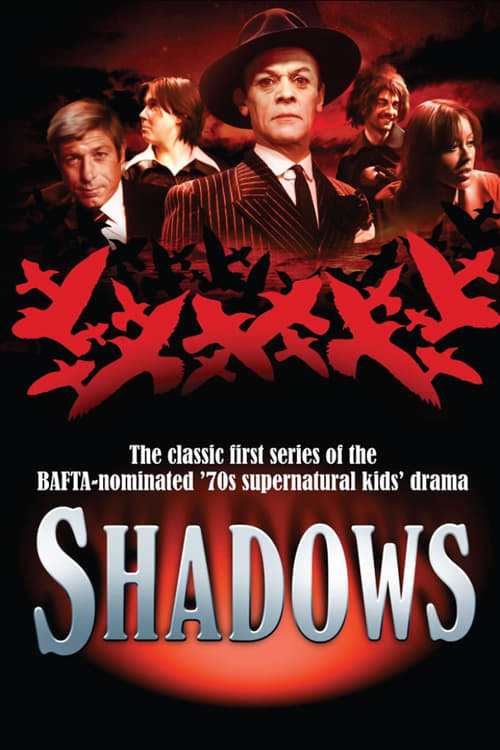
Shadows is a British Supernatural television anthology series produced by Thames Television for ITV between 1975 and 1978. Extending over three seasons, it featured ghost and horror dramas for children. Guest actors included John Nettleton, Gareth Thomas, Jenny Agutter, Pauline Quirke, Brian Glover, June Brown, Rachel Herbert, Jacqueline Pearce and Gwyneth Strong. The series was also notable for reviving the character of Mr. Stabs. Notable writers for the series included J. B. Priestley, Fay Weldon and PJ Hammond.
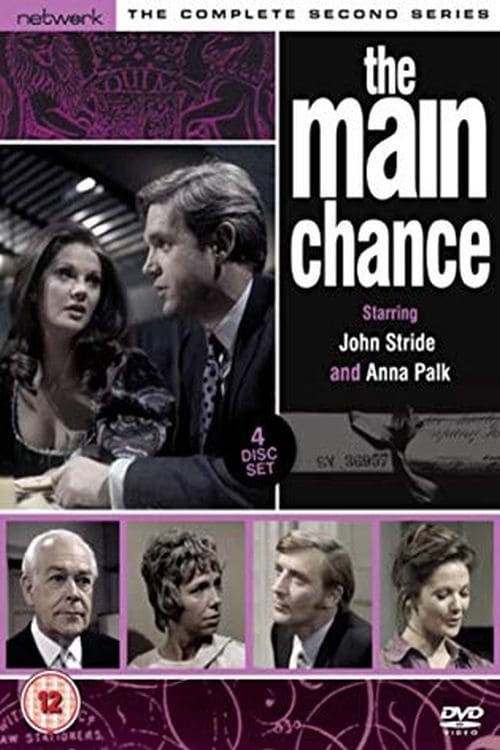
The Main Chance was a British television series which first aired on ITV between 1969,1970,1972 and 1975. A drama, it depicts the sudden transformation in the life of solicitor David Main who relocates from London to Leeds.

An anthology of 1920s set plays and musicals, transmissioned from 10 September to 10 December 1968 on BBC One.

A BBC television anthology series featuring productions of classic and contemporary stage plays usually broadcast on BBC1. Each production featured a different work, often using prominent British stage actors in the leading roles. The series was transmitted from October 1965 to September 1983.
An anthology series of television plays which aired on BBC1 from October 1964 to May 1970. The plays were usually written for television, although adaptations from other sources also featured.
Subscribe for exclusive insights on movies, TV shows, and games! Get top picks, fascinating facts, in-depth analysis, and more delivered straight to your inbox.