
Drama
Comedy
Action & Adventure
Animation
Documentary
Family
Kids
Mystery
News
Reality
Sci-Fi & Fantasy
Soap
Talk
War & Politics
Western
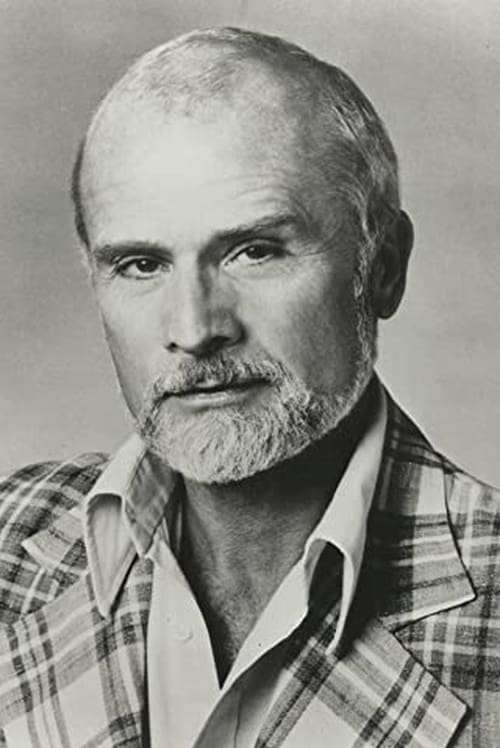
Born in Baton Rouge, Louisiana, he studied at Louisiana State University and the Carnegie Institute of Technology. During WWII, he served in the Navy. His career was started in New York, acting in regional and Off-Broadway Theatre until his Broadway debut in the musical, "Candide" in 1956. Edmonds stage role in "The Importance of Being Earnest" and his work on the accompanying album led him to tel...
Explore all TV shows appearances

All My Children is an American television soap opera that aired on ABC for 41 years, from January 5, 1970 to September 23, 2011, and on The Online Network since April 29, 2013 via Hulu, Hulu Plus, and iTunes. Created by Agnes Nixon, All My Children is set in Pine Valley, Pennsylvania, a fictitious suburb of Philadelphia which is modeled on the actual Philadelphia suburb of Rosemont.

Dark Shadows is an American gothic soap opera that originally aired weekdays on the ABC television network, from June 27, 1966, to April 2, 1971. The show was created by Dan Curtis. The story bible, which was written by Art Wallace, does not mention any supernatural elements. It was unprecedented in daytime television when ghosts were introduced about six months after it began. The series became hugely popular when vampire Barnabas Collins appeared a year into its run. Dark Shadows also featured werewolves, zombies, man-made monsters, witches, warlocks, time travel, and a parallel universe. A small company of actors each played many roles; indeed, as actors came and went, some characters were played by more than one actor. Major writers besides Art Wallace included Malcolm Marmorstein, Sam Hall, Gordon Russell, and Violet Welles.

Young Doctor Malone is an American soap opera, created by Irna Phillips, which had a long run on radio and television from 1939 to 1963. The producer was Betty Corday, who also produced Pepper Young's Family and later was a co-creator with husband Ted Corday of NBC Daytime's Days of our Lives. Sponsored by General Foods and Post Cereals, the radio serial began on the Blue Network on November 20, 1939. The 15-minute program aired daily at 11:15am, continuing until April 26, 1940. Without a break, it moved to CBS on April 29, 1940, where it was heard for two decades, first airing at 2:00pm weekdays and then 1:30pm. In 1945, Procter & Gamble assumed sponsorship of the program.
Hallmark Hall of Fame is an anthology program on American television, sponsored by Hallmark Cards, a Kansas City based greeting card company. The longest-running primetime series in the history of television, it has a historically long run, beginning during 1951 and continuing into 2013. From 1954 onward, all of its productions have been shown in color, although color television video productions were extremely rare in 1954. Many television movies have been shown on the program since its debut, though the program began with live telecasts of dramas and then changed to videotaped productions before finally changing to filmed ones. The series has received eighty Emmy Awards, twenty-four Christopher Awards, eleven Peabody Awards, nine Golden Globes, and four Humanitas Prizes. Once a common practice in American television, it is the last remaining television program such that the title includes the name of the sponsor. Unlike other long-running TV series still on the air, it differs in that it broadcasts only occasionally and not on a weekly broadcast programming schedule.
Hallmark Hall of Fame is an anthology program on American television, sponsored by Hallmark Cards, a Kansas City based greeting card company. The longest-running primetime series in the history of television, it has a historically long run, beginning during 1951 and continuing into 2013. From 1954 onward, all of its productions have been shown in color, although color television video productions were extremely rare in 1954. Many television movies have been shown on the program since its debut, though the program began with live telecasts of dramas and then changed to videotaped productions before finally changing to filmed ones. The series has received eighty Emmy Awards, twenty-four Christopher Awards, eleven Peabody Awards, nine Golden Globes, and four Humanitas Prizes. Once a common practice in American television, it is the last remaining television program such that the title includes the name of the sponsor. Unlike other long-running TV series still on the air, it differs in that it broadcasts only occasionally and not on a weekly broadcast programming schedule.
Hallmark Hall of Fame is an anthology program on American television, sponsored by Hallmark Cards, a Kansas City based greeting card company. The longest-running primetime series in the history of television, it has a historically long run, beginning during 1951 and continuing into 2013. From 1954 onward, all of its productions have been shown in color, although color television video productions were extremely rare in 1954. Many television movies have been shown on the program since its debut, though the program began with live telecasts of dramas and then changed to videotaped productions before finally changing to filmed ones. The series has received eighty Emmy Awards, twenty-four Christopher Awards, eleven Peabody Awards, nine Golden Globes, and four Humanitas Prizes. Once a common practice in American television, it is the last remaining television program such that the title includes the name of the sponsor. Unlike other long-running TV series still on the air, it differs in that it broadcasts only occasionally and not on a weekly broadcast programming schedule.
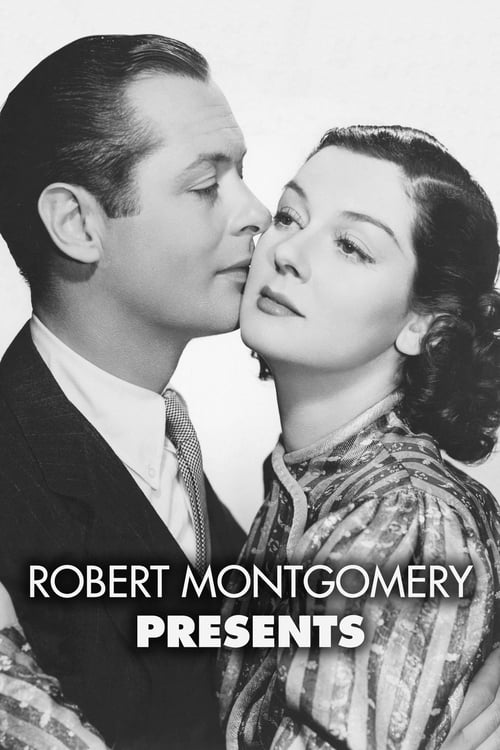
Robert Montgomery Presents is an American dramatic television series which was produced by NBC from January 30, 1950 until June 24, 1957. The live show had several sponsors during its seven-year run, and the title was altered to feature the sponsor, usually Lucky Strike cigarettes, for example, Robert Montgomery Presents Your Lucky Strike Theater, ....The Johnson's Wax Program, and so on.
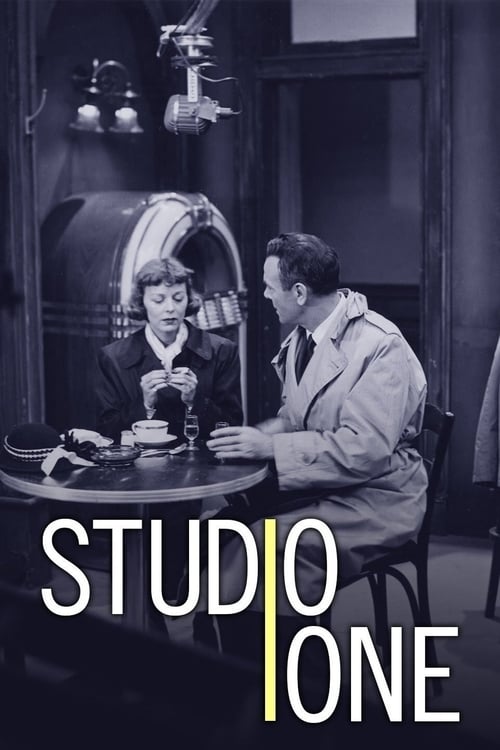
An American radio–television anthology series, created in 1947 by Canadian director Fletcher Markle, who came to CBS from the CBC. Studio One, presented by Westinghouse, was one of the first of the anthology TV programs. The episodes were often abridged remakes of movies from years gone by and many future well-known television and movie actors appeared in the productions.
Subscribe for exclusive insights on movies, TV shows, and games! Get top picks, fascinating facts, in-depth analysis, and more delivered straight to your inbox.