
Drama
Comedy
Action & Adventure
Animation
Documentary
Family
Kids
Mystery
News
Reality
Sci-Fi & Fantasy
Soap
Talk
War & Politics
Western
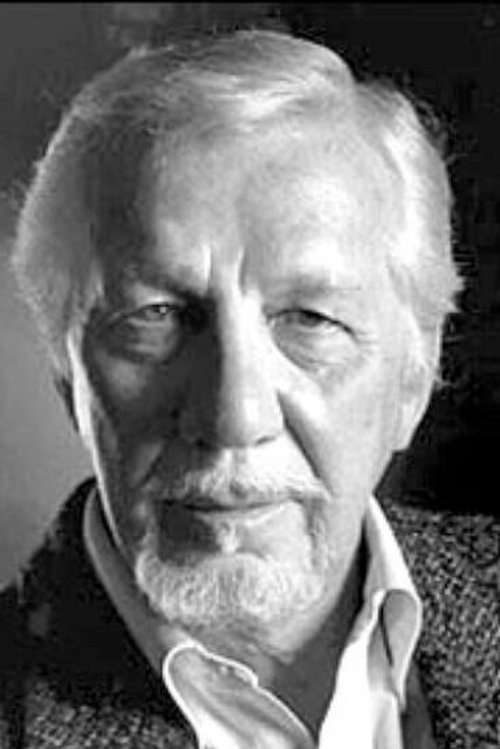
William Hutt, born in 1920 in Toronto, crafted a distinguished career rooted in Canada's theatre scene. Opting for a quieter path, he joined the Stratford Shakespearean Festival, becoming an integral part since its inception in 1953. Renowned for his iconic Shakespearean roles like Hamlet and Lear, he periodically explored film and television, showcasing his talent in performances like Tiny Alice ...
Not available
Enjoying the content? Support us!
Enjoying the content? Support us!
Explore all TV shows appearances
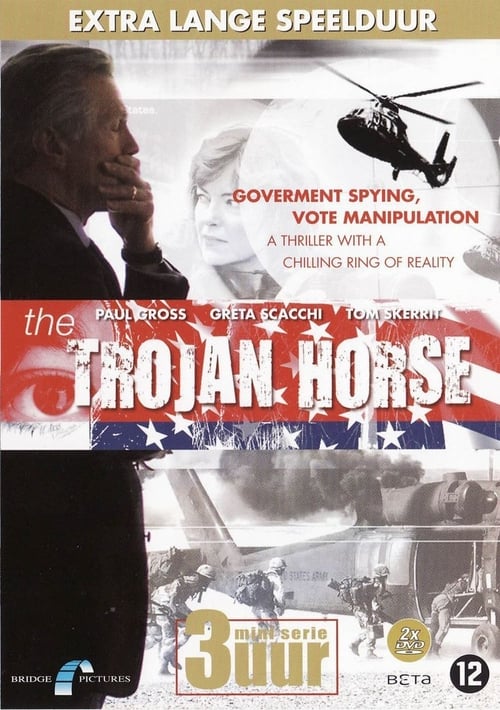
Politician Tom McLaughlin watches from the sidelines as Canada relinquishes sovereignty and joins the United States. He refuses to lose his country without a fight, whether it's fair or not.

This darkly comic Canadian series follows the fortunes of a dysfunctional Shakespearean theatre troupe at the fictional New Burbage Festival, exposing the high drama, scorching battles, and artistic miracles that happen behind the scenes.
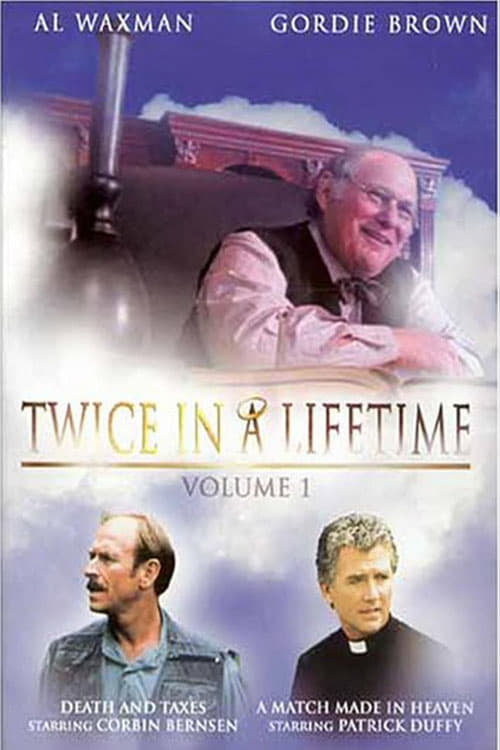
Prematurely deceased people are given the opportunity to correct something that went wrong in their lives and thus change them for the better.
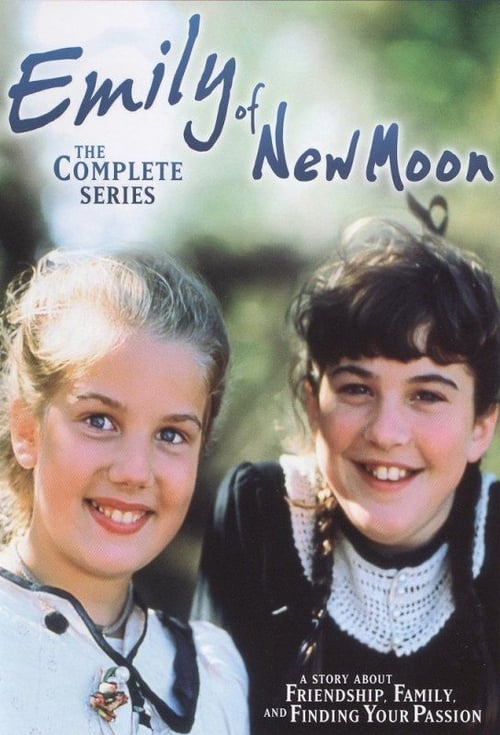
Emily of New Moon is a Canadian television series, which aired on CBC Television from 1998 to 2000. The series originally aired in the United States on the Cookie Jar Toons block on This TV and it is currently seen in Canada on the Viva, Bravo! and Vision TV cable channels. The series, produced by Salter Street Films, was based on the Emily of New Moon series of novels by Lucy Maud Montgomery. The series consisted of three seasons of thirteen episodes and one season of seven episodes, for a total of forty-six. The executive producers were Micheline Charest, Michael Donovan, and Ronald Weinberg. The series starred Martha MacIsaac as the titular orphan Emily Starr. Susan Clark and Sheila McCarthy played Emily's aunts Elizabeth and Laura, who had taken on the responsibility of raising Emily following her father's death, and Stephen McHattie played her cousin Jimmy. Susan Clark left the series after the first season when her character, Elizabeth, was killed off. Recurring cast included Chip Ciupka as Mr. Carpenter, Peter Donaldson as Ian Bowles, Richard Donat as Dr. Burnley, Kris Lemche as Perry Miller, John Neville as Uncle Malcolm, Jessica Pellerin as Ilse Burnley, Shawn Roberts as Teddy Kent, and Linda Thorson as Cousin Isabel.
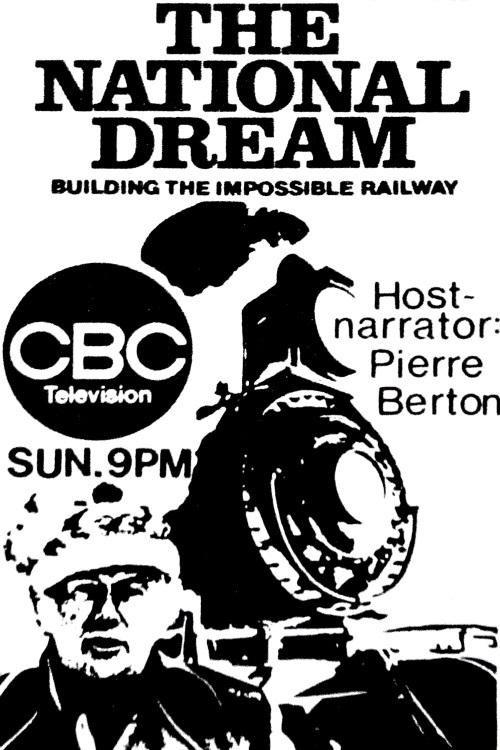
A combination of documentary and dramatic reconstructions, depicting the conception and construction of the Canadian Pacific Railway in the late 19th century.
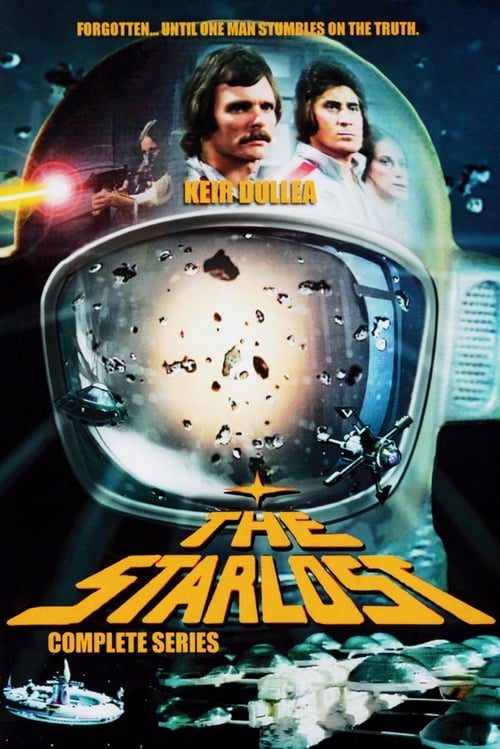
A huge generational colony spacecraft called The Ark has gone off-course. Many of the descendants from the original crew and colonists are unaware that they are aboard a ship.
Long-running anthology program sponsored by Hallmark Cards. Beginning in 1951 and continuing into 2019, the series received 80 Emmy Awards, 24 Christopher Awards, 11 Peabody Awards, 9 Golden Globes, and 4 Humanitas Prizes. Early seasons were a weekly live drama, eventually transitioning to videotaped and then filmed productions broadcast as occasional specials.
Long-running anthology program sponsored by Hallmark Cards. Beginning in 1951 and continuing into 2019, the series received 80 Emmy Awards, 24 Christopher Awards, 11 Peabody Awards, 9 Golden Globes, and 4 Humanitas Prizes. Early seasons were a weekly live drama, eventually transitioning to videotaped and then filmed productions broadcast as occasional specials.
Subscribe for exclusive insights on movies, TV shows, and games! Get top picks, fascinating facts, in-depth analysis, and more delivered straight to your inbox.