Drama
Comedy
Action & Adventure
Animation
Documentary
Family
Kids
Mystery
News
Reality
Sci-Fi & Fantasy
Soap
Talk
War & Politics
Western
Explore all TV shows appearances
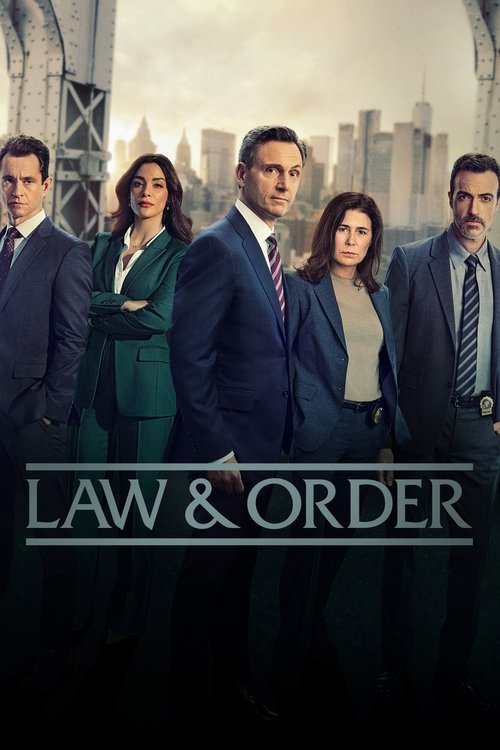
In cases ripped from the headlines, police investigate serious and often deadly crimes, weighing the evidence and questioning the suspects until someone is taken into custody. The district attorney's office then builds a case to convict the perpetrator by proving the person guilty beyond a reasonable doubt. Working together, these expert teams navigate all sides of the complex criminal justice system to make New York a safer place.
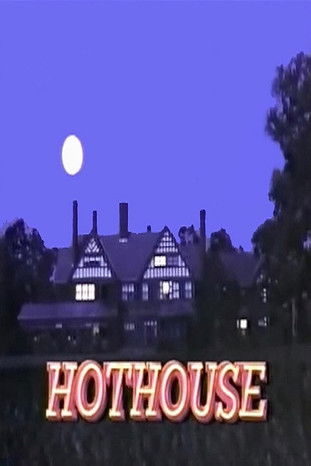
A medical drama set in a New England psychiatric clinic includes father-and-son discord between the head of the facility and its business manager.
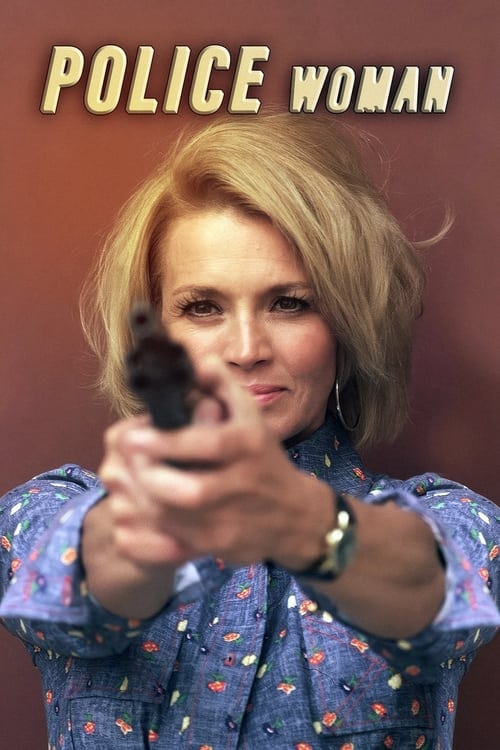
Sergeant “Pepper"” Anderson, an undercover cop for the Criminal Conspiracy Unit of the Los Angeles Police Department, poses undercover from mob girl to prostitute.

A World Apart is an American daytime drama which ran from March 30, 1970 to June 25, 1971 on the ABC television network.
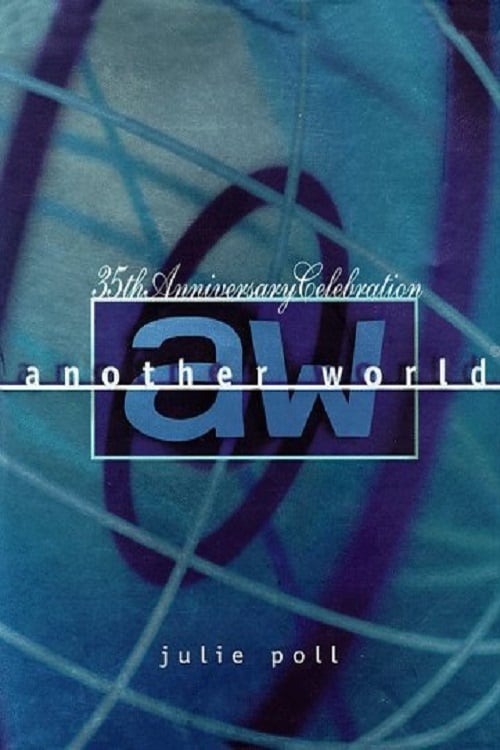
Another World is an American television soap opera that ran on NBC for 35 years from May 4, 1964 to June 25, 1999. Set in the fictional town of Bay City, the show in its early years opens with announcer Bill Wolff intoning its epigram, “We do not live in this world alone, but in a thousand other worlds,” which Phillips said represented the difference between “the world of events we live in, and the world of feelings and dreams that we strive for.” Another World focused less on the conventional drama of domestic life as seen in other soap operas, and more on exotic melodrama between families of different classes and philosophies.
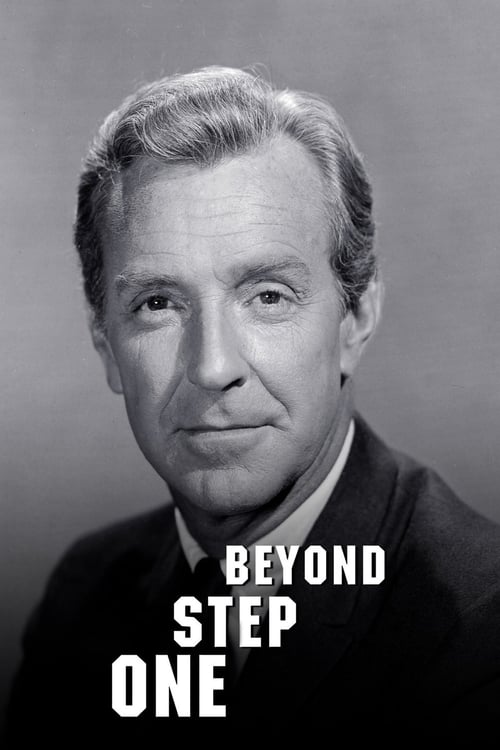
Alcoa Presents: One Step Beyond is an American anthology series created by Merwin Gerard. The original series ran for three seasons on ABC from January 1959 to July 1961.
Young Doctor Malone is an American soap opera, created by Irna Phillips, which had a long run on radio and television from 1939 to 1963. The producer was Betty Corday, who also produced Pepper Young's Family and later was a co-creator with husband Ted Corday of NBC Daytime's Days of our Lives. Sponsored by General Foods and Post Cereals, the radio serial began on the Blue Network on November 20, 1939. The 15-minute program aired daily at 11:15am, continuing until April 26, 1940. Without a break, it moved to CBS on April 29, 1940, where it was heard for two decades, first airing at 2:00pm weekdays and then 1:30pm. In 1945, Procter & Gamble assumed sponsorship of the program.
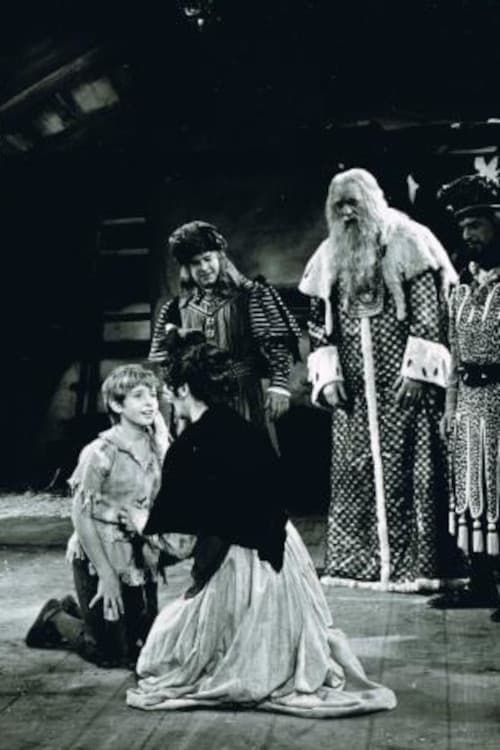
Matinee Theater is an American anthology series that aired on NBC during the Golden Age of Television, from 1955 to 1958. The series, which ran daily in the afternoon, was frequently live. It was produced by Albert McCleery, Darrell Ross, George Cahan and Frank Price with executive producer George Lowther. McCleery had previously produced the live series Cameo Theatre which introduced to television the concept of theater-in-the-round, TV plays staged with minimal sets. Jim Buckley of the Pewter Plough Playhouse recalled: When Al McCleery got back to the States, he originated a most ambitious theatrical TV series for NBC called Matinee Theater: to televise five different stage plays per week live, airing around noon in order to promote color TV to the American housewife as she labored over her ironing. Al was the producer. He hired five directors and five art directors. Richard Bennett, one of our first early presidents of the Pewter Plough Corporation, was one of the directors and I was one of the art directors and, as soon as we were through televising one play, we had lunch and then met to plan next week’s show. That was over 50 years ago, and I’m trying to think; I believe the TV art director is his own set decorator —yes, of course! It had to be, since one of McCleery’s chief claims to favor with the producers was his elimination of the setting per se and simply decorating the scene with a minimum of props. It took a bit of ingenuity.
An anthology series adapting some of the science fiction stories of the time.
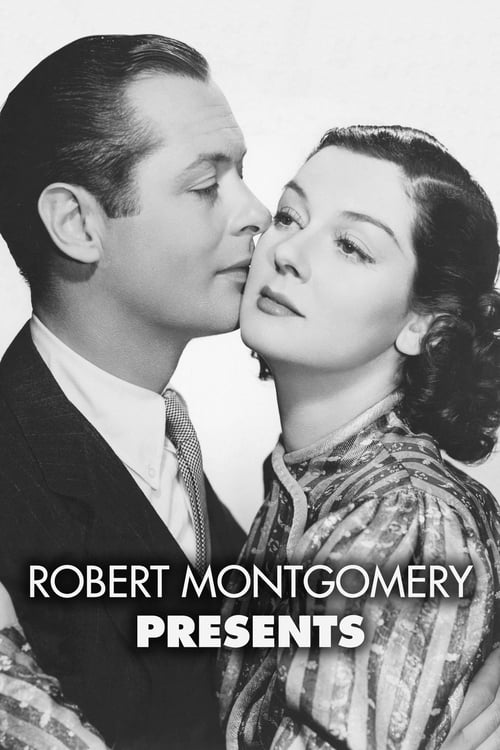
Robert Montgomery Presents is an American dramatic television series which was produced by NBC from January 30, 1950 until June 24, 1957. The live show had several sponsors during its seven-year run, and the title was altered to feature the sponsor, usually Lucky Strike cigarettes, for example, Robert Montgomery Presents Your Lucky Strike Theater, ....The Johnson's Wax Program, and so on.
Subscribe for exclusive insights on movies, TV shows, and games! Get top picks, fascinating facts, in-depth analysis, and more delivered straight to your inbox.