
Drama
Comedy
Action & Adventure
Animation
Documentary
Family
Kids
Mystery
News
Reality
Sci-Fi & Fantasy
Soap
Talk
War & Politics
Western
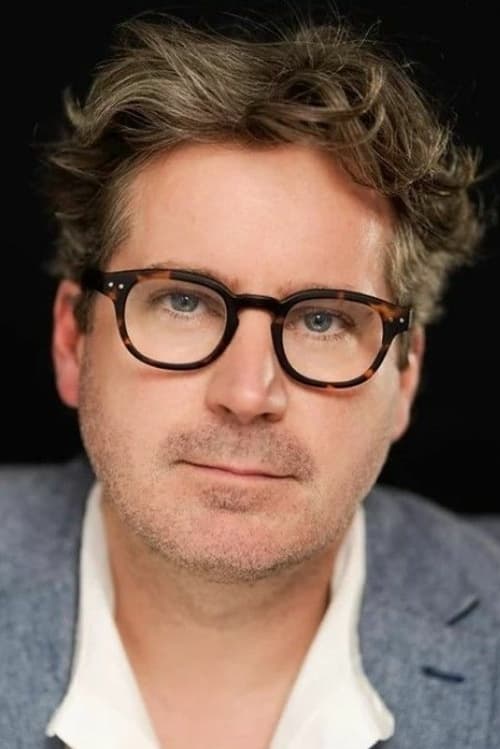
Daniel Brochu was born on 28 February 1970 in Montreal, Quebec, Canada. He is an actor, known for Arthur (1996), To Catch a Killer (2023) and Mr. Nobody (2009). He has been married to Sara Bradeen since 2 July 2005. They have two children.
Not available
Enjoying the content? Support us!
Enjoying the content? Support us!
Explore all TV shows appearances
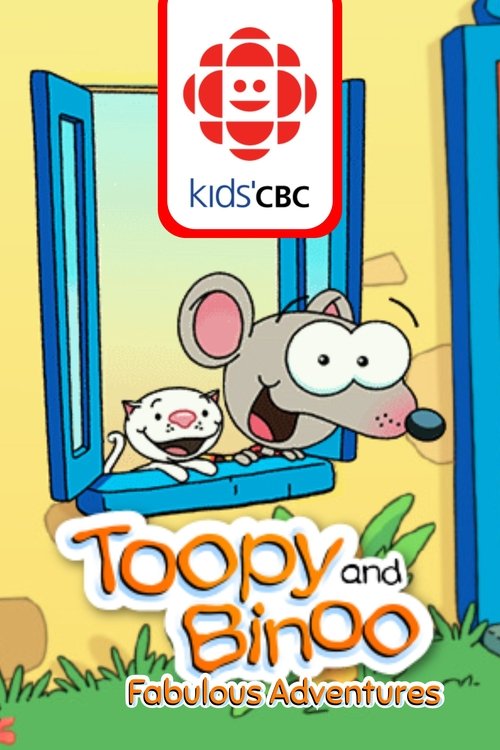
Toopy and Binoo is a beloved animated preschool series that revolves around the heartwarming friendship between Toopy, an enthusiastic and impulsive mouse, and Binoo, a logical and sensible cat.
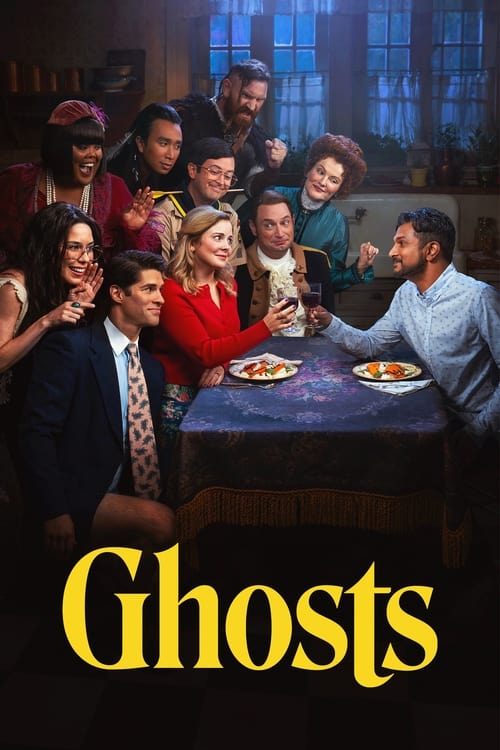
Samantha and Jay throw caution to the wind when they convert their recently inherited country estate into a bed-and-breakfast. Call it mislaid plans. Not only is the place falling apart, but it’s also inhabited by spirits of previous residents -- whom only Samantha can see and hear.
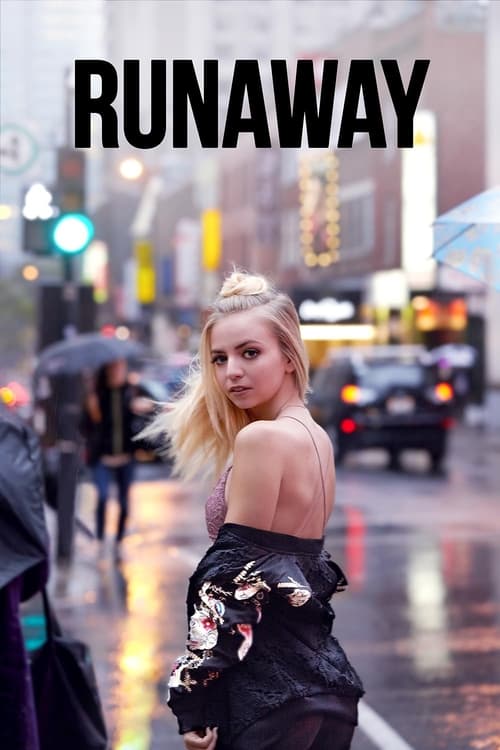
The tragic yet hopeful story of Fanny, a young teen from a good suburban home whose life spirals out of control when she falls for a manipulative and abusive man.
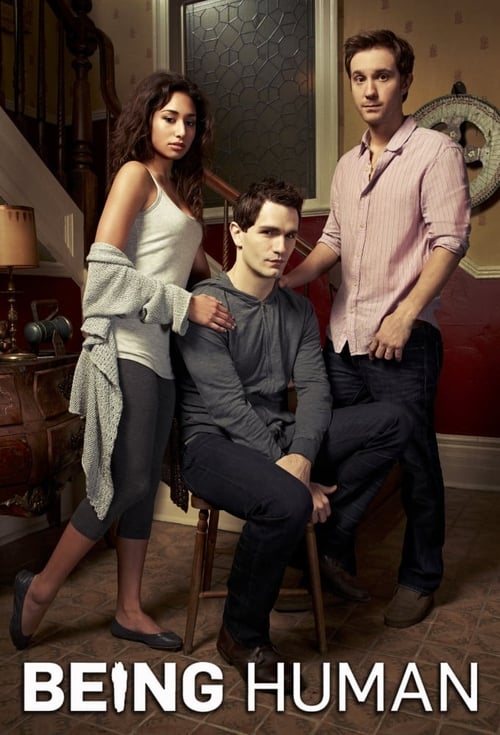
Three paranormal roommates, a ghost, a vampire, and a werewolf, struggle to keep their dark secrets from the world, while helping each other navigate the complexities of living double lives.
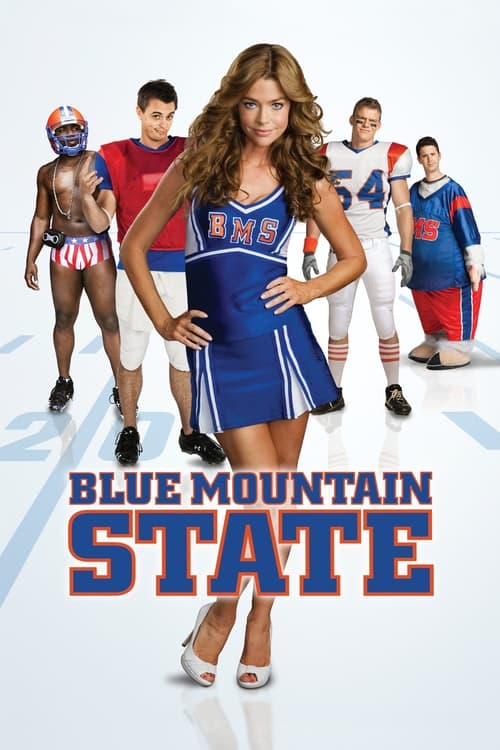
Three incoming freshman in a big-time, Midwestern college football program have to juggle football, girls, class and nonstop hazing.
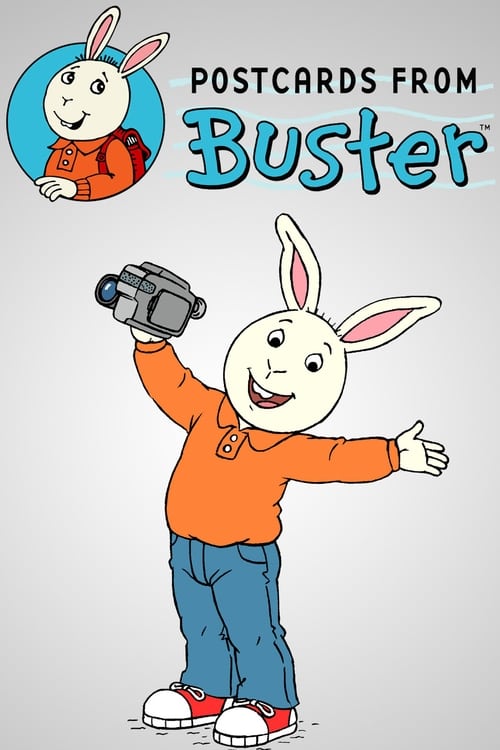
Postcards from Buster is a children's television series for children aged 6–12, containing both animation and live-action that originally aired on Public Broadcasting Service. It is a spin-off of the Arthur cartoon series. The show stars Arthur's best friend, 8-year-old rabbit Buster Baxter. Inspired by a 2003 episode of Arthur entitled "Postcards from Buster", the television series was produced by Cinar and Marc Brown Studios. It first aired October 11, 2004, on PBS Kids Go!. Buster's interests include eating anything, reading comic books, and playing video games. Buster's personality is that of a fairly intelligent and curious child. He also believes that extraterrestrials are real. Buster's parents are divorced; in this series, Buster is seen with his father, Bo Baxter.
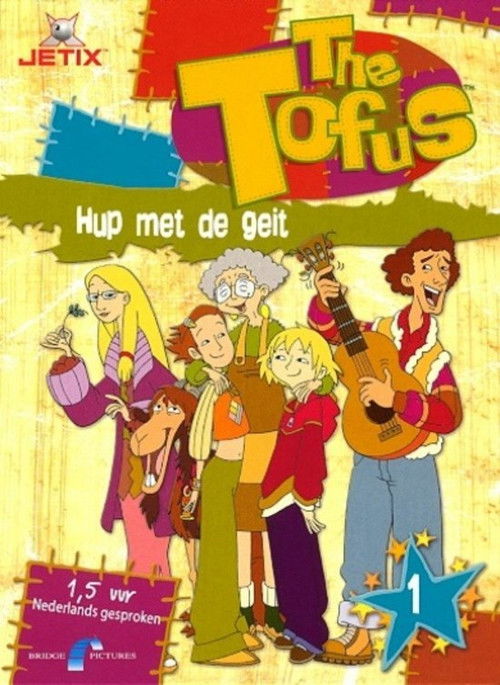
A satirical parody of the environmentalist lifestyle epitomized by its title family, which consists of Mom, Pop, Chichi, Lola, and Buba. The show is set in the fictional town of Beauvillage, and lampoons many aspects of the environmental movement, including environmental organizations, animal rights, and pacifism.
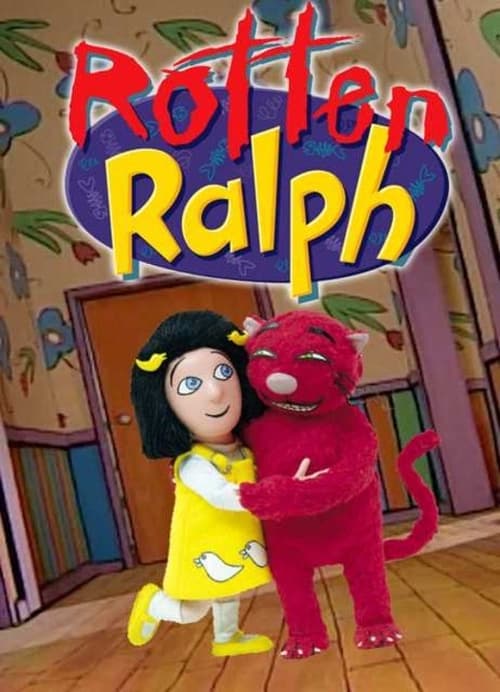
The fast-paced antics of a troublesome red cat as he pulls pranks and generally enrages his family and everyone else he meets.

Gentle blue hippo MumbleBumble and his friends, inquisitive chicken Chic'o and hyperactive frog Greens, create various arts and crafts and have tons of fun at their home on a windmill in the forest.
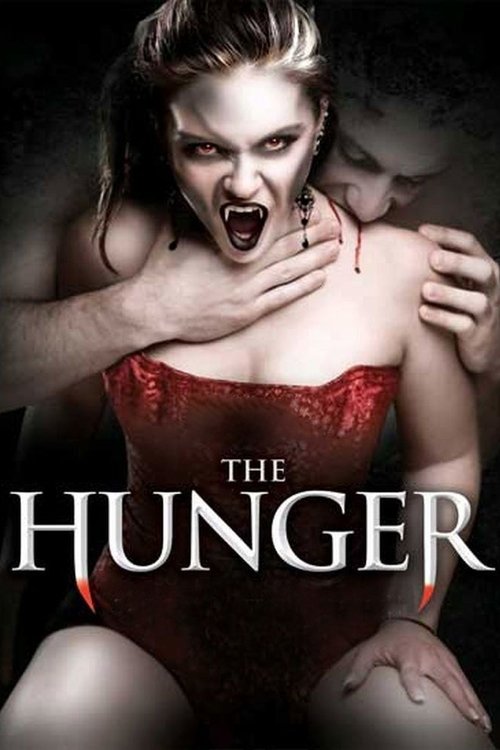
The Hunger is a British/Canadian television horror anthology series, co-produced by Scott Free Productions, Telescene Film Group Productions and the Canadian pay-TV channel The Movie Network. Though it shares a title with the feature film The Hunger the series has no direct plot or character connection to the film, and was created by Jeff Fazio. Originally shown on the Sci Fi Channel in the UK, The Movie Network in Canada and Showtime in the US, the series was broadcast from 1997 to 2000, and is internally organized into two seasons. Each episode was based around an independent story introduced by the host; Terence Stamp hosted each episode for the first season, and was replaced in the second season by David Bowie. Stories tended to focus on themes of self-destructive desire and obsession, with a strong component of soft-core erotica; popular tropes for the stories included cannibalism, vampires, sex, and poison.
Subscribe for exclusive insights on movies, TV shows, and games! Get top picks, fascinating facts, in-depth analysis, and more delivered straight to your inbox.