
Drama
Comedy
Action & Adventure
Animation
Documentary
Family
Kids
Mystery
News
Reality
Sci-Fi & Fantasy
Soap
Talk
War & Politics
Western
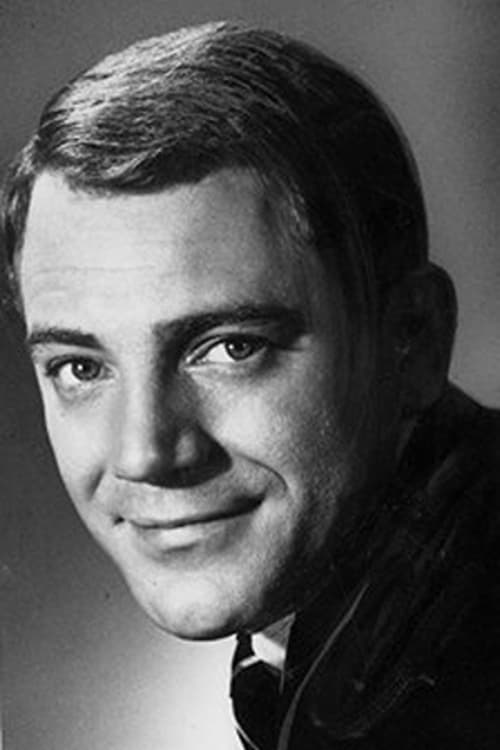
Billy Van, originally named Billy Van Evera, was born in Toronto in 1934. At the age of 12, he and his four brothers formed a singing group and began touring North America. In the 1960s, he started his journey to becoming one of Canada's most beloved comedians. He gained national recognition through his appearances on the CBC TV series Nightcap, which was known for its irreverent satire, low budge...
Not available
Enjoying the content? Support us!
Enjoying the content? Support us!
Explore all TV shows appearances
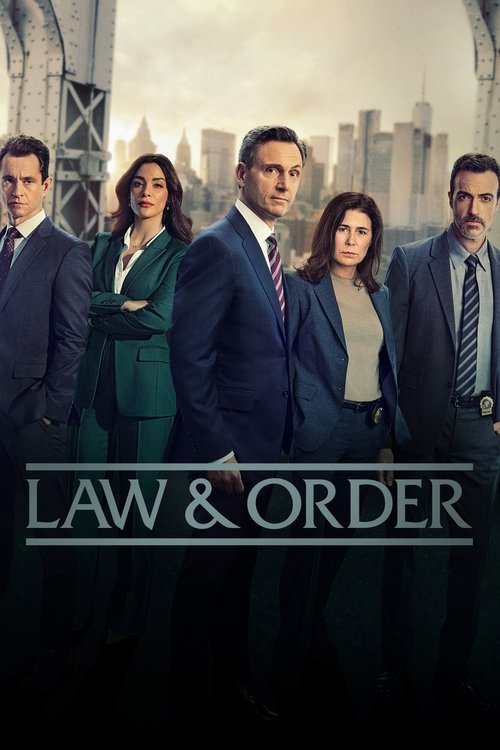
In cases ripped from the headlines, police investigate serious and often deadly crimes, weighing the evidence and questioning the suspects until someone is taken into custody. The district attorney's office then builds a case to convict the perpetrator by proving the person guilty beyond a reasonable doubt. Working together, these expert teams navigate all sides of the complex criminal justice system to make New York a safer place.
In cases ripped from the headlines, police investigate serious and often deadly crimes, weighing the evidence and questioning the suspects until someone is taken into custody. The district attorney's office then builds a case to convict the perpetrator by proving the person guilty beyond a reasonable doubt. Working together, these expert teams navigate all sides of the complex criminal justice system to make New York a safer place.
In cases ripped from the headlines, police investigate serious and often deadly crimes, weighing the evidence and questioning the suspects until someone is taken into custody. The district attorney's office then builds a case to convict the perpetrator by proving the person guilty beyond a reasonable doubt. Working together, these expert teams navigate all sides of the complex criminal justice system to make New York a safer place.
In cases ripped from the headlines, police investigate serious and often deadly crimes, weighing the evidence and questioning the suspects until someone is taken into custody. The district attorney's office then builds a case to convict the perpetrator by proving the person guilty beyond a reasonable doubt. Working together, these expert teams navigate all sides of the complex criminal justice system to make New York a safer place.
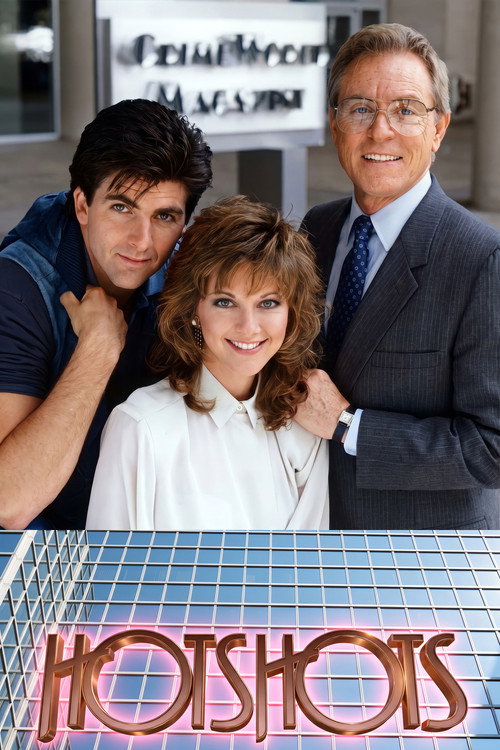
Hot Shots was a short-lived Canadian television drama series, which aired on CBS in the United States in 1986, and CTV in Canada in 1987. The series, produced by CTV for the CBS Late Night block of crime drama series, starred Dorothy Parke and Booth Savage as Amanda Reed and Jake West, crime journalists for the tabloid magazine Crime World. The cast also included Paul Burke, Clark Johnson, Heather Smith and Mung Ling. Only twelve episodes of the show were produced. Its producers went on to create Diamonds the following year.
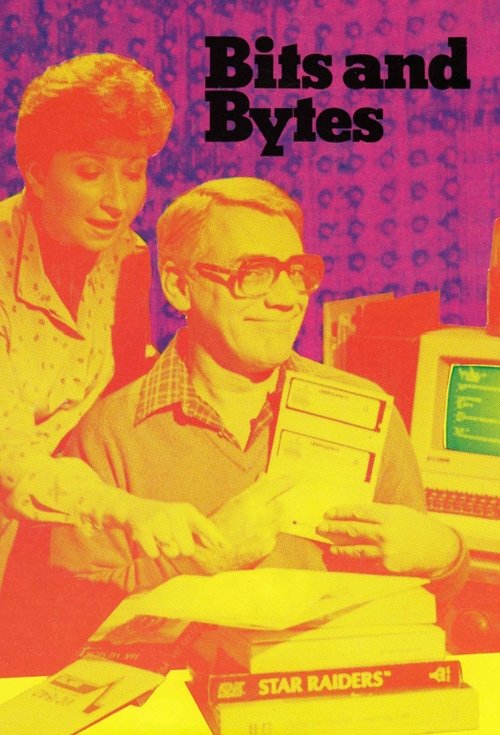
Bits and Bytes was the name for two Canadian television series, starring Billy Van, who teaches people the basics of how to use a computer. The first series debuted in 1983 and the second series, called Bits and Bytes 2, in 1991. The first series also included popular comedian Luba Goy as the instructor to Van. The intro sequence featured a montage of common computer terms such as "ERROR", "LOGO" and "ROM", as well as various snippets of simple computer graphics and video effects, accompanied by a theme song that very heavily borrows from the 1978 song Neon Lights by Kraftwerk. The series were produced by TVOntario. The Writer-Producers of Both Bits and Bytes and Bits and Bytes 2 were Denise Boiteau & David Stansfield. The original series featured an unusual presentation format whereby Luba Goy as the instructor would address Billy Van through a remote video link. The video link would appear to Luba who was seated in an office on a projection screen in front of her. She was then able to direct Billy who appeared on a soundstage with various desktop computer setups of the era. Popular systems emphasized included the Atari 800, Commodore PET, Tandy TRS-80, and Apple II. Each episode also included short animated vignettes to explain key concepts, as well as videotaped segments on various developments in computing. In the new 1991 series, Billy Van assumed the role of instructor and taught a new female student. As a decade had passed, the new series focused primarily on IBM PC compatibles running DOS and earlier versions of Windows, as well as the newer and updated technologies of that era.
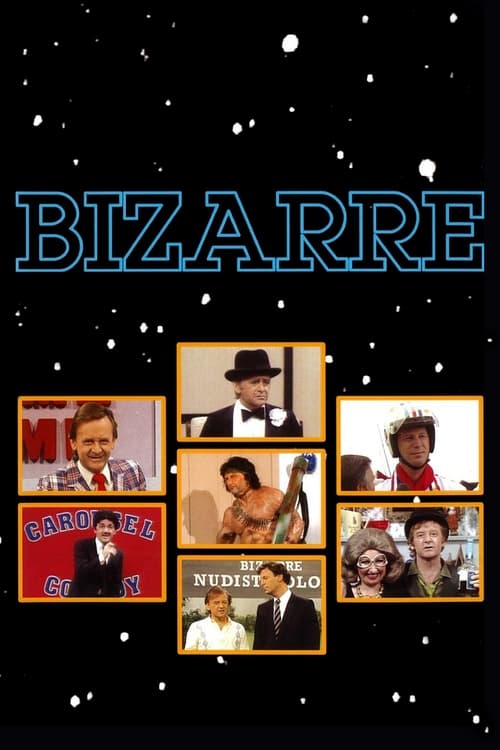
A half hour, politically incorrect sketch comedy show that showcased the talents of veteran performers John Byner and Bob Einstein as Super Dave Osbourne.
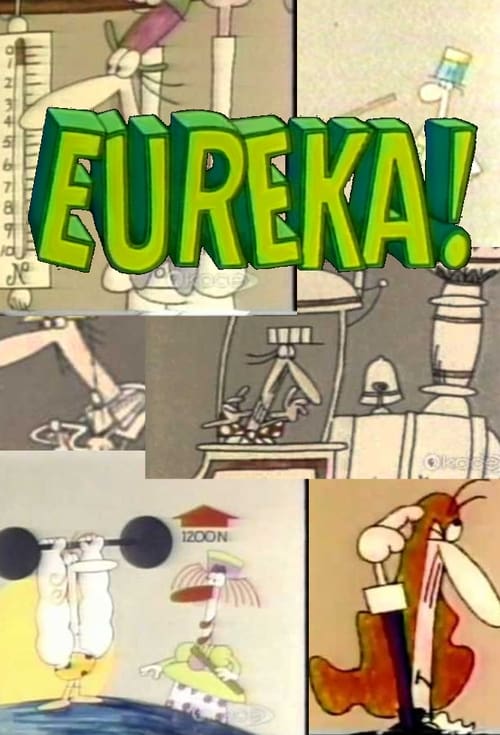
Eureka! is a Canadian educational television series which was produced and broadcast by TVOntario in 1980. The series was narrated by Billy Van, and featured a series of animated vignettes which taught physics lessons to children. It is currently available online. Eureka! was also broadcast on some PBS stations in the United States.
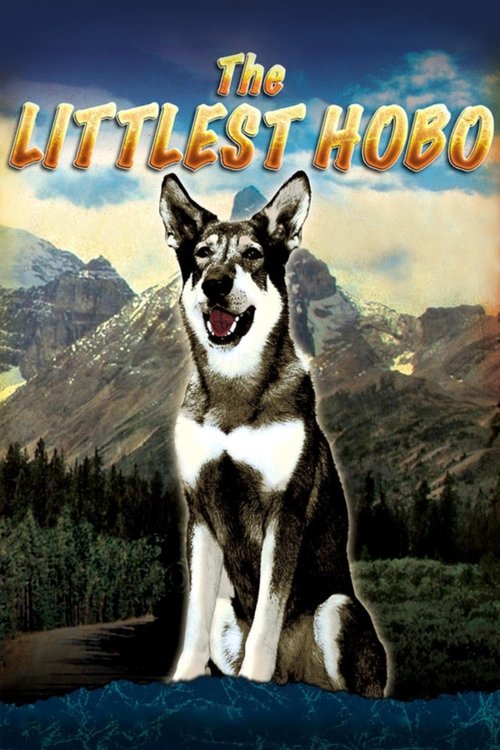
The Littlest Hobo is a Canadian television series based upon a 1958 American film of the same name directed by Charles R. Rondeau. The series first aired from 1963 to 1965 in syndication, spanning six seasons and was revived for a popular second run on CTV from October 11, 1979 to March 7, 1985. It starred an ownerless dog. All three productions revolved around a stray German Shepherd, the titular Hobo, who wanders from town to town, helping people in need. Although the concept was perhaps similar to that of Lassie, the Littlest Hobo's destiny was to befriend those who apparently needed help. Despite the attempts of the many people whom he helped to adopt him, he appeared to prefer to be on his own, and would head off by himself at the end of each episode. Never actually named on-screen, the dog is often referred to by the name Hobo or by the names given by temporary human companions. Hobo's background is also unexplained on-screen. His origins, motivation and ultimate destination are also never explained. Although some characters appeared in more than one episode, the only constant was the Littlest Hobo himself.

No plot available for this tvshow.
Subscribe for exclusive insights on movies, TV shows, and games! Get top picks, fascinating facts, in-depth analysis, and more delivered straight to your inbox.