Drama
Comedy
Action & Adventure
Animation
Documentary
Family
Kids
Mystery
News
Reality
Sci-Fi & Fantasy
Soap
Talk
War & Politics
Western
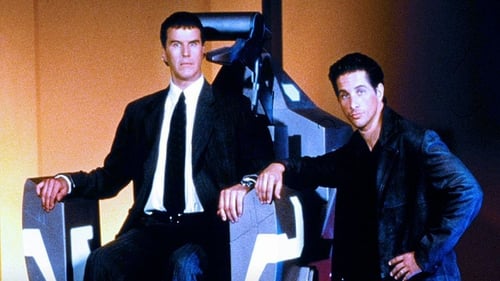
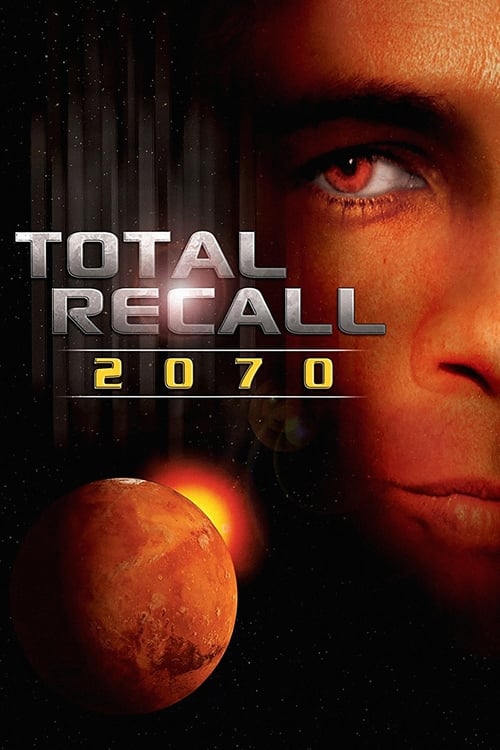
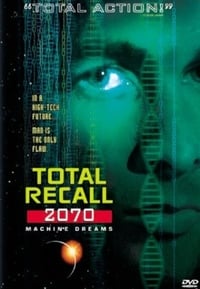
Total Recall 2070 is a science fiction television series first broadcast in 1999 on the Canadian television channel CHCH-TV and later the same year on the American Showtime channel. It was later syndicated in the United States with some editing to remove scenes of nudity, violence and strong language. The series was inspired by the 1990 film Total Recall, based on Philip K. Dick's short story "We Can Remember It for You Wholesale", and by Dick's novel Do Androids Dream of Electric Sheep?, with a visual style heavily influenced by the film Blade Runner, itself very loosely based on the same novel. However, other than the Rekall company and the concept of virtual vacations, the series shares no major plot points or characters with any of these works. Philip K. Dick is not credited in any way on the series main or end titles. The series was filmed in Toronto. It was a Canadian/German co-production. Only one season, consisting of 22 episodes, was produced.
Creator: Art Monterastelli
Executive Producer: Not Available
Writer: Not Available
1
Seasons
22
Episodes
Ended
Status
No Reviews Available
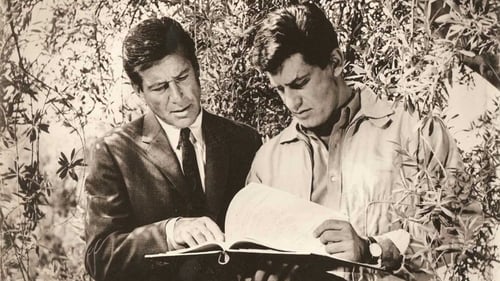
The F.B.I. is an American television series that was broadcast on ABC from 1965 to 1974. It was sponsored by the Ford Motor Company, and the characters almost always drove Ford vehicles in the series. Alcoa was co-sponsor of Season One only.

Brimstone is a short-lived Fox television series, featuring a dead police detective whose mission is to return to Hell 113 spirits who have escaped to Earth. The series ran for only one partial season. Since cancellation, Brimstone reruns have aired on Syfy in the United States from the summer of 1999 onward. The reruns have no set schedule, but are usually aired in marathons during the channel's seasonal events like "Creatureland", "Inhumanland" and "the 31 Days of Halloween". Chiller also began airing reruns, on July 28, 2007. It currently airs in sporadic weekday marathons, like Syfy, and has no set airing schedule.
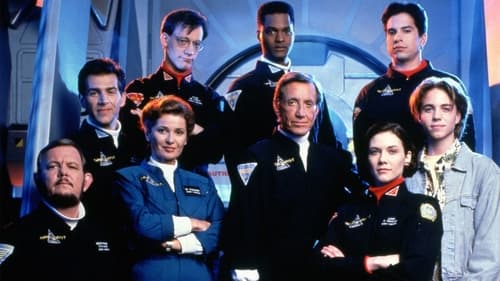
In the early 21st century, mankind has colonized the oceans. The United Earth Oceans Organization enlists Captain Nathan Bridger and the submarine seaQuest DSV to keep the peace and explore the last frontier on Earth.
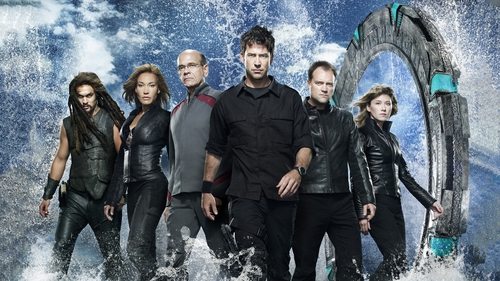
With the Ancients' city of Atlantis discovered in the Pegasus Galaxy by Stargate Command, Dr. Elizabeth Weir and Major Sheppard lead a scientific expedition to the ancient abandoned city. Once there, the team not only find themselves unable to contact Earth, but their explorations unexpectedly reawaken the Ancients' deadly enemies, The Wraith, who hunger for this new prey. Now with the help of newfound local allies like Teyla Emmagan, the Atlantis Team sets about to uncover their new home's secrets even as their war of survival against the Wraith begins.
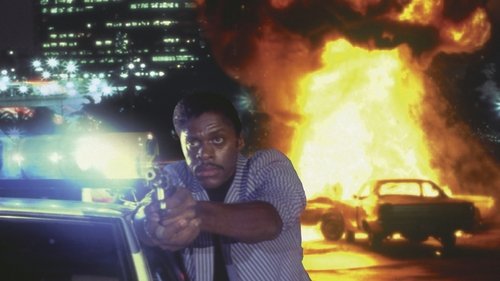
Meet Chase McDonald and August Brooks. Two guys who will do anything to keep L.A. safe . . . even if it means blowing half of it up. An explosive crime drama that follows the action-packed cases of robbery/homicide detectives McDonald and Brooks, who are as different as night and day. L.A. Heat is an American action series starring Wolf Larson and Steven Williams as Los Angeles police detectives, in the tradition of films like Lethal Weapon. The series aired on TNT from March 15, 1999.
Subscribe for exclusive insights on movies, TV shows, and games! Get top picks, fascinating facts, in-depth analysis, and more delivered straight to your inbox.