Drama
Comedy
Action & Adventure
Animation
Documentary
Family
Kids
Mystery
News
Reality
Sci-Fi & Fantasy
Soap
Talk
War & Politics
Western


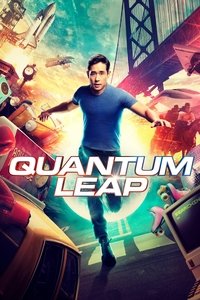
It's been nearly 30 years since Dr. Sam Beckett stepped into the Quantum Leap accelerator and vanished. Now, a new team, led by physicist Ben Song, has been assembled to restart the project in hope of understanding the mysteries behind the machine and the man who created it. Everything changes, however, when Ben makes an unauthorized leap into the past, leaving the team behind to solve the mystery of why he did it.
Creator: Donald P. Bellisario
Executive Producer: Steven Lilien
Writer: Not Available
Enjoying the content? Support us!

Enjoying the content? Support us!
No streaming providers available
2
Seasons
31
Episodes
Canceled
Status
MovieGuys
Its been the fashion of late, to reinvent once popular shows without any conception of what made them popular to start with. Calling a show Quantum Leap, isn't a magic totem, it doesn't make the show...
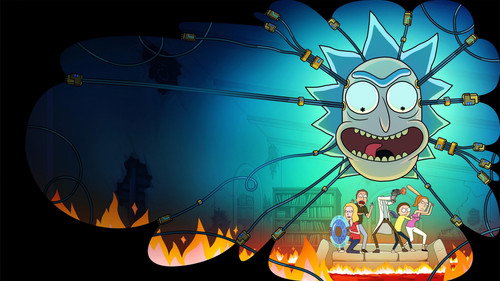
Follows a sociopathic genius scientist who drags his inherently timid grandson on adventures across the universe.

The Doctor and his companion travel across time and space encountering incredible friends and foes.
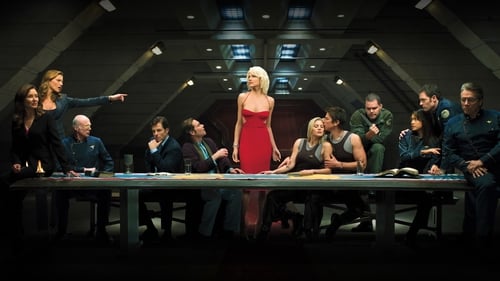
When an old enemy, the Cylons, resurface and obliterate the 12 colonies, the crew of the aged Galactica protect a small civilian fleet - the last of humanity - as they journey toward the fabled 13th colony, Earth.
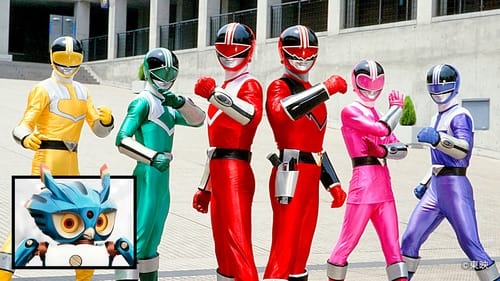
It's the 30th century and time travel is illegal. To help monitor and police time crimes, the Time Protection Department is founded. But when Don Dolnero and his nefarious gang manage to trick four new TPD cadets into allowing them travel to the 20th century, the four cadets are forced to pursue them for the sake of history. There, in a time foreign to them, the cadets enlist Tatsuya Asami, a young martial artist, to aid their mission. Together, these five youngsters become the Timerangers. And though they try to live as ordinary 20th-century citizens, the Timerangers dedicate their lives to stopping Dolnero and others that may follow in his footsteps, attempting to forever alter the proper timeline!

Pulled to the far side of the galaxy, where the Federation is 75 years away at maximum warp speed, a Starfleet ship must cooperate with Maquis rebels to find a way home.
Subscribe for exclusive insights on movies, TV shows, and games! Get top picks, fascinating facts, in-depth analysis, and more delivered straight to your inbox.