Drama
Comedy
Action & Adventure
Animation
Documentary
Family
Kids
Mystery
News
Reality
Sci-Fi & Fantasy
Soap
Talk
War & Politics
Western
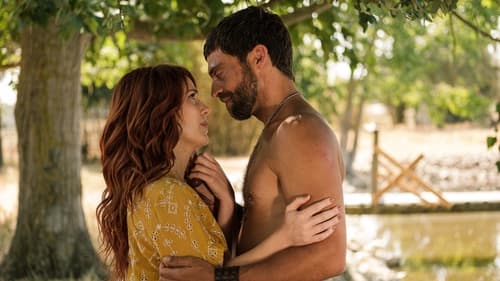
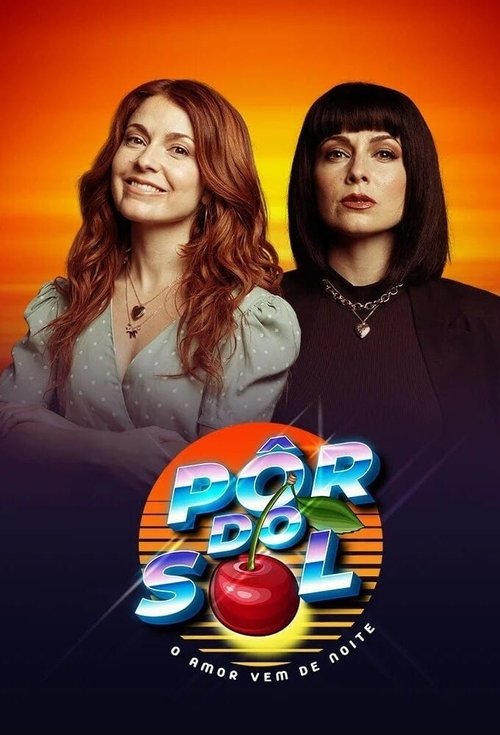
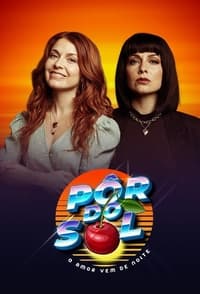
Love, passion, mystery, betrayal makes the days of the Pôr do Sol estate. The Bourbon de Linhaça family owns the Pôr do Sol estate, but not everything is rosy...
Creator: Henrique Cardoso Dias
Executive Producer: Not Available
Writer: Rui Melo

2
Seasons
36
Episodes
Ended
Status
No Reviews Available

No description available for this show.
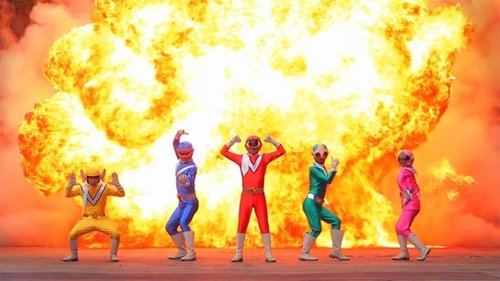
The super sentai group Kankaku Senshi Gokan Five have protected the earth but with the start of a more peaceful period, the members have drifted apart. Gokan Red and Gokan Blue run a bar with an airsoft shooting range, which takes up most of their time. But Red still feels its their responsibility to be prepared and he tries to find a replacement for Gokan Peach, who died in battle 10 years ago. He has high hopes for Momoka, a 17-year old school girl, who just wanted a part-time job a the bar and isn't yet sure about joining the Gokan Five.

A virus turns humanity into feral cats, leaving a few survivors to fight back. Kunagi, a man with no past but vast cat knowledge, struggles to survive. However, the virus spreads through cuddles—can he resist the adorable menace?

A radio comedy sketch show, presented as a local variety show with Kenneth Horne as the host.
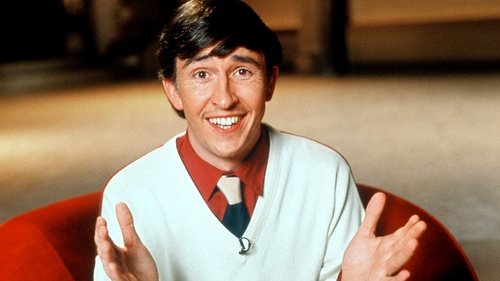
Knowing Me Knowing You with Alan Partridge is a BBC Television series of six episodes, and a Christmas special in 1995. It is named after the song "Knowing Me, Knowing You" by ABBA, which was used as the show's title music. Steve Coogan played the incompetent but self-satisfied Norwich-based host, Alan Partridge. Alan was a spin-off character from the spoof radio show On the Hour. Knowing Me Knowing You was written by Coogan, Armando Iannucci and Patrick Marber, with contributions from the regular supporting cast of Doon Mackichan, Rebecca Front and David Schneider, who played Alan's weekly guests. Steve Brown provided the show's music and arrangements, and also appeared as Glen Ponder, the man in charge of the house band. The show was a parody of a chat show. It featured a live audience whose laughter meant that viewers could not mistake the show for a real chat show. Alan went on to appear in two series of the sitcom I'm Alan Partridge, following his life after both his marriage and TV career come to an end.
Subscribe for exclusive insights on movies, TV shows, and games! Get top picks, fascinating facts, in-depth analysis, and more delivered straight to your inbox.