
Action
Adventure
Animation
Comedy
Crime
Documentary
Drama
Family
Fantasy
History
Horror
Music
Mystery
Romance
Science Fiction
Thriller
War
Western
Found 42 movies, 24 TV shows, and 2 people
Can't find what you're looking for?
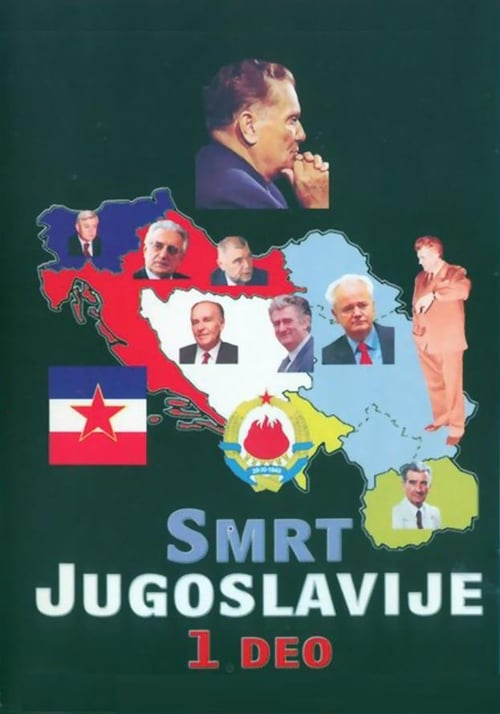
History of the political events and the wars which broke the former state of Yugoslavia into several nations and caused an international political and humanitarian crisis. Using interviews with all the major participants and archive footage of the events, the series impressively performed the double feat of making understandable something which had appeared intractable and of producing 'immediate' history.
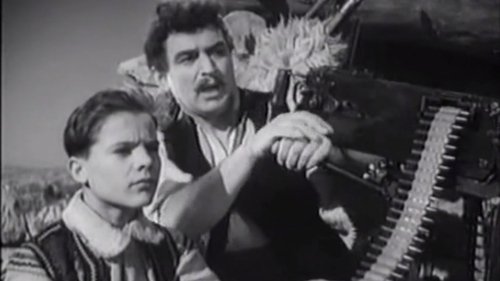
Yugoslav farmer-turned-partisan Slavko Babić starts an uprising against the fascist Germans and their allies.

No description available for this movie.
No description available for this movie.
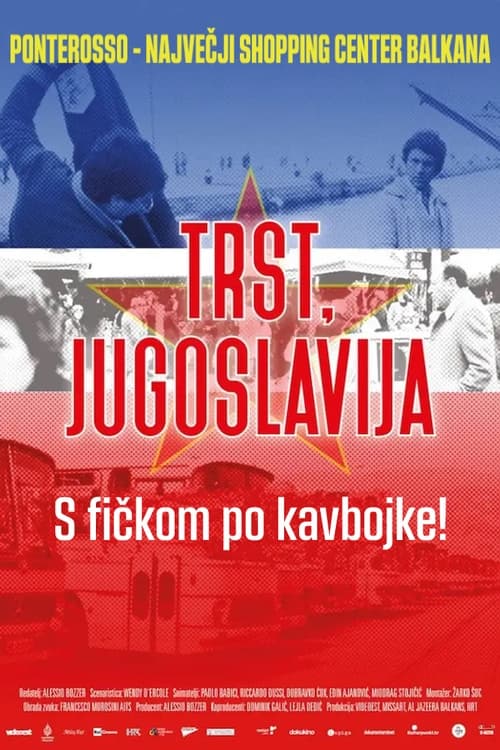
A documentary about favorite shopping destination for Yugoslavs: Trieste in Italy.

An anti-war documentary featuring original on-the-ground footage and interviews from the 1999 NATO war against the Federal Republic of Yugoslavia. Watch the 78 days of untold destruction, bombing bridges, hospitals, schools, and dropping up to 11 tons of depleted uranium across the country that NATO considers a successful “humanitarian intervention” in Yugoslavia. Filmmaker Gloria La Riva lifts the veil of imperialist propaganda to reveal the humanitarian crisis caused by the war.
Experimental super 8mm film by Dejan Vlaisavljević.
Two-part Slovenian documentary on the Yugoslav Wars, 1991-1999.
A 1964 Pan American travel documentary exploring Yugoslavia's cities, landscapes, culture, and traditions. The film showcases destinations including Belgrade, Sarajevo, Mostar, Dubrovnik, Split, Zagreb, and the Adriatic coast, offering a colorful glimpse of the country during the Cold War era.

A journey through the times and spaces of the Hotel Jugoslavija.
A clear and critical look at Western intervention in the Balkans leading to the civil wars in Yugoslavia during the 1990s.
A multi-faceted portrait of a motley group of people from ex-Yugoslavia who emigrated to Switzerland over the last 40 years. Much as they might praise and appreciate the advantages of living in Switzerland, they have kept their traditions of old and live a life of yearning and nostalgia in their own separate canton, the “Canton of Yugoslavia”.

This documentary explores the disintegration of Yugoslavia from a historical and human perspective, highlighting the events that led to the collapse of this union, which was once considered a symbol of unity and coexistence among diverse nationalities.
A biographical story of Serbian King Aleksandar I Karadjordjevic.
Asma receives bad news about her father's health. She takes the road towards home with an uncle about whom she knows nothing; he who cut ties with his family a long time ago.
Documentary movie about the Communists of Yugoslavia.
Born In Yugoslavia, stand-up
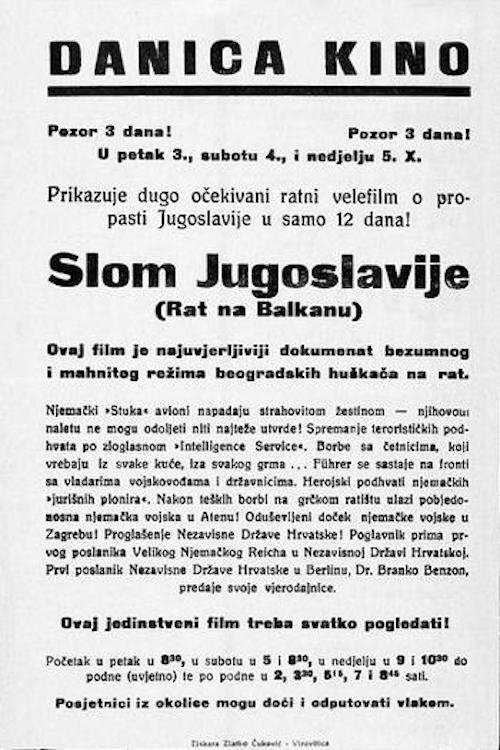
German war documentary about Yugoslavia from 1941.
Two Bulgarian film students have devoted two years of their lives to studying the Yugoslav conflicts of the 1990s and their aftermath. Was the root cause of these events really ethnic intolerance among the Balkan peoples, or was it the result of the political machinations of the Great Powers? Their documentary examines one of the great tragedies of the 20th century in a new light - Yugoslavia's incompatibility with the post-Cold War world economy.
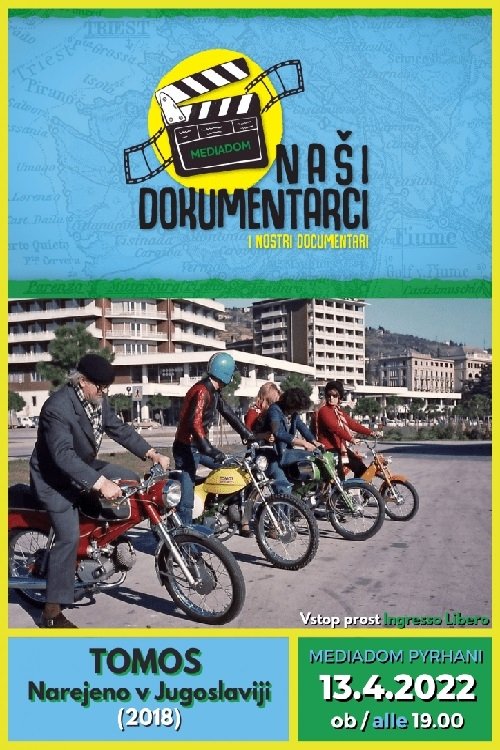
Documentary about the former motorcycle brand Tomos which were made in a factory in Koper, Slovenia.
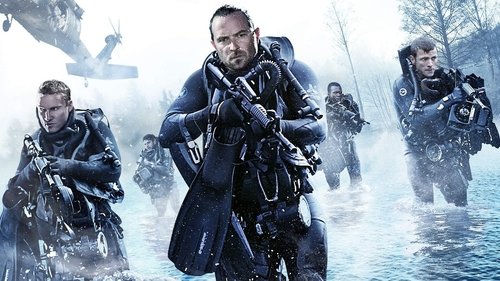
In the midst of the Balkan wars, a squad of Navy SEALs attempts to unravel a long-forgotten mystery after discovering an enormous treasure trove hidden at the bottom of a lake in Serbia.

After the NATO bombing of Yugoslavia in 1999, the Yugoslav army pulls out of Kosovo region, leaving Serbian people at the mercy of the Albanian UCK. A small band of soldiers must take over the Slatina airport, and hold it until the Russian peacekeepers arrive.
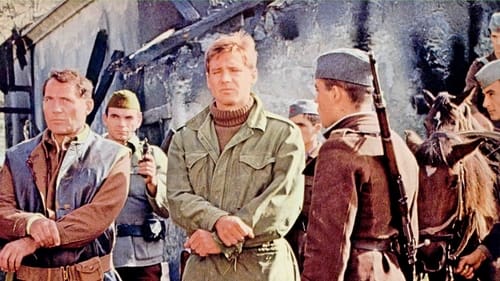
World War II, 1943. Mallory and Miller, the heroes who destroyed the guns of Navarone, are sent to Yugoslavia in search of a ghost from the past.
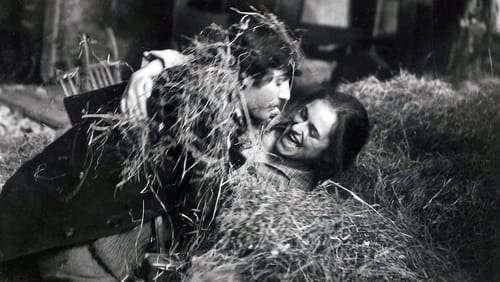
An ex-partisan and current political activist sets out to Styria region in Slovenia to buy out the wheat from peasants and convince them to form the farming collective. His ostensible success (based on blackmailing rather than convincing), as well as his love defeat, make him disturbed and he kills an innocent man while performing a social mission.
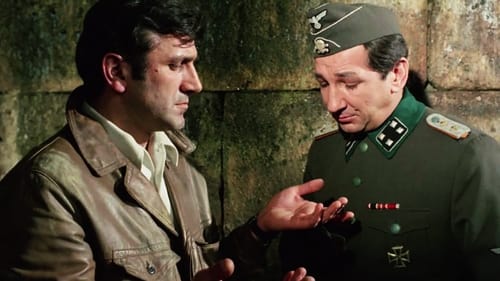
In order to check the German offensive, Partizans send an elite team of explosive experts to blow up a strategically important bridge. Besides being heavily guarded, that bridge is almost indestructible and the only man who knows weak spots in the construction is the architect who built it. He is, however, reluctant to cooperate because he doesn't want to see his masterpiece destroyed.
A documentary-narrative film which looks at real events and personal phenomena of artist Zarko Lausevic. "Laush" above all tells a story of an evil time we've all been through, represents both sides and is made with empathy and respect towards everyone involved in the tragic incident. Through recreations, narration, memories of colleagues and quotes from the book "A Year Passes, a Day Will Never Pass" which the artist wrote during the hardest stage of his life, the weight of his fate is presented. The aim of this project is to portray the life of brilliant actor, who in the midst of great fame, disappeared from the scene through the cruelty of dubious times.
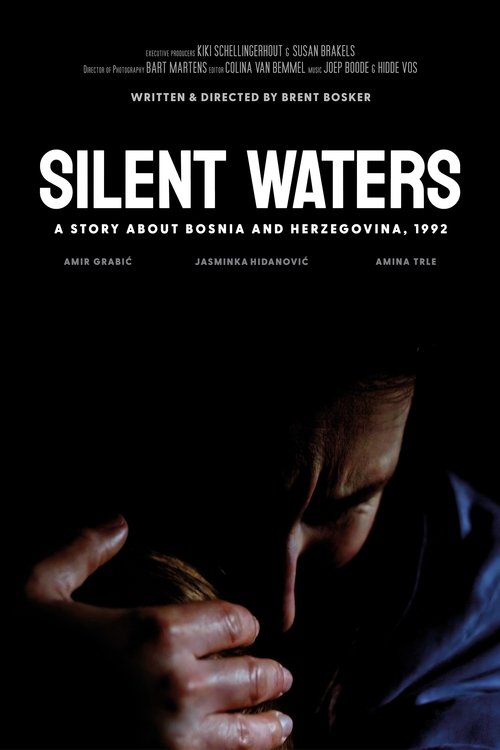
No description available for this movie.
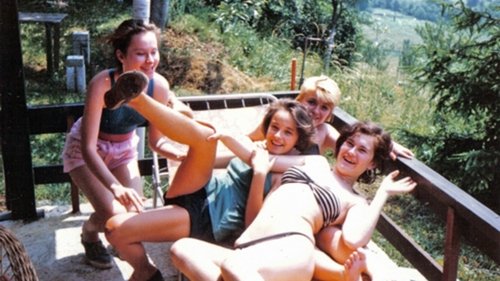
A film about a generation of four friends who grew up together in Sarajevo. They are the friends of filmmaker Lidija Zelovic-Goekjian, now living scattered across the world. What has happened to them over the past 13 years: how did they survive the war, how do they live now, how do they look back on their former lives, on Sarajevo, and on their old friends?
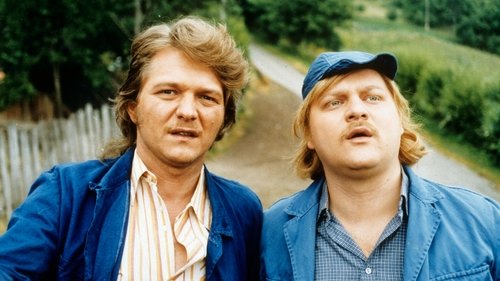
In the opening stages of the Bosnian War, a small group of Serbian soldiers are trapped in a tunnel by a Muslim force.
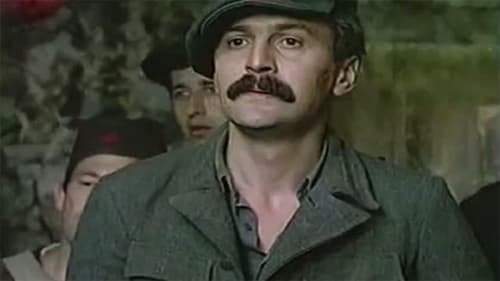
After the end of World War II, a young partisan falls in love with a German secretary who is captured and imprisoned by partisans. He decides to free her and escape with her.

This eye-opening and bittersweet chronicle of the Yugoslavian film industry recounts how the cinema was used—often with direct intervention from President Josip Broz Tito—to create and recreate the young nation’s history, replete with heroes and myths that didn’t always hew closely to reality.
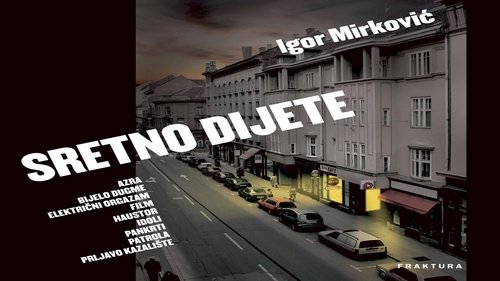
The Happy Child is a story of "New Wave" rock genre predominant in the ex-Yugoslavia during the socialist 70's and 80's.
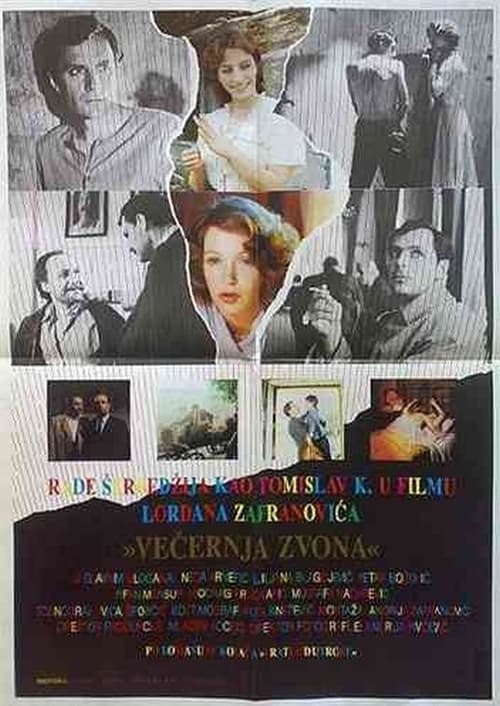
Trials and tribulations of a Croatian communist intellectual in the turbulent years before, during and after the Second World War.
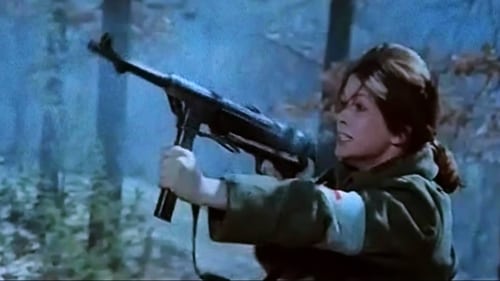
In 1941, a few months after German tanks forced Yugoslav Royal Army to capitulate, organized resistance is turning into massive uprising against occupying forces. Partisans, led by the Communist party, manage to chase Germans from huge territory later known as the Uzice Republic. However, forces loyal to King have some other ideas.
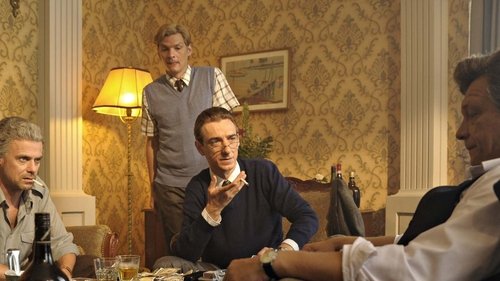
The story behind and around famous American director Nicholas Ray's 1960s stay in SFR Yugoslavia. The celebrated director who was the toast of Hollywood only a decade earlier having made Rebel Without a Cause has fallen on hard times and is now desperately trying to re-establish his spiraling film career. On the other hand, his powerful host, Avala Film director and former Yugoslav secret service operative Ratko Dražević, is dreaming big dreams - he is trying to establish a 'Hollywood behind the Iron Curtain' of sorts.
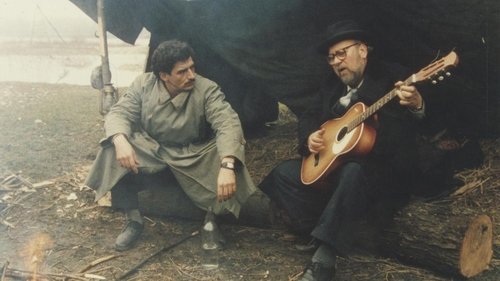
In a post-WWII Yugoslavia still under Stalinist rule in the 1950s, six-year-old Malik is oblivious as to why his father, Mehmed, has suddenly disappeared. In truth, Mehmed has been sent to a labor camp as punishment for acts of sexual indiscretion involving young girls. Malik's mother, Senija, however, has no answers, and the family must cope in the father's absence.
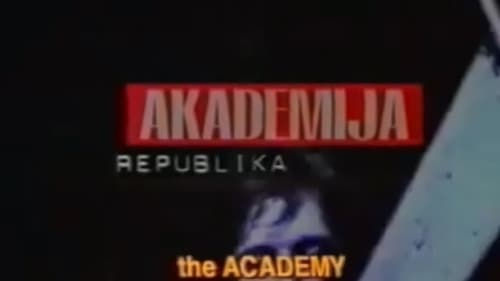
Akademija Republika shows a group of people gathered around the club from 1981 until 1995 and how it changed and influenced the cultural and night life around them.
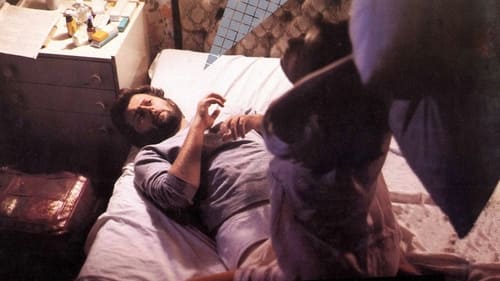
A frustrated and unemployed architect experiences flashbacks of his youth and 1968 protests while the life passes by. Unable to adapt and to accept the reality, he’s constantly getting into conflicts with the people around him.
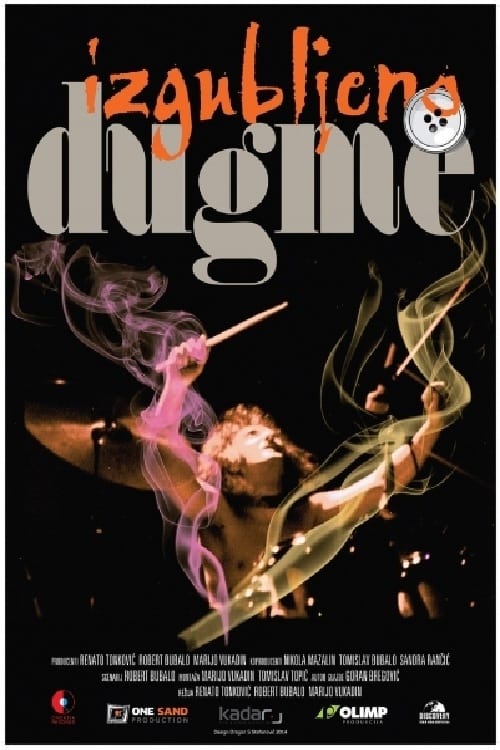
A documentary about Goran Ivandic 'Ipe', the drummer of most popular Yugoslav rock band of all time, Sarajevo-based "Bijelo dugme" (White Button). Ivandic's fatal jump from the balcony of hotel Metropol in Belgrade in 1994 sparked much controversy around his fate.
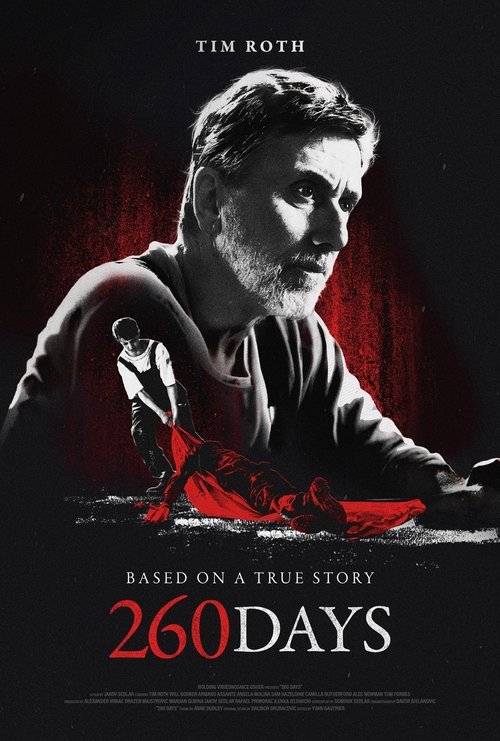
The carefree and somewhat idyllic life of a ten year old boy named Marijan is violently interrupted when war ravages his small town of Dalj and his families closest friends and neighbors turn on them purely because they are Croatian. Marijan is forced to witness and experience things an adult would have an incredibly difficult time dealing with. He is nevertheless faced with the inexplicably horrid events war brings out in people. The story centers on a present day Marijan- now the very successful owner of a wood manufacturing business. On one random day a man walks into his store and all of the memories he wishes he could long forget come flooding back, forcing him to relive them. Despite his immense hardships, Marijan lives on in forgiveness, always seeking the positives that lay in the future rather than rehashing and remaining in the past.

A detailed account of one of the bloodiest battles of World War I. Between February and December 1916, the French and German armies relentlessly fought in the devastated camps around the village of Verdun.
British Pathé bringing the news of King Alexander's death.