
Action
Adventure
Animation
Comedy
Crime
Documentary
Drama
Family
Fantasy
History
Horror
Music
Mystery
Romance
Science Fiction
Thriller
War
Western
Found 20 movies, 12 TV shows, and 0 people
Can't find what you're looking for?
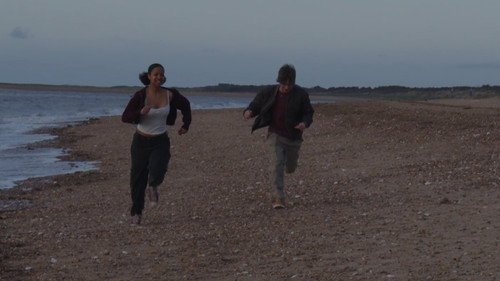
An unofficial music video for the song 'i think about you all the time' by Deftones. After a rough patch in an already strained relationship, Cian uses a surreal outlet in an attempt to remedy the connection with his partner.
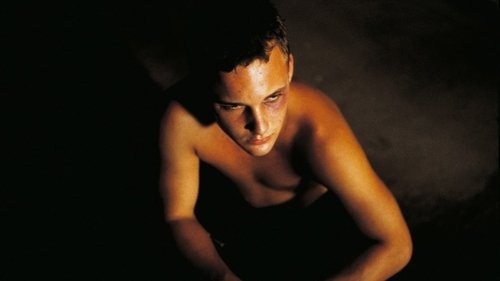
A group of teenagers in South Florida enact a murder plot against their mutual bully, Bobby, who has emotionally, physically, and sexually abused them for years.

It's the last week of school in a small polish town's junior high school. Waiting for the final party, several students pass the time at a city pool, as if anticipating the emotional whirlwind they are about to experience. The action takes place somewhere in Poland, where ‘LGBT free zones’ are a reality in 2020. It’s a story about young people, their problems and romantic endeavours in the era of the Internet and social apps, when creating genuine relationships is unnaturally difficult.
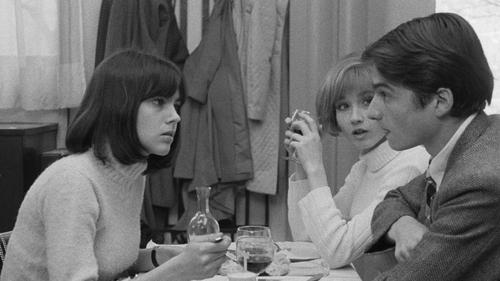
Paul, a young idealist trying to figure out what he wants to do with his life, takes a job interviewing people for a marketing research firm. He moves in with aspiring pop singer Madeleine. Paul, however, is disillusioned by the growing commercialism in society, while Madeleine just wants to be successful. The story is told in a series of 15 unrelated vignettes.
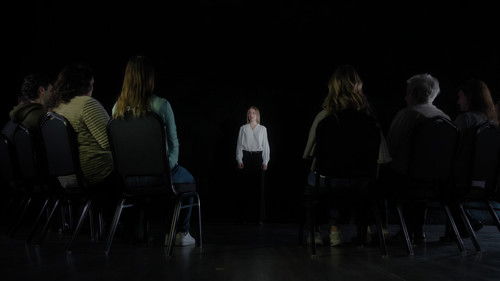
Ambitious Madleen and carefree creative spirit Hugo embark on a symbolic journey up the mountain of success, exposing the tension between societal pressure and self-fulfillment. While Madleen strives to meet society’s expectations and achieve a high-status career, Hugo chooses to move through life at his own pace, guided by creativity rather than external expectations. The film invites the audience to reflect on the choices young adults face in a success-driven society and to question the decisions we make and the values we prioritize in life.
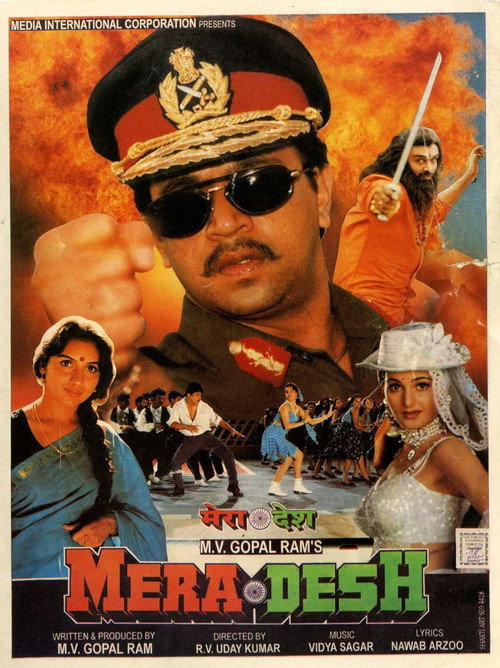
In order to marry the girl he loves, Subash, a good-for-nothing youth, joins the army. When he returns, he learns that his own brother is using corrupt ways to gain power in politics.

The most suffocating is the awareness that nothing is happening. All the veins are drying without the blood running through them. I came to Barão Geraldo because things happen here. Here people love as much as dolls hang themselves and chicken are slaughtered to death. Would I still hang dolls and burn memories in the next 18 years? It astonishes me how less and less I do not care for things that are not my extension. Being my own destruction is the only way. Intimacy is a farewell. All I see is a lot water and all the colors are not enough. All forms of comunication are not enough for a lot of water.
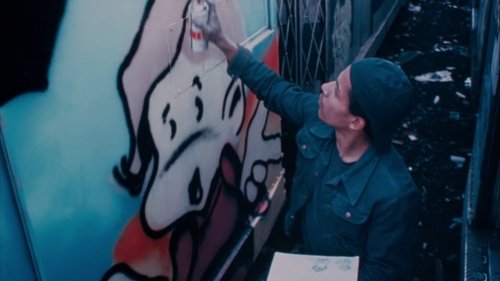
Tony Silver and Henry Chalfant's PBS documentary tracks the rise and fall of subway graffiti in New York in the late 1970s and early 1980s.

Fish, an aspiring painter, leaves the safe haven of home and moves into a dwelling unit inside an industrial building. Carrying a mixed bag of ambivalence and possibilities, her new independence shares the upsides and downsides of a subsistence living in the enclave of artists and musicians, where the strains of life – dissatisfaction with the government and an ever-looming threat of eviction – are tempered by a healthy dose of optimism and humour. The habitat of Fish and company may not be the land of la dolce vita but it’s an oasis of dreams in a desert of reality, however transient and haphazard.

No description available for this movie.
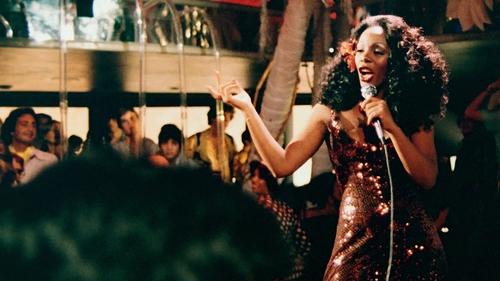
It's Friday and everyone is going to the hottest new disco in Los Angeles. The Commodores are scheduled to play if Floyd shows up with the instruments and Nicole dreams of becoming a disco star. Other characters are there to win the dance contest, or to put a little excitement into a fifth anniversary.

In his new film, Erwin Wagenhofer is looking for the good and beautiful in this world.

No description available for this movie.
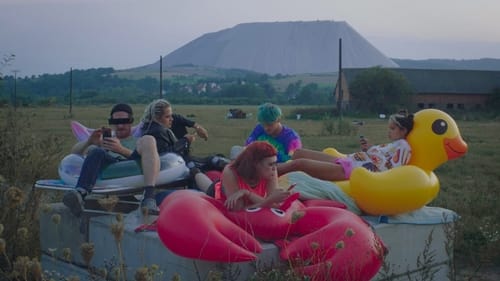
The perpetual underdog, Wanja gets the unique chance to start a career as an architect and becomes an adult. Amongst all the new privileges she starts missing the friends from her youth.

A young, millionaire rock promoter creates a new boy/girl team for his teen TV dance show. Will the ambitious go-go dancer and has-been pop star fall in love for real?
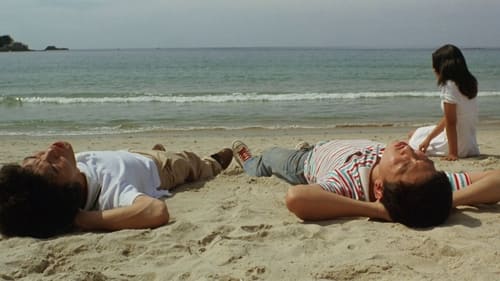
Following a stint in reform school, Ryu (Shinsuke Shimada) returns to his home, the Minami area of Osaka, accompanied by his new friend Ko (Takeshi Masu). He's greeted by his friends, Chabo (Ryusuke Matsumoto) and Ken (Bang-ho Cho). They seek to forge their own path through a multitude of rival gangs in Kita and Minami, including the Hokushin Alliance, backed by the yakuza, the Hope Association, and various other minor factions, including Zainichi Korean groups. What follows is a wild, fast-paced story of violence, revenge, betrayal, and discrimination, that never loses its sense of humor.

No description available for this movie.
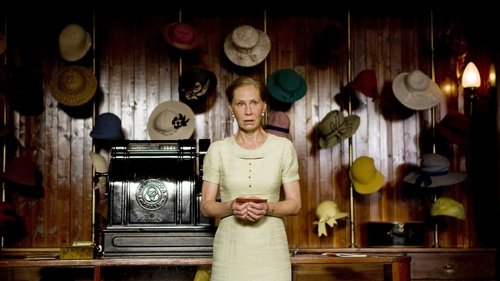
An comedy set in 1960s Helsinki. The story revolves around Elsa, a resolute hatmaker who is in complete control of her life. Besides running her shop, she sometimes doubles as a fortune teller. When Jan, a Czechoslovakian jazz musician and Elsa's old lover comes to town to perform at a "peace and friendship festival", her well-organised life is jolted out of balance.

An investigation into the once high-flying digital news outlet that filed for Chapter 11 bankruptcy in 2023 after boasting a valuation of $5.7 billion in 2017.
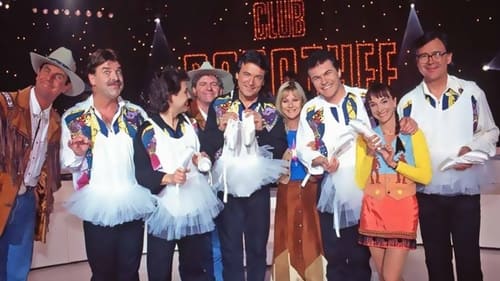
No description available for this movie.