
Action
Adventure
Animation
Comedy
Crime
Documentary
Drama
Family
Fantasy
History
Horror
Music
Mystery
Romance
Science Fiction
Thriller
War
Western
Found 12 movies, 6 TV shows, and 0 people
Can't find what you're looking for?
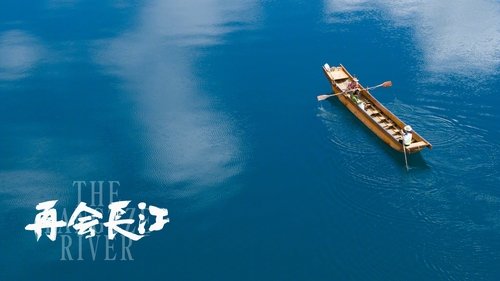
Takeuchi Ryo revisited the protagonist of the documentary many years ago and completed his ten-year promise with the Yangtze River.
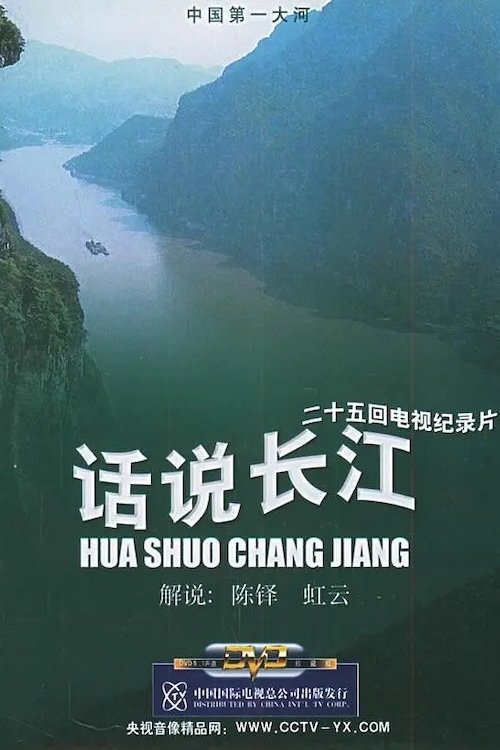
The Yangtze River is the largest river in China. Every Chinese is familiar with the theme song of the film - "Song of the Yangtze River", which was written by children soaked in their mother's milk. He wrote about the inexplicable and unclear love: the Yangtze River is the mother river of the Chinese nation, and the Yangtze River belongs to the Chinese nation. There are countless natural and cultural deposits on the Yangtze River and its banks. Everyone can listen to "Song of the Yangtze River" and follow "Talk about the Yangtze River" to understand its magic and magnificence.
In March 1997, a teaching and research team led by Professor Zhuang Kongshao came to the Tujia area along the middle reaches of the Yangtze River to conduct anthropological research, with the aim of establishing a link between anthropological academic knowledge and field studies, as well as finding valuable research points to achieve the possibility of interdisciplinary collaborative research. "Field Study Along the Yangtze River" is a synchronous film and television work based on this survey. Now re-edited and transferred to today's university classroom, it is intended to facilitate anthropology students who are preparing to enter the field study phase, and by watching this film, it will trigger them to think about the opportunity of academic docking between theory and research sites, and further transition them into their own fieldwork thinking.

Descending from a long line of fishermen on the Yangtze River, Liu Gujun had to redefine his professional activity when the construction of the famous Three Gorges Dam began. His father, who has recently passed away, had to stop fishing the river due the growing pollution that the dam has created and asked his son to start cleaning the river. In the Chinese tradition of respect for the elder, Lui Gujon took the last wishes of his father very seriously. As such, he puts all his energy and invests every penny of his personal wealth into the ambitious project of cleaning up the river. For lack of sufficient grants from the government, Liu even contracts heavy loans to build a small flotilla of cleaning boats.
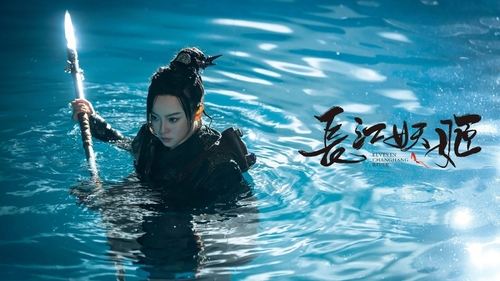
The story follows Sui Yuan, a scholar traveling to Beijing to pursue his studies, who accidentally stumbles into the "mandarin duck hot pot" trap set by the carp demon Jiang Xiaoyu and falls in love with her. Centered around the Yangtze River, the story reinterprets hot pot culture and creates a bizarre and colorful world of demons.

PLA send scouts to get through Yangtze River to collect enemy information of defense.

No description available for this movie.
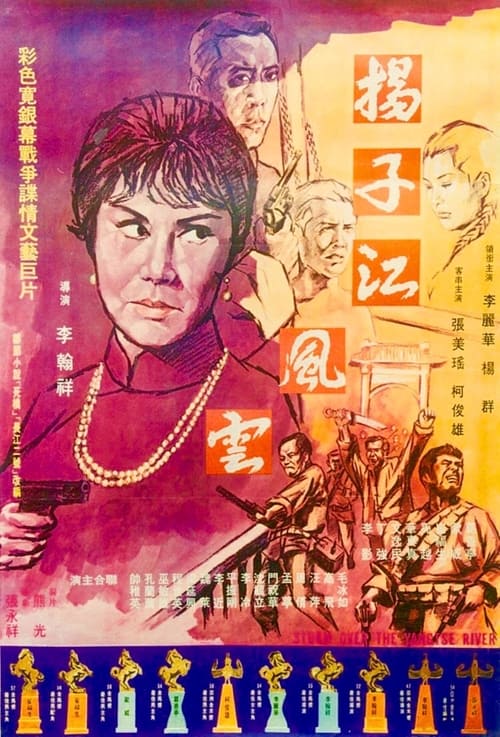
Storm over the Yangtze River tells the true story of undercover intelligence agent "Yangtze Number One" and his colleagues in Jianli County of Hubei Province, who risk their lives to carry out the "Dead Bridge Plan" to secure the "Yangtze 180 Blockade". Li Lihua gives an iconic performance as a strong and charming agent of an intelligence unit, engaging in a risky mission to save her unit chief-cum-lover, who is regarded as a traitor but actually is a double-dealing agent against the Japanese occupation. The film garnered four awards at the 1969 Golden Horse Awards, including Best Leading Actor and Best Leading Actress.
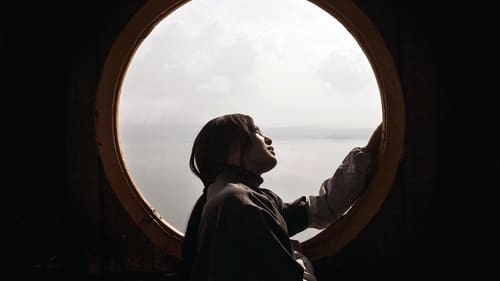
A voyage between a woman searching for the meaning of life and a man holding a book of poems on the longest river of Mainland China.
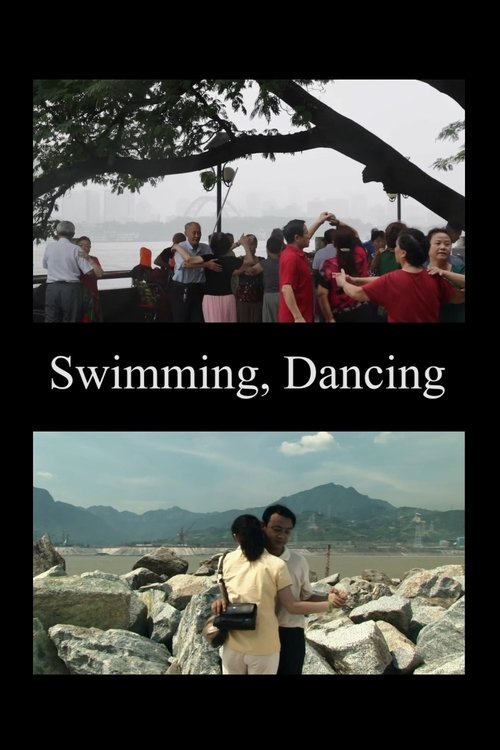
Swimming, Dancing examines audiovisual representations of the Yangtze (1934–present), from silent film to video art to the contemporary vlog. Inspired by the city symphonies of the 1920s, Swimming, Dancing pieces together a “river symphony”, evoking the images, sounds and contradictions that make up the river’s turbulent history.
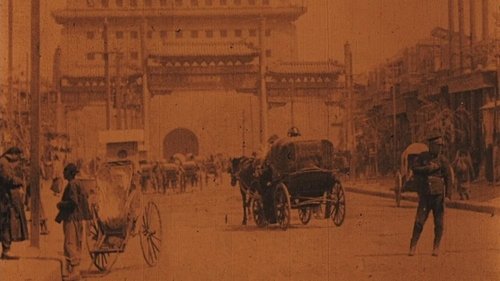
A new film compiled from the BFI National Archive's unparalleled holdings of early films of China, features films from 1900-48 filmed across China. The cinematic journey of Around China with a Movie Camera contains many films which may never have been seen in China, or at the very least not for over 70 years. These travelogues, newsreels and home movies were made by a diverse group of British and French filmmakers, some professionals, but mainly enthusiastic amateurs, including intrepid tourists, colonial-era expatriates and Christian missionaries.
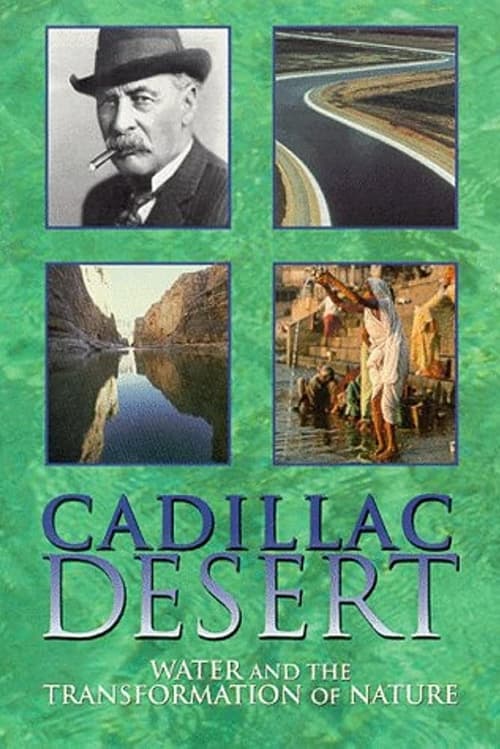
Documentary on water usage, money, politics, the transformation of nature, and the growth of the American west, shown on PBS as a four-part miniseries.