
Action
Adventure
Animation
Comedy
Crime
Documentary
Drama
Family
Fantasy
History
Horror
Music
Mystery
Romance
Science Fiction
Thriller
War
Western
Found 41 movies, 24 TV shows, and 1 person
Can't find what you're looking for?
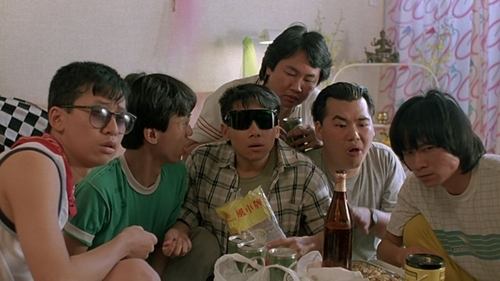
Buddies Yam, Sunny and Ah Hing have all been dismissed. creating havoc in their jobs. The trio is employed by a noodle factory, which has a very poor labour relationship. The superiors are always harassing their subordinates, so the workers take an united front to oppose their superiors.

No description available for this movie.
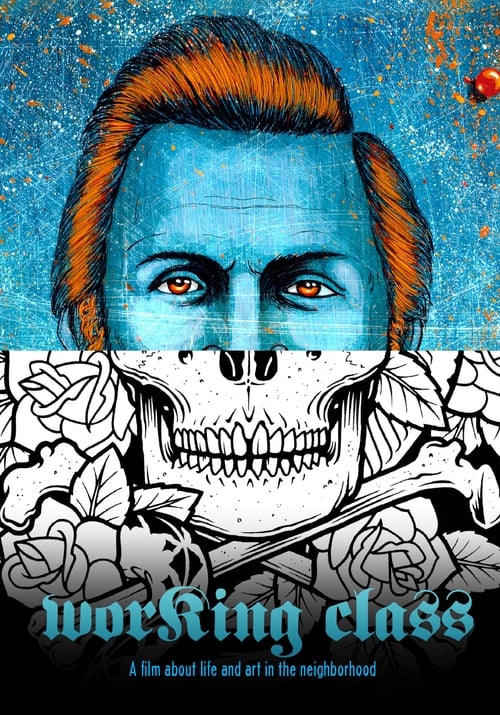
Loosely based on Charles Dicken’s book “A Tale of Two Cities”, Working Class tells the tale of underground street artists Mike Giant and Mike Maxwell and their decade long friendship that started with a tattoo. The story is told through the cities they call home by, cutting back and forth between the neighborhoods of San Francisco and San Diego, as the artists talk about their life philosophies and the work they create.
This film depicts the cycle of the City of San Francisco, as one proceeds through a day of work.
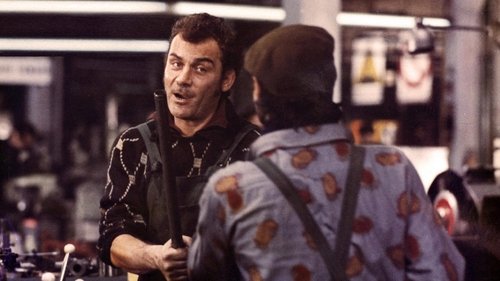
After losing a finger in a work accident, an Italian worker becomes increasingly involved in political and revolutionary groups.
In the withering summer heat, a Long Island road worker quits his job in glorious fashion. Resigned to spend his days aimlessly wallowing around his hometown, his self-esteem reaches an all-time low when a strange man emerges from the underbelly of the internet to offer him money for a series of undisclosed favors. When the two finally meet face-to-face, tensions rise to a breaking point.
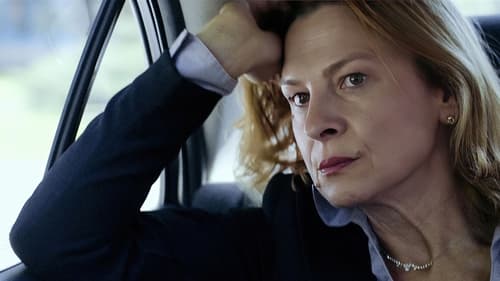
Lidija is working for a dubious real estate company. It is her job to protect the construction site’s image and cover up the dirty tracks left by Serbian turbo-capitalism. But when the workers rebel, her complicity is put to the test.
The lives and struggles of touring musicians as they expose a little seen face of the music industry, and how it is changing.
A fictional manifesto by working-class men from Turkey who desire to be more sexually fetishized. Subverting nationalism with the tools of gay pornography, this essay film mocks today’s sexual caution and the art world’s romanticization of the lower classes. Scenes of demolishing buildings merge with the poetic view of a harbor under snow, paralleling the contrast between the aggressiveness of physical labor and the emotional vulnerability of hardworking men.
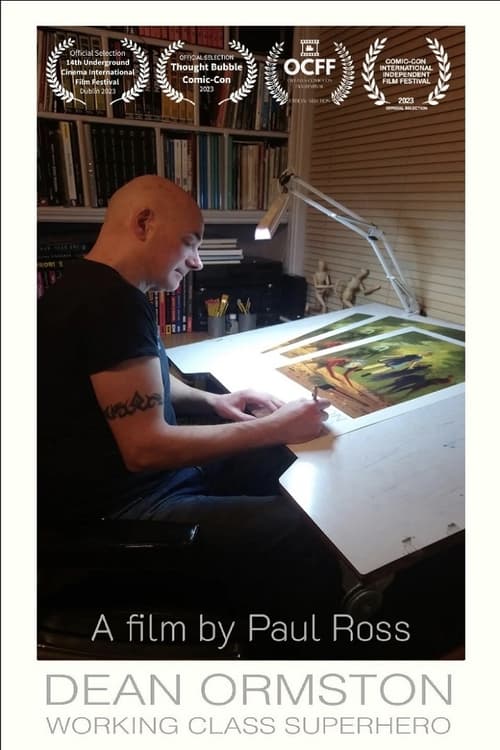
From early life in Yorkshire mining town, the documentary plots the rise of Comic Book artist Dean Ormston, co-creator of the Black Hammer universe, and his struggle to recovery from an event that almost cost him his career and his life.
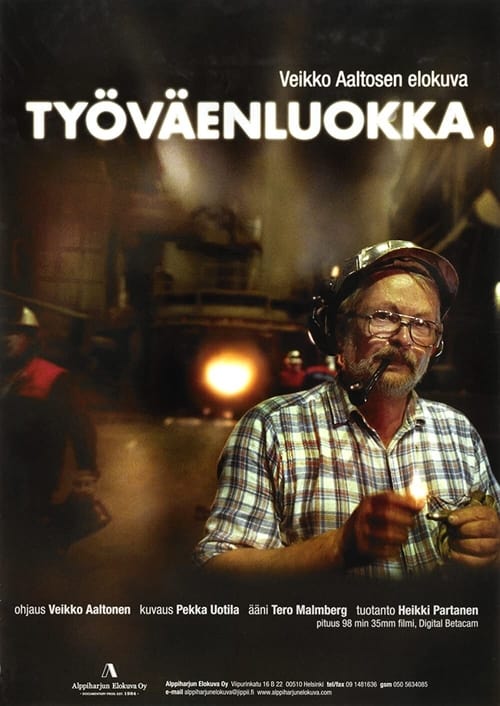
A documentary about industrial workers and their culture in Finland.
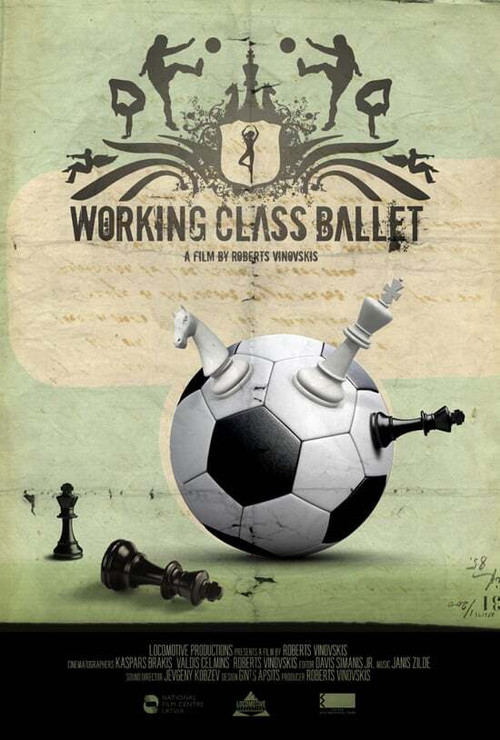
The European championship football madness, drunken "experts" at the provincial stadium, the backstage of National team, raving fans at the streets of Paris and Lisbon. Football is a sport and entertainment through possibly there is more to the game. In the film "Working Class Ballet" philosophers, linguists, neuropsychologist and football coach are contemplating on the parallels between football and drama of life, forming an unusual tale on what football is or could be.
In a vocational high school, Mikkel struggles with anger, and male-role expectations of being tough. When a new teacher dares to speak about emotions, everything begins to shift.
Bojana Marijan joined the film club crowd (including Zilnik and Makavejev, her future husband) at Novi Sad where Zilnik had already set up the legendary production company Neoplanta. Her political argument is obvious, but in Vesela Klasa, as Amos Vogel puts it, “Instead of complaints there are lyrics, music and wine.”
The film was in production from May 2009 till May 2010. By the end of May 2010 there were 98,401 people registered on the Labour Exchange list, which is 16.4 % more than in May 2009. These are stories of few unemployed people who volunteered.
The film shows works of art by people of various occupations who are engaged in fine art in their free time. It was achieved through interviews in which people talk about the world of work - a world of no freedom, necessity and coercion in which they do not see themselves as individuals. Painting enables them to escape from everyday banal reality into the world of beauty and freedom. So-called ordinary people of various occupations have a built-in awareness of the problematic nature of humanism in the modern world. Through interviews, the film articulates a story, kind of - it is a vision of the apocalyptic end of modern civilization that has no higher, metaphysical meaning. At the same time, there is hope that after the collapse of modern civilization, a society of meaning, love and freedom can be created.
With nine #1 albums to his name, Jimmy Barnes is one of Australia’s greatest rock icons. But his success masked a life of hardship and abuse, where the music that once saved him from oblivion almost came back to destroy him. Before Jimmy Barnes was Jimmy Barnes, he was James Dixon Swan, a troubled kid from the mean streets of Glasgow – and the even meaner streets of North Adelaide – trying to survive against a backdrop of addiction, alcoholism, poverty and abuse. For Jimmy, escape was the only option and he found it with a band called Cold Chisel. But the rock’n’roll lifestyle has its own temptations and the scars of childhood are always waiting to take you home. Based on the bestselling memoir and directed by veteran Australian filmmaker Mark Joffe, Working Class Boy is both an inspiring story of rock and redemption told in Barnes’ own words and an unflinchingly honest reflection on fame, creativity and depression.
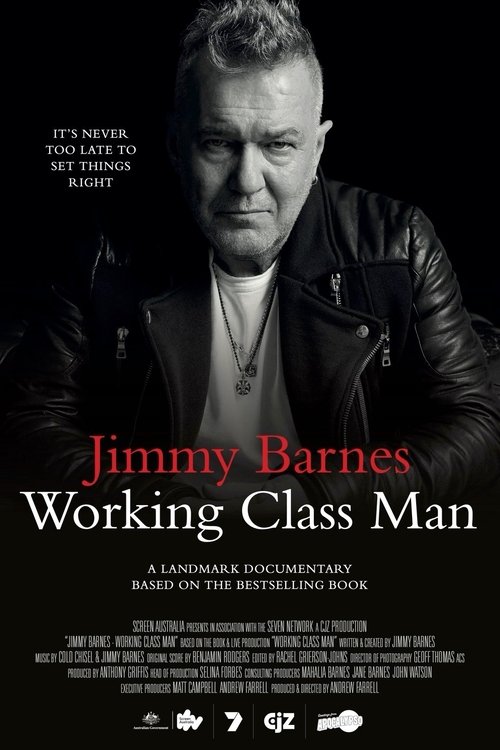
After finding fame with pub rock legends Cold Chisel, Jimmy Barnes became an Australian icon through the success of his solo career. Having escaped his hard-knocks upbringing, married the love of his life and released a string of number-one albums, the man known across the country simply as 'Barnesy' had seemingly made it. But financial issues, heavy drug use, gruelling tours, a failure to crack the US and the spectre of childhood trauma all still weighed upon him, eventually finding their release in words – as this intimate new account reveals.
Everything changes and yet everything stays the same. 1844: Friedrich Engels writes his book The Condition of the Working Class in England, a classic denunciation of the appalling living conditions for working people living at the heart of the industrial revolution in Manchester, England. In 2012: a group of working class people from Manchester and Salford have the job of devising a theatrical show from scratch based on their own experiences and Engels' book. They have 8 weeks before their first performances. The Condition of the Working Class follows the process from the first rehearsal to first night and situates their struggle to get the show on stage in the context of the daily struggles of working people facing economic crisis and austerity politics.
A two-part documentary series based on the bestselling memoirs of Australian rock legend Jimmy Barnes. This collection traces his extraordinary journey from a traumatic childhood in the slums of Glasgow to the heights of rock'n'roll superstardom with Cold Chisel and beyond. Raw, honest, and deeply personal, these films explore themes of survival, fame, addiction, and the ultimate healing power of family and music.
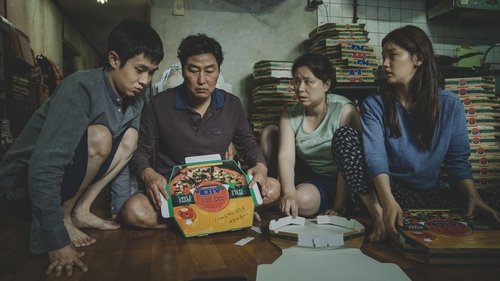
All unemployed, Ki-taek's family takes peculiar interest in the wealthy and glamorous Parks for their livelihood until they get entangled in an unexpected incident.
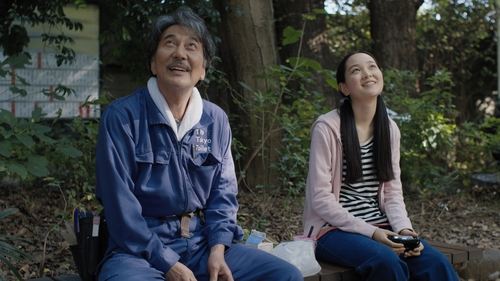
Hirayama is content with his life as a toilet cleaner in Tokyo. Outside of his structured routine, he cherishes music on cassette tapes, books, and taking photos of trees. Through unexpected encounters, he reflects on finding beauty in the world.

After being laid off and humiliated by a ruthless job market, a veteran paper mill manager descends into violence in a desperate bid to reclaim his dignity.
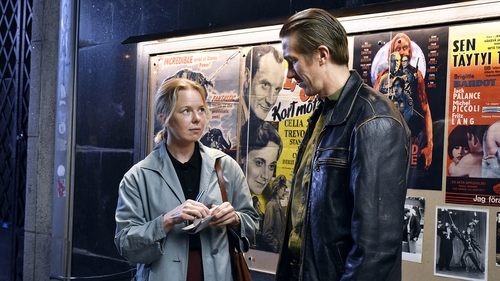
In modern-day Helsinki, two lonely souls in search of love meet by chance in a karaoke bar. However, their path to happiness is beset by obstacles – from lost phone numbers to mistaken addresses, alcoholism, and a charming stray dog.

Heiress Joanna Stayton hires carpenter Dean Proffitt to build a closet on her yacht—and refuses to pay him for the project when it's done. But after Joanna accidentally falls overboard and loses her memory, Dean sees an opportunity to get even.

After experiencing a traumatic misfortune, Jasmine French, a wealthy woman from New York, moves to San Francisco to live with her foster sister Ginger and the firm purpose of getting a new life, but she will be haunted by anxiety and memories of the past.
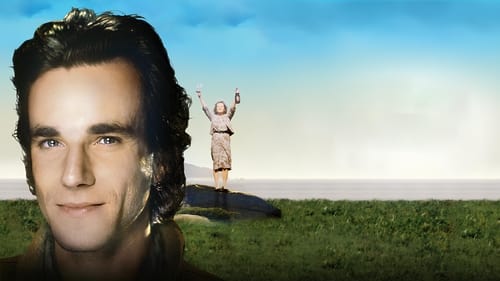
No one expects much from Christy Brown, a boy with cerebral palsy born into a working-class Irish family. Though Christy is a spastic quadriplegic and essentially paralyzed, a miraculous event occurs when, at the age of 5, he demonstrates control of his left foot by using chalk to scrawl a word on the floor. With the help of his steely mother — and no shortage of grit and determination — Christy overcomes his infirmity to become a painter, poet and author.

In 1950s Ireland and New York, young Eilis Lacey has to choose between two men and two countries.

Buddy is a young boy on the cusp of adolescence, whose life is filled with familial love, childhood hijinks, and a blossoming romance. Yet, with his beloved hometown caught up in increasing turmoil, his family faces a momentous choice: hope the conflict will pass or leave everything they know behind for a new life.

The Narrator tells us how the radio influenced his childhood in the days before TV. In the New York City of the late 1930s to the New Year's Eve 1944, this coming-of-age tale mixes the narrator's experiences with contemporary anecdotes and urban legends of the radio stars.
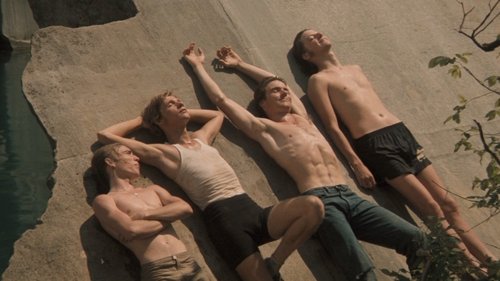
Dave, nineteen, has just graduated high school, with his three friends: the comical Cyril, the warm hearted but short-tempered Moocher, and the athletic, spiteful but good-hearted Mike. Now, Dave enjoys racing bikes and hopes to race the Italians one day, and even takes up the Italian culture, much to his friends' and parents' annoyance.
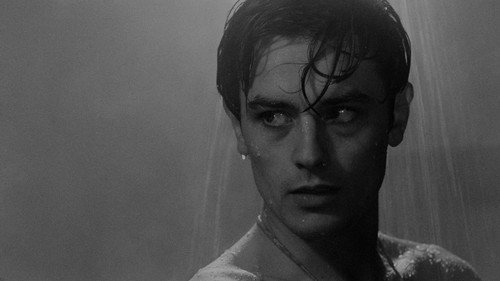
When a impoverished widow’s family moves to the big city, two of her five sons become romantic rivals with deadly results.
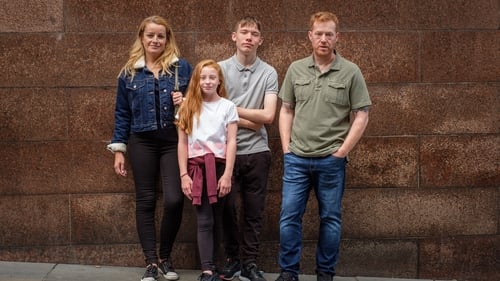
Hoping that self-employment through gig economy can solve their financial woes, a hard-up delivery driver and his wife struggling to raise a family end up trapped in the vicious circle of modern-day labour exploitation.
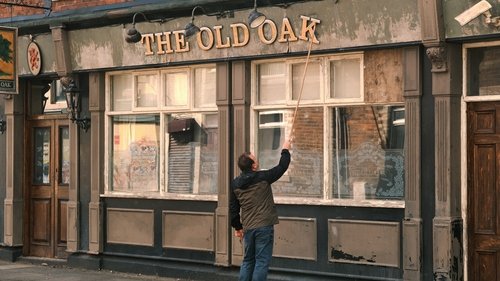
A pub landlord in a previously thriving mining community struggles to hold onto his pub. Meanwhile, tensions rise in the town when Syrian refugees are placed in the empty houses in the community.
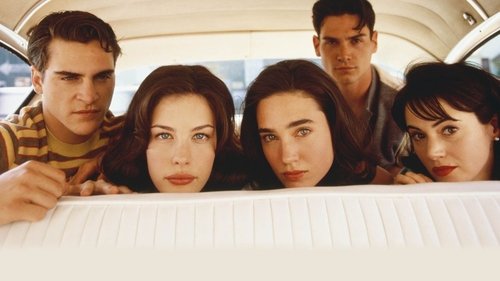
In the 1950s, brothers Jacey and Doug Holt, who come from the poorer side of their sleepy Midwestern town, vie for the affections of the wealthy, lovely Abbott sisters. Lady-killer Jacey alternates between Eleanor and Alice, wanting simply to break the hearts of rich young women. But sensitive Doug has a real romance with Pamela, which Jacey and the Abbott patriarch, Lloyd, both frown upon.
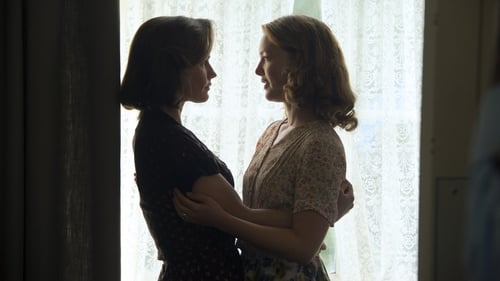
Dr. Jean Markham returns to the town she left as a teenager to take over her late father's medical practice. When a school-yard scuffle lands Charlie in her surgery, she invites him to visit the hives in her garden and tell his secrets to the bees, as she once did. The new friendship between the boy and the bee keeper brings his mother Lydia into Jean's world.
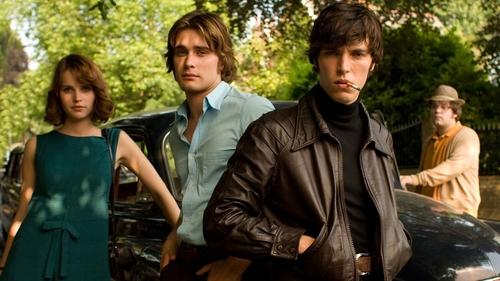
In 1970s England, three blue-collar friends spend their days joking, drinking, fighting and chasing girls. Freddie wants to leave their working-class world but cool, charismatic Bruce and lovable loser Snork are happy with life the way it is. When Freddie gets a new job as a door-to-door salesman and bumps into his old school sweetheart Julie, the gang are forced to make choices that will change their lives for ever.
Penny works at a supermarket and Phil is a gentle taxi-driver. Penny’s love for Phil has run dry and they lead joyless lives with their two children, Rachel, a cleaner, and Rory, who is unemployed and aggressive.

Lucy Hill is an ambitious up-and-coming executive living in Miami. She loves her shoes, her cars, and climbing the corporate ladder. When she is offered a temporary assignment — in the middle of nowhere — to restructure a manufacturing plant, she jumps at the opportunity, knowing that a big promotion is close at hand. What begins as a straightforward assignment becomes a life-changing experience as Lucy discovers greater meaning in her life and, most unexpectedly, the man of her dreams.
After completing jail time for beating up a man who tried to seduce his mentally-handicapped teenage daughter, the Butcher wants to start life anew. He institutionalizes his daughter and moves to the Lille suburbs with his mistress, who promises him a new butcher shop. Learning that she lied, the Butcher returns to Paris to find his daughter.

On the night when Santa Claus is kidnapped by Usula and Eddy, Mrs. Claus decides to send three girls, Sabrina, Jill, and Natalie, to rescue him.