
Action
Adventure
Animation
Comedy
Crime
Documentary
Drama
Family
Fantasy
History
Horror
Music
Mystery
Romance
Science Fiction
Thriller
War
Western
Found 23 movies, 2 TV shows, and 0 people
Can't find what you're looking for?

A short film by the co-writer of The Forbidden Room, Spirit Workers Union features a cast made up of numerous Winnipeg rail workers playing a group of ghosts who decide to form a union.
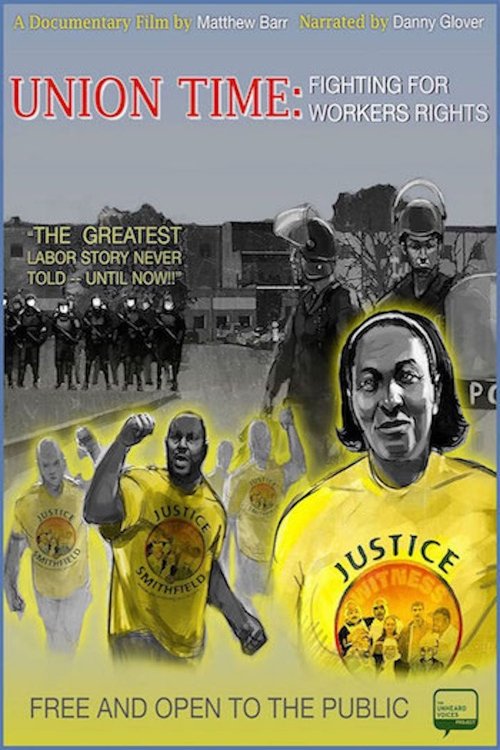
Union Time: Fighting for Workers’ Rights follows the story of workers at the Smithfield Pork Processing plant in Tar Heel, North Carolina, who fought for safe, fair working conditions – and won. It goes beyond hype about unions (from both sides) to show how people standing together can break the cycle of poverty and injustice.
No description available for this movie.

Like most of the people in her town, Karen Silkwood works at the local nuclear plant producing highly radioactive plutonium. Exposed one day to a lethal dose of radiation, Karen faces the blank walls of corporate indifference and denial. As her illness increases, her protest grows louder and she becomes an obvious danger to the powers that be.
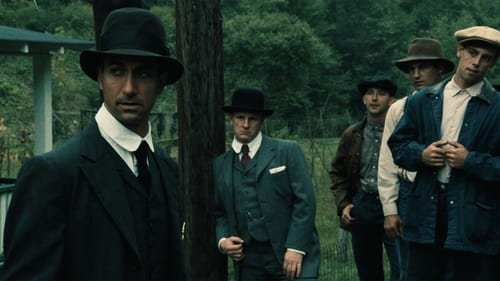
Filmed in the coal country of West Virginia, "Matewan" celebrates labor organizing in the context of a 1920s work stoppage. Union organizer, Joe Kenehan, a scab named "Few Clothes" Johnson and a sympathetic mayor and police chief heroically fight the power represented by a coal company and Matewan's vested interests so that justice and workers' rights need not take a back seat to squalid working conditions, exploitation and the bottom line.
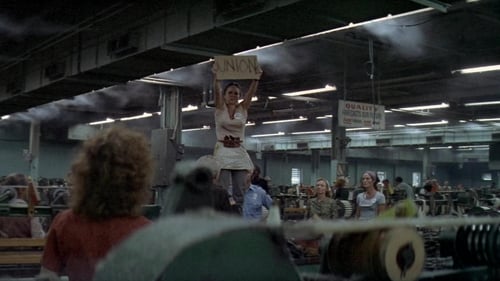
Norma Rae is a southern textile worker employed in a factory with intolerable working conditions. This concern about the situation gives her the gumption to be the key associate to a visiting labor union organizer. Together, they undertake the difficult, and possibly dangerous, struggle to unionize her factory.
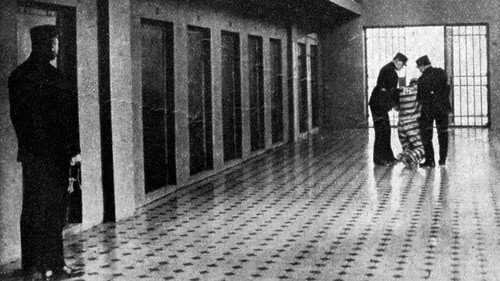
The rebel leader Jose Real is allowed to leave prison for one day to visit his family. But it is a ruse to make him reveal the whereabouts of his rebel gang. This existential drama disguised as a saga about the proletarian struggle presents a lonely and insecure individual who is challenged to act more heroically than he is prepared to, but who constantly questions his confidence and loyalties.
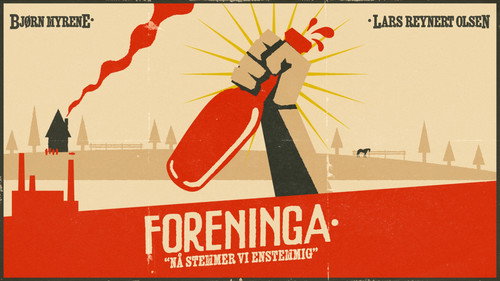
A small union gathers for a crucial meeting. As the evening drags on, it all descends into partying, drunkenness, and poor judgment. With the leadership out of the picture, new candidates are forced forward, and what should have been an orderly process evolves into an increasingly chaotic power struggle.
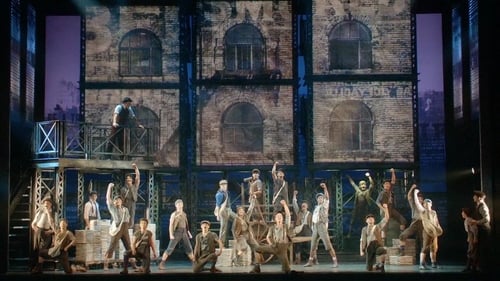
A week in the life of the exploited, child newspaper sellers in turn-of-the-century New York. When their publisher, Joseph Pulitzer, tries to squeeze a little more profit out of their labours, they organize a strike, only to be confronted with the Pulitzer's hard-ball tactics.
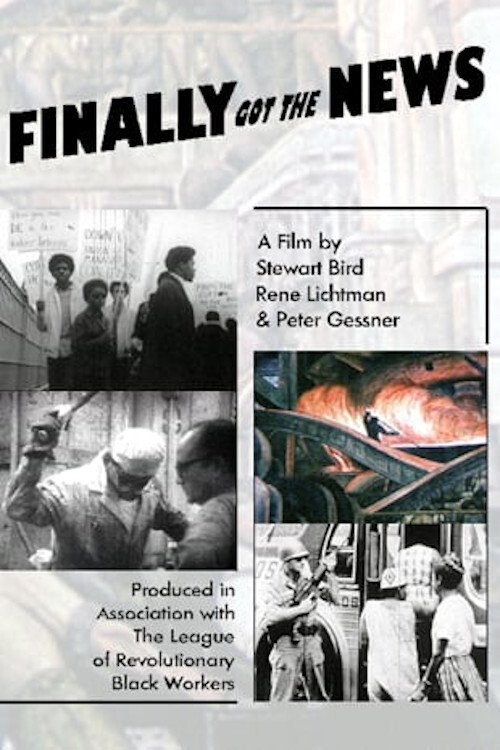
FINALLY GOT THE NEWS is a forceful, unique documentary that reveals the activities of the League of Revolutionary Black Workers inside and outside the auto factories of Detroit. Through interviews with the members of the movement, footage shot in the auto plants, and footage of leafleting and picketing actions, the film documents their efforts to build an independent black labor organization that, unlike the UAW, will respond to worker's problems, such as the assembly line speed-up and inadequate wages faced by both black and white workers in the industry. Beginning with a historical montage, from the early days of slavery through the subsequent growth and organization of the working class, FINALLY GOT THE NEWS focuses on the crucial role played by the black worker in the American economy. Also explored is the educational 'tracking' system for both white and black youth, the role of African American women in the labor force, and relations between white and black workers.
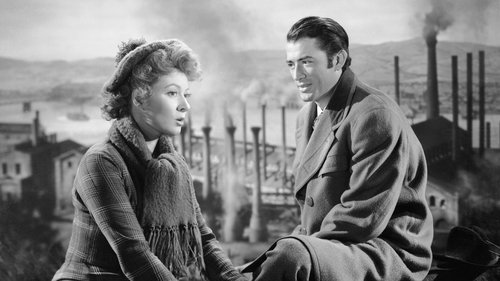
Mary Rafferty comes from a poor family of steel mill workers in 19th Century Pittsburgh. Her family objects when she goes to work as a maid for the wealthy Scott family which controls the mill. Mary catches the attention of handsome scion Paul Scott, but their romance is complicated by Paul's engagement to someone else and a bitter strike among the mill workers.
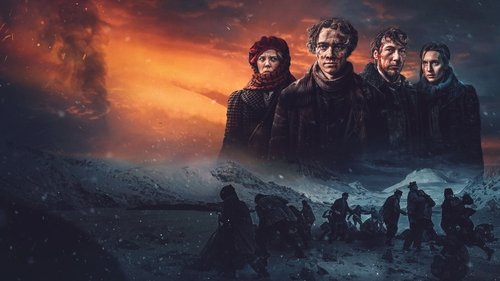
In 1907, the miners in Sulitjelma in Fauske in Nordland made a famous rebellion against greedy mine owners.
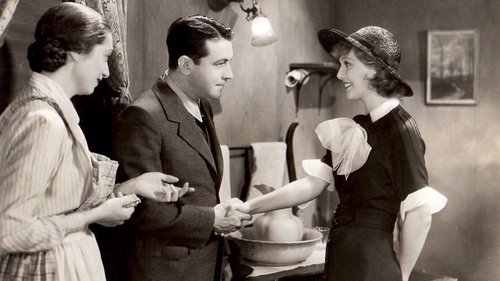
World War I veteran Tom Holmes is marked by the unbearable suffering caused by his battle wounds. Over the years, he comes to experience both the pain of misfortune and a love for other human beings.
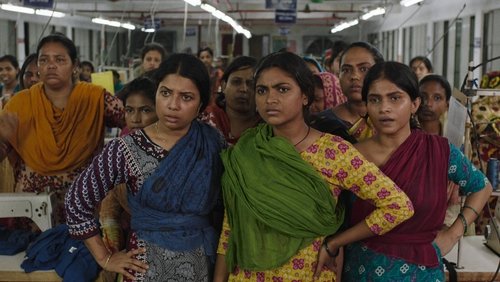
Shimu, 23, works in a clothing factory in Dhaka, Bangladesh. Faced with difficult conditions at work, she decides to start a union with her co-workers. Despite threats from the management and disapproval of her husband, Shimu is determined to go on. Together the women must fight and find a way to register their union.

Robert moves from the Polish countryside to work on a fish processing factory on the coast of Norway. There he falls in love with Ivar who is openly gay and a member of the workers union. Robert is hiding his sexual orientation from the other Polish immigrant workers. When Ivar helps the Polish to start a strike for better working conditions at the factory, Robert has to choose between money or love.

‘VIGO 1972’ narrates the events which took place in Vigo in September 1972, when the firing of five Citröen auto workers resulted in the largest general strike in the history of Galicia — with over thirty thousand workers — all of this during the Franco dictatorship in Spain.
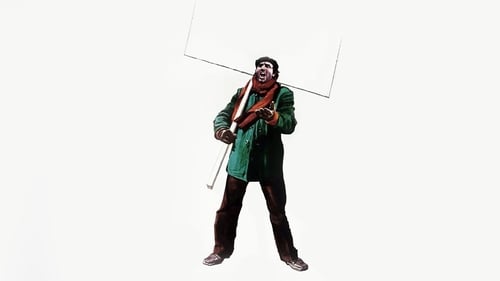
A Sicilian worker, a member of the internal commission in a factory in Bergamasco, believes he has won it over the owner because he has obtained important improvements, but the astute employer sells the company to a multinational company.

Gdańsk, Poland, September 1980. Lech Wałęsa and other Lenin shipyard workers found Solidarność (Solidarity), the first independent trade union behind the Iron Curtain. The long and hard battle to bring down communist dictatorship has begun.
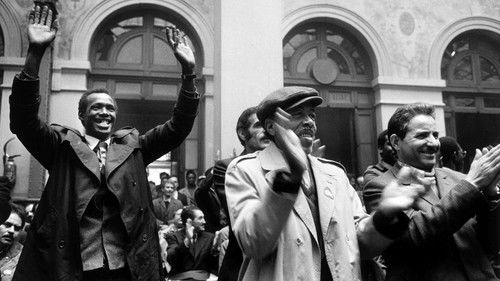
Since its opening in 1882, the Paris Bourse du Travail (Labor Exchange) has remained a nerve center of the labor movement. Once a hotbed of revolutionary syndicalism, and now a meeting place for the main labor federations, history is etched into the walls of the Bourse. It is from the rooms bearing the names of illustrious figures—Eugène Varlin, Fernand Pelloutier, Jean Jaurès, Léon Jouhaux—that historians (Jean Bruhat, Bernard Georges, Jacques Julliard, Jean Maitron, Madeleine Reberioux, Denise Trintant) and the Bourse's general secretary, Jean Braire, have sought to bring to life a century of social history. The general secretaries of the five major labor federations (André Bergeron, Jean Bornard, Edmond Maire, Jacques Pommateau, Georges Seguy) discuss the origins of the Bourses du Travail, but also address the present and the future.

No description available for this movie.
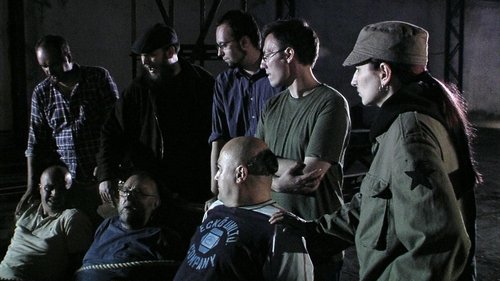
A mixture of documentary and fiction examines the new god of Capitalism offered to the Serbs with the ending of state socialism. We look at a number of strikes in Belgrade during the late 2000s and these introduce us to several characters playing themselves. Employees dressed in American football helmets and pads square up with employers' heavies in their bullet-proof vests, resulting in explosive situations. A visit from the Russian tycoon's representative and vice president Joe Biden's arrival further complicates the proceedings.
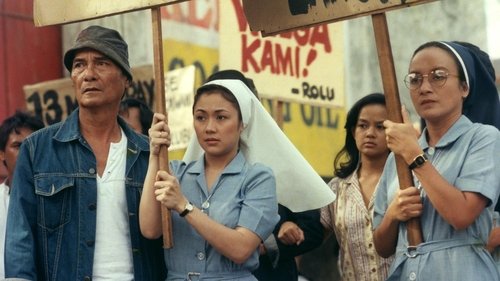
A nun who acts as a counselor in a home for unwed mother undergoes political awakening when her friend and namesake belonging to the same congregation as hers inspires her to get involved in the struggle for justice and freedom of striking workers in a cooking oil company.
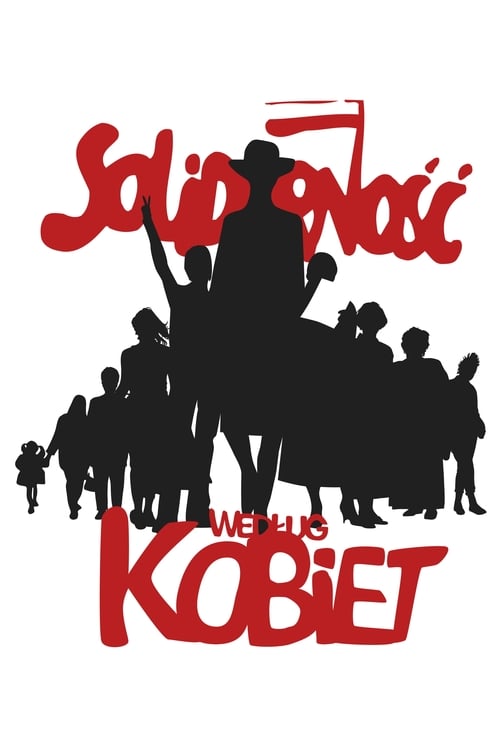
It was women who closed the gates and launched the Solidarity strike when, on a Saturday in August 1980, workers, satisfied with a raise, stopped their protest and wanted to leave the Gdansk shipyard. If it had not been for the initiative of several determined women, perhaps there would not have been any August 1980 in Polish history. Under martial law, with the men in prisons, the women took on their role. They were not interested neither in joining the union’s power structure, nor in particular posts. The most important thing was their work and its results. When communism in Poland came to an end on June 4, 1989, the vast majority of women in Solidarity disappeared from the political stage. They let themselves be forgotten when their colleagues were taking over the most important posts in power in a free Poland. This documentary by Marta Dzido and Piotr Śliwowski reminds us about these forgotten heroines, giving us a new perspective on the last 30 years of Polish history.