
Action
Adventure
Animation
Comedy
Crime
Documentary
Drama
Family
Fantasy
History
Horror
Music
Mystery
Romance
Science Fiction
Thriller
War
Western
Found 31 movies, 8 TV shows, and 0 people
Can't find what you're looking for?

Three intrepid women battle for Indigenous women's treaty rights.
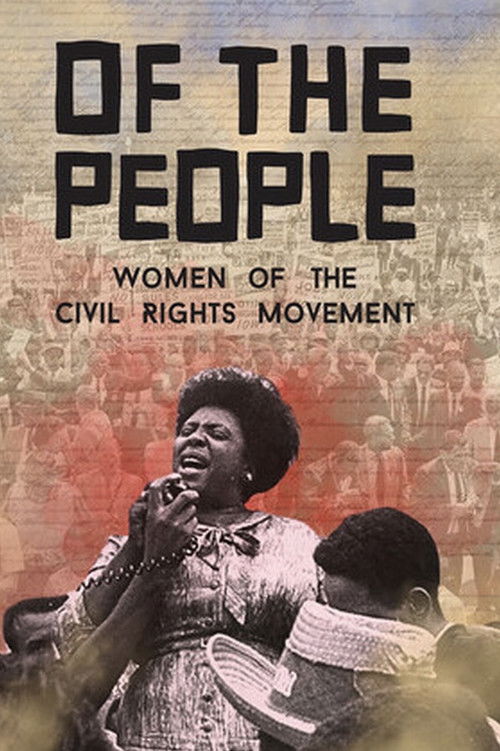
Of The People: The Women Of The Civil Rights Movement shines a light on the often-overlooked women whose courage and leadership shaped one of the most transformative eras in American history. While names like Martin Luther King Jr. and Malcolm X dominate popular narratives, this work centers the voices and stories of women who organized, strategized, and sacrificed to dismantle segregation and secure voting rights. From grassroots activists to national leaders, these women such as Ella Baker, Fannie Lou Hamer, Septima Clark, and Dorothy Height fought not only against racial injustice but also gender discrimination within the movement itself.
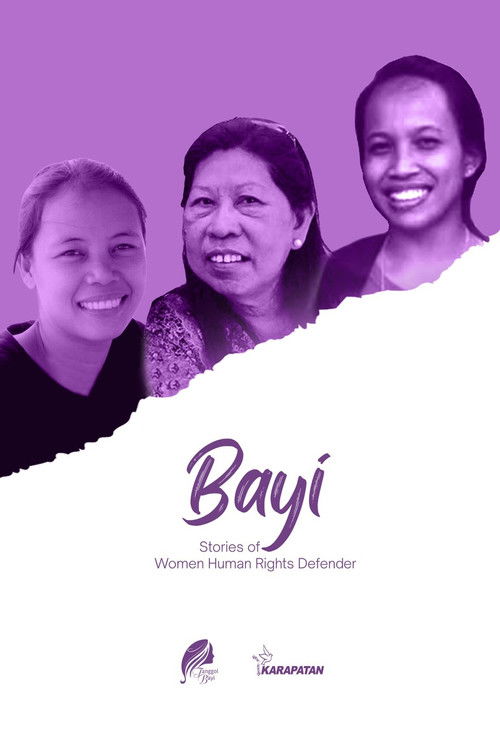
Filipino human rights defenders Zara Alvarez, Anna Mariz Evangelista, and Elisa Badayos were among the 62 women killed in the Duterte administration's counterinsurgency campaign. Their loved ones remember the lives they led and the legacies they left behind. The documentary is a salute to the brave Filipinas who are considered heroes by women’s and people’s movements in the Philippines.
Through the personal stories of several former black female Civil Rights activists, Reflections Unheard: Black Women in Civil Rights unearths the lesser-known story of black women's political marginalization between the male-dominated Black Power movement, and the predominantly white and middle class Feminist movement during the 1960s and 70s, as well as the resulting mobilization of black and other women of color into a united Feminist movement.
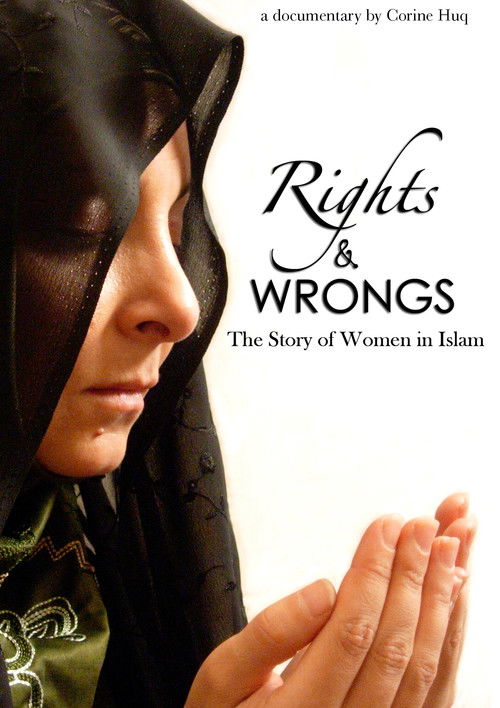
An exploration of the conditions of Muslim women from the present to the past and a vision of their future.
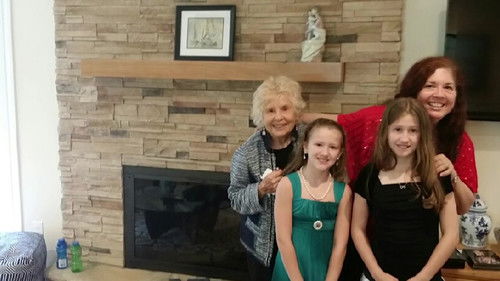
Four generations of politically active women talk about voting and running for office. They grew up assuming that women belonged in government and everyone should exercise the right to vote.
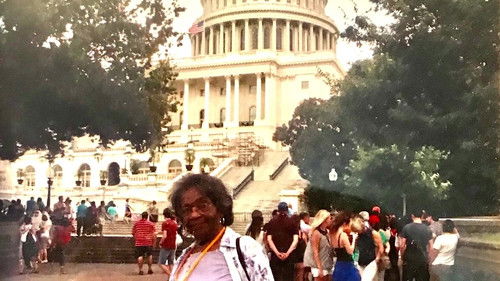
Three generations of Black women talk about their voting experiences. Growing up in the South under Jim Crow meant that voting was impossible or dangerous. After the Voting Rights Act in the 1960s, community services improved when Black candidates were elected. A young Black woman voting for the first time could vote for the first woman of color as Vice President.
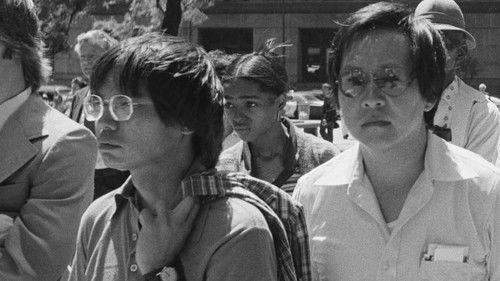
A Chinese-American woman grew up in a community where immigration and citizenship were restricted by law. Those who could vote were too afraid of the government to register. Only the election of the first Asian-American to Congress gave them the confidence to exercise their right to vote.
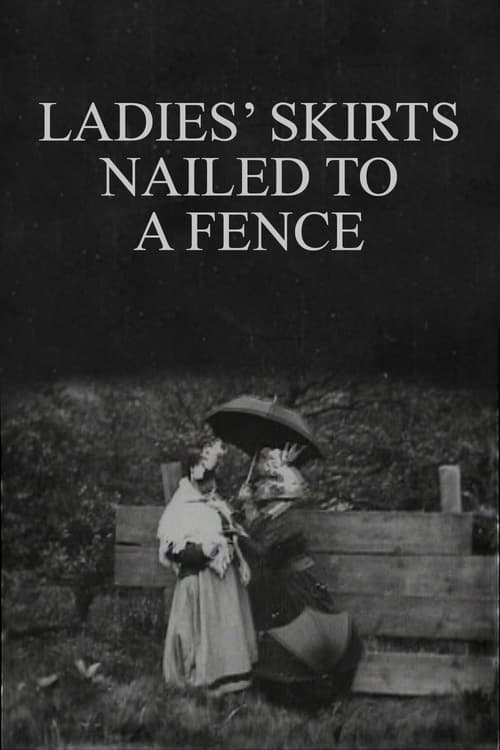
Two women in long skirts, wearing hats, and carrying umbrellas, gossip beside a fence. Two men on the other side of the fence reach through from underneath and nail the women's skirts to the boards. Off the men run leaving the women to discover their fate. What will they do?

This feature film in two parts is an exploration of the women's suffrage movement. Spearheaded by women like Emmeline Pankhurst, founder of the Women's Social and Political Union, the Suffragettes realized they would have to become radical and militant if the movement was going to be effective. There followed many demonstrations and imprisonments until the women's vote was finally granted in 1918 (Britain) and 1919 (Canada, except Quebec.)
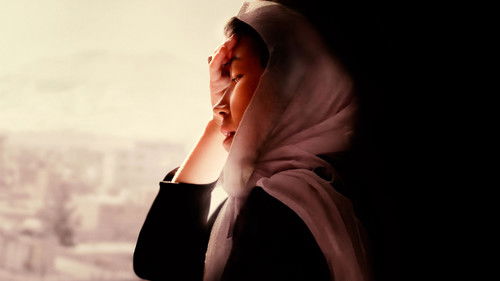
In the wake of the Taliban's return to power, a group of Kabul women lead a revolutionary fight for their rights—and their lives.
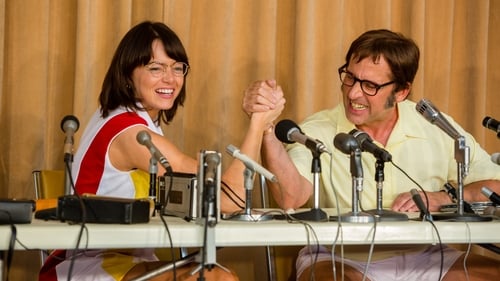
The true story of the 1973 tennis match between world number one Billie Jean King and ex-champ and serial hustler Bobby Riggs.
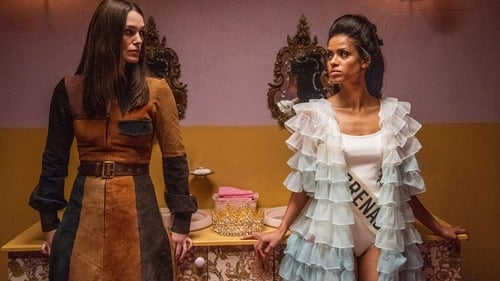
A group of women involved in the Women's Liberation Movement hatched a plan to invade the stage and disrupt the live broadcast at the 1970 Miss World competition in London, resulting in overnight fame for the newly-formed organization. When the show resumed, the results caused an uproar and turned the Western ideal of beauty on its head.
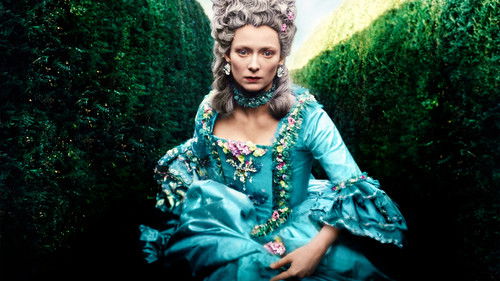
England, 1600. Queen Elizabeth I promises Orlando, a young nobleman obsessed with poetry, that she will grant him land and fortune if he agrees to satisfy a very particular request.

Three young Irish women struggle to maintain their spirits while they endure dehumanizing abuse as inmates of a Magdalene Sisters Asylum.
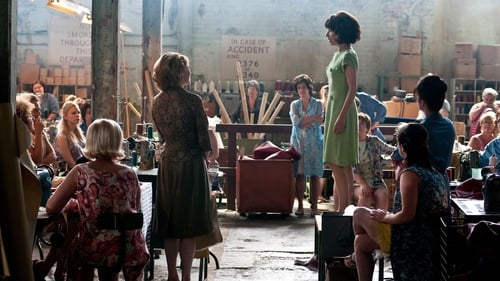
A dramatization of the 1968 strike at the Ford Dagenham car plant, where female workers walked out in protest against sexual discrimination.
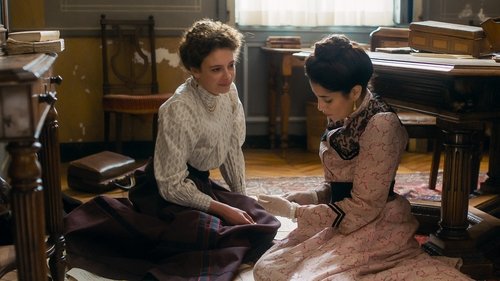
Set in 1900, Lili d’Alengy, a Parisian cocotte at the height of her fame, flees Paris to hide her “idiot” daughter. There she meets Maria Montessori, who is pioneering a teaching method that may help the child.
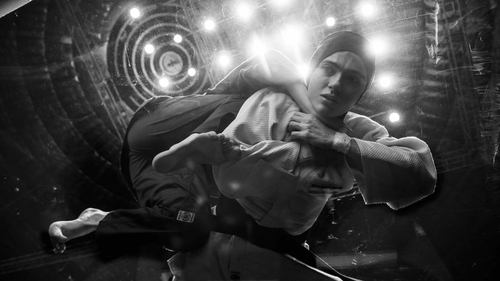
Iranian female judokas Leila and her coach Maryam, travel to the Judo World Championship, intent on bringing home Iran’s first gold medal. Midway through the Judo World Championships, they receive an ultimatum from the Islamic Republic ordering Leila to fake an injury and lose, or she will be branded a traitor of the state. With her own and her family’s freedom at stake, Leila is faced with an impossible choice: comply with the Iranian regime as her coach Maryam implores her to do, or fight on, for the gold.
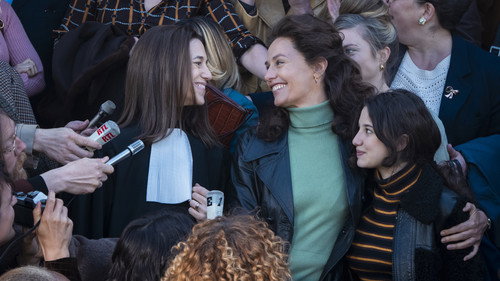
1972. A landmark trial shakes France as young Marie-Claire is prosecuted for having an illegal abortion with the help of her mother and two other defendants. In a courtroom governed by men, the verdict seems inevitable: prison for the women, while the rapist goes unpunished. Their last hope lies with Gisèle Halimi, a fearless lawyer known for openly challenging patriarchy and confronting the system that condemns victims and lets perpetrators walk free. Alongside the accused, Gisèle will not only change their fate, but, against all odds, transform the condition of women forever
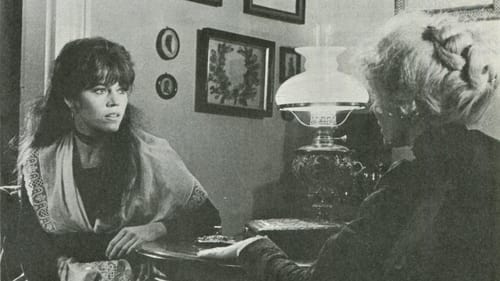
Nora Helmer lives a quiet life with her husband, Torvald, in a small Norwegian town. While he works diligently at a bank, she looks after their children. But Torvald doesn't know that several years ago, when he was very ill and she was desperate for money, Nora forged a loan document and has been secretly working to pay the money back ever since. The arrival of her friend Kristine prompts Nora to re-evaluate her life and confront Torvald.
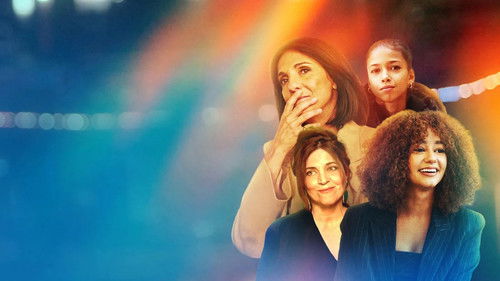
Has the time of women finally come? Have their everyday lives truly changed over the past sixty years? Guided by Agnès Jaoui, women—famous and unknown—share their stories across generations. From childhood to retirement, the documentary traces shared experiences shaped by prejudice, but also by hope, strength, and humor. Blending personal archives, historic moments, and social media footage, the film places women at the center of their own story. Welcome to the Time of Women.

The true story of explorer, journalist and writer Isabelle Eberhardt, originally from Switzerland. She moved to Annaba in Algeria in 1897 with her mother, who preferred to live in the Algerian neighborhoods rather than the European neighborhoods that she hated, and converted to Islam. Her lifestyle shocked the French colonialists: she dressed like a man, frequented cafes and smoke shops. Fascinated by the desert, she traveled the Sahara under the identity of Si Mahmoud, she published articles and books on the world she discovered in southern Algeria, strongly criticizing the colonial authorities. Arriving in El Oued, the soldiers prevent him from continuing his journey. She disobeys and overhears officers shooting Arab prisoners. Arrested, she was accused of espionage and was expelled from Algeria. She married Slimane, a Muslim non-commissioned officer in 1901. Having become French through this marriage, she could now reside in Algeria.
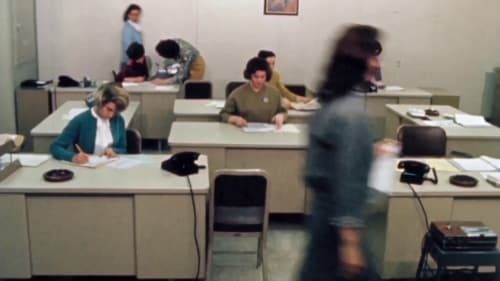
Examines the 40-year evolution of gender inequality and discrimination in the workplace since the 1980 release of the comedy film “9 to 5” starring Jane Fonda, Lily Tomlin, Dolly Parton, and Dabney Coleman.
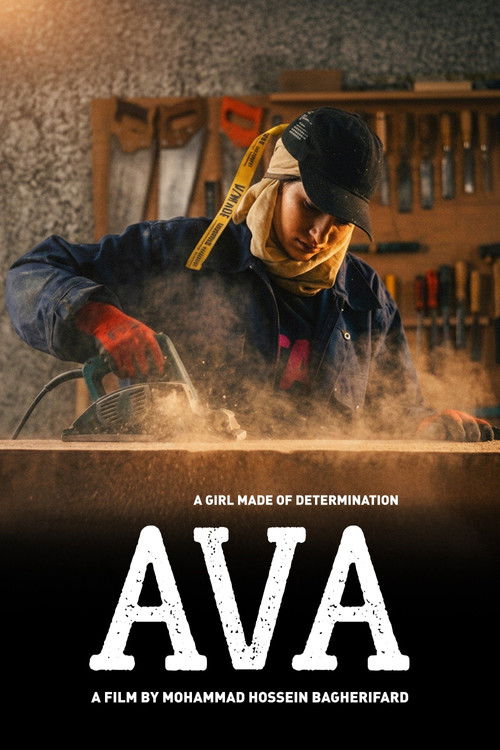
Breaking a centuries-old taboo, Ava stands as the first woman in Iran to master the male-dominated craft of carpentry. Within the grit and clamor of the workshop, she confronts a society that deems her presence forbidden. This observational documentary captures her daily battle against physical hardships and social judgment.
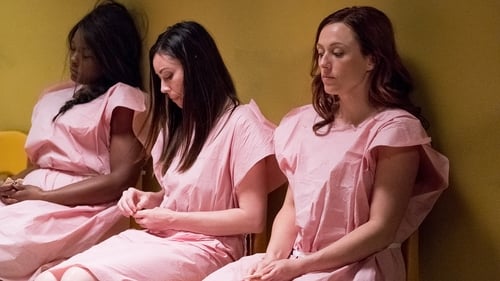
As one of the youngest Planned Parenthood clinic directors in the nation, Abby Johnson was involved in upwards of 22,000 abortions and counseled countless women on their reproductive choices. Her passion surrounding a woman's right to choose led her to become a spokesperson for Planned Parenthood, fighting to enact legislation for the cause she so deeply believed in. Until the day she saw something that changed everything.
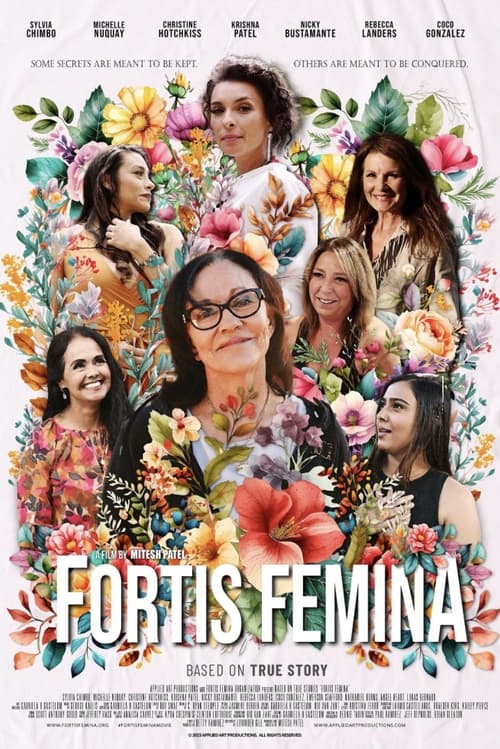
Seven women embark on a transformative weekend in Sedona, Arizona, forging bonds and finding inner strength through shared struggles and secrets.
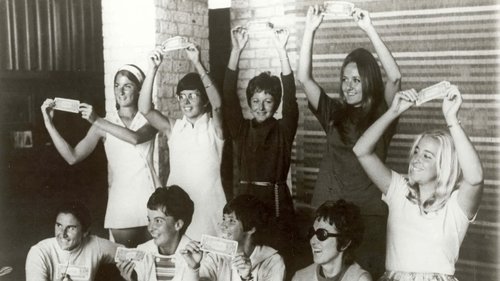
Tennis star and women’s rights activist Billie Jean King won a total of 12 Grand Slam titles, but the biggest match of her career took place in 1973 against former men’s champion Bobby Riggs, a self-proclaimed male chauvinist pig who declared that, even at the age of 55, he could beat any woman in the world.
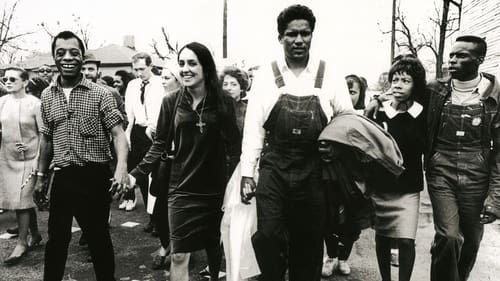
Since her debut at the age of 18, musician, civil rights campaigner and activist Joan Baez has been on stage for over 60 years. For the now 82-year-old, the personal has always been political, and her friendship with Martin Luther King and her pacifism have shaped her commitment. In this biography that opens with her farewell tour, Baez takes stock in an unsparing fashion and confronts sometimes painful memories.
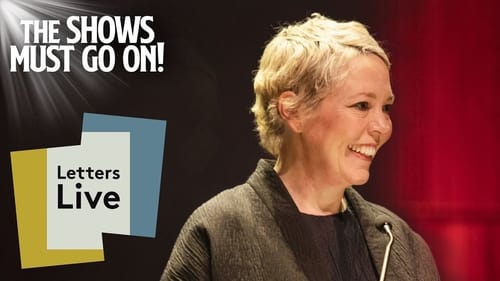
Celebrate International Women’s Day with this brand new inspiring film from LETTERS LIVE. In “LETTERS LIVE from the Archive: International Women’s Day”, remarkable letters are read by a diverse array of outstanding luminaries, including stunning performances from Olivia Colman, Gillian Anderson, Daisy Ridley, Caitlin Moran, Rose McGowan, Adwoa Aboah, Louise Brealey and more. Plus music from Roxanne Tataei.

Nora is a young housewife and mother, living in a quaint little village with her husband and their two sons. The Swiss countryside is untouched by the major social upheavals the movement of 1968 has brought about. Nora’s life is not affected either; she is a quiet person who is liked by everybody – until she starts to publicly fight for women’s suffrage, which the men are due to vote on in a ballot on February 7, 1971.
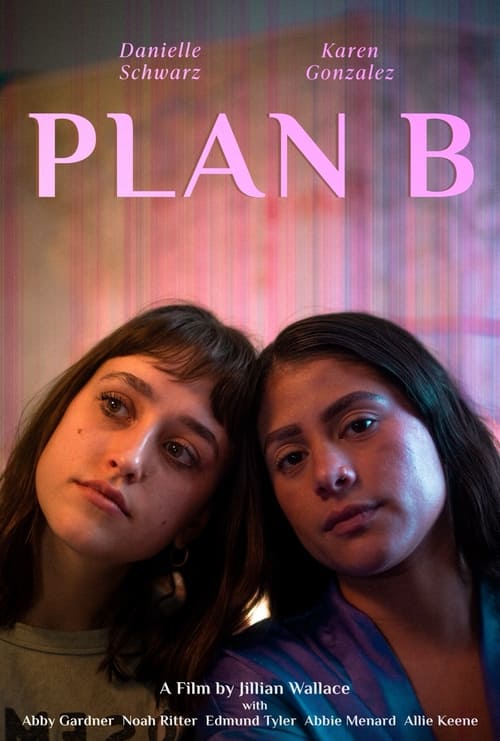
When a positive pregnancy test derails her life, a single woman and her childhood best friend - who harbors a secret of her own - face a difficult decision in an increasingly restrictive U.S.A.