
Action
Adventure
Animation
Comedy
Crime
Documentary
Drama
Family
Fantasy
History
Horror
Music
Mystery
Romance
Science Fiction
Thriller
War
Western
Found 20 movies, 0 TV shows, and 0 people
Can't find what you're looking for?

An atmospheric portrait of four women who leave the factory where they work to go to the beach.
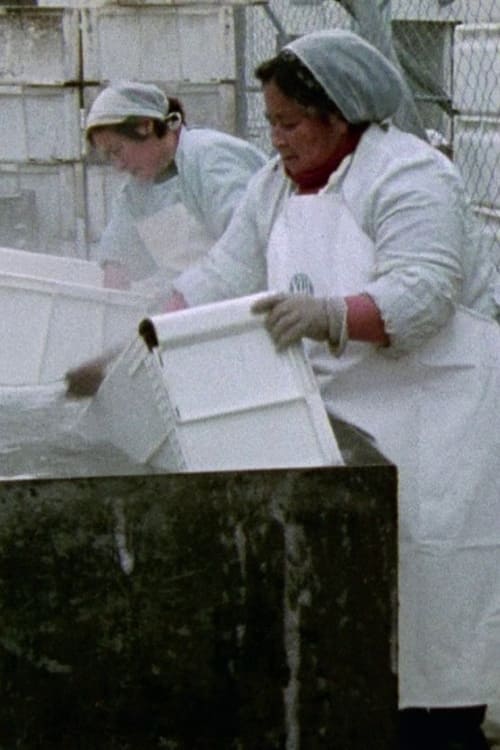
Greenland is in the middle of a process of industrial development, a stark contrast to the former way of life. In the film, which was shot in Sisimiut (Holsteinsborg), a group of Greenlandic women talk about their work and their position in the workplace, about the need to organize themselves, to stand shoulder to shoulder in order to improve working conditions and wages. The women, working as shrimp pillers, tell with bitterness, but also humor, about their lives and the double work that they have to endure. The 'royal' hand-picked Greenlandic prawns are viewed here in relation to the repeated abdominal infections the women suffer from, and their political struggle related to labor and gender.
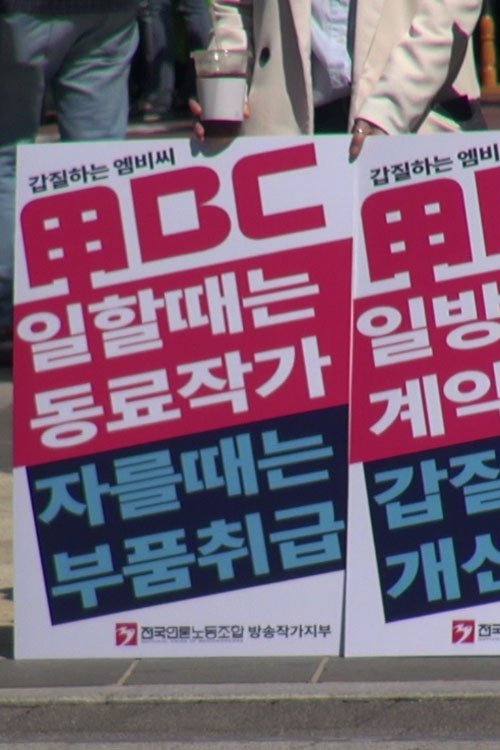
94.6% of Script writers are women in Korea. Script writers are one of the representative job sectors which is well known to have the most non-regular workers in Broadcasting industry. Those women working for broadcasting have decided to form a labor union after suffering from low wages and long hours of labor that have not changed for more than two decades. ‘Labor union’ It reminded us of men in red headbands, vests and scary face! we’ve never thought of this except for considering it as a topic at TV programs we make. This is the first time in our life that we've ever been in a labor union, so too hard for us. We’re tired of our lives, again being beaten by the injustice in our workplace.

In 1992, more than 130 female workers in Jialong Garment Factory lost their jobs. That year, in order to transfer capital to Indonesia, the factory announced the closure of the factory at the same time as the union was established. The boss, Zhu Yinglong, a professor at Taiwan University, refused to pay severance payment in accordance with the standards of the Labor Law Law. The employees had nowhere to ask for help and decided to take to the streets to seek justice.
Management addresses the special problems of women workers with concern and a heavy dose of sexism.

These Land Girls are firm friends - and just as good at farm work as the men they replaced during WWI.
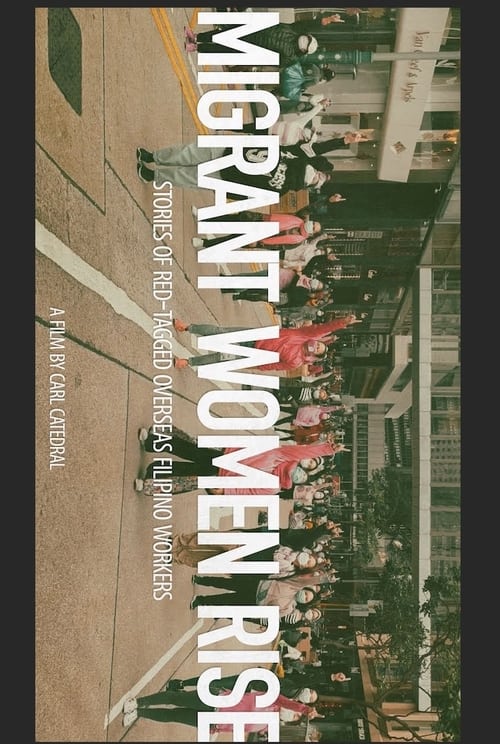
Amidst the COVID-19 pandemic, Overseas Filipino Workers in Hong Kong risk their lives and reputations as they speak out against the anti-people policies of the Philippine government. The documentary follows two migrant leaders who are victims of red-tagging under the Duterte Administration as they defend the rights of their fellow migrants, while navigating the challenges of life far from home.
A documentary about the women who built glider planes at the H.J. Heinz plant in Pittsburgh during World War II. While America's men fought overseas, women in Pittsburgh built glider wings at the Heinz factory. The gliders were used by Allied troops to carry men and supplies behind enemy lines.
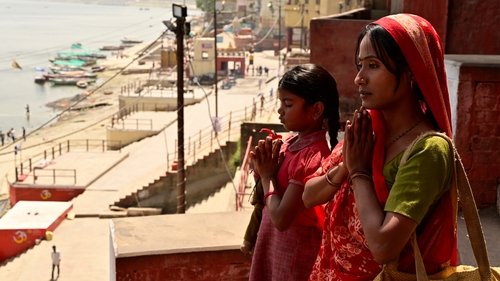
India. Smita is an untouchable. She dreams of seeing her daughter escape her miserable condition and enter school. Italy. Giulia works in her father’s workshop. When he has an accident, she discovers that the family business is ruined. Canada. Sarah, a successful lawyer, is about to be promoted to the head of her firm when she learns that she is ill. Three lives, three women, three continents. Three battles to fight. Although they don’t know each other, Smita, Giulia and Sarah are unknowingly linked by their most intimate and singular bond.

In this documentary by Coline Serreau, known for her feature film Why Not?, a selection of Frenchwomen in characteristically no-win situations discuss what they are experiencing and answer, if only by implication, the question: "What do women want?"

Army sergeants Dave and "Fixit" spend a three-day pass in Pasadena, where they meet Janet and Cora, two young women who work in a parachute factory.

A candid portrait of the women working at the Lőrinc spinning mill. As with so many of Mészáros’ shorts, this work has foundations in autobiography, and she would later return to this particular world in one of her fiction features.

Hoa is a young engineer and computer specialist who arranges the database of an institution. She is hardworking, yet her dedication goes unnoticed, and her boss dismisses her work and expertise as “redundant”.

The Ministry of Labour exhorts women to return to industry – the post-war production drive depends on them.

The documentary portrays the lives of 5 seamstresses from Blumenau facing dilemmas, pain and sequelae that their day-to-day work has left in their lives.
From growing potatoes in Green Park, London, to transforming rabbit crates into seed boxes – just a couple of the many ingenious ways of supporting the war effort which are covered in this film from the Ministry of Information.
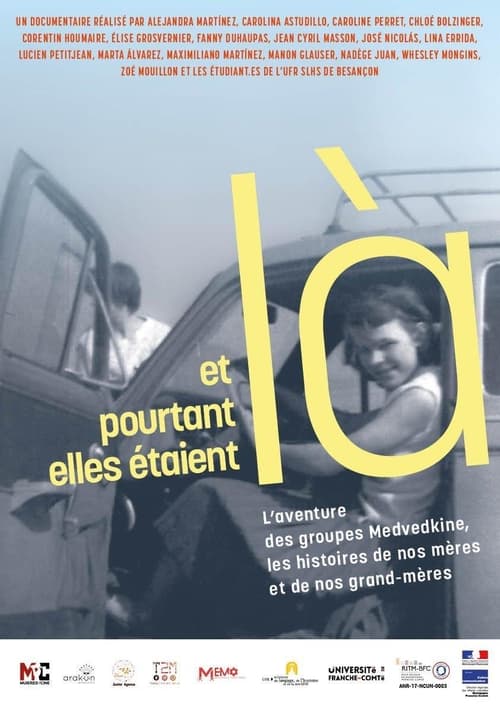
Dominique, Suzanne, and Annette: three women who participated in the adventure of the Medvedkine groups (Besançon, Sochaux, 1967-1974). In those same years, the lives of our grandmothers and mothers experienced decisive changes: they worked outside the home and revolutionized customs. A group of Besançon students are investigating those events and questioning their own family memory.

Three women share their experience of navigating the app-world in the metro city. The sharings reveal gendered battles as platform workers and the tiresome reality of gig-workers' identities against the absent bosses, masked behind their apps. Filmed in the streets of New Delhi, the protagonists share about their door-to-door gigs, the surveillance at their workplaces and the absence of accountability in the urban landscape.
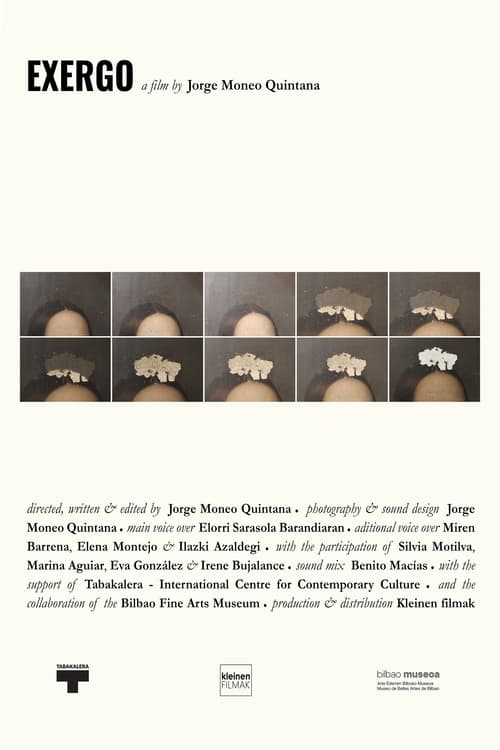
Departing from peripheral details of some paintings of the Bilbao Fine Arts Museum, a female narrator unravels several stories related to the economic, social and psychological conditions of past and current artists.
No description available for this movie.