
Action
Adventure
Animation
Comedy
Crime
Documentary
Drama
Family
Fantasy
History
Horror
Music
Mystery
Romance
Science Fiction
Thriller
War
Western
Found 27 movies, 2 TV shows, and 0 people
Can't find what you're looking for?

An Israeli student film about anti-Zionist propaganda.

How does Propaganda affect a country? Meet Derek Grimes— the “greatest man” to the people of Derekstan. However, conflict arrives when outside political forces attempt to save the people.
FOREIGN CORRESPONDENT was released a year before the U.S. entered World War II. The ending of the film was added at the last minute to bolster anti-isolationist sentiment among American viewers.
Struggling for renewal following the Great Depression of the early 1930s, the U.S. hoped to stay focused on domestic growth and keep out of conflicts overseas. But the surprise attack on Pearl Harbor demanded action and action demanded finances. Witness how the United States met this enormous financial challenge through innovative promotional campaigns!

Follows the progress of the Euromaidan revolution from the perspective of LGBT Ukrainians. From accounts of exile and torture, to stories of resistance, this film shows a side of the conflict in Ukraine the world has not yet seen.
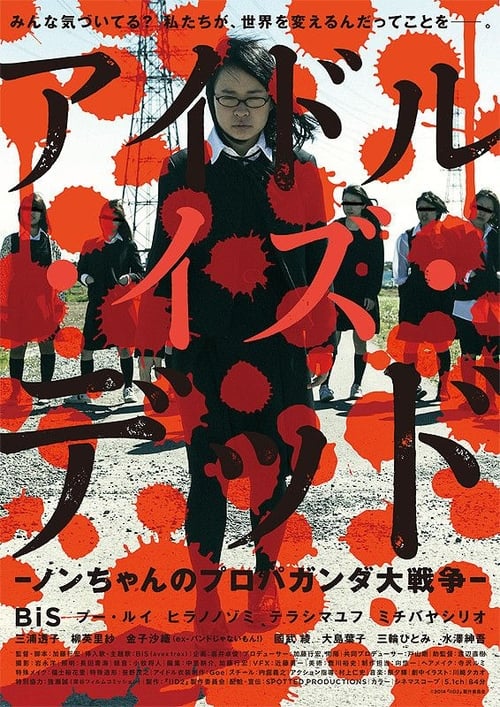
New idol group Electric★Kiss appears in front of idol group BiS. The girls in BiS go up against a conspiracy planned by Electric★Kiss.
Journalist Maggie O’Kane returns to Iraq five years after Desert Storm to try to understand why she was not able to report the war freely and to investigate some of the stories which did not stand up.

During the Blitz of World War II, a female screenwriter works on a film celebrating England's resilience as a way to buoy a weary populace's spirits. Her efforts to dramatise the true story of two sisters who undertook their own maritime mission to rescue wounded soldiers are met with mixed feelings by a dismissive all-male staff.
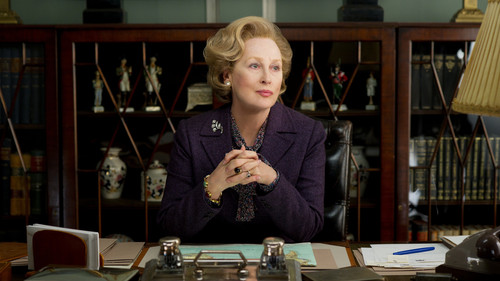
A look at the life of Margaret Thatcher, the former Prime Minister of the United Kingdom, with a focus on the price she paid for power.

Alvin York a hillbilly sharpshooter transforms himself from ruffian to religious pacifist. He is then called to serve his country and despite deep religious and moral objections to fighting becomes one of the most celebrated American heroes of WWI.
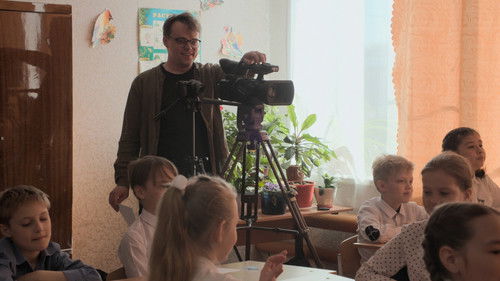
As Russia launches its full-scale invasion of Ukraine, primary schools across Russia’s hinterlands are transformed into recruitment stages for the war. Facing the ethical dilemma of working in a system defined by propaganda and violence, a brave teacher goes undercover to film what’s really happening in his own school.
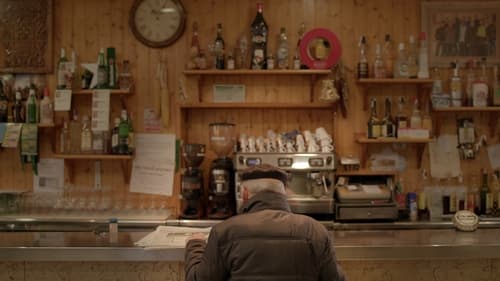
Spanish Civil War, May, 1938. Four villages in Castellón, Benassal, Albocàsser, Ares del Maestrat and Vilar de Canes, were bombed from the sky and ravaged. 38 people died. Inhabitants never knew for sure who piloted the planes responsible for such atrocity, although the rebel propaganda attributed the act to the republican side. Now, 80 years later, the truth is finally exposed.
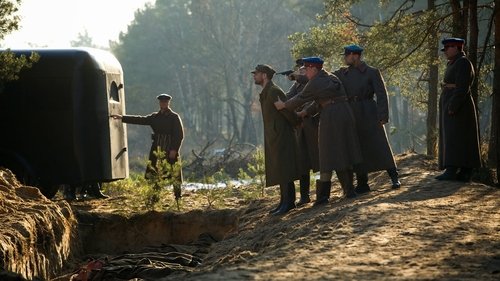
On September 1st, 1939, Nazi Germany invades Poland, unleashing World War II. On September 17th, the Soviet Red Army crosses the border. The Polish army, unable to fight on two fronts, is defeated. Thousands of Polish men, both military and government officials, are captured by the invaders. Their fate will only be known several years later.
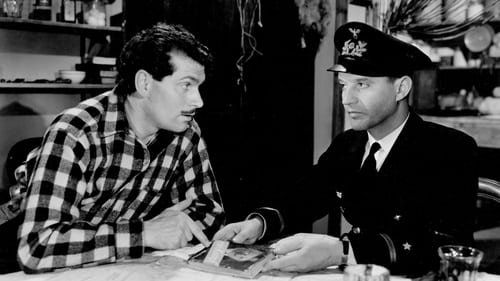
In the early days of World War II, a German U-boat is sunk in Canada's Hudson Bay. Hoping to evade capture, a small band of German soldiers led by commanding officer Lieutenant Hirth attempts to cross the border into the United States, which has not yet entered the war and is officially neutral. Along the way, the German soldiers encounter brave men such as a French-Canadian fur trapper, Johnnie, a leader of a Hutterite farming community, Peter, an author, Philip and a soldier, Andy Brock.
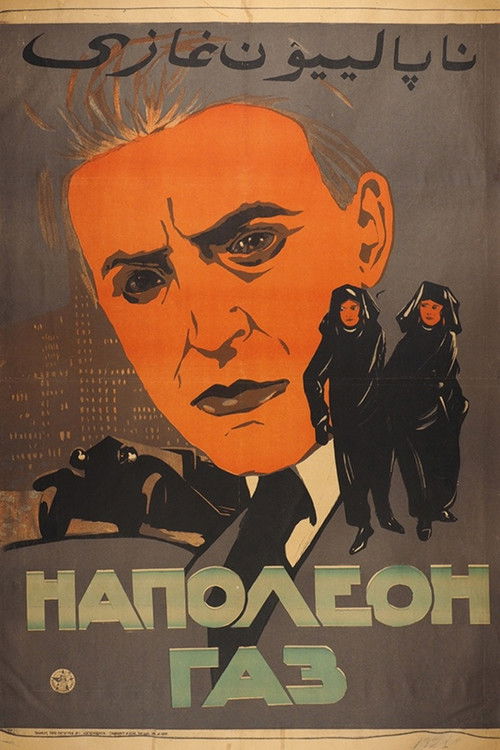
A squadron of American warplanes, armed with gas developed by Corsican chemist Gannimer (dubbed "Napoleon Gas") flies to Leningrad. American workers inform soviet comrades about the impending catastrophe. But the air attack on the city has already begun, and the assault troops of the enemy capture one suburb of the city after the other. The Red Army is organizing the defense and reflects the attack of the enemy with gas-armed drones
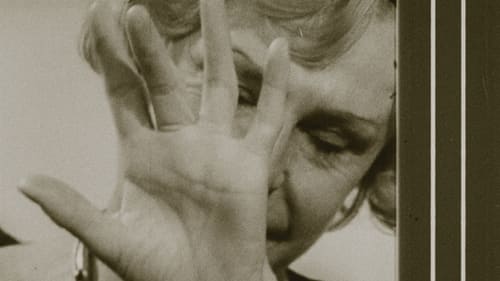
Explores Leni Riefenstahl's artistic legacy and her complex ties to the Nazi regime, juxtaposing her self-portrayal with evidence suggesting awareness of the regime's atrocities.
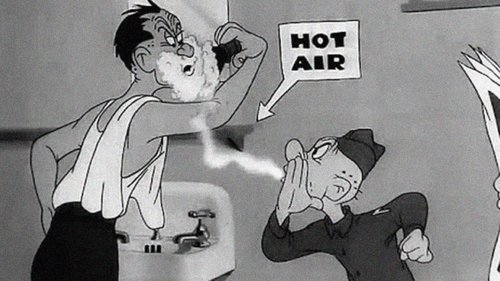
Snafu inadvertantly starts a panic on his base when he begins a mistaken rumour that the base is about to be bombed.
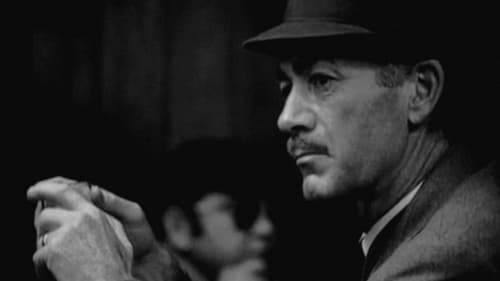
The Spanish Civil War (1936-1939) caused a great impression on the lives of most of the American artists of that era, so many movies were made in Hollywood about it. The final defeat of the Spanish Republic left an open wound in the hearts of those who sympathized with its cause. The eventful life of screenwriter Alvah Bessie (1904-1985), one of the Hollywood Ten, serves to analyze this sadness, the tragedy of Spain and its consequences.

An elite group of Chinese pilots must take part in a dangerous mission to thwart a terrorist plot and resolve a hostage situation.

Originally made with a German soundtrack for screening in occupied Germany and Austria, this was the first documentary to show what the Allies found when they liberated the Nazi extermination camps: the survivors, the conditions, and the evidence of mass murder.
A Nazi propaganda movie from 1941 directed by Max W. Kimmich, covering a story of Irish heroism and martyrdom over two generations under the occupation of the British.
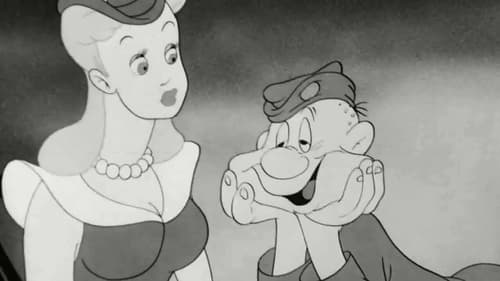
The doltish but self-confident and self-congratulatory Private Snafu is in possession of a military secret during World War II. Over the course of the day, spouting rhymed couplets, he divulges the secret a little at a time to listening Axis spies. He tells his mom some of the secret when he calls her from a phone booth; the rest he spills to a dolly dolly spy who plies him with liquor. Snafu's loose lips put himself at risk.
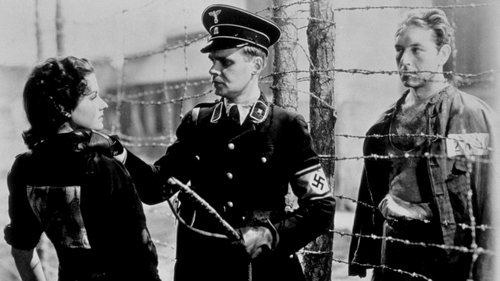
Czechoslovakia, March 1939, on the eve of World War II. As the German invaders occupy Prague, inventor Axel Bomasch manages to flee and reach England; but those who need to put his knowledge at the service of the Nazi war machine, in order to carry out their evil plans of destruction, will stop at nothing to capture him.
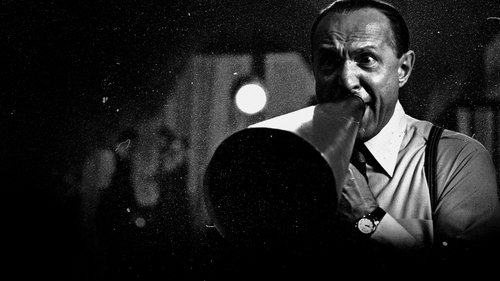
Hollywood, 1942. The US government pressures Hungarian-born film director Michael Curtiz, who is about to finish shooting Casablanca, to accentuate the film's propaganda message in order to sway public opinion in favor of the country's intervention in the European war.
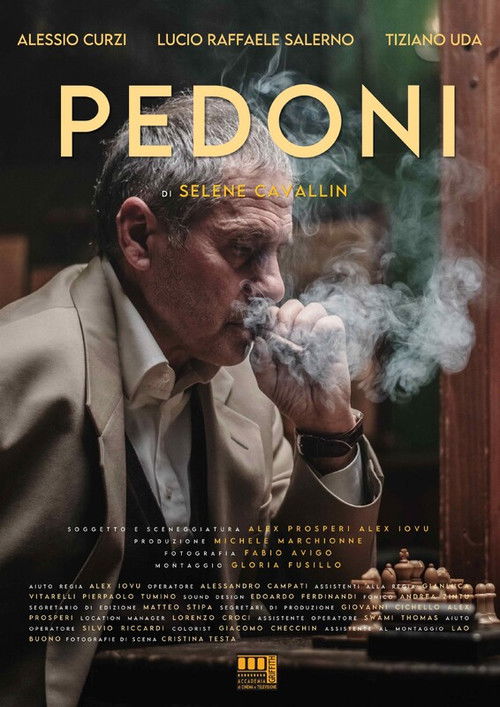
No description available for this movie.
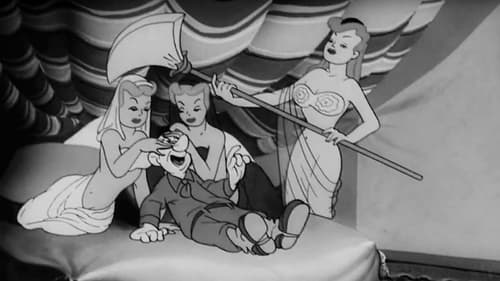
Private Snafu learns the hard way about the need for military dicipline and procedures to maintain an effective army.
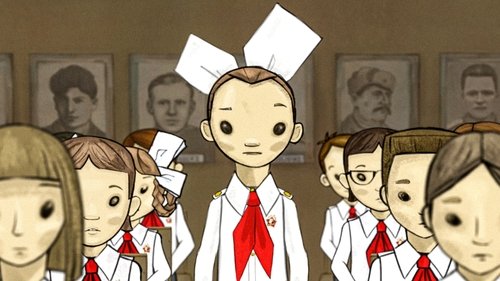
Ilze Burkovska, a little girl who is obsessed with stories of World War II and will be a filmmaker in a distant future, lives in Latvia under the totalitarian boot of the Soviets and the ominous shadow of the many menaces and horrors of the Cold War.