
Action
Adventure
Animation
Comedy
Crime
Documentary
Drama
Family
Fantasy
History
Horror
Music
Mystery
Romance
Science Fiction
Thriller
War
Western
Found 32 movies, 12 TV shows, and 0 people
Can't find what you're looking for?
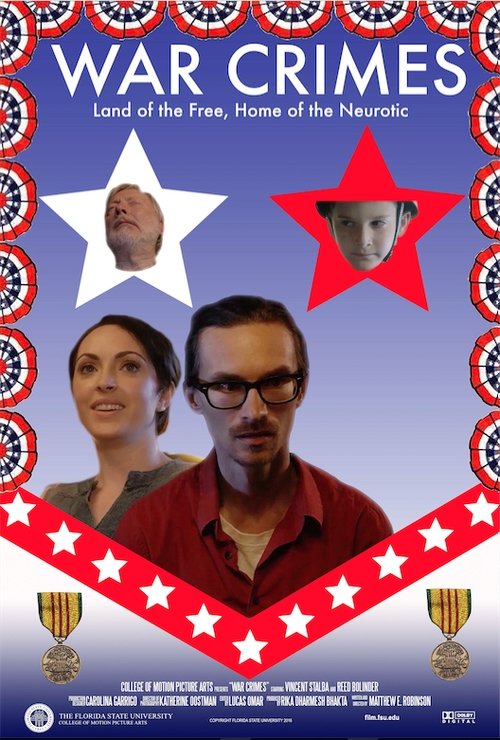
Sam, an anxious soon-to-be-father, prepares for a Memorial Day party as he cares for his vegetative dad, William. When his nephew, Paul, expresses interest in William's war medals, Sam suspects Paul will do anything to acquire the medals, even kill him.
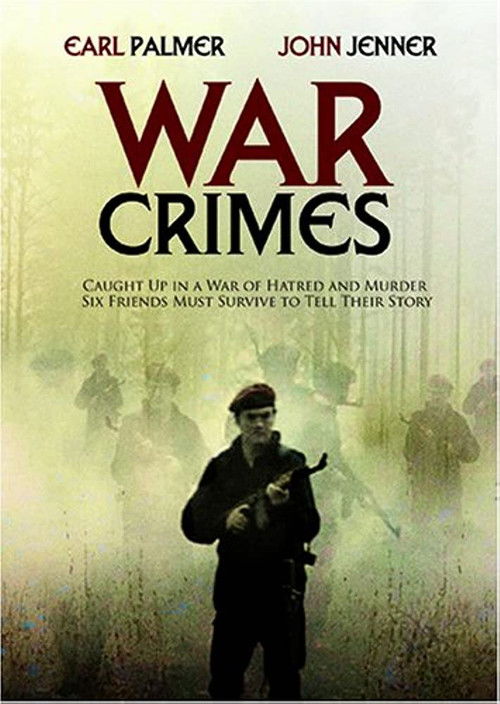
After graduating college a group of friends from the UK decide to take a trip to the Balkans. Little did they know that a war was about to break out. As the fighting spreads to the city of Sarajevo they must escape for their lives through the countryside. After witnessing a massacre in Bosnia they are detected and pursued by a ruthless Yugoslav People s Army Officer and his brutal fighters. With limited supplies winter approaching and murderous special armed forces chasing them down will they ever make it home alive?

On May 26, 2015 three civilians were killed when artillery shells landed in the Ozeryanovka district of Gorlovka, a town controlled by the Donetsk People's Republic (DPR) opposite the front lines of the Ukrainian Army. Anna Tuv lost her arm, her husband Yuriy, and her 11-year-old daughter Katya when two shells struck their home.
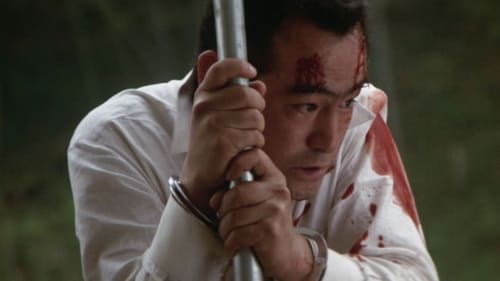
Reconstruction, in the form of episodes, of the most bizarre crimes that occurred in Japan after World War II.

No description available for this movie.

A documentary that charts the International Military Tribunal assembled in the Nuremberg Palace of Justice by the USA, USSR and Great Britain to try and punish those responsible for war-crimes during World War II. The prosecution entered indictments against 24 major war criminals, including members of Hitler's Cabinet, the SS, and the Gestapo.

No description available for this movie.
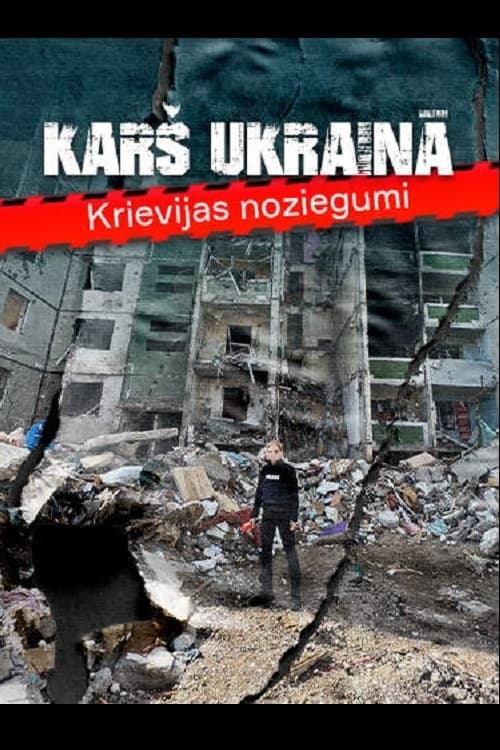
When Russia started its full-scale invasion of Ukraine on the 24th of February, the world was shocked, but few could imagine the barbarity that the Kremlin regime would unleash against the Ukrainian nation. This documentary presents an insight and eyewitness accounts from the crimes.
In 2011 Channel 4 exposed damning evidence of atrocities committed in the war in Sri Lanka. Jon Snow presents this powerful follow-up film, revealing new video evidence.

On 20 November 1945, in what had once been the spiritual centre of the Nazi Empire, the first Nuremberg trial opened. Nuremberg examines the first trail in detail: the scale and speed of the US-led effort to place the Third Reich's leaders in the dock; the charges brought against them; the courtroom drama; the final judgements. Of the 21 defendants, three were acquitted, seven given jail sentences and the remaining eleven sentenced to death, among them Hitler's right-hand man, Hermann Goering. This programme also explores the twelve subsequent trials against the backdrop of the emerging Cold War and the shifting allegiances of allies and enemies in the immediate post-war period.
This feature length investigation by Al Jazeera’s Investigative Unit exposes Israeli war crimes in the Gaza Strip through the medium of photos and videos posted online by Israeli soldiers themselves during the year long conflict. The I-Unit has built up a database of thousands of videos, photos and social media posts. Where possible it has identified the posters and those who appear. The material reveals a range of illegal activities, from wanton destruction and looting to the demolition of entire neighbourhoods and murder. The film also tells the story of the war through the eyes of Palestinian journalists, human rights workers and ordinary residents of the Gaza Strip. And it exposes the complicity of Western governments – in particular the use of RAF Akrotiri in Cyprus as a base for British surveillance flights over Gaza.

A recently widowed, small-time hustler struggles to raise his two daughters on his own and still make a dishonest living in 1960s Portland, Oregon.
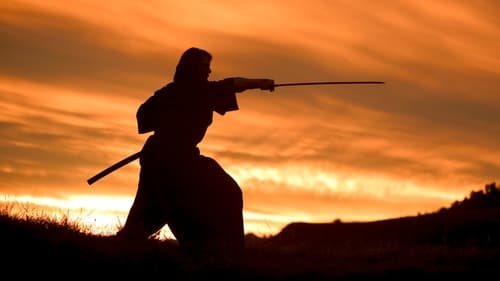
Nathan Algren is an American hired to instruct the Japanese army in the ways of modern warfare, which finds him learning to respect the samurai and the honorable principles that rule them. Pressed to destroy the samurai's way of life in the name of modernization and open trade, Algren decides to become an ultimate warrior himself and to fight for their right to exist.
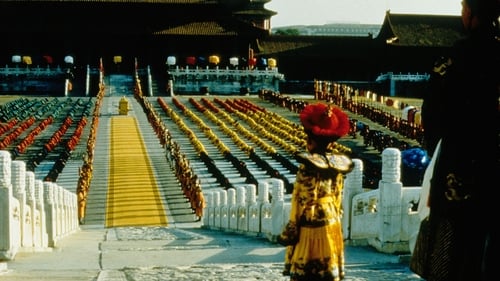
A dramatic history of Pu Yi, the last of the Emperors of China, from his lofty birth and brief reign in the Forbidden City, the object of worship by half a billion people; through his abdication, his decline and dissolute lifestyle; his exploitation by the invading Japanese, and finally to his obscure existence as just another peasant worker in the People's Republic.

As a young and naive recruit in Vietnam, Chris Taylor faces a moral crisis when confronted with the horrors of war and the duality of man.
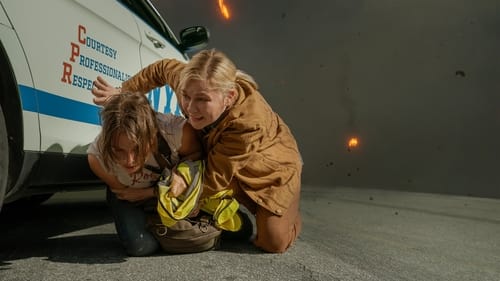
In the near future, a group of war journalists attempt to survive while reporting the truth as the United States stands on the brink of civil war.

Navy SEAL Lieutenant A.K. Waters and his elite squadron of tactical specialists are forced to choose between their duty and their humanity, between following orders by ignoring the conflict that surrounds them, or finding the courage to follow their conscience and protect a group of innocent refugees. When the democratic government of Nigeria collapses and the country is taken over by a ruthless military dictator, Waters, a fiercely loyal and hardened veteran is dispatched on a routine mission to retrieve a Doctors Without Borders physician.

The story of Michael Berg, a German lawyer who, as a teenager in the late 1950s, had an affair with an older woman, Hanna, who then disappeared only to resurface years later as one of the defendants in a war crimes trial stemming from her actions as a concentration camp guard late in the war. He alone realizes that Hanna is illiterate and may be concealing that fact at the expense of her freedom.
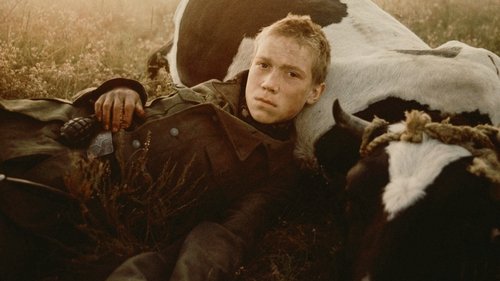
The invasion of a village in Belarus by German forces sends young Florya into the forest to join the weary Resistance fighters, against his family's wishes. There he meets a girl, Glasha, who accompanies him back to his village. On returning home, Florya finds his family and fellow peasants massacred. His continued survival amidst the brutal debris of war becomes increasingly nightmarish, a battle between despair and hope.

January 29, 2024. Red Crescent volunteers receive an emergency call. A five-year old girl is trapped in a car under fire in Gaza, pleading for rescue. While trying to keep her on the line, they do everything they can to get an ambulance to her. Her name was Hind Rajab.
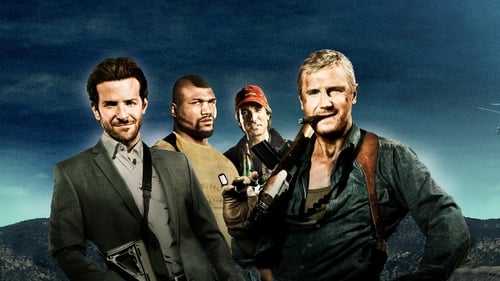
A man who loves when a plan comes together, Col. Hannibal Smith leads a close-knit team of elite operatives and Iraq War veterans. Framed for a crime they didn't commit, Smith and his men, Capt. H.M. ‘Howling Mad’ Murdock , Sgt. Bosco ‘B.A.’ Baracus, and Lt. Templeton ‘Faceman’ Peck, break out and go rogue, using their special talents to clear their names and find the perpetrator. Hot on their trail is Capt. Charissa Sosa, who was once involved with a member of Smith's team and has sworn to capture them, no matter what it takes.
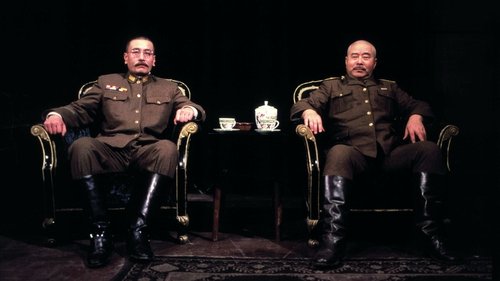
Japanese troops round up Chinese and Russian prisoners of war and take them to unit 731, where they're horribly tortured and experimented on to test new biological weapons.
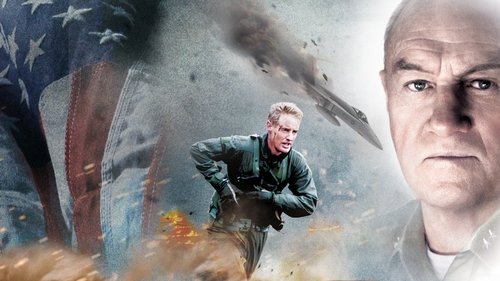
While flying a routine reconnaissance mission over Bosnia, fighter pilot Lt. Chris Burnett photographs something he wasn't supposed to see and gets shot down behind enemy lines, where he must outrun an army led by a ruthless Serbian general. With time running out and a deadly tracker on his trail, Burnett's commanding officer, Admiral Reigart, decides to risk his career and launch a renegade rescue mission to save his life.
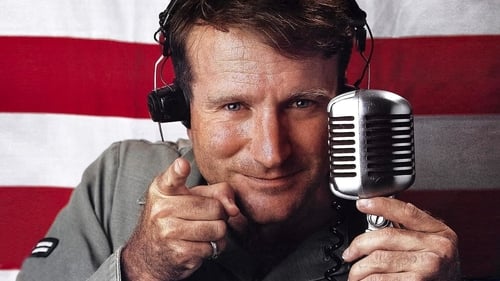
A disk jockey goes to Vietnam to work for the Armed Forces Radio Service. While he becomes popular among the troops, his superiors disapprove of his humor.
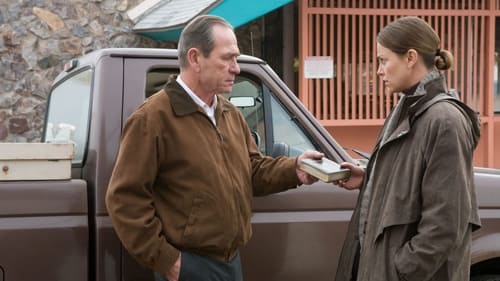
A career officer and his wife work with a police detective to uncover the truth behind their son's disappearance following his return from a tour of duty in Iraq.
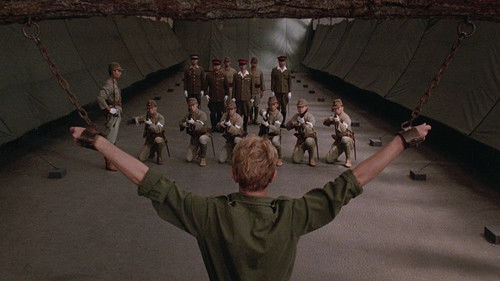
Island of Java, 1942, during World War II. British Major Jack Celliers arrives at a Japanese prison camp, run by the strict Captain Yonoi. Colonel John Lawrence, who has a profound knowledge of Japanese culture, and Sergeant Hara, brutal and simpleton, will witness the struggle of wills between two men from very different backgrounds who are tragically destined to clash.

Detective Matthias Breecher, hired to track down the worst of the Confederate war criminals, roams the Old West seeking justice. His resolve is tested when he meets a determined pioneer woman who is far more than she seems.
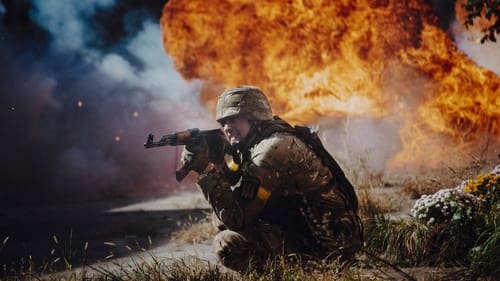
Based on a true story. Two fighters of 'Donbas' Volunteer Battalion get locked inside city of Ilovaysk after regular Russian army enters Ukraine and shells the surrounded divisions of Ukrainian Army in the infamous would-be 'green corridor'. The fighters survive thanks to the help of the locals and manage to break out through the front line to reach the freed territory. Taras Kostanchuk who is playing himself as 'Beshoot' is that same Donbas commander who is the prototype of the story. Half of the actors and extras are real 'Donbas' volunteers who survived the battle.

A female attorney learns that her husband is really a marine officer who has been AWOL for fifteen years and accused of murdering fifteen civilians in El Salvador. Believing her husband when he tells her that he's being framed as part of a U.S. Military cover-up, the attorney defends him in a military court.
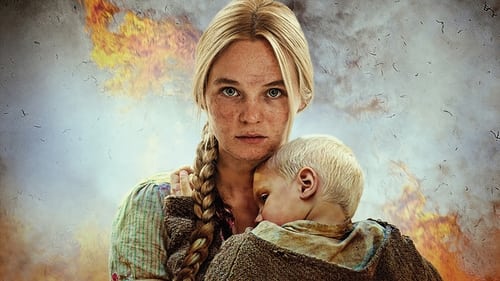
Summer of 1939. Zosia is a young Polish girl who is deeply in love with Ukrainian Petro. Their great love will be put to the test when her father decides to marry her to a wealthy widower Skiba. Right after wedding she is left alone because her husband is drafted to the Polish army for the war with Germany. Meanwhile, tensions grow due to Jews, Poles, and Ukrainians living side by side.
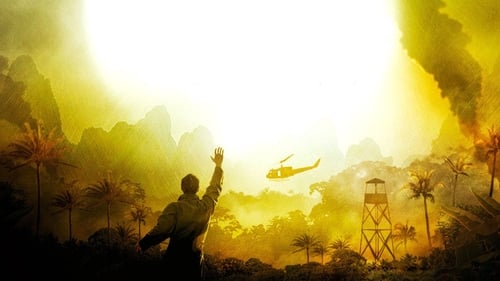
A US Fighter pilot's epic struggle of survival after being shot down on a mission over Laos during the Vietnam War.
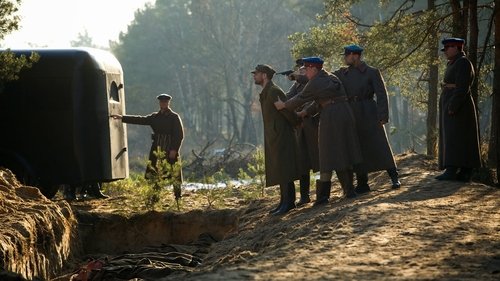
On September 1st, 1939, Nazi Germany invades Poland, unleashing World War II. On September 17th, the Soviet Red Army crosses the border. The Polish army, unable to fight on two fronts, is defeated. Thousands of Polish men, both military and government officials, are captured by the invaders. Their fate will only be known several years later.