
Action
Adventure
Animation
Comedy
Crime
Documentary
Drama
Family
Fantasy
History
Horror
Music
Mystery
Romance
Science Fiction
Thriller
War
Western
Found 23 movies, 9 TV shows, and 0 people
Can't find what you're looking for?

Documentary about the history of Ukrainian football.
Story of the formation of the Armed Forces, who found themselves in difficult conditions and had to choose between family, friends, acquaintances and the security of the country, the lives of millions and the chance for life of the state. They chose between fear, betrayal and insecurity and duty, glory and courage. They made their choice and thanks to this choice there is still such a state as Ukraine. And the exploits of these people must remain in the annals of history.

Taras Shevchenko is an undeniable symbol of Ukraine. But what exactly made an ordinary man an idol and the most famous Ukrainian in our centuries-long history? And what was he really like in real life? Today, Akim Galimov will talk about the Shevchenko phenomenon in the Real History project.

Three juxtaposing stories taking place in Portugal, Austria and Cuba create an intimate and poetic portrait of the daily lives and struggles of the elderly in an unstable world, seen through the eyes of their grandchildren.
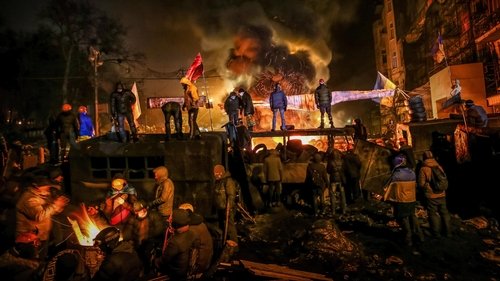
Over 93 days in Ukraine, what started as peaceful student demonstrations became a violent revolution and full-fledged civil rights movement.

Chain-smoking artists, poets and playwrights were among the colourful array of intellectuals living in the ‘Slovo House’ in 1920s Ukraine. The communist paradise was built under Stalin's approval, but it quickly became a prison. The brutal Soviet regime spied on the inhabitants, destroying their eccentric way of life and sealing their fate. This fascinating film explores the extraordinary story of the building and its residents.
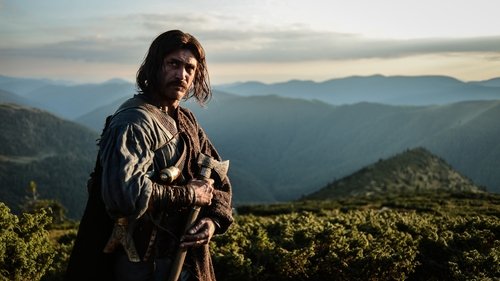
In the early eighteenth century, foreign rule means dark times for the Hutsuls of the Carpathians. The two Dovbush brothers become opryshkos - mountain outlaws. But the two brothers become enemies - one cares only about money, the other - Oleksa - fights for his people. The Carpathians are convulsed with a wave of uprisings. The aristocracy uses its military might to try to kill Dovbush and destroy his legend. But Dovbush outwits them. The desperate lords devise a devious plan and attack the invincible outlaw's Achilles heel - his love for his childhood sweetheart, Marichka. Who will be the assassin to attack the Opryshko whose immense strength and bravery inspired folk tales? Will the lords' treacherous plan destroy the hero before he can lead his people to freedom?
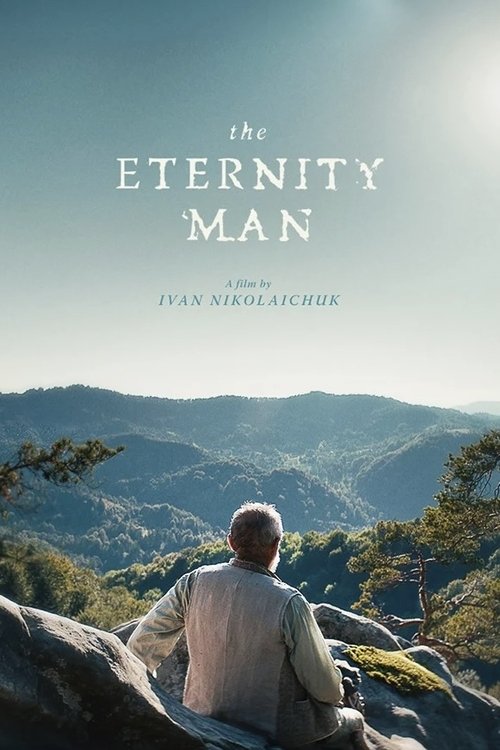
In the heart of 20th-century Ukraine, Andriy Voron embarks on an epic journey of survival, love, and healing-one that spans war, imprisonment, and solitude, ultimately transforming him from a young soldier into a wise elder whose spirit transcends time and space.
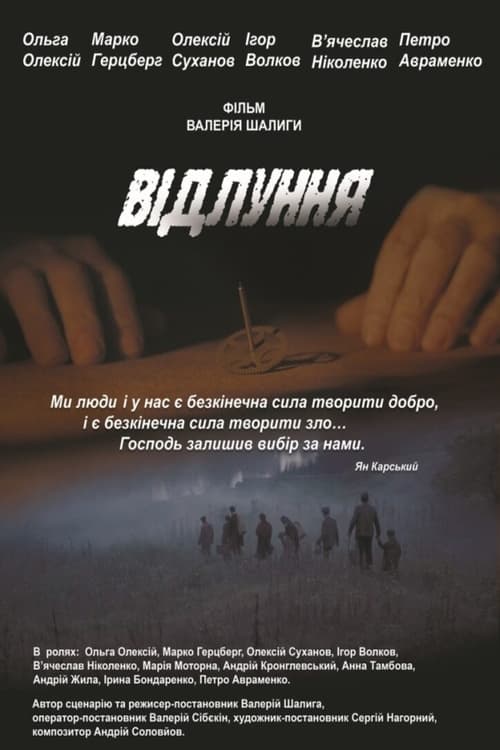
The story of the events of 1941, the beginning of the occupation of Vinnytsia, when the mass extermination of Jews began.
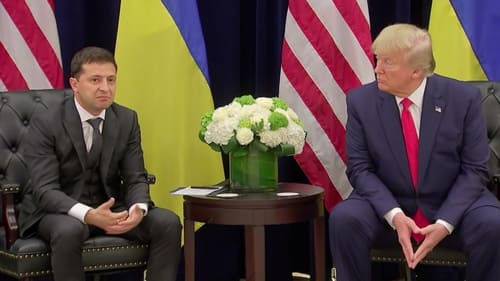
The rise of the comedian, actor and entertainer who became the improbable wartime leader. Exploring the man behind the series of game changing social media and TV appearances which have encapsulated the defiant response of a nation.
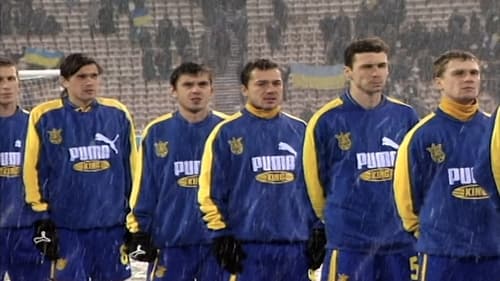
The documentary tells about the birth, history of formation and development of the National Football Team of Ukraine in the period from 1992 to 2022.
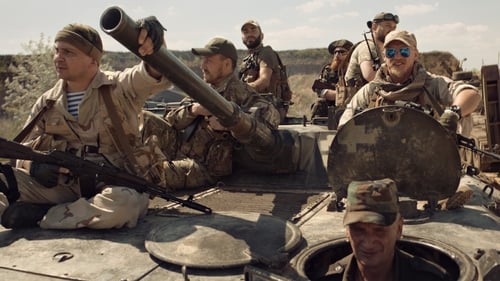
In the autumn of 2014, in the ATO zone, an intelligence group headed by experienced captain Anton Saienko (called by nickname "Banderas") tries to prevent sabotage and neutralize the Russian saboteur.
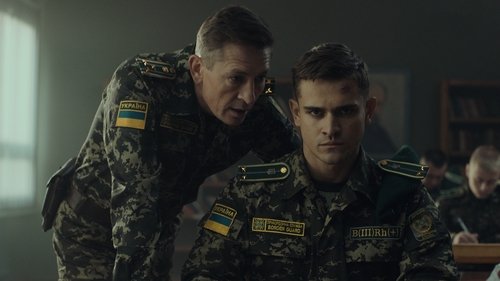
The story of trust and its absence against the background of events unfolding in Eastern Ukraine in early 2014. The main topic is revealed through the prism of the Luhansk border base, whose fighters the separatists and Russian special services tried unsuccessfully force to betray their country.

Ukrainian journalist Katya Soldak, currently living in New York City and working for Forbes magazine, chronicles Ukraine's history: its strong ties to Russia for centuries; how it broke away from the USSR and began to walk alone; the Orange Revolution, the Maidan Revolution, the Crimea annexation, the Donbass War; all through the eyes of her family and friends settled in Kharkiv, a large Ukrainian city located just eighteen miles from the Russian border.
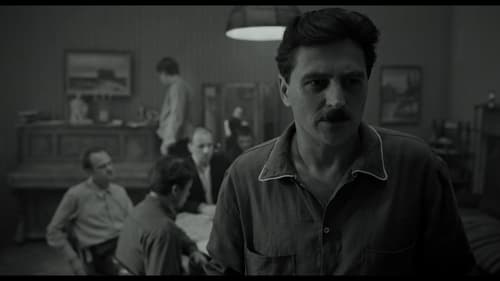
Kharkiv, the 1930s. The heyday of Ukrainian art. Ambitious young poet Vladimir Akimov happily settles in at the new luxury "Slovo" House built specifically for artists. He comes from the provinces and works as a proof-reader in a printing press, and has never even dreamed of living under one roof with prominent Ukrainian writers and artists. He thinks his own poetry is genius, but nobody takes his literary efforts seriously, not to mention the occasional chuckles over his epigone poems. But fate smiles at him. The head of the political intelligence agency suggests that he become the author of a play written earlier. Akimov agrees, signing a non- disclosure note. The poet has no idea what price he will pay for this success. “‘Slovo’ House” is a story about a generation of Ukrainian artists persecuted by the totalitarian system, unfolding against the backdrop of one of the largest genocides of the 20th century: the Holodomor, which caused the death of almost 7 million people.
In 2014, the war begins. Immediately, a system of evacuation of the wounded and killed is being built, the outpost of which is the Dnieper - it is here that the first will be delivered, it is here that they are still received. Tatiana Guba has been coordinating the evacuation for 5 years. She is called "Mom Tanya". Thousands of people are grateful to her for her life. Serhiy Kryvorotchenko, director of the Dnipro Airport, has deployed a helicopter evacuation system since the beginning of the war. Eugene Titarenko, the film's director, in 2014-2015 was part of a volunteer medical battalion, communicates with the heroes of the film about the evacuation system. The viewer will see the whole way of saving lives, will be directly in the vortex of events and will understand how many people are involved in the process of saving one person.
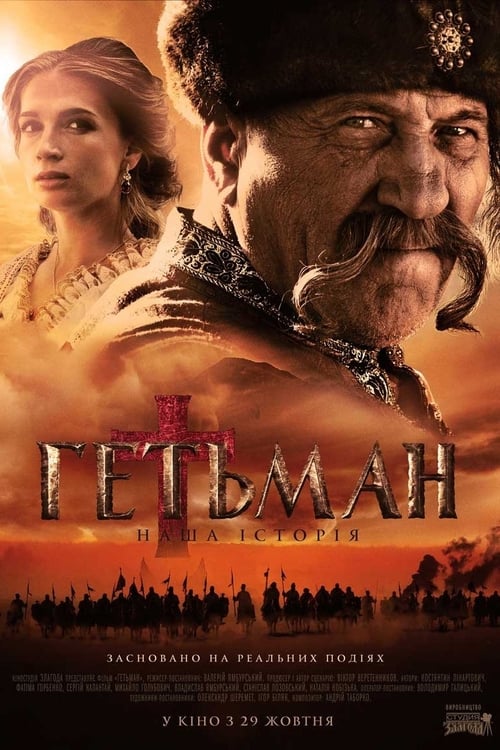
Artistic portrayal of the difficult personality of Bohdan Khmelnytsky and his dramatic life against the backdrop of National-liberation war in the mid-17th century and the Cossack state building. The main storyline shows Khmelnytsky not only as hetman and commander, but reveals his private life and his complicated relations with his beloved woman.
American boy Peter and blind minstrel Ivan are thrown together by fate amidst the turbulent mid-30s Soviet Ukraine.

As Carpathian legend has it, Oleksa Dovbush was a heroic outlaw with excellent fighting skills and a gift to predict the future. He was left an orphan as a small boy after a local lord murdered Oleksa's mother. After spending his childhood in exile in the mountains, he returned as a grown man to avenge his mother's death. Oleksa gathered followers to begin a crusade against the lord, but destiny made other plans for him.
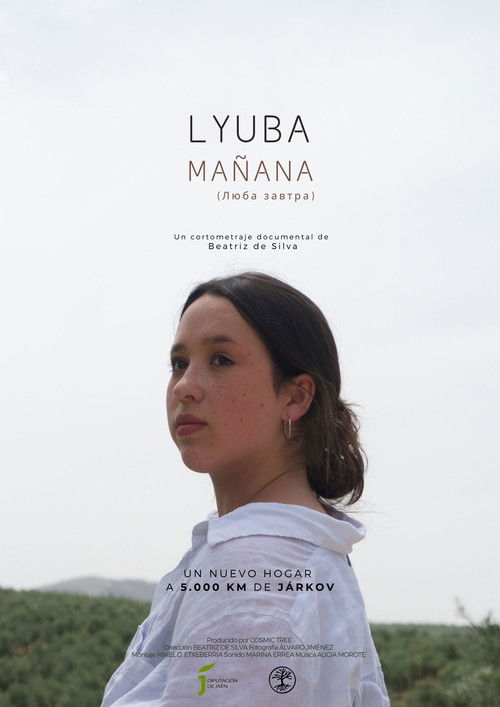
No description available for this movie.
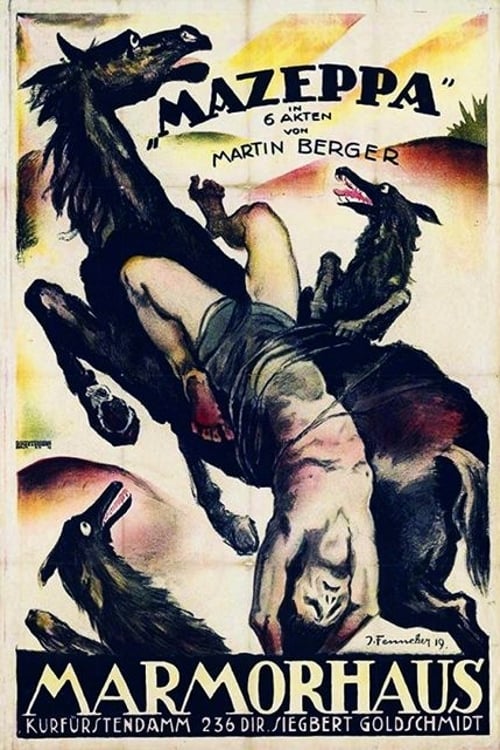
The film tells the story of Ivan Mazeppa, a Ukrainian page at the Polish court who has an affair with the young wife of a much older count. Outraged when he learns of the incident, the nobleman has Mazeppa tied naked to a wild horse which is then released into the wilderness. The bulk of the poem describes the long hazardous journey during which Mazeppa almost dies twice but ultimately survives and returns to his native Ukraine.
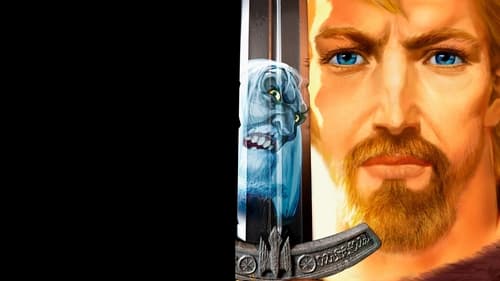
The plot follows the events surrounding Vladimir from childhood and into adulthood. In the beginning of the film, being under the influence of the high priest Krivzha, the Prince is a young, impulsive and cruel pagan. Fighting for supreme power, Vladimir wins a battle that kills his brother. Regretting what he has done, Vladimir does not suspect a conspiracy between the priest and the Pechenegs. Vladimir is concerned about gathering the Slavic tribes into one united state. Solving this major task, he faces obstacles, which Vladimir overcomes in the end, defeating Krivzha and winning the battle against Kurya, a Pecheneg chief.
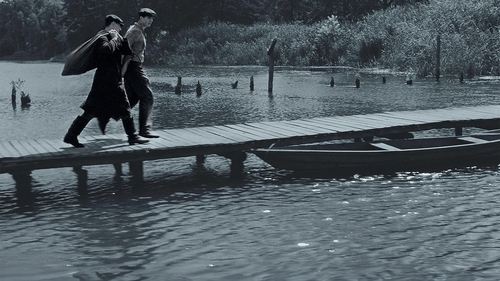
In one continuous shot, SHTTL shows the lives, loves, and inner conflicts within a Yiddish speaking shtetl on the border between Ukraine and Poland - one day before the Nazi invasion of the Soviet Union.