
Action
Adventure
Animation
Comedy
Crime
Documentary
Drama
Family
Fantasy
History
Horror
Music
Mystery
Romance
Science Fiction
Thriller
War
Western
Found 21 movies, 2 TV shows, and 0 people
Can't find what you're looking for?
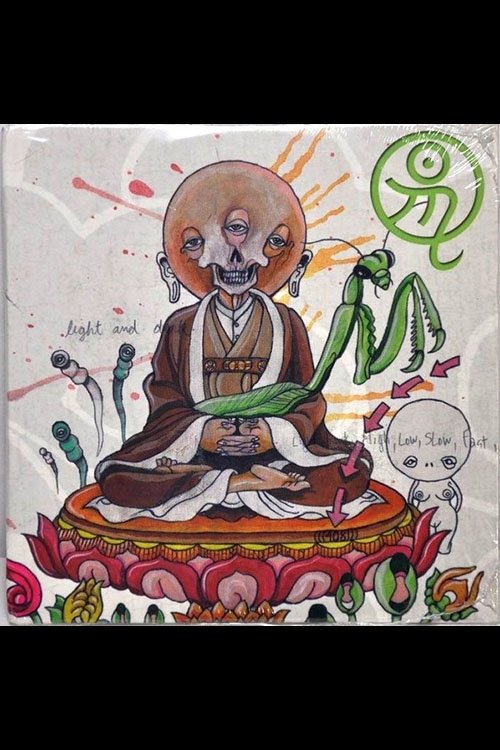
Live from the Henry Fonda Theater was a live concert of the band Dredg, released on DVD as a promotional tool for their third album, Catch Without Arms. The DVD was recorded live on June 24, 2005 at the Henry Fonda Theater in Los Angeles, California. It consists of the band playing several songs from the album, mixed with parts of an interview with the band and promos for the album.

Nagasaki, 1964: Following the death of his yakuza father, 15-year-old Kikuo is taken under the wing of a famous kabuki actor. Alongside Shunsuke, the actor’s only son, he decides to dedicate himself to this traditional form of theatre. For decades, the two young men grow and evolve together – and one will become the greatest Japanese master of the art of kabuki.
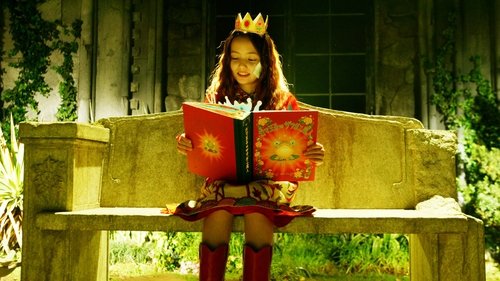
Onuki asks people in a hospital to perform a play for Paco, who suffers from memory disorder. His only hope is to help Paco survive from her illness.
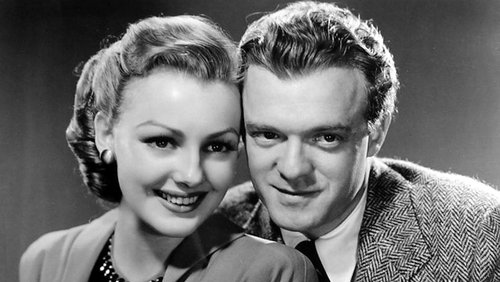
Conniving Broadway starlet Mida King has plenty of enemies, so when she's found murdered at Grand Central Station, Inspector Gunther calls together a slew of suspects for questioning. Mida's shady ex-flame, Turk, seems the most likely culprit, but when smart-mouthed private eye Rocky Custer -- also a suspect himself -- begins to piece together the crime, a few clues that Gunther has overlooked come to light.
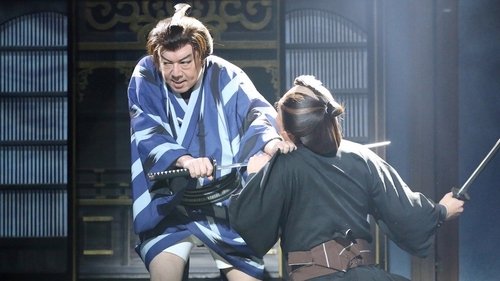
Japan, 1785. Jūzaburō, a famous thief who refuses to kill innocent people, is betrayed, ambushed, and left for dead.
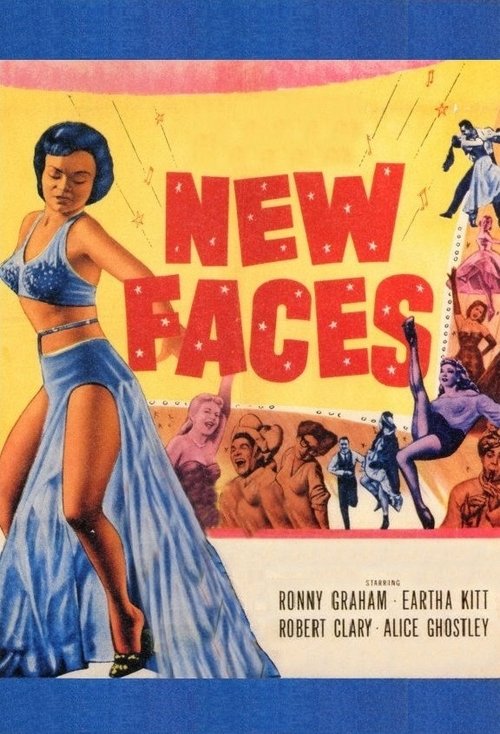
New Faces was a musical revue with songs and comedy skits tied together by a quirky plot. It ran on Broadway for nearly a year in 1952 and was then made into a motion picture in 1954. It helped jump start the careers of several young performers including Paul Lynde, Alice Ghostley, Eartha Kitt, Carol Lawrence, performer/writer Mel Brooks (as Melvin Brooks), and lyricist Sheldon Harnick. The film was basically a reproduction of the stage revue with a thin plot added. The plot involved a producer and performer (Ronny Graham) in financial trouble and is trying to stave off an angry creditor long enough to open his show. A wealthy Texan offers to help out, on the condition that his daughter be in the show.
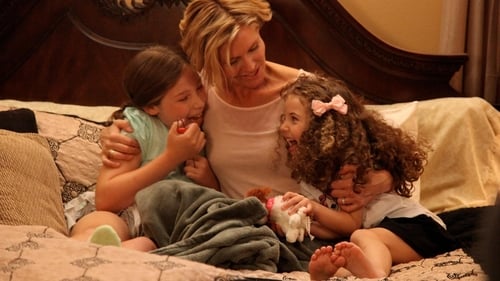
Trish and Deb Murdoch are in a rut. After 14 years together and raising two daughters, they find themselves in a mid life crisis where grief and attraction threaten their domestic nucleus.
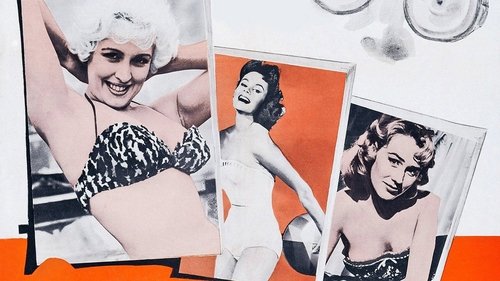
A madman is on the loose... killing fashion models that appear on the cover of magazines. The police start a manhunt in an attempt to capture the killer.
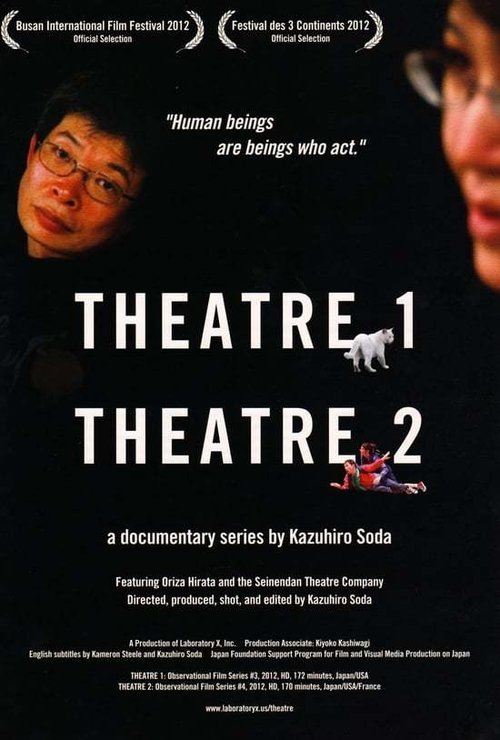
Oriza Hirata is Japan's leading playwright and director, who runs his own theatrical company, Seinendan. Theatre 2 (Observational Film Series #4) examines the dynamic relationship between theatre and the society through depicting Hirata's activities. In order for his art and his not-so-commercial company to survive this highly capitalistic modern society, what kind of strategy does Hirata have and practice?

Jean Rochefort, Jean-Pierre Marielle, Philippe Noiret - This is the story of a bunch of friends. Comedian buddies. Actors who dreamed of the Conservatory and the National Theater of Paris. The theater was their ideal, cinema will be their paradise. Their friend Jean-Paul Belmondo, the relaxed Parisian, who failed the entrance exam, will make sparks fly. Rochefort, Marielle and Noiret, the three provincials, will climb the steps of recognition one by one. From the little cabarets on the Left Bank to the TV shows of the Buttes-Chaumont pioneers. From the second roles to the first and from the B movies to the classics.
No description available for this movie.
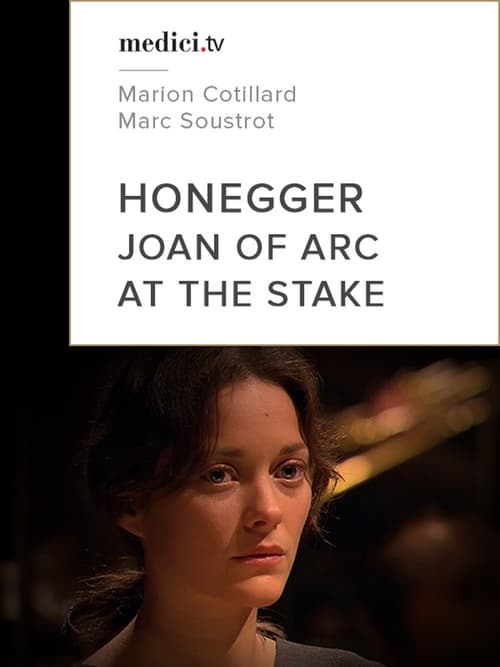
On November 17, 2012, Oscar-winning French actress Marion Cotillard joined the Barcelona Symphony and Catalonia National Orchestra for a performance of Arthur Honegger’s oratorio Joan of Arc at the Stake (Jeanne d'Arc au Bûcher) at the L'Auditori de Barcelona in Spain, broadcast live on Medici.tv. By Swiss composer Arthur Honegger, Jeanne d'Arc au Bûcher (1938) is an imposing oratorio. The libretto is a highly original creation by French poet and playwright Paul Claudel, who dramatises the last moments of the martyr's life. Originally written for actress Ida Rubinstein, the oratorio is written as a flashback in which Joan recalls her life, just before she dies. Honegger creates visually evocative ambiances and fills the orchestra with new sounds (saxophones, ondes Martenot). The initial prologue to the piece was added in 1944 as a symbol of the resistance during the Nazi occupation of France: again, Joan goes beyond her own story.

No description available for this movie.

On June 8, 2024, Oscar-winning French actress Marion Cotillard joined the Berlin Philharmonic Orchestra for a performance of Arthur Honegger’s oratorio Jeanne d'Arc au Bûcher (Joan of Arc at the Stake), conducted by Alan Gilbert, performed at the Berliner Philharmonie in Berlin, Germany and broadcast live on Digital Concert Hall, the online concert hall of the Berliner Philharmonie. In the oratorio, Joan of Arc looks back on her life, her visions, and her successes during a show trial in which she is sentenced to be burned at the stake.
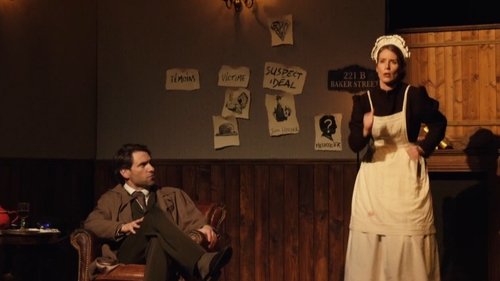
Sherlock and Doctor Watson are back and investigate the curious disappearance of an exceptional diamond in a hotel room. A theater adaptation of one of the 56 short stories featuring the detective Sherlock Holmes.

A selection of the best scenes and songs from the theatre's rich history, using STV archive material. Stanislav Štepka, an inseparable part of the naive scene and its "father", will accompany us through the 45-year history of the theatre and its characters from the village of Radošina.
Gabriela Preissová wrote her two most famous dramas, Gazdina roba and Její pastorkyňa, when she was not yet thirty. Both were set to music and became famous. The first opera, entitled Eva, was written by J. B. Foerster, and the second by Leoš Janáček. The fame of Janáček's work greatly overshadowed the original. On the other hand, "Gazdina roba," the author's debut work, is still performed on Czech stages, regardless of the era. That is how powerful and impressive this drama is. The production by director Zdeněk Kaloč premiered at the Vinohrady Theater in May 1992. Dagmar Veškrnová endowed the title role of Eva the seamstress with warmth, temperament, pride, and tragic shadows.
The play is an atypical story about Leni Riefenstahl, Adolf Hitler's court director, one of the best filmmakers in the world, who rose to fame thanks to films commissioned by the Third Reich. The character of Leni was portrayed by Zdena Studénková in the drama of the Slovak National Theatre. The original Slovak play Leni by Valerie Schulczová and Roman Olekšák is about a fictional meeting of two real people. The legendary presenter Johnny Carson, whose "The Tonight Show Starring Johnny Carson" was one of the most watched talk shows in America for thirty years, and the controversial Leni Riefenstahl, Adolf Hitler's "court director". It's 1974, Johnny is at the height of his career, and Leni is in America presenting her first completed project since the defeat of Germany - a book of photographs from Africa - Last of Nubu. But Johnny knows what his audience is more interested in than art.
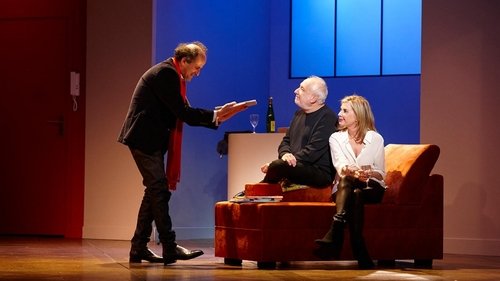
In love, there are miracles that cannot be explained. Even after thirty years of marriage, Suzanne and Julien are still madly in love with each other. A happy, close-knit couple. Suzanne is an actress adored by the public. An adoration that sometimes goes as far as fetishizing her young tenant Simon. For her return to the stage, she hesitates to act in Max's new play, specially written for her. What Suzanne wants is to be alone, for just a moment longer, with Julien. Julien whom she loves and who loves her, Julien who grumbles and laughs, Julien who lives but whom no one sees or hears. Except Suzanne...

"Razakar" is a period drama set in pre-Bangladesh-separation Pakistan, exploring the political tensions of the time. The story follows Jamal, an aspiring Bengali actor, as he grapples with the challenges posed by his uncompromising director, mirroring the larger socio-political conflicts unfolding around them. Through personal struggles and political subtext, the film raises poignant questions about identity and division.
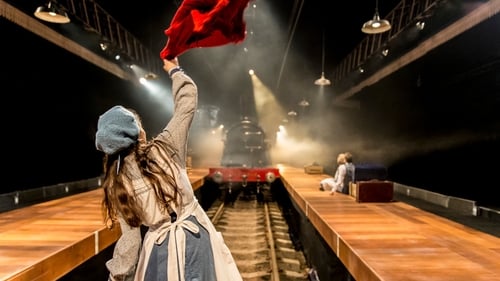
At the dawn of the 20th century, following their father's arrest on suspicion of betraying state secrets, the three Waterbury children—Bobbie, Phyllis and Peter—move with their mother to Yorkshire, where they find themselves involved in unexpected dramas along the railway by their new home. This stage-to-screen version, filmed at the National Railway Museum, features the steam train from the much-loved original feature film.