
Action
Adventure
Animation
Comedy
Crime
Documentary
Drama
Family
Fantasy
History
Horror
Music
Mystery
Romance
Science Fiction
Thriller
War
Western
Found 20 movies, 9 TV shows, and 0 people
Can't find what you're looking for?
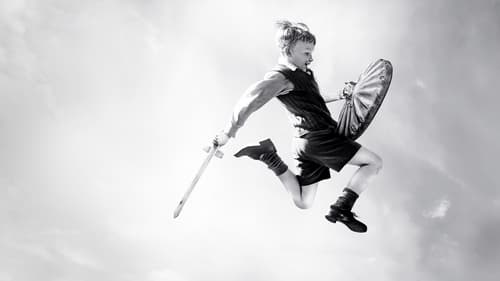
Buddy is a young boy on the cusp of adolescence, whose life is filled with familial love, childhood hijinks, and a blossoming romance. Yet, with his beloved hometown caught up in increasing turmoil, his family faces a momentous choice: hope the conflict will pass or leave everything they know behind for a new life.
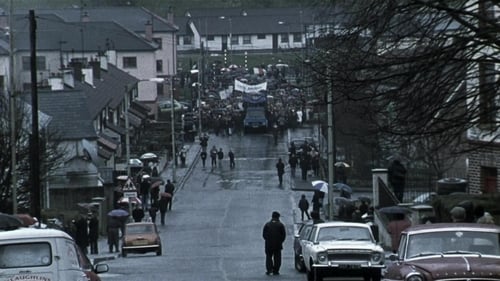
The dramatised story of the Irish civil rights protest march on January 30 1972 which ended in a massacre by British troops.

While on her way to confess a secret to her husband in prison, a woman reflects on the recent years in her life. Set in Belfast during the Troubles, newlywed Sheila Molloy is awoken suddenly one morning when her husband is arrested and sent to prison for 20 years. From then on, her life is changed forever, and she struggles to come to terms with her new situation. Sentenced to a solitary life, Sheila attempts to redefine her identity. She begins an affair with another man and must choose whether to remain loyal to her husband.
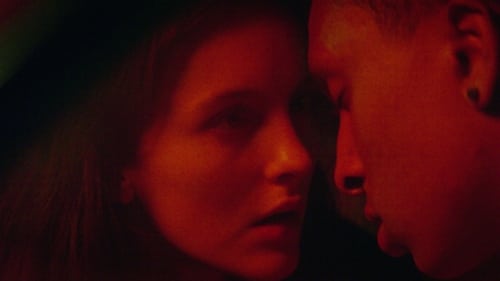
Candice longs to escape the boredom of her seaside town, but when a boy she dreams about turns up in real life, she becomes involved with a dangerous local gang.
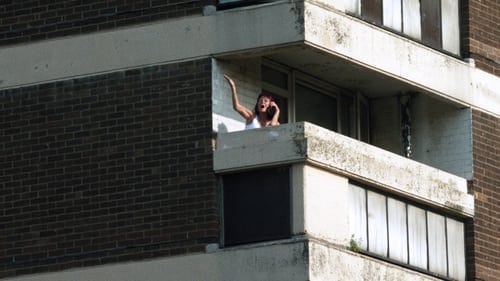
In his tower-block apartment in New Lodge, Joe reenacts memories from his childhood amidst the “Troubles”. In this Catholic area of Belfast, the number of deaths was tragically significant. Joe is joined by neighbours Jolene, Sean, Angie, and others, all willingly participating in this process of revisiting the collective memories that shaped their lives and the district they live in.
Belfast-born actor Stephen Rea explores the impact of Brexit and the uncertainty of the future of the Irish border in a short film written by Clare Dwyer Hogg.
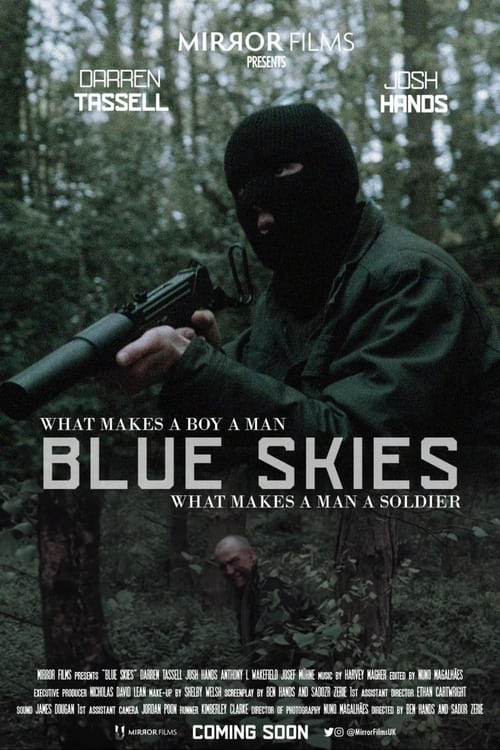
When a young IRA volunteer stumbles upon an injured British Soldier in the woods near Warrenpoint, Northern Ireland, he is faced with the ultimate decision. Take a man's life, proving his worth to his new family, or suffer the consequences. Blue Skies is loosely based on the Warrenpoint ambush, a guerrilla attack by the Provisional Irish Republican Army, that took place on the 27th of August 1979 where 18 British soldiers were killed with over 20 wounded.
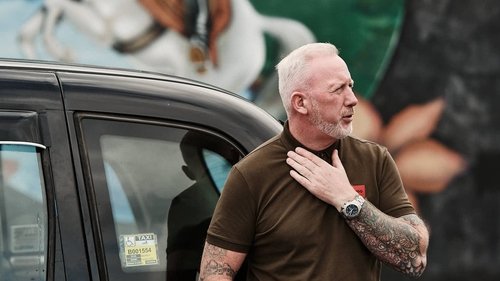
While the overt violence and conflict associated with the Troubles may have subsided since the Good Friday Agreement, it is true that many people in Northern Ireland continue to be affected by the legacy of the conflict. This includes individuals who were directly impacted by the violence, as well as those who continue to struggle with the social, economic, and political consequences of the conflict. While the actual violence and conflict may have ended, the legacy of the Troubles still lingers on in Northern Ireland; many are still struggling to come to terms with what happened and find a way to move forward.
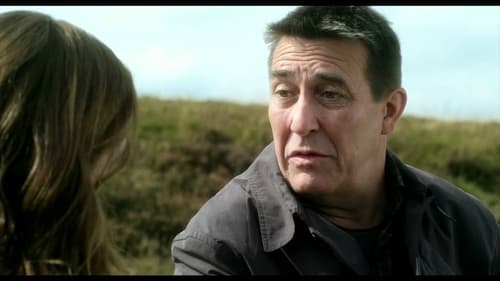
Two boyhood best friends are divided by 25 years of misunderstanding amidst the escalating conflict in Northern Ireland. The two boys’ lives take very different paths until Joe returns for the first time to his homeland with his 24-year-old daughter, Patricia. In his absence, Paddy married Joe’s former fiancée Mary. What happened all those years ago? Can old wounds be healed? The answer is hilarious and moving in equal parts.
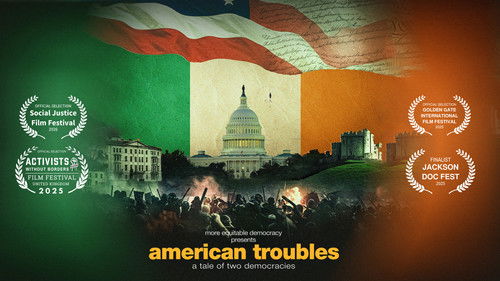
America's democracy feels more divided than ever - but what if the problem lies in how we vote? "American Troubles" explores whether proportional representation could break the cycle of dysfunction, drawing comparisons from two striking case studies: Portland, Oregon, where a bold new voting system is reshaping local politics, and Northern Ireland, where proportional elections helped end decades of violent conflict. Blending history, reform, and human stories, the film shows how electoral rules can entrench division - or create space for compromise.

Two young Dublin brothers must navigate loyalty, honour and the dangerous world of republicanism as they fuel the Northern war machine - by any means necessary.

After living in Australia for the past decade, Fitz and Judith return to Manchester in 2004 for their daughter Katie's wedding. Drinking too much at the reception, Fitz stumbles through a rambling toast, which only embarrasses the bride. Instead of spending time with his grandson, son of his married son Mark, Fitz opts to join in the investigation of a serial killer who has an apparent dislike of Americans in the wake of the U.S. Invasion of Iraq.
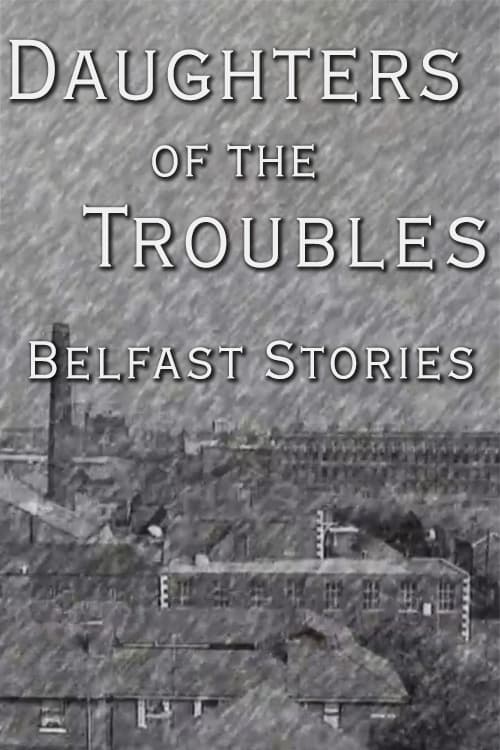
The women of Belfast played a unique role in holding together their families and communities during the Troubles in Northern Ireland. Filmed during the fragile 17-month paramilitary cease-fire, Daughters of the Troubles: Belfast Stories looks at the challenges facing women trying to put their direct experience of grassroots problems on the agenda of the established political parties. Their strength, first exhibited on the community level, started to reach a wider public.
Conn, a member of the IRA and a former hunger striker, is serving a life sentence for murder. During peace talks, he is released on a 24-hour parole and uses the time to search for his girlfriend Leyla’s killer. He finds only lies and intrigue surrounding her death, and he begins to realize that his lover was not what she seemed.
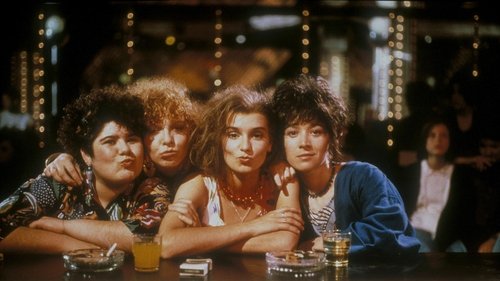
1980s Derry: Goretti Friel, one of a spirited group of teenage friends, meets Ciarán at her Irish language class, and romance blossoms. When he is arrested and imprisoned by the British army, Goretti is dismayed to find herself pregnant. Left to deal with the crisis alone, she is tormented by the conflicts of her growing belly and the influence of a Catholic upbringing.
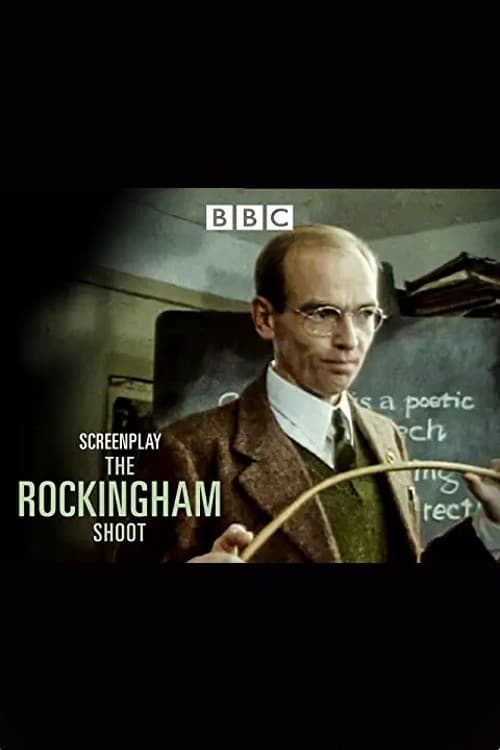
Rigid nationalist Reilly's frustration at the last remains of British rule draws him to the Rockingham Shoot, where a violent incident occurs.
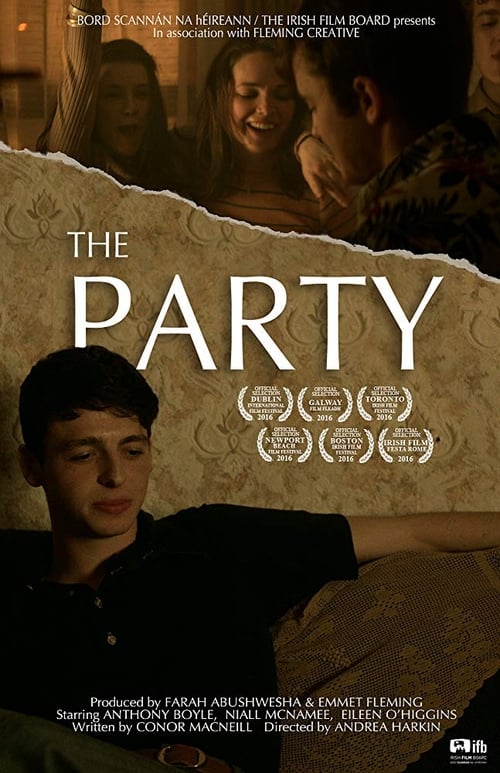
Belfast, 1972. Laurence welcomes his cousin and man-on-the-run Mickey to a party of drinking, dancing, and young love. But come morning, reality catches up with them.
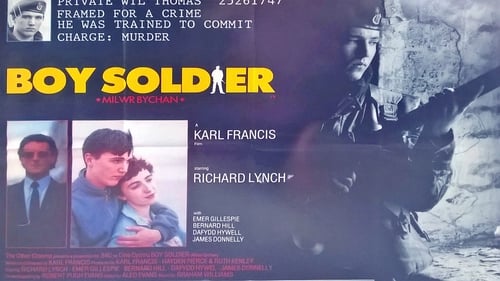
A young Welsh soldier on duty in Northern Ireland finds himself used as a political pawn, following a tragic incident during a violent clash with some of the local agitators. The Guardian proposed that "if Spielberg's ET, in the immortal words of Pauline Kael, was a bliss out, Karl Francis' 'Boy Soldier' is a bleed out for sheer fist shaking emotionalism, it would be hard to find another British film of recent years to beat it."
Over fourteen days in March 1988, a sequence of traumatic events shook Northern Ireland to its core and shocked the world. But it was also 14 days that compelled one man, Redemptorist priest Fr Alec Reid, to find a way out of the deadly cycle of violence.

Mairéad Farrell was shot dead by the SAS in Gibraltar in 1988 along with two other unarmed members of the IRA in one of the most controversial incidents arising from the Troubles in Northern Ireland. She had just been released from prison the year before after serving ten years for causing an explosion at an hotel near Belfast. The killing of the three provoked an international outcry and eventual enquiry. Due to her youth, her gender and her stature within the IRA, Mairéad Farrell was, unsurprisingly, quickly subsumed into the pantheon of Irish republican martyrs. But behind the mythologizing and demonisation of the time, there was also a real person, a flesh and blood young woman who was prepared to kill and die for her beliefs.