
Action
Adventure
Animation
Comedy
Crime
Documentary
Drama
Family
Fantasy
History
Horror
Music
Mystery
Romance
Science Fiction
Thriller
War
Western
Found 26 movies, 5 TV shows, and 0 people
Can't find what you're looking for?
It's known as the court of last resort -- the Supreme Court -- where nine judges appointed for life make monumental decisions that govern our everyday lives, from the contents of the nation's daily newspapers to what we can do in the privacy of our own homes. With immense power and considerable mystery, the court of final appeal has helped author the history of America.

Follows a case from inception, through the lower courts, to final hearing before the Supreme Court. Shows the Supreme Court as the guardian of constitutional rights. Explains its various functions, powers and scope of jurisdiction.
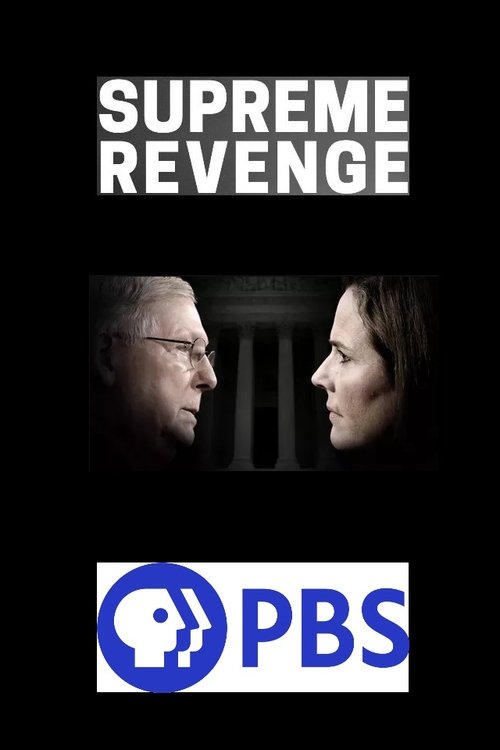
With Justice Amy Coney Barrett’s confirmation to the U.S. Supreme Court days before the 2020 presidential election, Sen. Mitch McConnell solidified the conservative majority he had been seeking for decades. FRONTLINE tells the inside story of McConnell’s hard-fought effort to transform the nation’s highest court in “Supreme Revenge: Battle for the Court,” an updated version of our 2019 film.
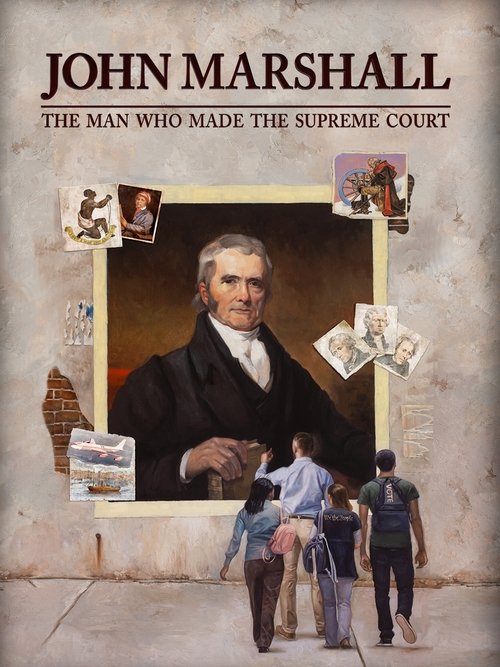
Filmed across eleven states, this documentary explores the life of the greatest judge in American history, John Marshall, who built the Supreme Court into the third pillar of American government. With in-depth interviews with scholars, judges and Chief Justice Roberts, the film brings to life a time of transition and turmoil when the success of the American 'experiment' was still in doubt
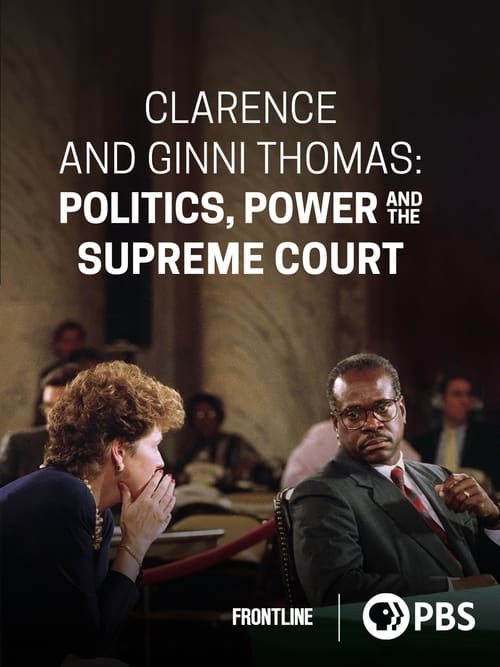
As controversy erupts around Clarence and Ginni Thomas, FRONTLINE tells the inside story of their path to power. This investigation from veteran filmmaker Michael Kirk and his team traces how race, power and controversy collide in the rise of the Supreme Court justice and his wife and how the couple has reshaped American law and politics.

The Tŝilhqot’in Nation is represented by six communities in the stunningly beautiful interior of British Columbia. Surrounded by mountains and rivers, the Tŝilhqot’in People have cared for this territory for millennia. With increasing external pressures from natural-resource extraction companies, the communities mobilized in the early 21st century to assert their rightful title to their lands. Following a decision by the Supreme Court of British Columbia in 2007 that only partially acknowledged their claim, the Tŝilhqot’in Nation’s plight was heard in the Supreme Court of Canada. In a historic decision in 2014, the country’s highest court ruled what the Tŝilhqot’in have long asserted: that they alone have full title to their homelands.
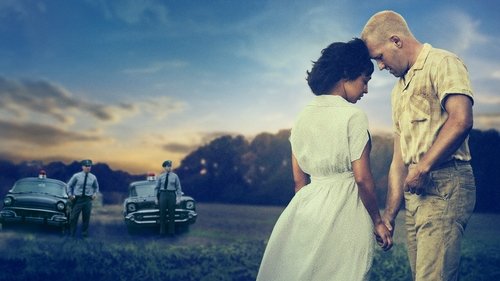
In 1958, in the state of Virginia, the idea of interracial marriage was not only considered to be immoral to many, it was also illegal. When Richard and Mildred fall in love, they are aware of the eyes staring at them and the words said behind their backs. It's when they get married, however, that words and looks become actions, and the two are arrested. The couple decide to take their case all of the way to the Supreme Court in order to fight for their love. Based on a true story.
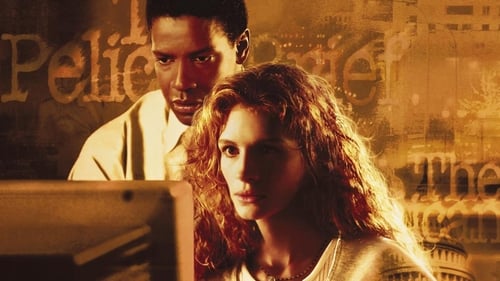
A law student's theory about the recent deaths of two Supreme Court justices embroils her in a far-reaching web of murder, corruption, and greed.

An investigator from the War Crimes Commission travels to Connecticut to find an infamous Nazi, who may be hiding out in a small town in the guise of a distinguished professor engaged to the Supreme Court Justice’s daughter.
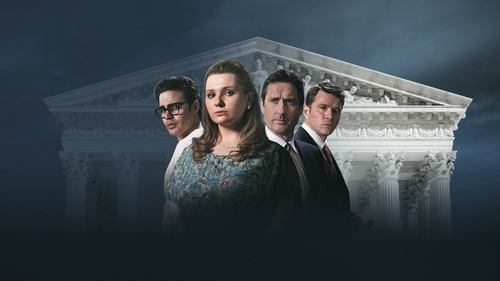
The true story of Trish Weir who in 1963 was kidnapped and brutally raped by Ernesto Miranda. Committed to putting her assailant in prison, Trish’s life is destroyed by America’s legal system as she triggers a law that transforms the nation.

The story of young, brilliant African-American Anita Hill who accuses the Supreme Court nominee Clarence Thomas of unwanted sexual advances during explosive Senate Hearings in 1991 and ignites a political firestorm about sexual harassment, race, power and politics that resonates today.

Young lawyer Ruth Bader Ginsburg teams with her husband Marty to bring a groundbreaking case before the U.S. Court of Appeals and overturn a century of sex discrimination.
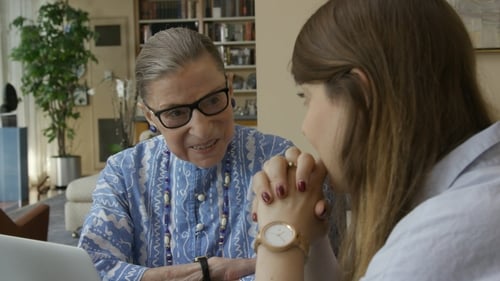
Justice Ruth Bader Ginsburg now 84, and still inspired by the lawyers who defended free speech during the Red Scare, Ginsburg refuses to relinquish her passionate duty, steadily fighting for equal rights for all citizens under the law. Through intimate interviews and unprecedented access to Ginsburg’s life outside the court, RBG tells the electric story of Ginsburg’s consuming love affairs with both the Constitution and her beloved husband Marty—and of a life’s work that led her to become an icon of justice in the highest court in the land.
Hilarity ensues when a falsely accused fugitive from justice hides at the house of his childhood friend, which she has recently rented to a high-principled law teacher.
This documentary film tells the dramatic story of Richard and Mildred Loving, an interracial couple living in Virginia in the 1950s, and their landmark Supreme Court Case, Loving v. Virginia, that changed history.
A newly-appointed Supreme Court Justice must settle a controversial moral and legal dilemma with his tie-breaking decision which may also have serious implications on his own family's harmony.
In 2008 French filmmaker Julie Gali traveled to the US to film the election of Barack Obama. In spite of this victory for civil rights, it soon became apparent that the rights of another minority were under threat. In California the passing of Proposition 8 marked the only time in U.S. history that a civil right was actually taken away after it had been granted. Upon seeing this, Ms. Gali decided to immerse herself in the growing grassroots struggle of the gay community, which culminated in the October 11, 2009 March for Equality in Washington DC.
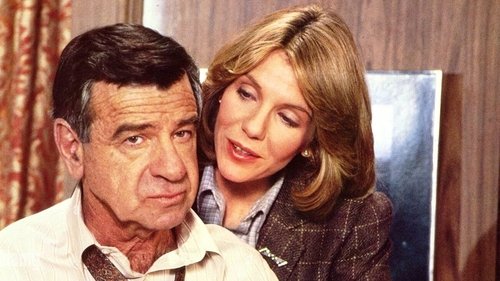
For the first time in history a woman is appointed to the U.S. Supreme Court, where she becomes a friendly rival to a liberal associate.
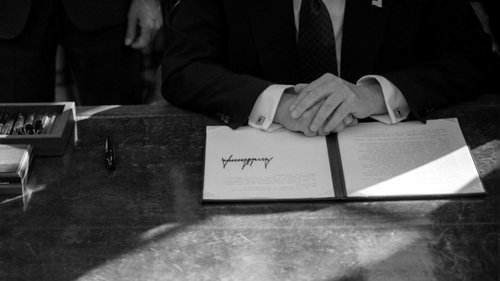
FRONTLINE goes inside the high-stakes showdown between President Donald Trump and the courts over presidential power. Trump allies, opponents and experts talk about how he is testing the extent of his power; the legal pushback; and the impact on the rule of law.

Holly Hunter plays a lonely, single, poorly educated Texan who finds herself pregnant with no means to support a child. To avoid giving up the child, she seeks an abortion. Denied an abortion in Texas the young woman hires a novice lawyer to plead her case in the US supreme court. Eventually the law is changed, but for the character it takes longer than nine months.
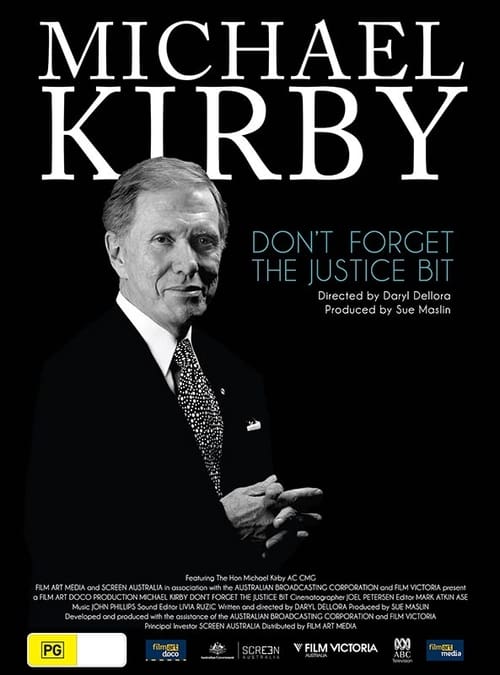
Filmed during and after his time on the High Court of Australia, this documentary about Justice Michael Kirby explores the personal, moral and spiritual convictions of one of our most compassionate and incisive legal minds. Michael Kirby reveals himself in this film through a long-form interview in a way he has never done before. It was only at the age of 61 he publicly revealed for the first time that he had been in a homosexual relationship since 1969 with partner Johan van Vloten. This film represents the first time Johan has spoken publicly about their life together.
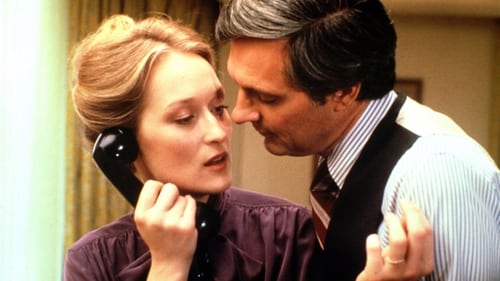
Respected liberal Senator Joe Tynan is asked to to lead the opposition to a Supreme Court appointment. It means losing an old friend and fudging principles to make the necessary deals, as well as further straining his already part-time family life. But it could be a big boost to his career, so he takes it on. Helping him prepare the case is pretty southern researcher Karen Traynor, and their developing relationship further complicates and compromises his life.
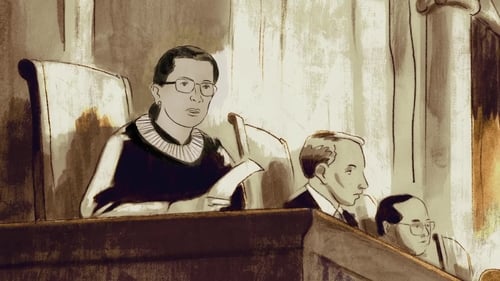
How does some one with three strikes against her, rise to the highest court in the land, the U. S. Supreme Court?

No description available for this movie.
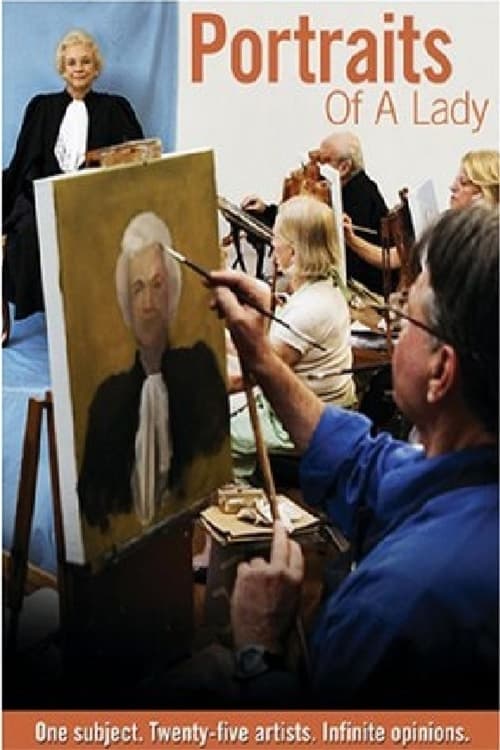
In October 2006, 25 artists came together to paint Supreme Court Justice Sandra Day O'Connor. The result was a collection of vastly different images of this iconic figure. This film chronicles the process from the initial setting (where Justice O'Connor entertained the room) to the evening when the paintings were unveiled at the National Portrait Gallery.
Director Michèle Stephenson’s new documentary follows families of those affected by the 2013 legislation stripping citizenship from Dominicans of Haitian descent, uncovering the complex history and present-day politics of Haiti and the Dominican Republic through the grassroots electoral campaign of a young attorney named Rosa Iris.