
Action
Adventure
Animation
Comedy
Crime
Documentary
Drama
Family
Fantasy
History
Horror
Music
Mystery
Romance
Science Fiction
Thriller
War
Western
Found 21 movies, 2 TV shows, and 0 people
Can't find what you're looking for?

July Revolution was a pro-democratic mass uprising in Bangladesh. It began as a quota reform movement in early June 2024, led by university students, after the Bangladesh Supreme Court invalidated the government's 2018 circular regarding job quotas in the public sector. The movement escalated into a full-fledged mass uprising after the government carried out mass killings of protesters, known as July massacre, by the late of July. By early August, the movement evolved into a non-cooperation movement, ultimately leading to the ouster of the then-Prime Minister, Sheikh Hasina, who fled Bangladesh to India.

When Isabelle and Theo invite Matthew to stay with them, what begins as a casual friendship ripens into a sensual voyage of discovery and desire in which nothing is off limits and everything is possible.
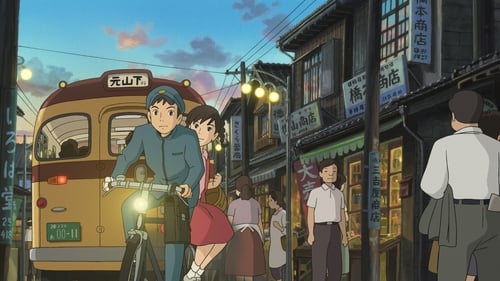
Yokohama, 1963. Japan is picking itself up from the devastation of World War II and preparing to host the 1964 Olympics—and the mood is one of both optimism and conflict as the young generation struggles to throw off the shackles of a troubled past. Against this backdrop of hope and change, a friendship begins to blossom between high school students Umi and Shun—but a buried secret from their past emerges to cast a shadow on the future and pull them apart.

In late 1960s New York City, fed up with monotonous college life and police repression, free-spirited Fritz, an impenitent seducer and unrestrained party-animal, decides to explore the world. And just like that, as he flees NYC, heading to San Francisco, Fritz embarks on an endless adventure of illumination. Immersed in a world surrounded by drugs and sex, Fritz participates in mad orgies, brings about a revolution, incites mass urban riots, and crosses paths with drug-addled Nazi bikers.
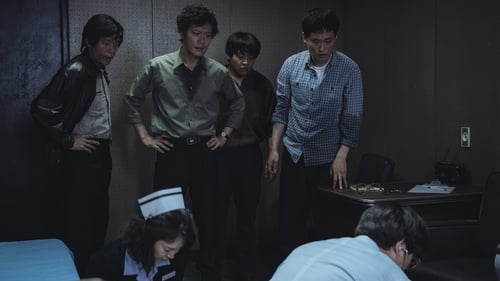
In 1987 Korea under an oppressive military regime, the unlawful interrogation and death of a college student ignite ordinary citizens to fight for the truth and bring about justice.
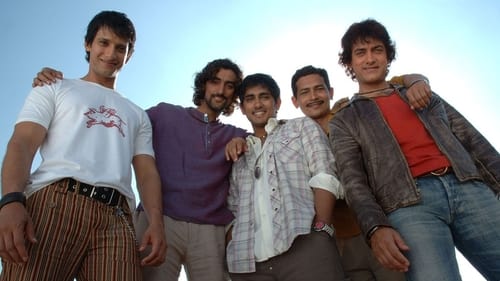
After a group of friends graduate from Delhi University, they listlessly haunt their old campus, until a British filmmaker casts them in a film she's making about freedom fighters under British rule. Although the group is largely apolitical, the tragic death of a friend owing to local government corruption awakens their patriotism. Inspired by the freedom fighters they represent in the film, the friends collectively decide to avenge the killing.
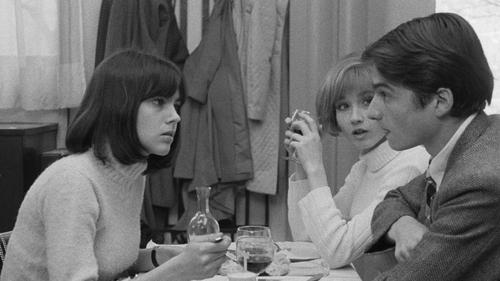
Paul, a young idealist trying to figure out what he wants to do with his life, takes a job interviewing people for a marketing research firm. He moves in with aspiring pop singer Madeleine. Paul, however, is disillusioned by the growing commercialism in society, while Madeleine just wants to be successful. The story is told in a series of 15 unrelated vignettes.
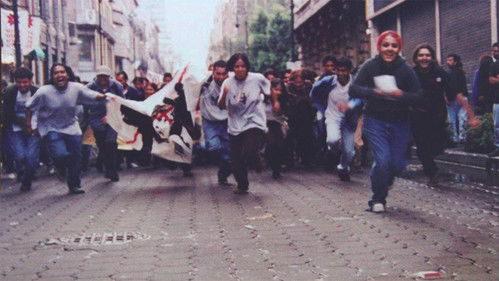
Faced with attempts to privatize public education, the General Strike Council (CGH) brings Latin America's largest university to a standstill. The goal is clear: to keep UNAM free, facing as its main obstacles media lynching, internal divisions, and imminent federal repression. A chronicle of ten months of the largest student strike in Mexico's history.
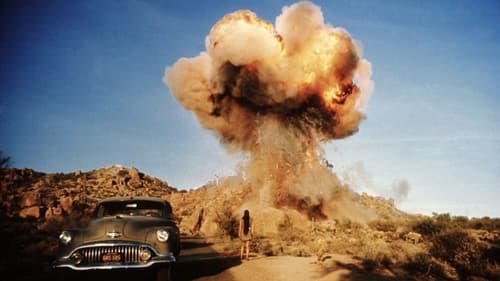
Anthropology student Daria, who's helping a property developer build a village in the Los Angeles desert, and dropout Mark, who's wanted by the authorities for allegedly killing a policeman during a student riot, accidentally encounter each other in Death Valley and soon begin an unrestrained romance.
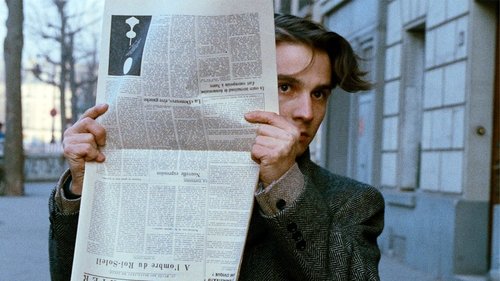
The third in a series of films featuring François Truffaut's alter-ego, Antoine Doinel, the story resumes with Antoine being discharged from military service. His sweetheart Christine's father lands Antoine a job as a security guard, which he promptly loses. Stumbling into a position assisting a private detective, Antoine falls for his employers' seductive wife, Fabienne, and finds that he must choose between the older woman and Christine.
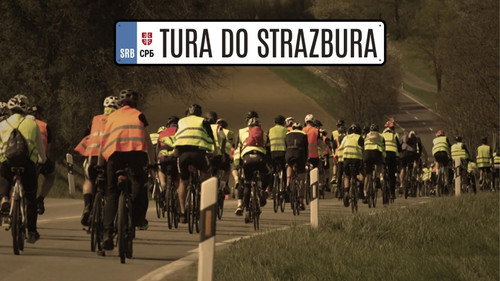
They started their 1400 km journey to the capital of Europe on bicycles from Novi Sad, Serbia. This trip, from a divided country that has been in a socio-political crisis for five months, since the tragedy at the Novi Sad railway station - they called it the trip of justice. Eighty students from Serbia cycled through 6 European countries and 15 large cities in 12 days. Festive welcomes, tears, song and laughter in the squares all over Europe. They were welcomed by the Serbian diaspora, but also by the leaders of the cities they passed through. They went to Strasbourg with the desire to be heard by Europe and the world and said "We are not driving to Europe to escape from Serbia. We are driving to bring it back."
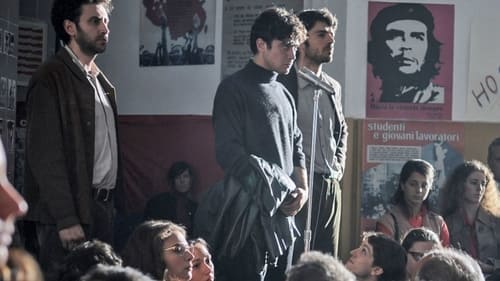
Italy, 1968. Aspiring actor Nicola enrolls in the police to pay for his studies, ending up undercover among college students protesting the government, the Vietnam War and the values of their parents' generation. However, he complicates his mission by falling for Laura, a bourgeois girl dreaming of a better world.
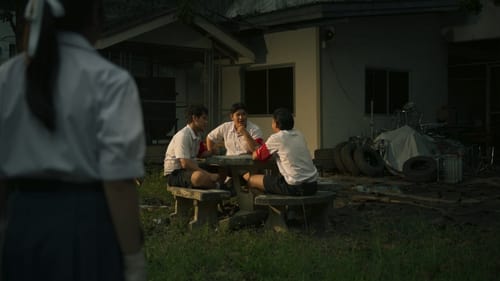
Khian, Pim and Karn, young rebellious students, work together to make a protest to uncover the corruption in their school by folding hundreds of paper cranes. But as they tried to unfold the truth, the trio are threatened by the shadowy powers.
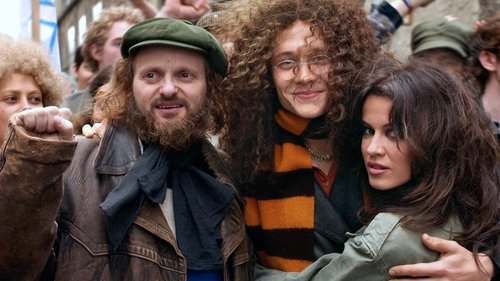
Achim Bornhak's movie focuses on the restless life of Uschi Obermaier, the icon of the 1968 movement in Germany and groupie. At the age of 16, Uschi is bored by her job in a photo lab, but soon becomes the "it girl" of Munich's club scene. When she gets to know Rainer Langhans, they move to Berlin and live in "Kommune 1", the first politically-motivated commune in Germany. While the other occupants claim she isn't political enough, Uschi just wants to have fun, works as fashion model and leads international music stars in temptation.
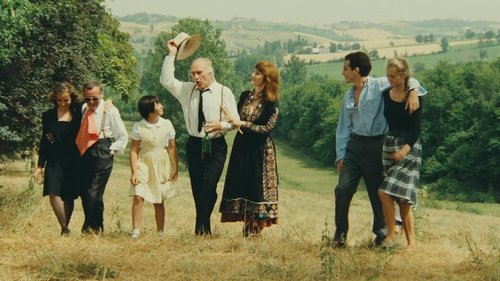
During the events of May 1968 in France, different worldviews of conflicting relatives collide in their family estate.
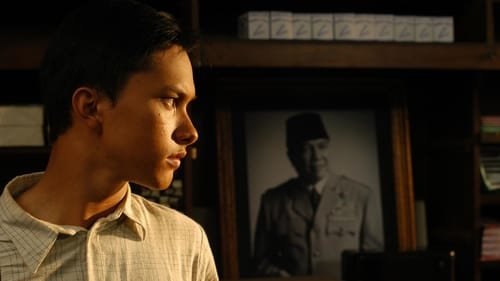
Indonesian activist Soe Hok Gie experiences a political awakening during the tumultuous regimes of Soeharto and Soekarno.
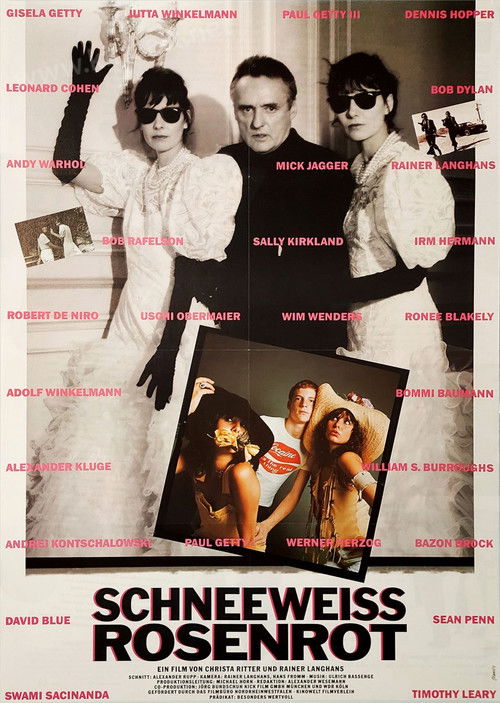
Documentary about the twin sister Jutta and Gisela Schmidt. In the late sixties the two women rebelled against middle class society as if they gave vent to a new kind of art. They became active in the underground communist party KPD and showed a heart-felt interest in the colour red, the aesthetics of the revolution. Soon, though, the twins quit their experiments in Germany. They left their husbands and went to Rome, where they met the fabulously wealthy Paul Getty III, and soon things got really out of hand.
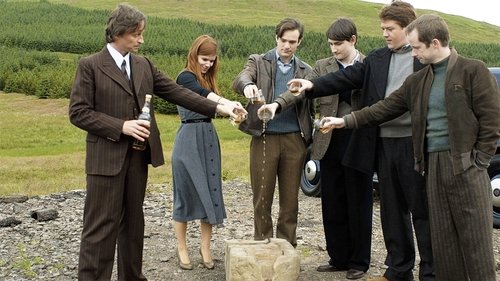
Tells of the daring heist of The Stone of Destiny in the 1950s by a charming group of idealistic Scottish undergraduates, whose action rekindled Scottish nationalistic pride.
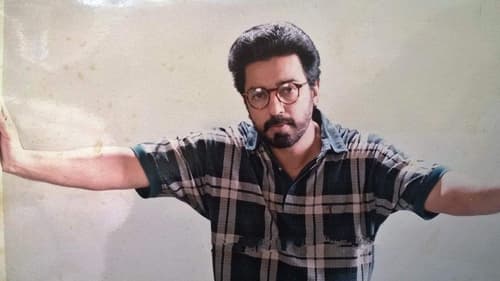
Selvam, the new vice principal of a college, tries to transform the behaviour of troublemaking students while fighting an inner war.
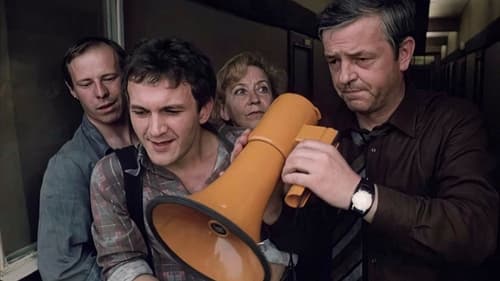
A dramatisation of the workers' protests in June 1976 in Radom, seen from the perspective of the local Secretary of the Polish United Workers' Party.
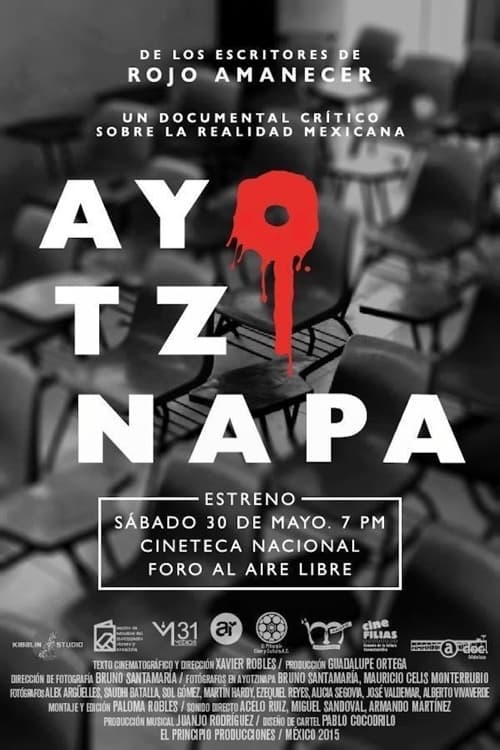
This film is a story, testimony and documentation of the forced disappearance of 43 student teachers, which exposes the criminal complicity between the police and military authorities, between the political and economic elites and criminal organizations in Mexico, which appear to be different forces, but respond to similar interests.