
Action
Adventure
Animation
Comedy
Crime
Documentary
Drama
Family
Fantasy
History
Horror
Music
Mystery
Romance
Science Fiction
Thriller
War
Western
Found 19 movies, 1 TV show, and 2 people
Can't find what you're looking for?

The film tells the story of Hans and Peter, who protested in the Johannesburg ghetto in 1976. There, they witnessed the murder of 300 black pupils and students by racist police forces. The film allows them to talk about what happened.
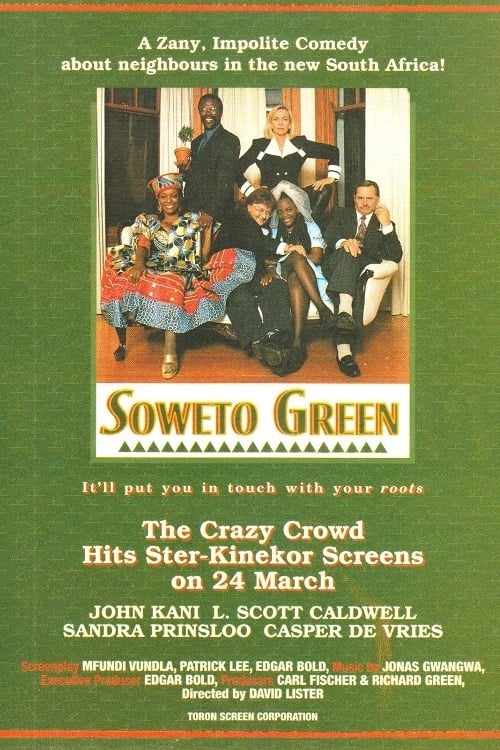
An American couple moves to Johannesburg after Nelson Mandela is elected president.
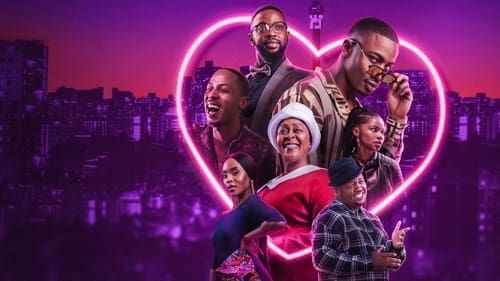
Desperate for her three single sons to get married, a mother promises her house to the first one to tie the knot, setting off a race to the altar.
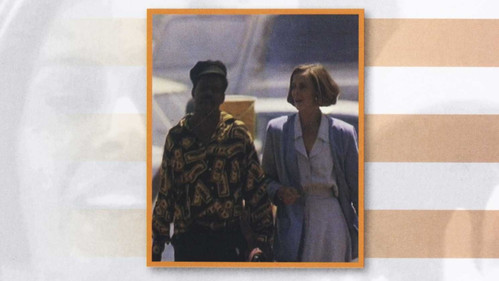
A Gentle story with a moral of forgive and forget at the kernel of its’ comedy exterior ~ but also one that accurately foretold the changes that were to sweep across South Africa in 1994, as an uptight suburban Johannesburg housewife (Elize Cawood, with an equally uptight husband played by Marius Weyers) accepts a lift from a Sowetan taxi driver (Patrick Shai) and gets taken into another world entirely
'Surfing' on top of speeding trains is the ultimate adrenaline experience for South Africa's disillusioned youth. It's illegal, dangerous and has already killed hundreds.
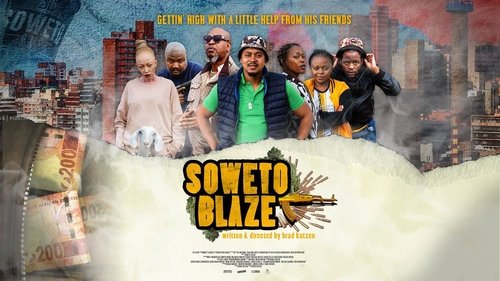
A small-time pot dealer’s hopes for a better life are upended when his friends involve him in am outlandish kidnapping scheme.
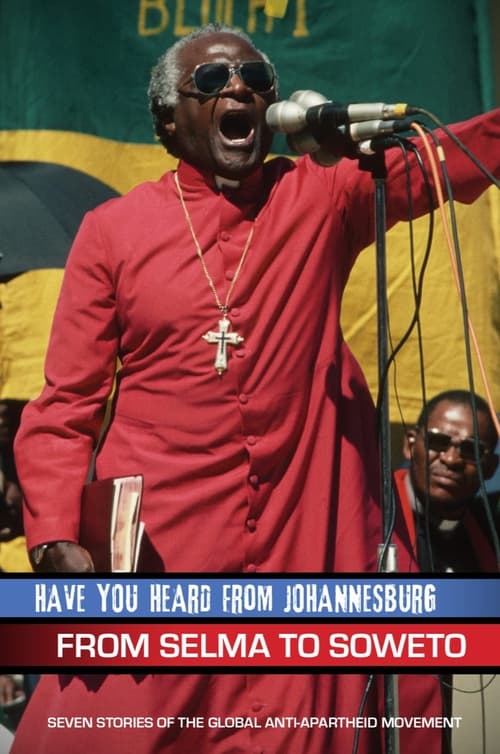
Long one of South Africa's most important and powerful allies, the United States becomes a key battleground in the anti-apartheid movement as African-Americans lead the charge to change the government's policy toward the apartheid regime. A grassroots movement to get colleges, city councils, and states to divest their holdings in companies doing business in South Africa spreads across the entire nation pressuring the U.S. Congress to finally sanction South Africa. This stunning victory is won against the formidable opposition of President Ronald Reagan. African-Americans significantly alter U.S. foreign policy for the first time in history. European sanctions follow, and with them, the political isolation of the apartheid regime.
The harsh reality of life in Soweto, South Africa.
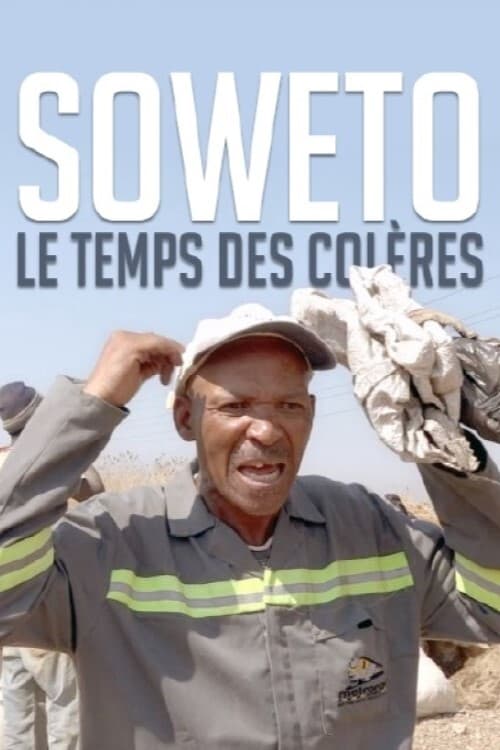
A documentary by 4 young South-African filmmakers, giving us a unique look into the post Apartheid unrest in Soweto.
The Soweto Gospel Choir -- named for the South African township of Soweto -- explodes with color, dance and song in this inspirational live concert filmed during the group's 2005 tour of Australia. A memorable set list includes such tracks as Bob Marley's "One Love," Peter Gabriel's "Biko," Johnny Clegg's "Asimbonanga," The Tokens' "The Lion Sleeps Tonight" and the South African national anthem.
The Grammy Award winning Soweto Gospel Choir brings the Nelson Mandela Theatre to life with a soul stirring performance of their show African Spirit. The show, African Spirit, described as a wonderful spiritual journey, features a variety of songs about the upliftment and strength of the human spirit. Simply put the performance is a celebration of the Love and Life.
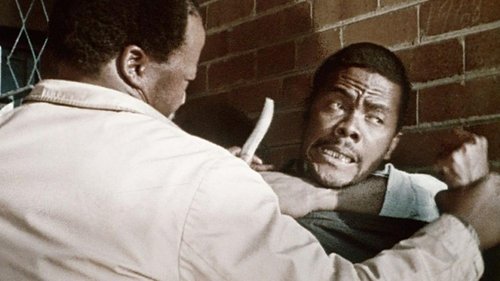
When local soccer team The Eagles fall prey to a series of onslaughts from a mysterious gangster only a week before the championship final, the team turns to the one man that can help save their chances at victory – Joe Bullet (Ken Gampu). Joe will have to battle against villainous henchmen, escape booby-trap bombs and bring his martial arts expertise to the fore in order to survive an attack from a deadly assassin. In the end he will have to infiltrate the mysterious gangster’s hide-out in a dangerous cat-and-mouse rescue mission to save not only The Eagles’ two kidnapped star players, but that of his beautiful love interest, Beauty (Abigail Kubeka). The odds will be stacked against him, but he’s the man that fights crime, the man that no one can tie down! Joe Bullet!
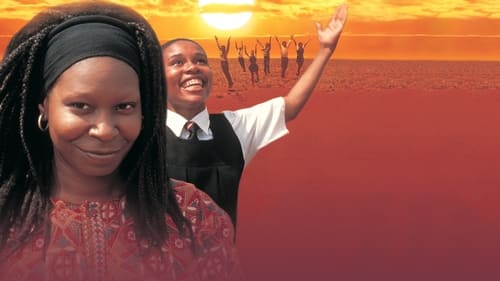
The plot centers on students involved in the Soweto Riots, in opposition to the implementation of Afrikaans as the language of instruction in schools. The stage version presents a school uprising similar to the Soweto uprising on June 16, 1976. A narrator introduces several characters among them the school girl activist Sarafina. Things get out of control when a policeman shoots several pupils in a classroom. Nevertheless, the musical ends with a cheerful farewell show of pupils leaving school, which takes most of act two. In the movie version Sarafina feels shame at her mother's (played by Miriam Makeba in the film) acceptance of her role as domestic servant in a white household in apartheid South Africa, and inspires her peers to rise up in protest, especially after her inspirational teacher, Mary Masombuka (played by Whoopi Goldberg in the film version) is imprisoned.
With Nelson Mandela freed from prison, South Africa is changing fast - but big challenges lie ahead. In the township of Soweto children have taken charge of their schools, trading formal (albeit poorly-funded) education for incitement of rebellion against the injustices between the black and the white populations.
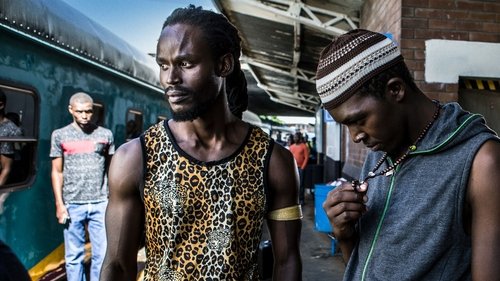
Three separate stories create a gripping yet compassionate portrait of small-town characters immersed in the intimidating, alluring, and dangerous world of big-city Johannesburg and Soweto.
A musical trip through southern Africa to the tunes of the post-apartheid generation. Kwaito music originated in the 1950's in the dusty streets of South Africa's townships such as Sophiatown, Pimville and subsequently in Soweto. It is inseparable from the Pantsuela culture of the rebellious youth gangs during the Apartheid regime. Since there was no money for musical instruments or for extravagant costumes, they concentrated on their dancing and singing skills and, turning the streets into their stage. Currently almost fifty years later - Kwaito culture is experiencing a renaissance in a manner completely inconceivable in those days.
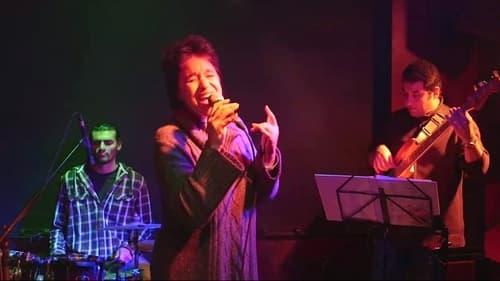
A documentary about Cairo Jazz Festival's Amr Salah and his struggle every year to bring people and arts together in a country where 70% of people are under 30 and the Officials do not care about culture too much.
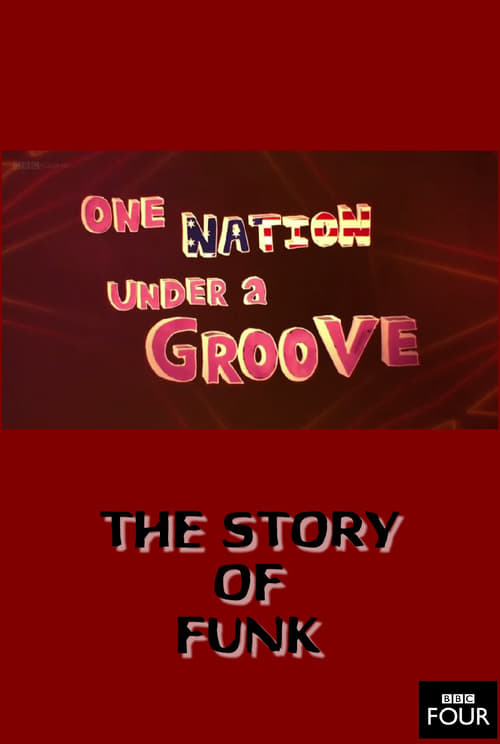
A documentary on funk and P-funk and the bands and artists that made it all happen: James Brown, Sly Stone, George Clinton, Bootsy Collins, Maurice White and his Earth Wind & Fire, Average White Band, Kool & The Gang and lots more. It tells the story of black American music and how it evolved from funk to more main stream to disco to hiphop to contemporary R 'n B and its impact on society. Music and live footage from the bands, interviews with artists and band members of Kool & The Gang, Earth Wind & Fire, George Clinton and lots more.
Our Bodies Back presents a powerful rendering of Black women’s voices; speaking out against the realities of anti-Black racism, misogynoir and sexual violence, while uplifting and honouring in full the Black lives and memories lost, in a stunning ceremony of dance, spoken word and visual art.