
Action
Adventure
Animation
Comedy
Crime
Documentary
Drama
Family
Fantasy
History
Horror
Music
Mystery
Romance
Science Fiction
Thriller
War
Western
Found 18 movies, 15 TV shows, and 0 people
Can't find what you're looking for?
Using testimonies by pioneers and witnesses of the times, delve into the feverish visual culture the media generated – with far-fetched examples of canine television games, seduction manuals, aerobics class while holding a baby, among others.
A sophisticated and beautifully constructed account of landscape change in and around Paris in the early 1960s. The film raises complex issues about the meaning and experience of modern landscapes and the enigmatic characteristics of features such as canals, pylons and deserted factories. Rohmer also explores the role of landscape within different traditions of modern art and design and refers to specific architects, artists and engineers.
Two mismatched entrepreneurs – egghead innovator Mike Lazaridis and cut-throat businessman Jim Balsillie – joined forces in an endeavour that was to become a worldwide hit in little more than a decade. The story of the meteoric rise and catastrophic demise of the world's first smartphone.
A tale of how the great vision and epic failure of General Magic, the "greatest dead company in Silicon Valley", changed the lives of billions.
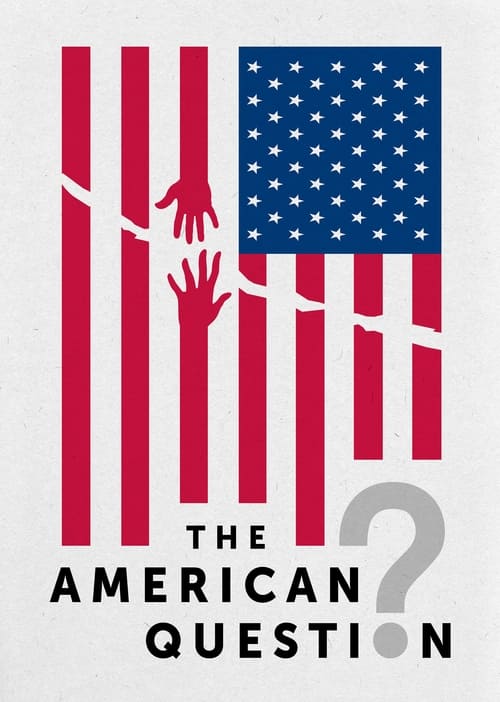
An 8-year journey into divided America, The American Question examines the insidious roots of polarization and distrust through past the past and present, revealing how communities can restore trust in each other to unite our country.
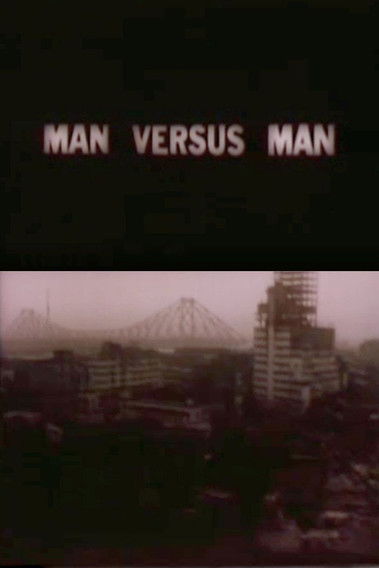
Man-pulled rickshaw, which have served Kolkata for over eight decades face virtual extinction as a result of legislation introduced by the State Government in 1981. This would rob over 100,000 people of a living. The film analyzes the critical situation, and on the basis of concrete facts and figures, questions whether such a step would be fruitful at all. The image of a man pulling a man is a depressing and a negative one - but not more negative than that of the image of a man going without food.

The life of Henri Grouès, known as Abbé Pierre, from his time in the Resistance in WWII to his fights against poverty and for the homeless.
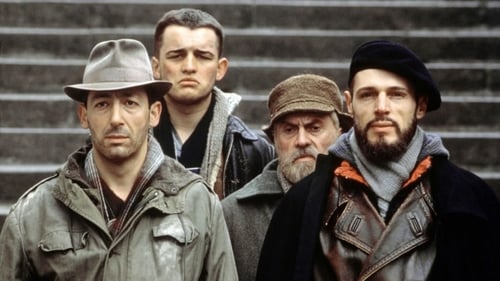
Postwar France was slow to recover from the after-effects of the World War Two. The economy was doing poorly, and many people were poor and homeless, sleeping under bridges, etc. The winter of 1953-54 proved particularly difficult for these people, as it was one of the coldest on record. Father Pierre (Lambert Wilson), a parish priest, on seeing the suffering of these people (and their frequent death from the cold), was moved to write the French government seeking help for them. When his letter, which was published in the newspapers, succeeded in rousing overwhelming popular support for helping the homeless, he was able to form a charitable group (still active today) titled "Les Chiffoniers d'Emmaus," or "The Ragpickers of Emmaus" to channel help to them. This biographical film tells the true story of Abbe Pierre's successful efforts in those years.
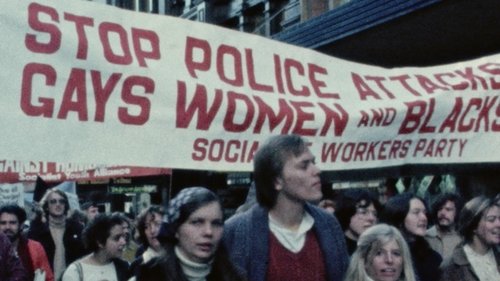
In 1978 the police attacked demonstrators at the Sydney (Australia) Mardi Gras celebrations. This film details the communities' responses.

No description available for this movie.
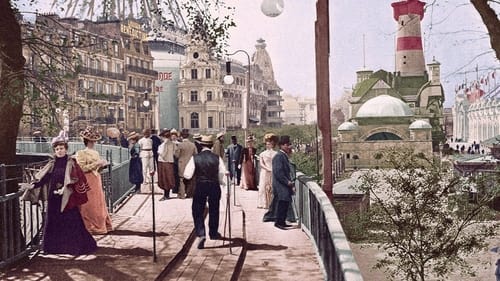
In 1900, the eyes of the whole world are on Paris. The World's Fair welcomed 50 million amazed visitors, and the city celebrated itself in a glamorous era. This period went down in history as the "Belle Époque." Elaborately restored and colorized historical photographs bring to life the exciting life in Paris between the end of the 19th century and the beginning of World War I in 1914. Bicycles, cars, airplanes, moving pictures, newly founded film studios, revolutionary composers and painters, avant-garde ballet performances, fashion houses, summer resorts on the Atlantic coast – life was intoxicating. People celebrate in the variety shows, cabarets, and revue theaters of Paris. Moulin Rouge, Folies Bergères, Bal Tabarin—in Paris, the nights are long and life is too short to sleep through. It is a dance on the volcano, given the political developments in the world.

Filled with rare archive footage and frequently hilarious interviews with the trailblazers themselves, Men of Wood & Foam is a compelling look at Australian surf culture in the ‘70s and ‘80s. Looking at surf music, industry development and the historical context of the era with the biting wit writer and surf journo Phil Jarratt is known for, the film is a lively and fun look back at an era that now feels almost mystical.
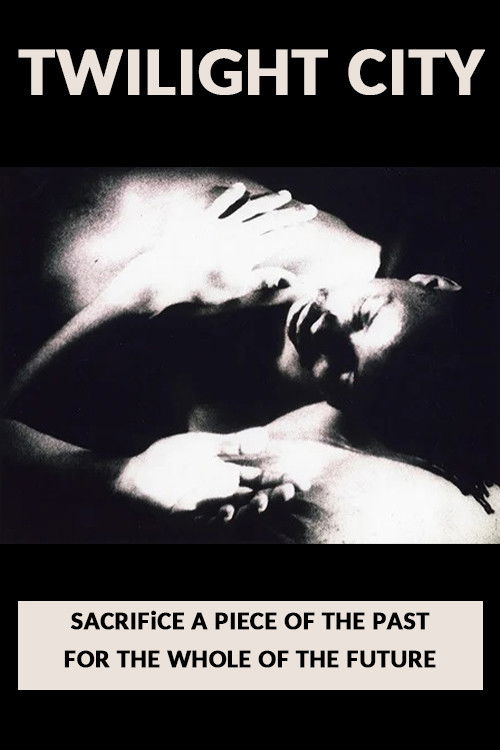
A fictional letter from a daughter, Olivia, to her mother in Dominica is the narrative thread connecting interviews from (predominantly) black and Asian cultural critics, historians and journalists. The choice of occupation for the daughter, a researcher, perhaps strains the narrative conceit too far. Nevertheless, for an avowedly political documentary the result is absorbing.

The suburbs are often portrayed as dull, conformist and hermetic. But with over 80% of the UK population calling these areas home, this playful yet empathetic short film challenges enduring stereotypes by centring the experiences and eccentricities of their numerous residents. The development of these spaces, and the narratives surrounding them, has been captured over the past 100 years by early filmmakers, citizen journalists, amateur documentarians and, most recently, a growing charge of online moving image creators – all brought together here to reveal the multiple identities and realities underneath the cultural image.
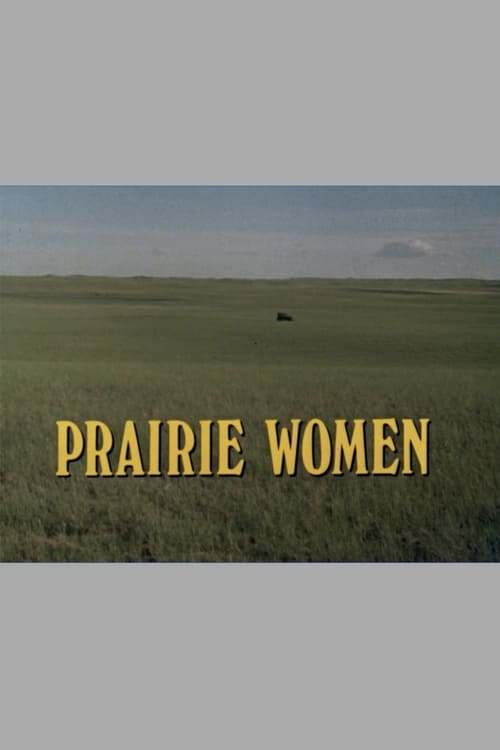
This film illustrates the struggles of Canadian prairies women to achieve a more just and humane society within the farm movement and at large. During the early 1900s, women on the prairies looked for ways to overcome their isolation. Out of the resulting farm women's organizations grew a group of women possessing remarkable intellectual abilities, social and cultural awareness, and advanced worldviews.
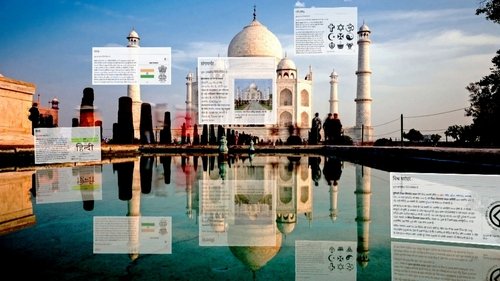
In 2001, Jimmy Wales published the first article on Wikipedia, a collaborative effort that began with a promise: to democratize the spreading of knowledge, monopolized by the elites for centuries. But is Wikipedia really a utopia come true?
No description available for this movie.

Crownsville Hospital: From Lunacy to Legacy is a feature-length documentary film highlighting the history of the Crownsville State Mental Hospital in Crownsville, MD.