
Action
Adventure
Animation
Comedy
Crime
Documentary
Drama
Family
Fantasy
History
Horror
Music
Mystery
Romance
Science Fiction
Thriller
War
Western
Found 28 movies, 1 TV show, and 0 people
Can't find what you're looking for?

Set in a small theater at the end of the silent film era, a former movie star clings to the past by screening only silent films. His son grows up in this world, unaware of the changes beyond its walls, until a discovery unsettles his beliefs.
This documentary explores the use of orchestras, bands, sound effects artists, piano players & organists during the Silent Film Era (1895-1927).

Meyar Al Roumi returns to his native Damascus, eager to start making films, but he is censored. He draws inspiration from it to paint a portrait of the Syrian filmmakers most affected by censorship.

This documentary examines issues related to the struggle for gender equity and the portrayal of suffragettes in the early days of the silver screen. It contains footage from many suffrage-era silent films, including A Lively Affair (1912); A Busy Day (1914), and the pro-suffrage film, What 80 Million Women Want (1913).

Cinematographers of the silent film period were the first to figure out how to shoot a moving image. In the early years of cinema, the reputation of such people, both inside the industry and outside it, was curious, paradoxical. On the one hand, as masters of the mysterious mechanisms of cinema, they enjoyed a reputation as wizards. But more often they were perceived as adventurers. However, the first generation of Russian cameramen made many artistic discoveries.
A brief overview of the development of Ukrainian cinema, using footage from the USSR State Film Archive and the Central State Archive of Film and Photo Documents of the Ukrainian SSR.
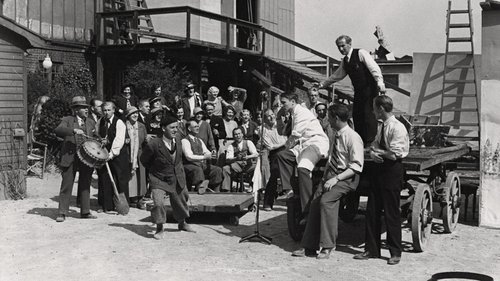
Documentary on the rise and fall of the Danish silent film industry.

The “Cinema Mudo” project is the realization of a short film and at the same time helping and integrating residents of a community living in a high-risk area. All children (actors and actresses) who work in the movie are residents in the community Vila Torres, an at-risk area in Curitiba. They were chosen after a theater classes for children held in that community as part as the film project. Most of the residents of this community live from the collection and recycling of garbage in the city of Curitiba. The story shows three children (two boys and a girl), in the mid-thirties, setting up a movie frame projection room. They build a projector with an empty shoe box with two holes with the size of a film frame. Inside the box they put a burnt-out bulb without its filament and filled with water. This bulb is used as a lens. Children had to wait until the bulb burned out. Those electrical bulbs were rare in those days.
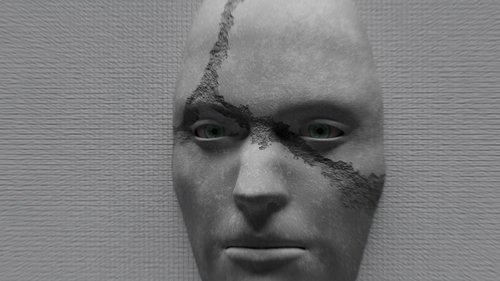
A boy confesses his love to a girl — and turns to stone forever.
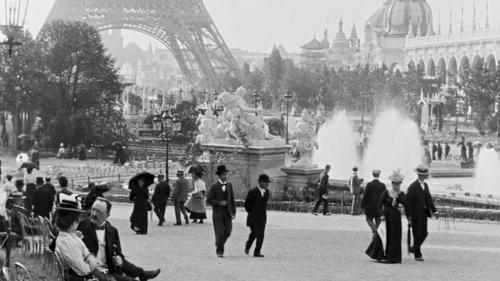
In one of those wonderful coincidences of history, lumière, the French word for “light,” was also the last name of brothers Auguste and Louis, whose brilliant invention, the cinematograph, helped to inaugurate the most beloved art form of the last 130 years. Institute Lumière director Thierry Frémaux uses Lumière, Le Cinema! to guide the viewer through over a hundred shorts—some famous, some forgotten, some never before seen—directed by Lumière and company. In the process, Frémaux illuminates how the brothers employed the camera as a creative instrument as they (and their operators) mastered framing, staging, and subject selection for quotidian and exotic microdocumentaries as well as the first ever fictional motion pictures. The result is not only a glorious re(telling) of the genesis of cinema but a profound meditation on the beautiful world captured—and the mysterious world imagined—by the Lumières.
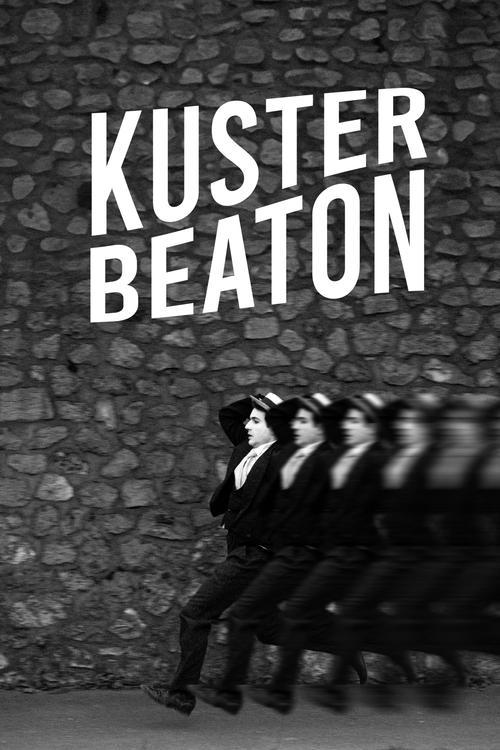
In 1970, Kuster Beaton, a former silent-film star, gives an interview looking back over his career. A journalist asks him about his legendary power : an alleged super-speed that enabled him to shoot his films without special effects.
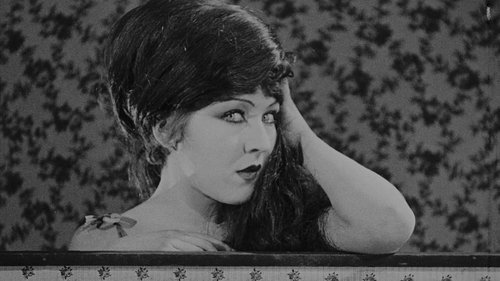
Count Moffat becomes infatuated with Nana, a presumptuous stage actress, vulgar, hypocritical and promiscuous, willing to do anything to succeed.
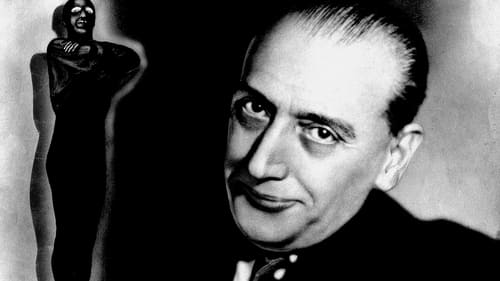
The story of Fantômas, the first villain of modernity, from his birth in 1911 as a novel character to his contemporary vicissitudes, passing through Louis Feuillade, André Hunebelle, surrealism and Moscow.
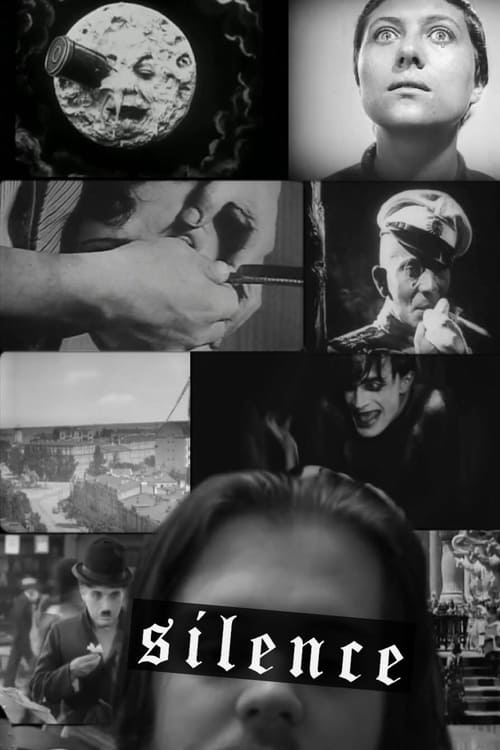
A man loses his hearing and learns to appreciate life through silent films.
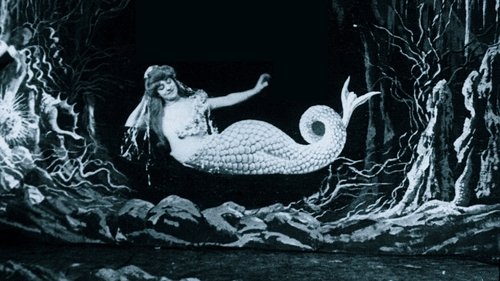
A walk through the life and work of the brilliant French filmmaker Georges Méliès (1861-1938), pioneer of special and visual effects.

Time is not linear, it is an infinite circle that surrounds us. -Andrei Tarkovsky

The pattern-living Paul Fowler has his routines disrupted by the contact-seeking photographer Jane.
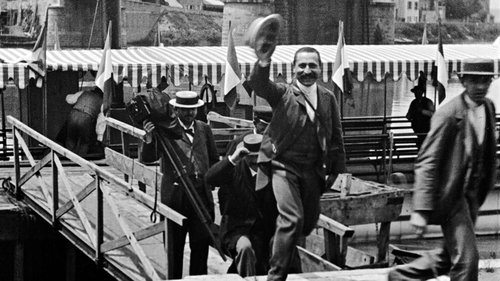
A collection of restored prints from the Lumière Brothers.

In the near future, two bandits try to survive in a voiceless world. Humans have lost their ability to audibly communicate. Paranormal phenomena continue to happen throughout a world that's becoming quieter. No one knows why.

The night before her eighteenth birthday recital, an overworked and undertalented pianist is abducted by three ghouls.
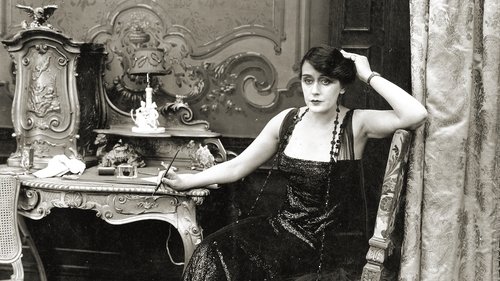
The epic life story of Alice Guy-Blaché (1873–1968), a French screenwriter, director and producer, true pioneer of cinema, the first person who made a narrative fiction film; author of hundreds of movies, but banished from history books. Ignored and forgotten. At last remembered.
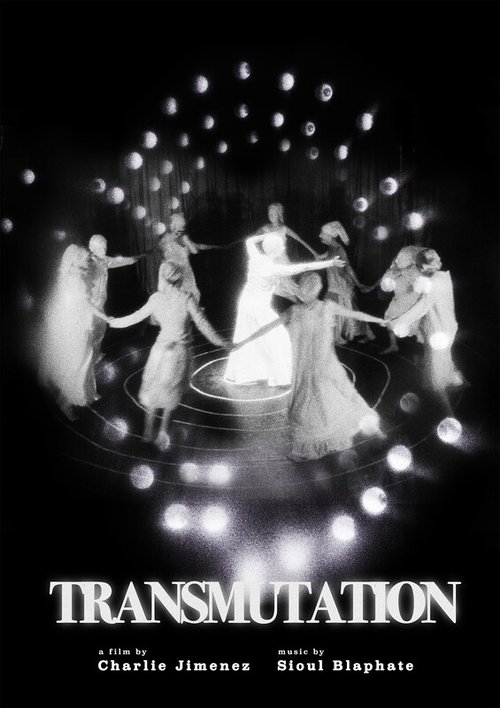
A spiral of dreams and ages unravel as two celestial characters awaken and transmutate into a mythological being.
Based on the novel by Allen Raine - In Wales, a girl loves a manager but weds her employer who dies in a fire lit by a jealous madwoman.
Charlie Chaplin's beloved Tramp returns.
Bachelor Dizzy with a Dame or Two follows the misadventures of Sexman, a hopelessly overconfident bachelor who spends every weekend lining up a new date. This weekend, he ups the ante with a double date - inviting his buddy along to impress two women at once. The catch? His pal is dating the very same dame Sexman romanced last week. What should’ve been a smooth evening of cocktails and charm descends into slapstick pandemonium: mistaken identities, jealous glances, pratfalls, and a parade of comic misunderstandings that leave no one unscathed.
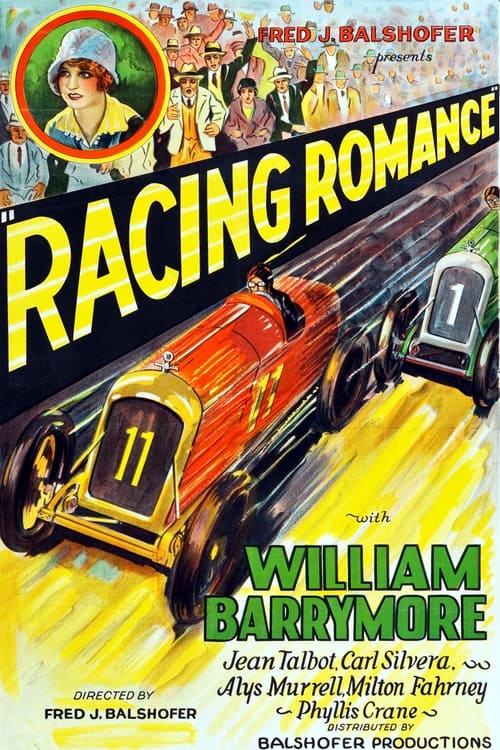
Racing Romance is a 1927 Action film. According to a brief article in the St. Petersburg, FL Evening Independent newspaper, the film was centered in the world of automobile racing. The article also noted that racing sequences in the film were shot at the "world famous Culver City Race track," which referred to the Culver City Speedway, a popular racing venue that opened in mid-Jun 1924 and was located adjacent to Washington Blvd., close to M-G-M and other movie studios. Apparently it's a lost film.
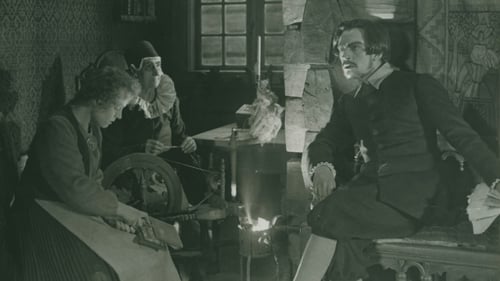
A newly elected village parson is required to marry his predecessor's widow. However, he's already married, and the woman is old enough to be his grandmother.
No description available for this movie.