
Action
Adventure
Animation
Comedy
Crime
Documentary
Drama
Family
Fantasy
History
Horror
Music
Mystery
Romance
Science Fiction
Thriller
War
Western
Found 15 movies, 7 TV shows, and 0 people
Can't find what you're looking for?

The film continues to blend myths, legends, literature and folktales to further expand his narrative of history and weird tales. The story, set in Sichuan cuisine, is divided into four parts: a funeral banquet more than 4,000 years ago in which a grandmother cuts off her own tail to give to her children and grandchildren; a Spring Festival more than 3,000 years ago in which an ancestor king returns in the guise of a bird and is crucified at the banquet; a Mid-Autumn feast in the 1990s in which the gods gather to pay tribute to a millennia-old poet; and a birthday banquet in which a wandering child meets the gods of the underworld .
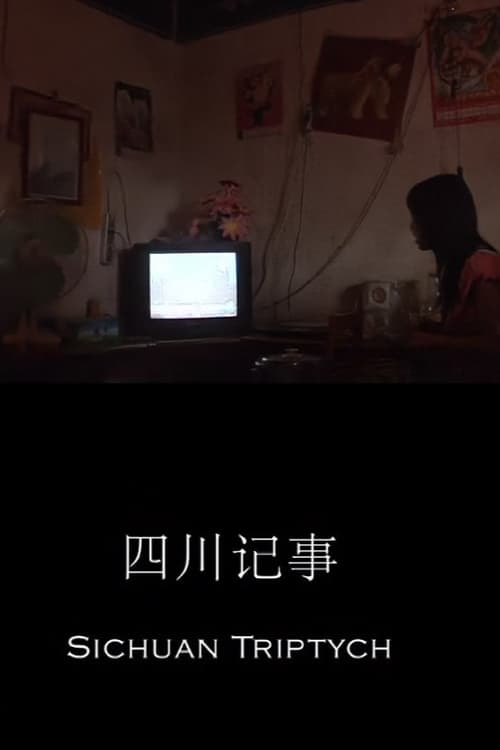
This film's three parts focus on three major events of 2008 in China: the March uprisings, the May earthquake, and the August Olympics. In Tagong, two young Tibetan girls play in the grasslands as the shouts of military drills reverberate through the town. In Qingchuan, three women burn paper money and light fireworks to mourn their lost loved ones on the 49th day after the earthquake. In Renshou, a migrant worker working on the demolition of a disaster area returns home during the Olympics to spray his rice fields.
The setting of the Black Brick Castle that harvests poppy seed. But times are tough as the wait for a ship that is picking up the latest batches has either been intercepted by robbers or won't come at all and the boss of the castle, Chen Tsao, once was part of the robbing gang before inheriting the family business slowly loses his mind. Despite the copious amount of concubines around him, he is not able to impregnate a woman. and he made Chen Mao, a worker impregnate a concubine to have a heir. His father's outgoing ways with several concubines and opium smoking, seems to somewhat stop at him. But worldly circumstances possibly having to do with poverty and famine outside of the castle walls doesn't make matters stop at him to turn around in a positive way. On the other hand Chen Mao, has an eye for one of the female workers who is married to abusive Kui Kong who thinks she brings bad luck to him, although she struggles to raise her two children with this curse she's said to carry.

A young woman goes on an anonymous journey to her late husband's hometown Leshan, a small city in Sichuan province. There, she meets an old friend, a local theatre actress preparing for an adaptation of Bertolt Brecht's The Good Person of Szechwan (Sichuan). In a home-place unfamiliar, the traveling woman meets the imaginary. Ghosted by Shen Te the protagonist of the play, the actress loses the self at the intersection between fiction and reality. Unprepared, the filmmaker loses control of her camera. Together, they drift into a polyrhythmic experience of stasis.

The film tells the story of the battlefield against the Japanese in southern Hunan in 1944. After The Kuomintang (Nationalist) ordered the army to withdraw, the last nine members of a Sichuan army company led by Qin Hao Zhong stayed behind themselves to cover the retreat of the rest of the troops.

In the 1990s, in Chengdu, various small traders and vendors bustled through the streets and alleys, each with their own unique style and distinctive calls, selling a variety of small goods. The camera captures these vendors, some of whom have been selling their wares on the streets for decades. They either turn their product information into unique songs or use rhythmic beats from the instruments they carry as accompaniment. These calls, sometimes near and sometimes distant, resound amidst the bustling crowd, showcasing the distinct characteristics of ethnomusicology. With the advent of globalization and rapid economic development, Chengdu is inevitably transitioning from tradition to modernization. Skyscrapers and modern commercial shopping centers are on the rise and traditional street vending will gradually disappear. This film documents the swan song of traditional street calls as they're slowly engulfed by the tide of modernization.
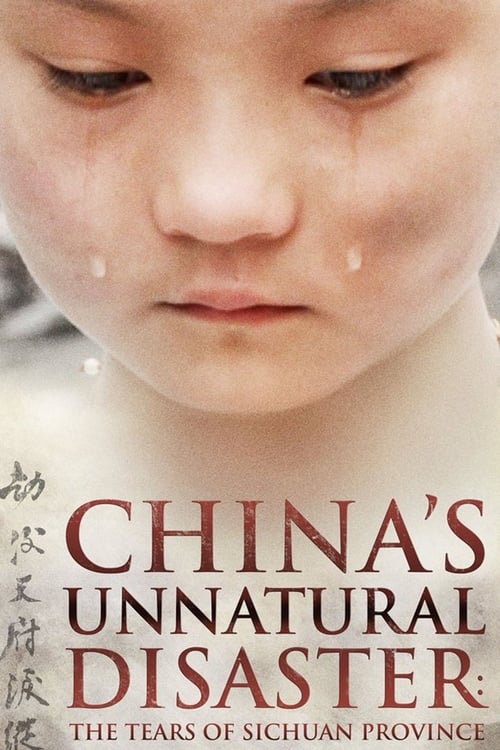
On May 12, 2008, a catastrophic earthquake hit Sichuan Province in rural China, killing nearly 70,000 people, including 10,000 children. In town after town, poorly constructed school buildings crumbled, wiping out classrooms filled with students, most of them their parents' only child. But when grieving mothers and fathers sought explanations and justice, they found their path blocked by incompetence, corruption and empty promises.

No description available for this movie.
During the Cultural Revolution, two young men are sent to a remote mining village where they fall in love with the local tailor's beautiful granddaughter and discover a suitcase full of forbidden Western novels.
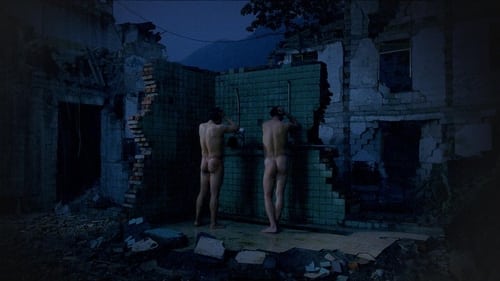
Shubei town, southeast China, the present day. Five years after he fled with RMB 800,000 from a bank robbery, Liu Chuan returns incognito to the town. Policeman Wang Laoshi, who was on duty at the time of the robbery and was demoted for letting Liu escape, is working in the same district police station to which he was transferred after the robbery and still keeps an eye on Liu. By chance, Liu stays in some small lodgings in Wang's district where Qin Xiaosong, a psychology graduate who's run away from her domineering parents, is staying. Next day, Wang spots Liu in the street and gives chase, finally handcuffing him in a deserted warehouse. At that moment, the town is devastated by an earthquake and the building collapses. Wang is knocked unconscious and Liu steals his uniform. After rescuing Qin, Liu finds himself roped into saving other townspeople and becomes a hero in the locals' eyes. Meanwhile, Wang recovers and sets out to hunt down Liu.
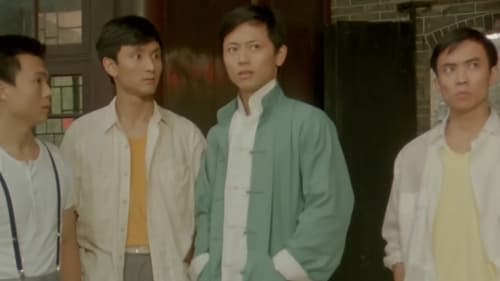
In the mid-30s, Kuomintang Sichuan rhubarb Division Commander Liu Shaoji colludes with Japanese invaders. He sends the cloud boat's beauty to the Si-chuan Opera. The Si-chuan opera entertainer steps forward in sharp opposition with warlord's wicked running dogs. Mu Xiaolou sacrifices himself up to take the righteous path and confronts the Japanese invaders.

A Korean TV anchor goes to China to do a story on an ancient artifact. When she falls for the object's owner, she dreads revealing the truth to him.
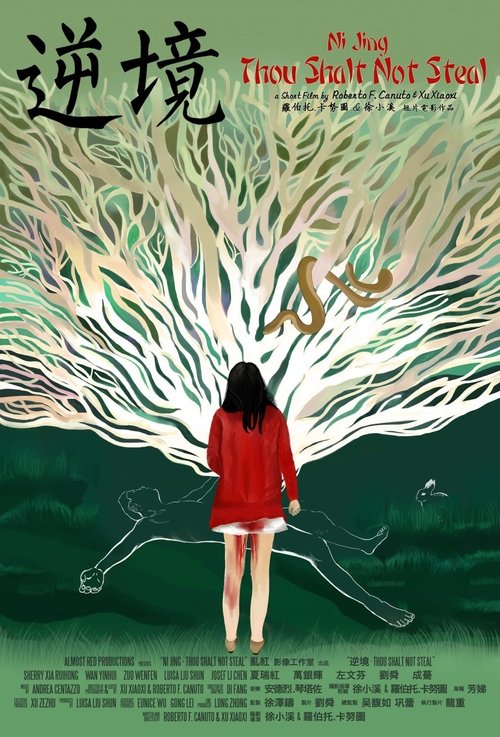
Xiaofan, a young girl who works at a Karaoke Club, awakes one morning in a remote forest with her body covered in blood. As she struggles to find her way out, she tries to understand the drama circumstances which got her into the situation, events mainly related to her unpredictable boyfriend. She needs to make a decision that may change her life.
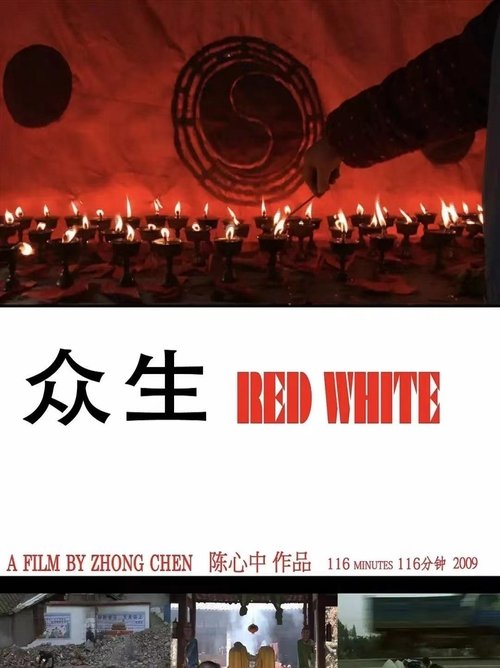
A small rural township called Red White was seriously devastated by the May 12th Earthquake in China 2008. A 62-year-old Taoist survived even though his temple was largely torn by the disaster. This documentary tells the story of how the Taoist practices the widely believed Chinese traditional religion and the local people’s daily life during the township’s post-quake reconstruction.

Young Masters is an original series commissioned by NOWNESS China focusing on traditional Chinese cultures, and how they continue to be defined by a new generation of the country's youth. High above the clouds in a village in Mao County in Sichuan Prefecture, a post-90’s generation of young cultural guardians work to uphold the values and traditions of ancient Qiang culture. These cultural guardians, known as a ‘Shibi’, remain especially vital for a culture whose knowledge and language exist merely through practice and in sound, and without script. The role of a Shibi involves that of a priest, alongside folk rap, singing, and dance performances, amongst others. As a result, Qiang people have endowed them with a sacred status, believing that they possess a psychic power.