
Action
Adventure
Animation
Comedy
Crime
Documentary
Drama
Family
Fantasy
History
Horror
Music
Mystery
Romance
Science Fiction
Thriller
War
Western
Found 22 movies, 10 TV shows, and 0 people
Can't find what you're looking for?
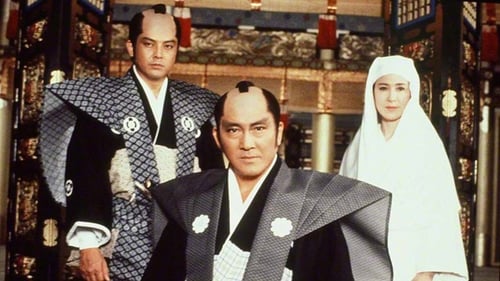
The early days of the Tokugawa shogunate are brought to light in this exciting historical tale of broken vows and violent swordplay. In an ambush the heir to the shogun’s seat is brutally cut down by those who hope to install the emperor’s 5th son as military leader of the nation.
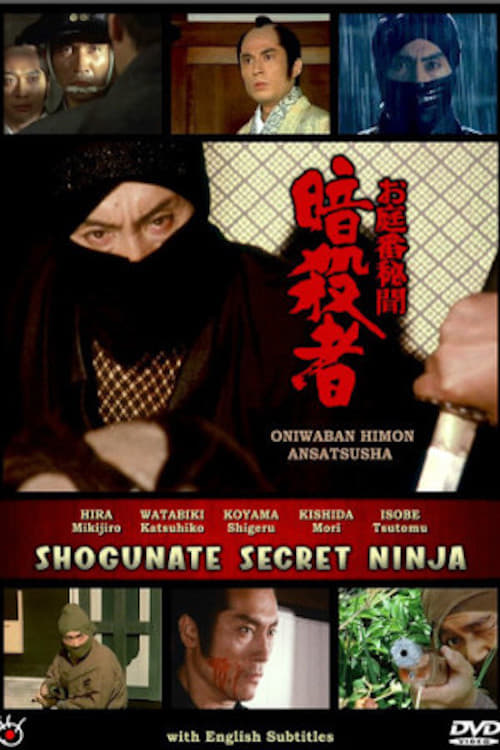
Lord Tokugawa Tsunatoyo, bound for Edo to be sworn in as the next shogun, is the target of merciless ninja assassins hired by corrupt officials hoping to put their own candidate in his place. His only hope is the “Oniwaban,” the shogunate’s secret ninja force, sworn to throw their lives down recklessly to prevent this coup. But will they stand a chance of getting the lord to his ceremony in time? A perilous chase, betrayal after betrayal, and a final bloodbath await them as ninja battle ninja in one last, desperate struggle.

A new shogun is appointed to the throne when his brother dies. He find out that the former Shogun one of the women from his brothers harem became pregnant, but she escaped. The new Shogun would loose the throne if the child is a boy. Genshiro is doctor who, among other things, performs abortions, and is sheltering his love, another women who escaped from the harem. The new Shogun threatens to arrest the girl unless Genshiro hunts down the woman and aborts her child. Genshiro learns that the woman releases a "musky scent from her special area" when in ecstasy. Both Genshiro and his friend set out to find all the women of the former harem and have sex with them, by force if necessary.
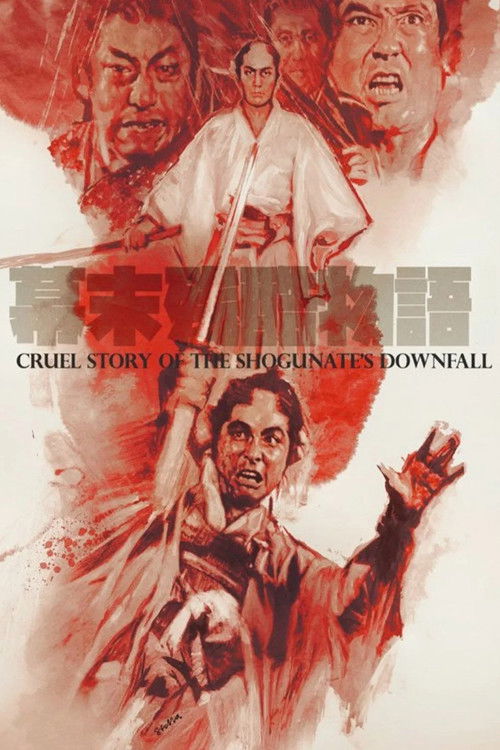
A headstrong young man seeks to join the Shinsengumi, but while his determination impresses his superiors, questions begin to arise as to his true identity and intentions.

1956 Japanese film, released in two parts. This is Part One.
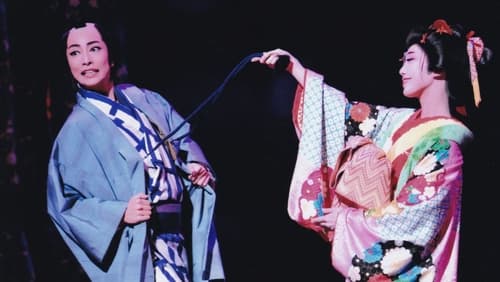
The year is 1862, the twilight of the Tokugawa shogunate.
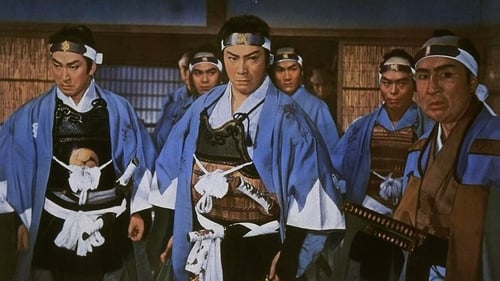
The stormy tale of the Shinsengumi is told from its birth by master filmmaker Sasaki Yasushi, with an all-star cast based on the original story by Shirai Kyoji. The battles between the royalists and Shogunate supporters come to a fever pitch during the Gion Festival as the exclusionists plot to burn Kyoto and kidnap the Emperor. From its earliest beginnings as a group of ronin brought from Edo to protect the Shogun when he is in Kyoto to see His Imperial Highness, the group had to face difficulties both from within and without. Commander Serizawa Kamo's corrupt practices threaten the group's very existence, as they try to recover from the bad reputation he left them with. Their redemption comes when they learn of Katsura Kogoro plans to gather men at Kyoto's Ikedaya Inn for his attack on the city. Along with Hijikata Toshizo and Okita Soji, Kondo leads the group in an attempt to save Japan from the rebels.
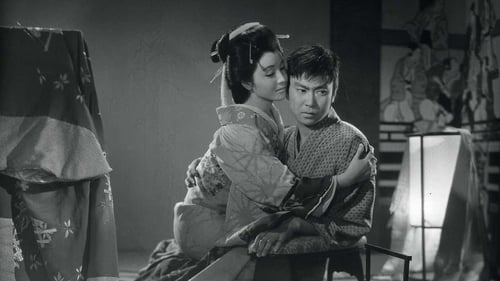
Saheji, a man-about-town, gets stuck at a high-class brothel when he can’t pay the bill. He makes the best of his situation by performing various tasks amidst the tumult of the end of the shogunate—but always by making sure to get a “commission” for his troubles.
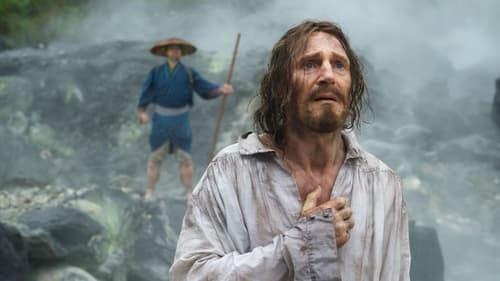
In the 17th century, two Portuguese Jesuit priests travel to Japan in an attempt to locate their mentor, who is rumored to have committed apostasy, and to propagate Catholicism.
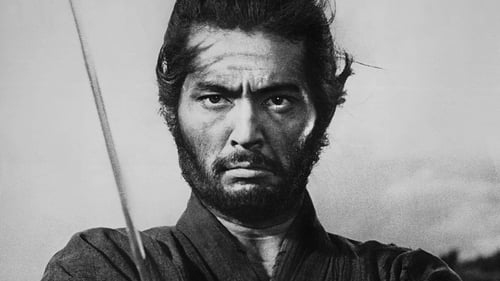
Down-on-his-luck veteran Tsugumo Hanshirō enters the courtyard of the prosperous House of Iyi. Unemployed, and with no family, he hopes to find a place to commit seppuku—and a worthy second to deliver the coup de grâce in his suicide ritual. The senior counselor for the Iyi clan questions the ronin’s resolve and integrity, suspecting Hanshirō of seeking charity rather than an honorable end. What follows is a pair of interlocking stories which lay bare the difference between honor and respect, and promises to examine the legendary foundations of the Samurai code.
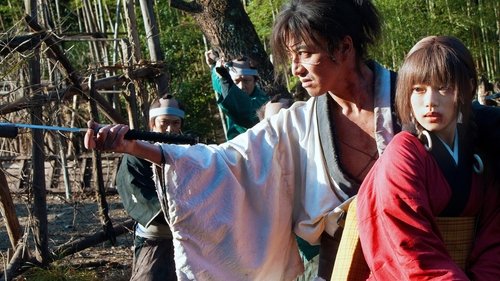
Manji, a highly skilled samurai, becomes cursed with immortality after a legendary battle. Haunted by the brutal murder of his sister, Manji knows that only fighting evil will regain his soul. He promises to help a young girl named Rin avenge her parents, who were killed by a group of master swordsmen led by ruthless warrior Anotsu. The mission will change Manji in ways he could never imagine.
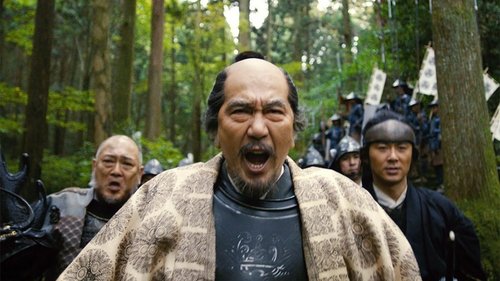
The background to and depiction of a watershed battle in Japanese history, at Sekigahara in 1600, when Tokugawa Ieyasu's Army of the East defeated the Army of the West of Ishida Mitsunari. The story includes the intrigues and shifting loyalties of the various retainers, family members, and samurai.
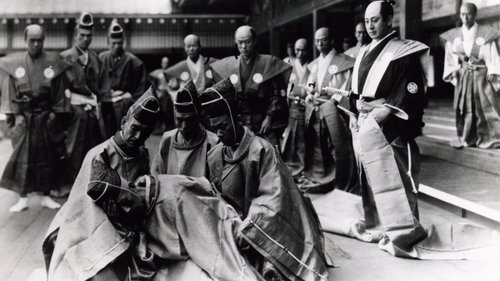
In the early 18th-century, Lord Takumi-no-kami Asano, feuding with Lord Kira, tries to kill his opponent in the corridors of the Shogun's palace. The Shogun sentences Asano to seppuku and deprives the palace and lands from his clan, but does not punish Kira. Asano's vassals leave the land and his samurais become ronin and want to seek revenge against the Lord's dishonour. But their leader Kuranosuke Oishi seeks to restore the Asano clan with his brother Daigaku Asano. One year later, the Shogun refuses, and Oishi and 46 rōnin are out for revenge.

A young boy named Jiro finds his mother and sister murdered in his home. Falsely accused of the crime, he flees from his village and meets a priest named Tenkai, who has him kill a rogue ninja named Tarouza. After fulfilling that task, Jiro undergoes training to become a master assassin. Many years later, Jiro finds out that he was an orphan and his real father was Tarouza, who had worked for Tenkai until he aborted his mission when he fell in love with an Ainu woman. The young ninja discovers that the Shogunate was to retrieve the lost treasure of Captain Kidd and use it to once again isolate Japan from the rest of the world. Using the clues that Tarouza had kept secret, Jiro - along with the female ninja Oyuki and a slave named Sam - travels to Russia and America to search for the treasure in hopes of using it to extract revenge from Tenkai.
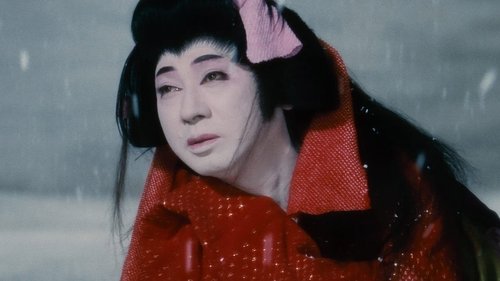
In Edo Japan, a kabuki actor seeks revenge against the three men who drove his parents to their deaths years ago.
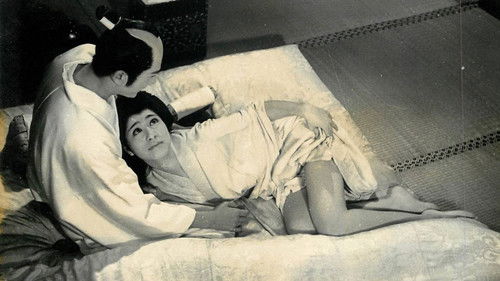
A tragic love story involving the 5th Shogun of the Tokugawa dynasty and a woman who became one of his concubines.
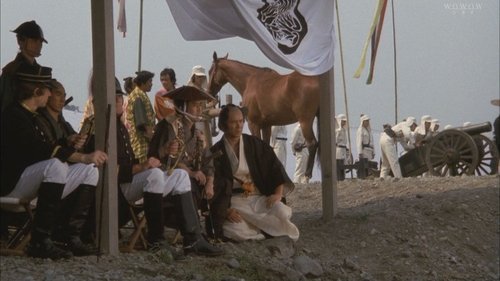
The film depicts carnivalesque atmosphere summed up by the cry "Ei ja nai ka" ("Why not?") in Japan in 1867 and 1868 in the days leading to the Meiji Restoration. It examines the effects of the political and social upheaval of the time, and culminates in a revelrous march on the Tokyo Imperial Palace, which turns into a massacre. Characteristically, Imamura focuses not on the leaders of the country, but on characters in the lower classes and on the fringes of society.
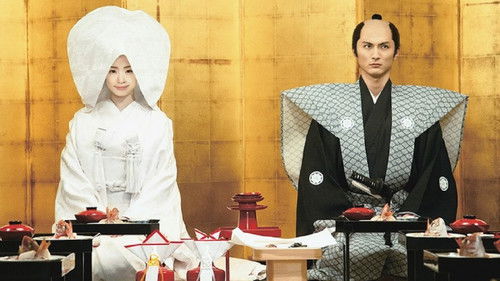
In this love story set in the Edo period, 27-year-old Oharu is a genius in the kitchen. Oharu attracts the attention of the master chef of the Kaga Domain, who arranges for her to marry his son and heir, 24-year-old Yasunobu. But, Yasunobu is cold to his new wife, and he's more interested in swordplay than cookery.
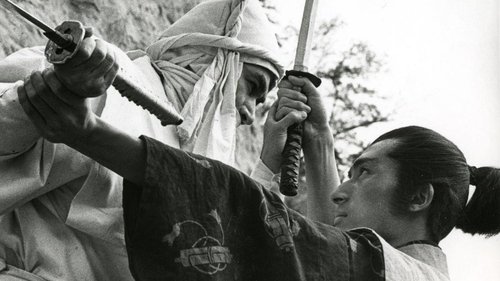
Years of warfare end in a Japan unified under the Tokugawa shogunate, and samurai spy Sasuke Sarutobi, tired of conflict, longs for peace. When a high-ranking spy named Tatewaki Koriyama defects from the shogun to a rival clan, however, the world of swordsmen is thrown into turmoil. After Sasuke is unwittingly drawn into the conflict, he tracks Tatewaki, while a mysterious, white-hooded figure seems to hunt them both. By tale’s end, no one is who they seemed to be, and the truth is far more personal than anyone suspected. Director Masahiro Shinoda’s Samurai Spy, filled with clan intrigue, ninja spies, and multiple double crosses, marks a bold stylistic departure from swordplay film convention.
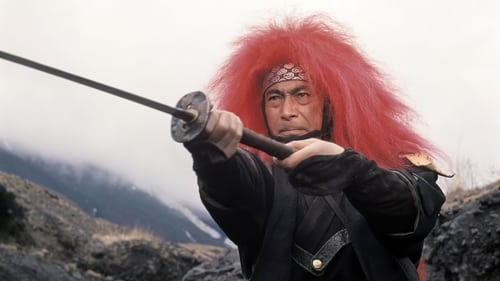
Japan, February 1868. As the Tokugawa shogunate declines and the power of Emperor Meiji grows, Gonzo, a soldier of the Restoration Army, returns to Sawando, his hometown, to announce the end of tyranny.
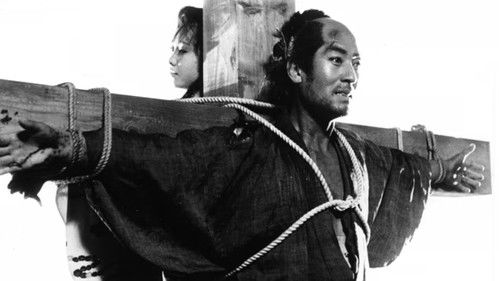
In Tokugawa-era (1637) Shimabara, oppressed peasant Christians revolt against the shogunate with the aid of charismatic Christian rebel leader Shiro Amakusa.
An animated motion picture about a real-life Buddhist monk and renowned poet, Ryoukan who lived in 18th century Japan, during the Edo Period. Though born to a wealthy family in Izumozaki, Ryoukan chooses to abandon the easy life he would have inherited in order to understand the true meaning of life through the teachings of Buddhism. From his early adulthood, he undergoes a series of harsh training that demands a solitary and meager lifestyle. Throughout it all, he remains an extremely modest and humble person, a true humanitarian who accepts every individual for who they are while rejecting all worldly fame and wealth. Ryoukan found true peace in life through nature and spending time with children. His pure mind and affable personality have captivated many, and his legacy and the wisdom of his teachings live on today.