
Action
Adventure
Animation
Comedy
Crime
Documentary
Drama
Family
Fantasy
History
Horror
Music
Mystery
Romance
Science Fiction
Thriller
War
Western
Found 14 movies, 0 TV shows, and 0 people
Can't find what you're looking for?
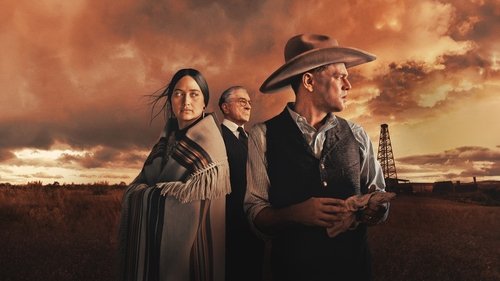
When oil is discovered in 1920s Oklahoma under Osage Nation land, the Osage people are murdered one by one—until the FBI steps in to unravel the mystery.
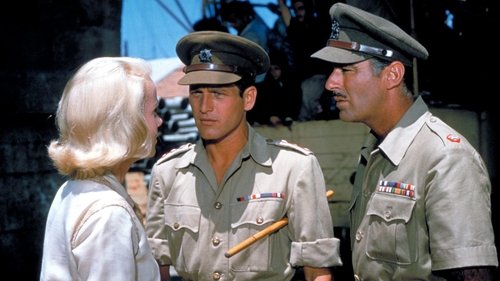
Ari Ben Canaan, a passionate member of the Jewish paramilitary group Haganah, attempts to transport 600 Jewish refugees on a dangerous voyage from Cyprus to Palestine on a ship named the Exodus. He faces obstruction from British forces, who will not grant the ship passage to its destination.
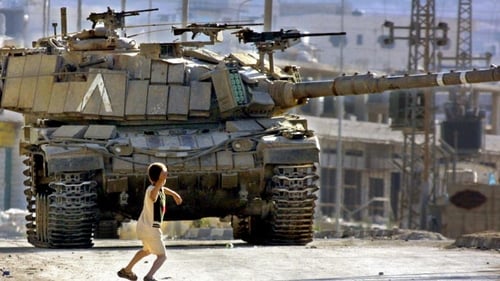
Over the past few years, Israel's ongoing military occupation of Palestinian territory and repeated invasions of the Gaza strip have triggered a fierce backlash against Israeli policies virtually everywhere in the world—except the United States. This documentary takes an eye-opening look at this critical exception, zeroing in on pro-Israel public relations efforts within the U.S.
Half-hour documentary based on the work of Northwest author Ivan Doig and his "brother" of yesteryear, Northwest pioneer James G. Swann. Broadcast November 24, 1982. Included in "Best of the Northwest Films" exhibition for Bumbershoot. Winner of the Critics Award for Cinematography at the 16th Annual Northwest Film and Video Seminar, 1983. Partial funding by Washington Commission for the Humanities.

Sebastia, a small archaeological town, sits on top of a hill Northwest of Nablus, Palestine surrounded by Shavei Shomron, an illegal Israeli settlement and confiscated agricultural fields of olive groves and apricot trees. This ancient site was excavated multiple times over the last century by colonial archaeologists funded by Zionist individuals and institutions. The first excavation of 1908 led by Harvard University took advantage of Sebastia locals including women, men, and children as cheap labor digging their own land for the sake of biblical archaeology. Each excavation extracted soil and artifacts from the ground, taking what they considered valuable to their home institutions and leaving pottery shards and rubble on the surface. Today, what’s left of the archaeological monuments is contested by the nearby settlement as well as the Israeli military. The Roman Forum is a battlefield, but the locals are incredibly resilient.

“El apagón: Aquí vive gente” is a 23-minute film that explores the socio-economic challenges in Puerto Rico, focusing on the effects of power outages and gentrification driven by the real estate and energy sectors. Through visuals and personal stories, the documentary highlights the experiences of Puerto Rican communities facing these issues.
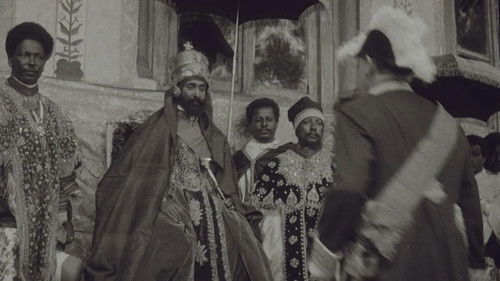
By means of a chronological arrangement of historical video material from the Istituto Luce archives, it tells the story of Fascist Italy's ambitions in Africa and the role they played in shaping fascist ideology and the stance of the fascist regime in the Western world at the height of the age of colonialism and aggressive European expansionism.
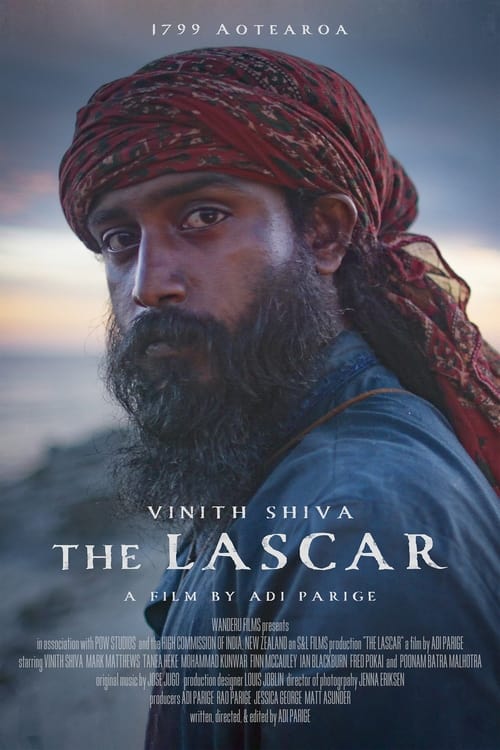
At the end of the 18th century, hundreds of Indian sailors, known as lascars, worked amongst European settlers in Aotearoa New Zealand - often under the gruesome working conditions of seal hunting gangs. The story follows a lascar, Dasa, who has been abandoned on the coast of Aotearoa NZ by the East India Company, alongside his sealing gang. When Dasa finds himself in the middle of a conflict between his abusive British superior and two Māori traders, he is faced with a choice: bend the knee or take a stand.
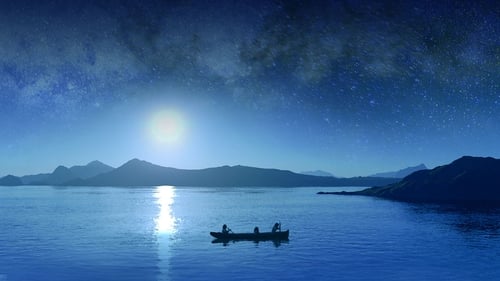
The ocean contains the history of all humanity. The sea holds all the voices of the earth and those that come from outer space. Water receives impetus from the stars and transmits it to living creatures. Water, the longest border in Chile, also holds the secret of two mysterious buttons which were found on its ocean floor. Chile, with its 2,670 miles of coastline and the largest archipelago in the world, presents a supernatural landscape. In it are volcanoes, mountains and glaciers. In it are the voices of the Patagonian Indigenous people, the first English sailors and also those of its political prisoners. Some say that water has memory. This film shows that it also has a voice.
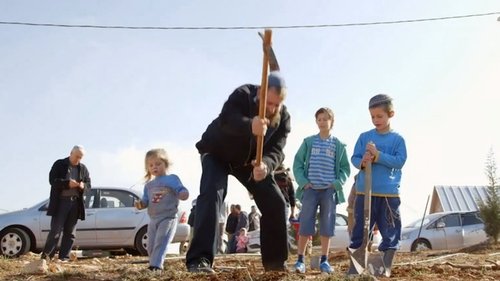
In the nearly 50 years since Israel's decisive victory in the 1967 Six-Day War, hundreds of thousands of Israeli citizens have established expanding communities in the occupied territories of the West Bank. Frequently coming into direct conflict with the region's Palestinian inhabitants, and facing the condemnation of the international community, the settlers have been viewed by some as the righteous vanguard of modern Zionism and by others as overzealous squatters who are the greatest impediment to the possibility of peace in the region.
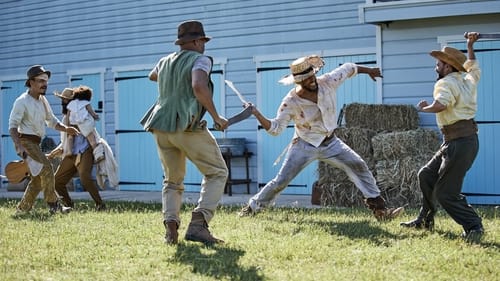
Juan Encarnación is a reserved jibaro with a violent past. When Pura, the woman he loves, disappears, Encarnación sets out on a path of revenge armed with his machete and his daughter, Patria, in his arms.
In 1999, Innu community members who, 40 years previously, had been forcibly relocated from their remote northern region of Labrador to established settlements in the province, return to Hebron to reminisce and reckon with the destructive impact the relocation had on their traditional ways of life and Indigenous identity. This film serves as a companion piece to Carol Brice Bennett’s book "IkKaumajannik Piusivinnik – Reconciling With Memories," and stands as the only known audio-visual document of the reunion of a resettled community in Newfoundland & Labrador.

A feature length Marxist documentary looking at 20th Century fascism, early English settler colonialism in the Americas and the prospects of a contemporary neofascism. The film focuses on the political economy of these forms, drawing on Rajani Palme Dutt's view that fascism represented an organisation of capitalist decay, to illustrate the various different laws of motion which condition the development of reactionary political movements.
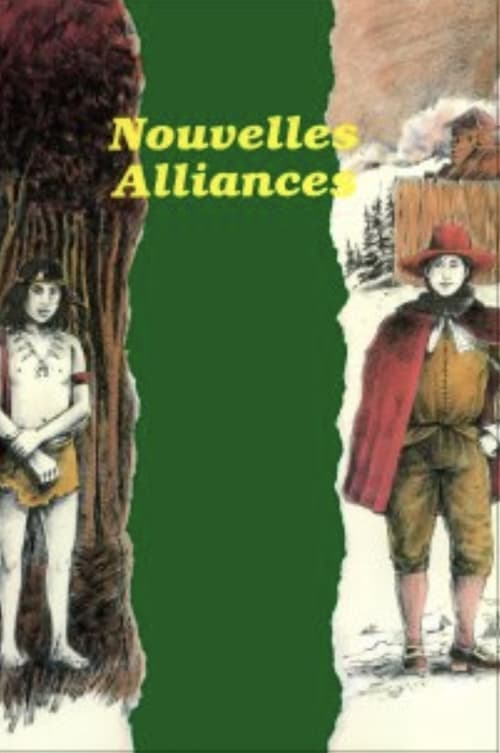
The dramatic story of two youths--one French and one Indigenous--who share a pivotal time in Canada's history: the first contact between European and First Nations peoples.