
Action
Adventure
Animation
Comedy
Crime
Documentary
Drama
Family
Fantasy
History
Horror
Music
Mystery
Romance
Science Fiction
Thriller
War
Western
Found 6 movies, 0 TV shows, and 0 people
Can't find what you're looking for?
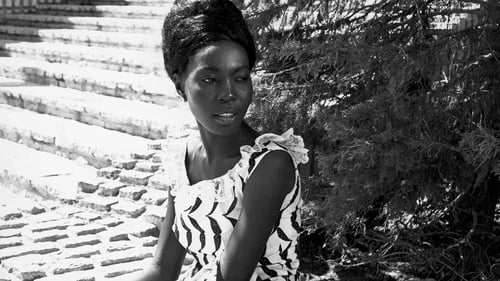
Eager to find a better life abroad, a Senegalese woman becomes a mere governess to a family in southern France, suffering from discrimination and marginalization.

African Underground: Democracy in Dakar is a groundbreaking documentary film about hip-hop youth and politics in Dakar Senegal. The film follows rappers, DJs, journalists, professors and people on the street at the time before, during and after the controversial 2007 presidential election in Senegal and examines hip-hop’s role on the political process. Originally shot as a seven part documentary mini-series released via the internet – the documentary bridges the gap between hip-hop activism, video journalism and documentary film and explores the role of youth and musical activism on the political process.
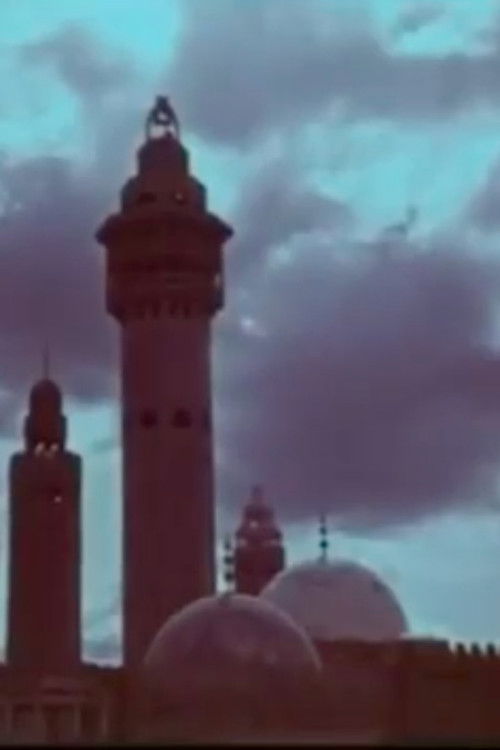
Each year, the pilgrimage of the Muslim brotherhood of the Mourides takes place in Touba. From all over Senegal (and even from all over the world) pilgrims flock to take part in this religious event which will last three days and two nights. Grand Magal in Touba evokes the black Islam, promotes peace and tolerance, born of syncretism between Islam and the blackness of the Sufi brotherhoods in Senegal.

The story of four Senegalese youths from the suburbs of Dakar who are about to set their country ablaze in 2011, via the grassroots movement called Y’en a marre (We’re fed up).

Keur Simbara is an intimate, lyrical short documentary that follows a group of women community organizers in a rural Senegalese village as they build and sustain systems of health, finance, agriculture, and domestic infrastructure. Amid water scarcity and environmental challenges, they articulate their hopes for the future and the legacy they wish to leave behind. Keur Simbara is a tribute to communal wisdom and the power of local organizing.
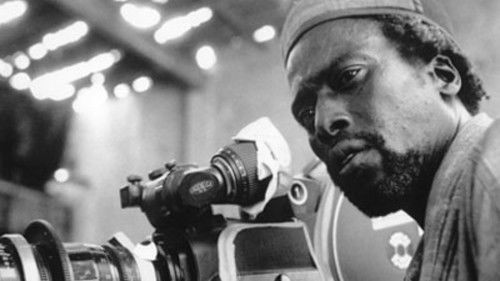
Senegalese director Djibril Diop Mambéty, one of the greatest figures in all of African film, died in 1998. In this behind-the-scenes documentary, shot during the making of his final work, The Little Girl Who Sold the Sun / La petite vendeuse de soleil, Mambéty speaks with his technicians, prepares the actors, talks with his young star, and, in voiceover, shares his thoughts on cinema and life.Mambéty doesn't differ significantly from the stock "behind-the-scenes" documentaries that adorn most DVDs nowadays, except that Mambéty's films have scenes you actually want to be taken behind. Because of the kind of attention that gets paid to African cinema, there's an initial intrigue to Mambéty, but that interest is sustained by Mambéty's own lyrical insights into his aesthetics.