
Action
Adventure
Animation
Comedy
Crime
Documentary
Drama
Family
Fantasy
History
Horror
Music
Mystery
Romance
Science Fiction
Thriller
War
Western
Found 5 movies, 3 TV shows, and 0 people
Can't find what you're looking for?

Andrea Zittel’s “systems for living” explore the friction between the prescriptive nature of externally enforced rules and the liberating potential of internally imposed parameters. Her current project, A–Z West, is a culmination of ten years of creating these experimental domestic and external structures. The community, sited in the desert environment of Joshua Tree, California, was conceived as a sustainable space within yet separate from our increasingly regulated culture. This exhibition presents several Wagon Stations—small mobile units customized by invited individuals—from the settlement. Transplanted to an urban landscape, they reveal at once the individuality of their creators and the simple clarity of the system as a whole. - Whitney Museum of Art Exhibition 2004
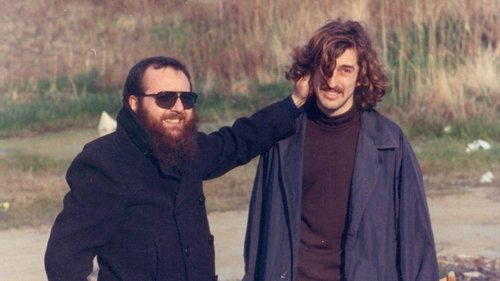
Abandoned by his wife, who leaves him their child, Michele, a former '68 student protester with little going on in his life, struggles to be a good father. In the meantime, he spends his time acting in an experimental theater company directed by his friend Fabio.
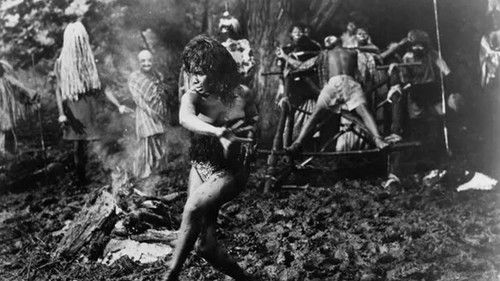
In Africa, a professional hunter kills a male lion which is sacred to a local tribe which also practices voodoo; and when he returns to England, he finds himself deteriorating under the influence of a curse which they have placed on him for his sacrilege.
TV producer and Internet-video personality Kirsten Dirksen invites us on her journey into the tiny homes of people searching for simplicity, self-sufficiency, minimalism and happiness by creating shelter in caves, converted garages, trailers, tool sheds, river boats and former pigeon coops.
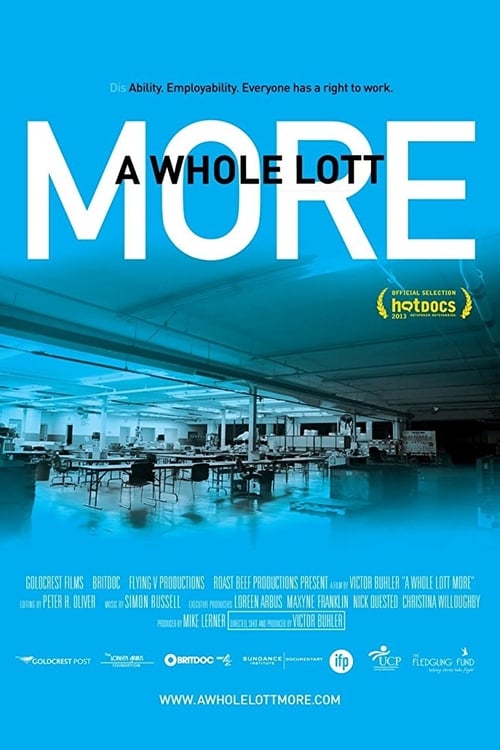
For decades in Toledo, Ohio, Lott Industries has excelled at manufacturing small car parts. All 1,200 Lott employees have developmental disabilities, yet the company competes with traditional non-disabled businesses and achieves the highest quality ratings. When the US auto industry crisis hits, however, Lott's market is wiped out and president Joan Browne has 12 months to reinvent or close the doors. For the workers, the stakes are even higher since their jobs are a refuge, not only from the impoverishment that affects the majority of America's disabled, but from social isolation. For employees Kevin, Wanda and T.J., work is more than just a direly needed paycheck, it's a lifeline, a symbol of their dignity, and their dreams made real. The race to find a new business plan drives this engrossing recession economy drama, but it's the humanity the film restores to the balance sheet that makes A Whole Lott More such a rare achievement. Written by Myrocia Watamaniuk