
Action
Adventure
Animation
Comedy
Crime
Documentary
Drama
Family
Fantasy
History
Horror
Music
Mystery
Romance
Science Fiction
Thriller
War
Western
Found 18 movies, 9 TV shows, and 0 people
Can't find what you're looking for?
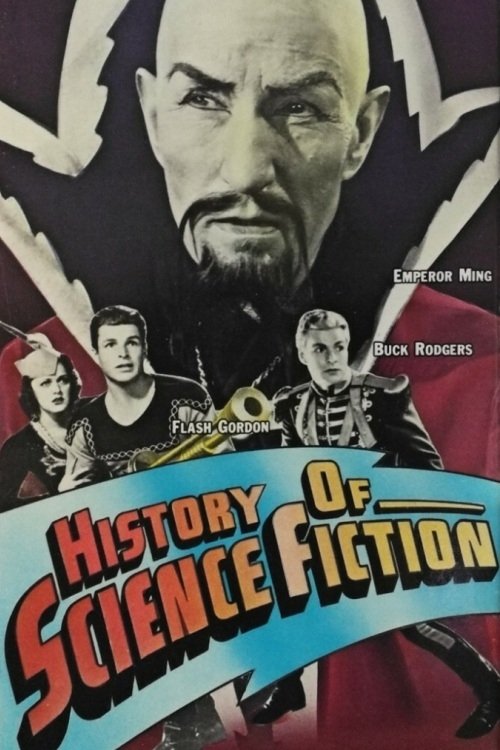
From A TRIP TO THE MOON (made in 1902) to STAR WARS, no other genre has captivated our imagination quite like Science Fiction. Join us in our 56 minute mission to seek out the Sci-Fi film destroyed by Adolph Hitler, to explore the difference between Jules Verne and H.G. Wells, to boldly go where the Sci-Fi greats have gone before!

This video dives in and explores an alternate version of our human history, connecting the dots that up until now, seemed to be random anomalies in our ancient past. The story is certainly different than anything you likely have heard or seen before, but just as well - paints a very complex and yet simple picture of our history, which explains all of the world’s religions, and the state of the world today. All of the struggles that humanity is experiencing, and even why we are struggling to begin with, is explained through this story.
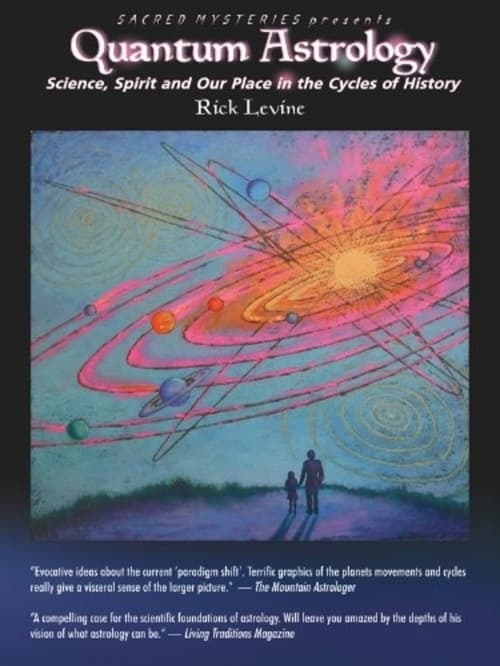
Astrologer Rick Levine offers audiences a unique and comprehensive perspective on the sacred science and art of Astrology. Handed down to us from our ancient ancestors, this mystical science of the stars and planets was designed to provide us with a greater understanding of both the physical and spiritual nature of our lives.

Color is a subtle tool that can transport us from our ordinary lives to extraordinary worlds of cinema. Peel back the layers of history and look at how color was first understood and implemented in the world of film.
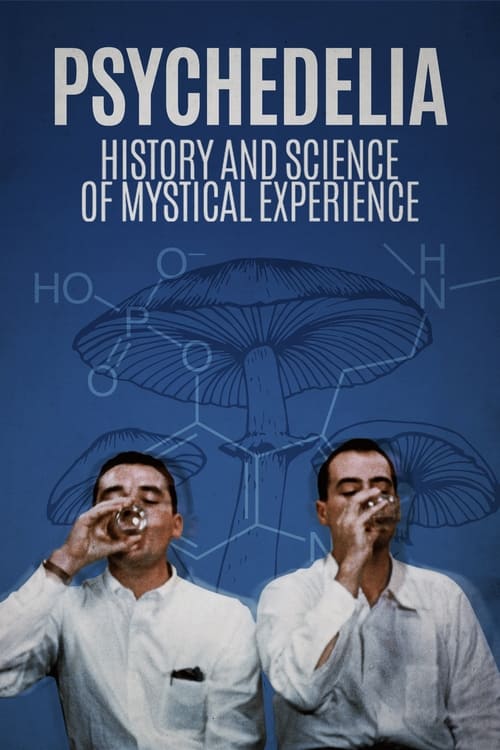
'Psychedelia' is an hour-long documentary film about psychedelic drugs and their ability to induce mystical, or religious experiences. The film explores this relationship by chronicling their use in controlled research studies prior to the cultural upheaval of the 1960s, at a time when LSD was regarded as one of the most promising discoveries in the field of psychiatry.
Who invented time, who invented the clock? Why 1 hour, why 60 minutes, why 60 seconds? Since prehistoric times, man has sought to measure time, to organize social and religious life, to plan food supply... Today we can surf the Internet, geolocate, pay by credit card… All our daily lives depend on time and the synchronization of clocks. The history of the invention of time and of the ways and instruments to measure it is a long story…
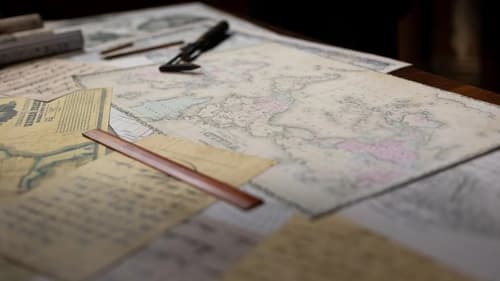
The first transatlantic communications cable, traversing the ocean floor from Valentia Island, County Kerry, to Newfoundland, Canada, 165 years ago was an 8 year endeavor that helped lay the foundation of the modern technology industry and explains the fragility of undersea cables today.
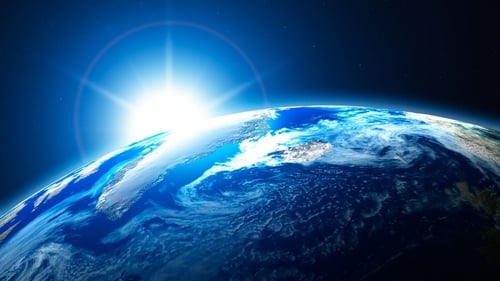
Did you know that 1% of the white noise you see on old televisions is background radiation from The Big Bang? That the gold on a wedding ring comes from a star that exploded 5 billion years ago? And, that we're connected to the salt water of the first oceans through the water in our bodies? Our human story is actually 14 billion years old and the clues are all around us. This CGI-driven special will tell the history of our world in two hours, an ambitious story that will give surprising connections to our daily lives. From the formation of the earth and the emergence of life, to the advance of man and the growth of civilization, it’s a rapid-fire view of our unforgettable story.
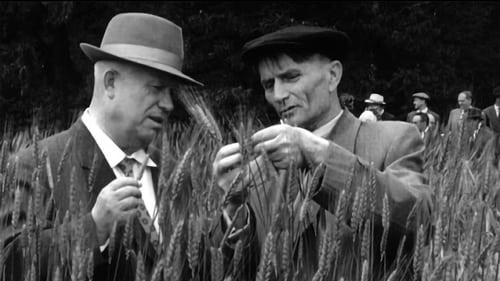
The documentary tells two very different human fates in the 1920s Soviet Union. Nikolai Vavilov was a botanical genius, Trofim Lyssenko was an agronomist who made great promises and fake inventions. Each of them tried to solve the country's nutritional problem, but only one succeeded.

Watson and Crick race to find the structure of DNA before Linus Pauling, Maurice Wilkins, or Rosalind Franklin can find the key to unlocking the secret.
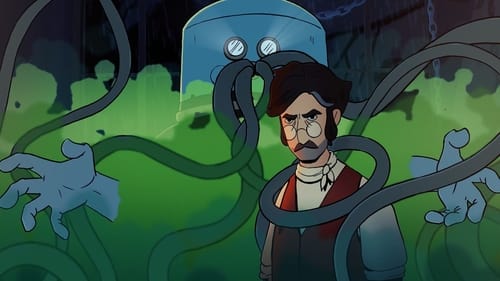
Six-year-old Bi has been afraid of water since the flood took her younger brother. Her father, Karl Klingert, dedicated himself to working on the world's first diving suit. Bi thinks the suit is the monster that took over her father. With the help of Peter, a young bully from the river, she tries to destroy it before the whole family leaves Wroclaw forever.
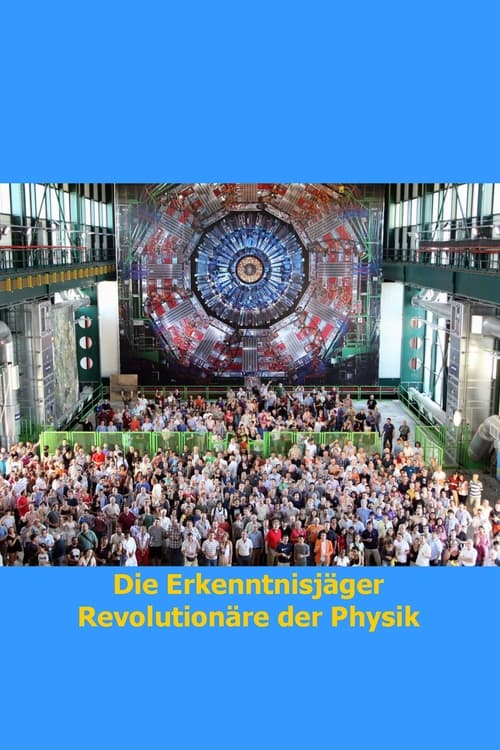
No description available for this movie.
No description available for this movie.
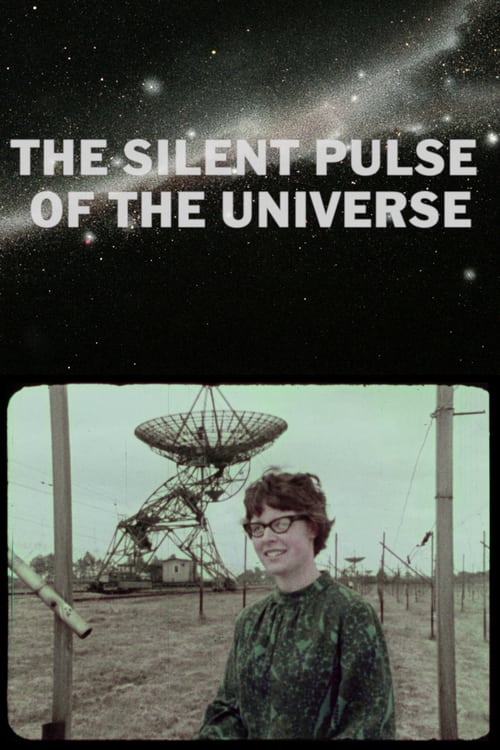
Part of the Almost Famous series. Jocelyn Bell was a graduate student at Cambridge in 1967 when she pushed through the skepticism from her superiors to make one of the greatest astrophysical discoveries of the twentieth century. While Jocelyn was belittled and sexually harassed by the media, the Nobel Prize was awarded to her professor and his boss.

After falling in love with a boulder, two glyptodons brawl over their shared romantic interest.
When a wide-eyed 10-year-old girl visits her fathers insect laboratory, she receives an unorthodox education in genetics.

No description available for this movie.
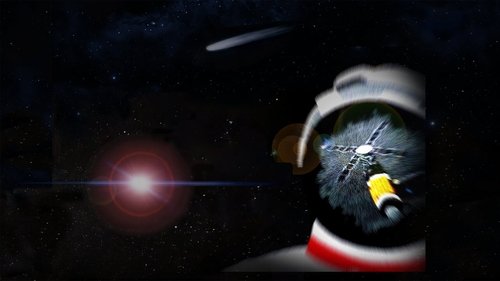
The first American space station Skylab is found in pieces scattered in Western Australia. Putting these pieces back together and re-tracing the Skylab program back to its very conception reveals the cornerstone of human space exploration.