
Action
Adventure
Animation
Comedy
Crime
Documentary
Drama
Family
Fantasy
History
Horror
Music
Mystery
Romance
Science Fiction
Thriller
War
Western
Found 41 movies, 27 TV shows, and 1 person
Can't find what you're looking for?

Poverty, Inc. explores the hidden side of doing good. From disaster relief to TOMs Shoes, from adoptions to agricultural subsidies, Poverty, Inc. follows the butterfly effect of our most well-intentioned efforts and pulls back the curtain on the poverty industrial complex - the multi-billion dollar market of NGOs, multilateral agencies, and for-profit aid contractors. Are we catalyzing development or are we propagating a system in which the poor stay poor while the rich get hipper?
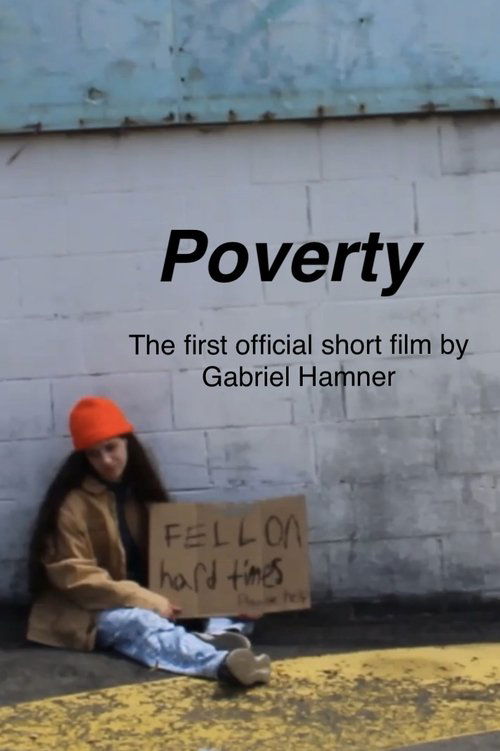
A young homeless girl decides to make a change in her life.
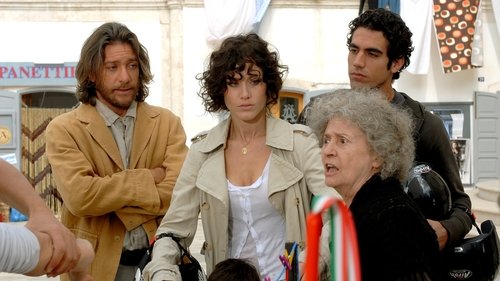
Muhammad Yunus, Nobel Peace prize winner, is known in the whole world as the banker of the poor, because he pioneered and tested a funding system in Bangladesh: by lending little sums of money to the less well-off with no interest, and returning it by installments gained with their work, people are able to get free from extreme misery. Thus, what can happen if three boys, just graduated, who live in Naples, try to import this funding system that subverts every economic rule?

A haughty acclaimed newly married fashion designer named Iraj is shown the door by his boss after the boss's son arrives at Iran to take over his father's company. Iraj reluctant to promulgate the loss of his job, starts using his savings, trying to conceal the truth from his naive wife. Having squandered all the money he had on trivial matters, he tells his wife about being axed & that's when the tables turn on him.

Kaiti's father decides to end Nikos' family and evicts them. Nikos and his mother rent a room in Anna's family's house. Together with Giovanna's band, in which he is a pianist, he will find himself in Thessaloniki where they have gone for various performances with his beloved, Lisa. Lisa will receive a message and will return hurriedly to Athens. There she will have an accident, will become disabled and will decide to disappear from Nikos' life. Upon returning, Nikos tries in vain to find her...
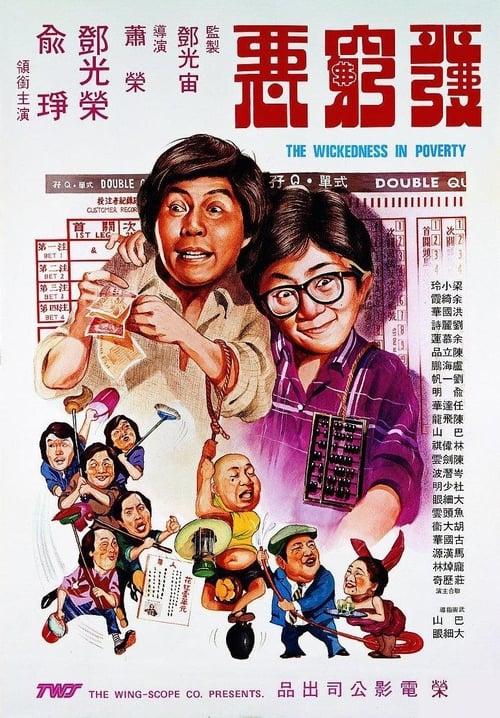
Two people in debt to loan sharks cooperate with each other to clear their debt and cheat other people out of their money.

A tragicomic story about Lady Poverty who, unmistakably and without any hesitation, catches one lazy fellow after another. However, she is helpless when she comes across a diligent and work-loving fellow. Poverty simply cannot be destroyed, but it can be defeated.

No description available for this movie.
A woman has to make a decision on what to do whilst living through a period of Period Poverty.
Trails Street Flatland Vert Riding
A student investigates a series of mysterious disappearances involving fellow pupils. Everything he believes will change when he finally understands the pattern behind the disappearances.
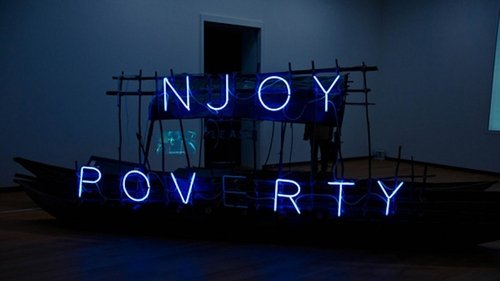
An investigation of the emotional and economic value of Africa's most lucrative export: filmed poverty. Deep in the interiors of the Congo, Dutch artist Renzo Martens single-handedly undertakes an epic journey and launches an emancipatory program that helps the poor become aware of what is their primary capital resource: Poverty. After three years of traveling through the Democratic Republic of the Congo he asks the question: "Who owns poverty?
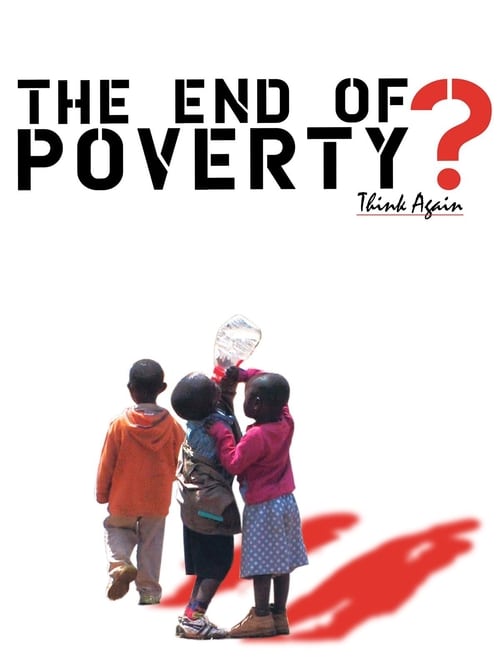
The End of Poverty? asks if the true causes of poverty today stem from a deliberate orchestration since colonial times which has evolved into our modern system whereby wealthy nations exploit the poor. People living and fighting against poverty answer condemning colonialism and its consequences; land grab, exploitation of natural resources, debt, free markets, demand for corporate profits and the evolution of an economic system in in which 25% of the world's population consumes 85% of its wealth. Featuring Nobel Prize winner Amartya Sen and Joseph Stiglitz, authors/activist Susan George, Eric Toussaint, Bolivian Vice President Alvaro Garcia Linera and more.

Lu Jingsheng, a young analyst from the China Securities Regulatory Commission, who was going to study in the United States was sent to Lankao to help the poor. He didn't want to become an "enemy" with Fan Zhongzhou, the deputy secretary of the county party committee. The young man, who is determined to find a way out of China's rural areas in academia, runs into a "dirtbag" top boss who came from the grassroots step by step, and who accompanied the old secretary to Beijing 12 years ago to wear the "poor county" hat. Lu Jingsheng volunteered to go to Bazhuang, the poorest village in the county, as the first secretary. The emotional crisis between him and his girlfriend also broke out, and Lu Jingsheng was on the verge of collapse.

Eugene, a young nobleman, asks two penniless idlers to impersonate his noble relatives to help him marry Gemma, the daughter of an enriched cook.

A young woman rises from the harsh realities of poverty to chase her dreams, confronting love, betrayal, and Murder. Through resilience and hope, she discovers the true meaning of beauty beyond wealth and survival.

John and Katherine Colby decide to put off parenthood until he has become wealthy. Their friends, Tom and Grace Donaldson, decide to start a family right away. While John works his way up to a position of power at a steel firm, Katherine begins to question the wisdom of their decision.
Pavlaras and Petrakis have spent the money that Kaiti's father gave them two years ago and continue to travel around Athens with their lantern. However, Pavlaras is not well and needs to rest, as recommended by his doctor. Petrakis collects money from their friends, but it is not enough to cover their expenses. He is then forced to secretly sell the lantern without Pavlaras' knowledge.

When her husband Jim strikes it rich, Grace, who has had a lifelong fear of poverty, strictly raises her daughter Florence to accept only luxury. When Florence is old enough to have suitors, she quickly rejects penniless artist Durland and marries rich playboy Alfred Griffin, but soon learns that he is an unfaithful spendthrift, so they soon become bitter enemies. In a final effort to ruin Florence's life, Alfred neatly arranges evidence to make her look like his murderer, then commits suicide, but the butler saw everything and is able to clear Florence of this charge; afterward she rushes to Durland and they plan to get married.
On Friday November 17 2006, a group of Australia's top performers and two chart-topping international acts joined forces to help Make Poverty History. In a ground-breaking concert, more than 14,000 music fans converged on the Sidney Myer Music Bowl to be part of this historic event, while tens of thousands more watched the concert at live sites and online around the nation.

While the Second World War rages, the teenage Mahito, haunted by his mother's tragic death, is relocated from Tokyo to the serene rural home of his new stepmother Natsuko, a woman who bears a striking resemblance to the boy's mother. As he tries to adjust, this strange new world grows even stranger following the appearance of a persistent gray heron, who perplexes and bedevils Mahito, dubbing him the "long-awaited one."

In the outskirts of Tokyo, a poor but close-knit group living on the fringes of society survives through shoplifting and odd jobs. When Osamu and his son take in a neglected young girl, their already fragile existence begins to unravel. As the family grows attached to her, buried secrets surface, forcing them to confront the true meaning of love, belonging, and what makes a family.

Kid is an anonymous young man who ekes out a meager living in an underground fight club where, night after night, wearing a gorilla mask, he is beaten bloody by more popular fighters for cash. After years of suppressed rage, Kid discovers a way to infiltrate the enclave of the city’s sinister elite. As his childhood trauma boils over, his mysteriously scarred hands unleash an explosive campaign of retribution to settle the score with the men who took everything from him.
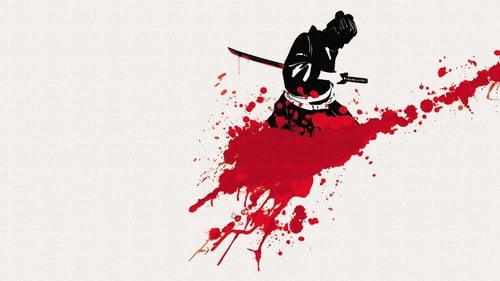
Down-on-his-luck veteran Tsugumo Hanshirō enters the courtyard of the prosperous House of Iyi. Unemployed, and with no family, he hopes to find a place to commit seppuku—and a worthy second to deliver the coup de grâce in his suicide ritual. The senior counselor for the Iyi clan questions the ronin’s resolve and integrity, suspecting Hanshirō of seeking charity rather than an honorable end. What follows is a pair of interlocking stories which lay bare the difference between honor and respect, and promises to examine the legendary foundations of the Samurai code.
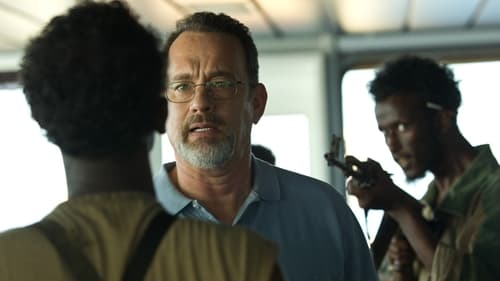
The true story of Captain Richard Phillips and the 2009 hijacking by Somali pirates of the US-flagged MV Maersk Alabama, the first American cargo ship to be hijacked in two hundred years.

A poor construction worker, who struggles to keep his son in private school, mistakes an orb he finds in a junkjard for a toy which proves to be much, much more once the young boy starts to play with it.
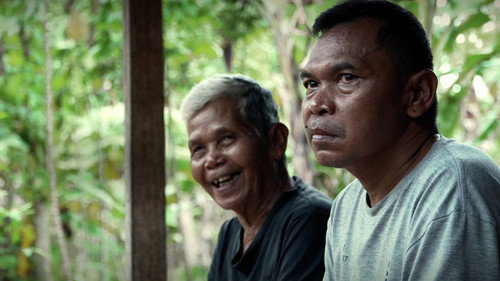
A documentary about a married couple navigating life amidst financial hardship, social pressure, and family rejection. Through the choices they make, the film explores the disconnect between faith, life, and reality a disconnect that creates dissonance within them and their surrounding environment.
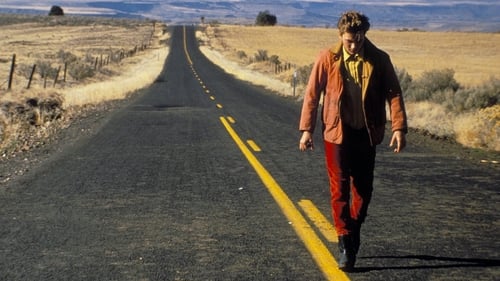
In this loose adaptation of Shakespeare's "Henry IV," Mike Waters is a hustler afflicted with narcolepsy. Scott Favor is the rebellious son of a mayor. Together, the two travel from Portland, Oregon to Idaho and finally to the coast of Italy in a quest to find Mike's estranged mother. Along the way they turn tricks for money and drugs, eventually attracting the attention of a wealthy benefactor and sexual deviant.

Sex, politics and American culture are mixed into a combustible combination in Now & Later. Angela is an illegal Latina immigrant living in Los Angeles who stumbles across Bill, a disgraced banker on the run. She takes him in. Through passionate sex, soul-searching conversations ranging from politics to philosophy, and other worldly pleasures, Angela introduces Bill to another worldview. As their affair heats up, the course of Bill's life begins to take an abrupt and unexpected turn.

Competitive ice skater Tonya Harding rises amongst the ranks at the U.S. Figure Skating Championships, but her future in the sport is thrown into doubt when her ex-husband intervenes.
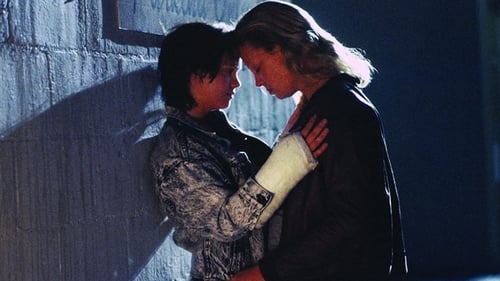
In 1989, prostitute Aileen Wuornos befriends and enters a relationship with a young woman named Selby. Determined to straighten out her life, Aileen's limited education lands her back on the corner. She's raped by a trick, who she kills. A string of murder and robbery follows that ultimately leads Aileen to becoming America's first female serial killer.
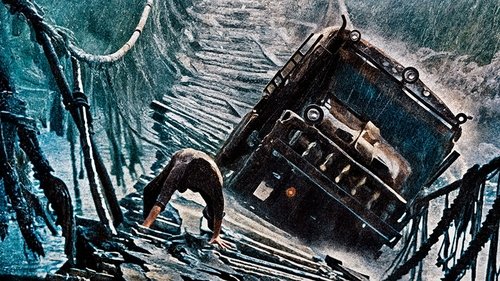
Four men from different parts of the globe, all hiding from their pasts in the same remote South American town, agree to risk their lives transporting several cases of dynamite (which is so old that it is dripping unstable nitroglycerin) across dangerous jungle terrain.
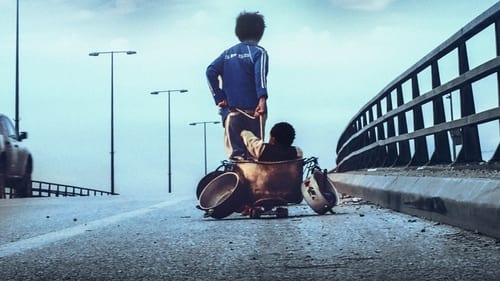
After running away from his negligent parents, committing a violent crime and being sentenced to five years in jail, a hardened, streetwise 12-year-old Lebanese boy sues his parents in protest of the life they have given him.

Thirteen year old Sam Cleary suspects that his mysteriously reclusive neighbor Mr. Smith is actually the legendary vigilante Samaritan, who was reported dead 25 years ago. With crime on the rise and the city on the brink of chaos, Sam makes it his mission to coax his neighbor out of hiding to save the city from ruin.
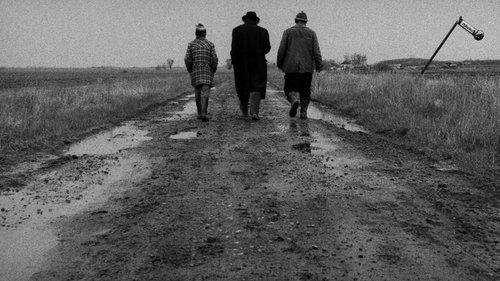
Inhabitants of a small village in Hungary deal with the effects of the fall of Communism. The town's source of revenue, a factory, has closed, and the locals, who include a doctor and three couples, await a cash payment offered in the wake of the shuttering. Irimias, a villager thought to be dead, returns and, unbeknownst to the locals, is a police informant. In a scheme, he persuades the villagers to form a commune with him.

After discovering her father put their house up for his bail bond and then disappeared, 17-year-old Ree Dolly must confront the local criminal underworld and the harsh Ozark wilderness in order to to track down her father and save her family.
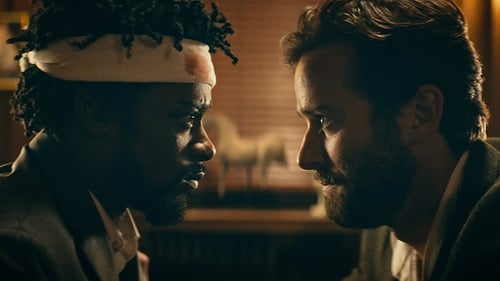
In an alternate present-day version of Oakland, black telemarketer Cassius Green discovers a magical key to professional success – which propels him into a macabre universe.

Set against the backdrop of construction activity promising to fill in the empty spaces of the urban landscape with entirely new neighborhoods, a story unfolds of an aging construction worker who, unlike his peers, has to drop all plans for the future after being diagnosed with a malignant tumor. This self-assured debut contemplates the dignity of the individual within the context of modern Turkish society.
A film about poverty in a rich country: father, mother, seven children have made it out of the homeless asylum. The author met the Cologne family B. for the first time in 1976. Living with debts, installments, reminders, living with the certainty that the children will not fare any differently. For more than twenty years, between dreams and fears, the camera recorded two generations' fear of failure and hunger for middle class. A unique film chronicle from the "latest economic miracle" - between 1976 and 1997.
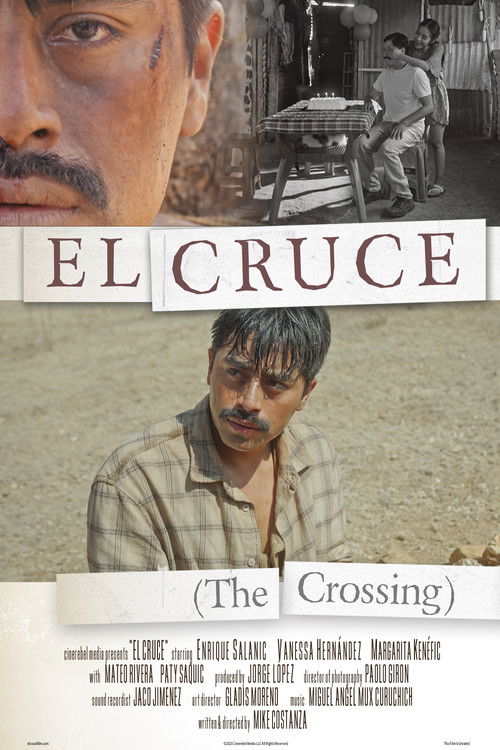
On a perilous journey north, a Guatemalan farmer risks everything to secure a future for his family, as past and present collide in a story of survival, memory, and sacrifice.

An ex-convict gets tangled up with a gang after his car is hijacked with his son inside.