
Action
Adventure
Animation
Comedy
Crime
Documentary
Drama
Family
Fantasy
History
Horror
Music
Mystery
Romance
Science Fiction
Thriller
War
Western
Found 10 movies, 3 TV shows, and 0 people
Can't find what you're looking for?
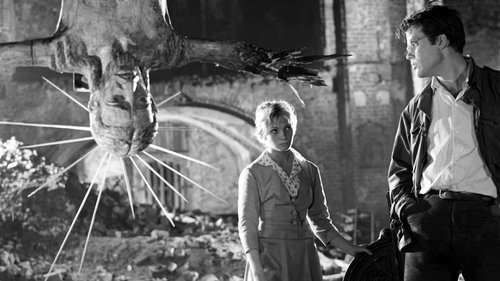
A young academy soldier, Maciek Chelmicki, is ordered to shoot the secretary of the KW PPR. A coincidence causes him to kill someone else. Meeting face to face with his victim, he gets a shock. He faces the necessity of repeating the assassination. He meets Krystyna, a girl working as a barmaid in the restaurant of the "Monopol" hotel. His affection for her makes him even more aware of the senselessness of killing at the end of the war. Loyalty to the oath he took, and thus the obligation to obey the order, tips the scales.
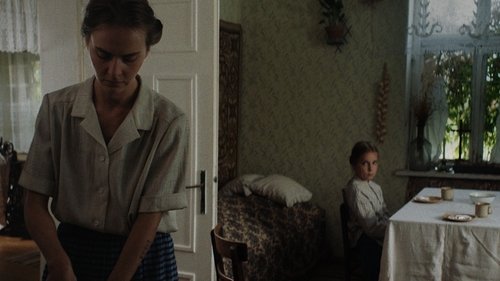
Post-war Poland. 10-year-old Marysia lives in the countryside with her mother, Helena, who survived a concentration camp. One day Helena announces that her brother - Marysia's uncle - is coming to join them for dinner. Although Marysia herself survived the occupation in shelter, she experiences first-hand that the nightmare of war does not end with the ceasefire.
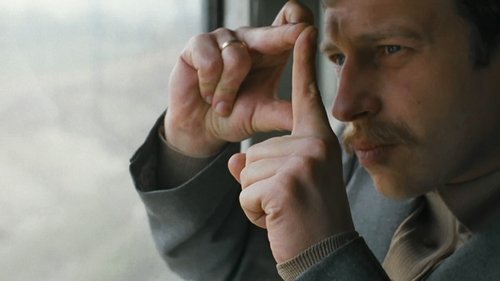
Filip buys an 8mm movie camera when his first child is born. Because it's the first camera in town, he's named official photographer by the local Party boss. His horizons widen when he is sent to regional film festivals with his first works but his focus on movie making also leads to domestic strife and philosophical dilemmas.
What changed and what remained in border towns where the German presence was erased after World War II? Two young filmmakers delve into what we still find in the present-day Polish city of Kąty Wrocławskie, formerly Kanth.
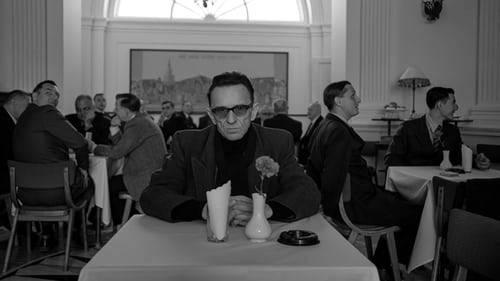
Warsaw, Poland, 1953. Mr. T., a renowned writer, lives in a hotel and earns his living by giving private lessons.
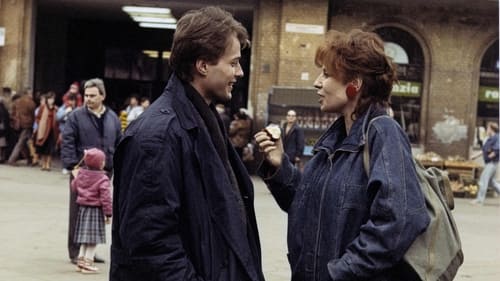
Difficulty of human relations in a 3-cornered tale: a neurotic woman, idealistic young man and his mother. Tomek is a clean-cut, high-minded geography student. He lives with his mother Zofia, a sensitive, practicing Catholic, like her son. When he meets Julia, a depressed woman older than he, he first tries to comfort her, then invites her to stay with him and his mother. Tomek makes a trip to West Berlin to visit his well-off father. He refuses to take money from him and looks for work as a house painter. Julia ends up in a rest home for treatment, while Tomek is trying to make their relationship work.
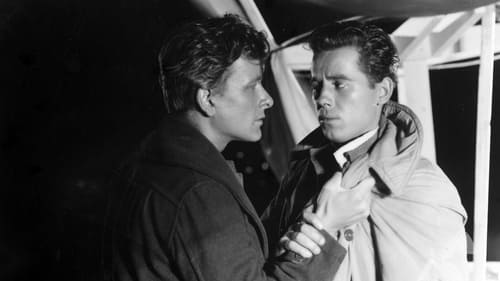
In war-ravaged Warsaw, five juvenile delinquents are given probation for stealing, to rehabilitate themselves, but remain under the influence of their profiteer-boss.
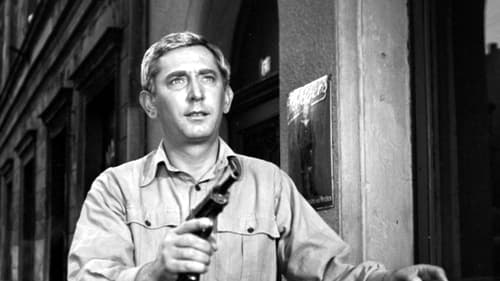
At the end of World War Two, Polish people move to the western lands vacated by Germans. But some ruthless profiteers pose as government representatives and intend to make off with loot from a deserted town they took over. One honest man stands up against them because he believes these goods belong to the people.
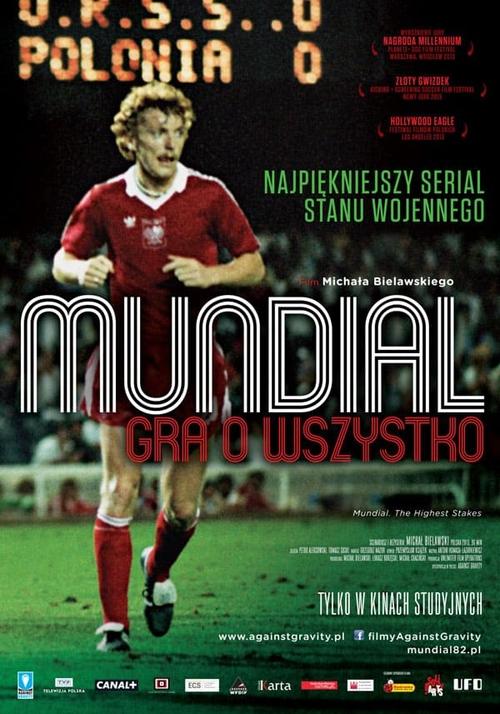
A documentary tale about sport and politics under martial law. All of Poland saw the great goals of Boniek and Smolarek during the Espana '82 championships. For a moment, it was forgotten that the background of the sporting performance was martial law, censorship, an army on the streets, prisons filled with oppositionists. The performance of the players was so successful that it was called "the most beautiful series of martial law". The game is watched by interned activists of "Solidarity", sports journalists and censors, cutting out all manifestations of the opposition from television broadcasts. We also get to know the performance in Spain from the perspective of the players, trying to meet not only their ambitions but also to bear the burden of fans' expectations and regime propaganda.

Warsaw, Poland, end of the Seventies. Following the workers’ revolt against the rise of prices violently repressed by the communist power, a group of opponents create the KOR (Workers’ Defense Committee). Heir to the currents of opposition to the Communist regime since the end of World War II, sponsored by intellectual and moral personalities who had been standing up against social injustices since the Twenties, the KOR tries to break the information monopoly of the State and to set up an autonomous labor organization.The action of the KOR leads in 1980 to the birth of Solidarnosc, first independent trade union of Eastern Europe.Three members of the KOR remember and tell us the story of a victory against communist power in Europe.